Are Hedgehogs Legal in Massachusetts: What You Need to Know
Thinking about adding a hedgehog to your family in Massachusetts? You’re probably wondering if these adorable, prickly creatures are legal to own as pets where you live.
It’s important to know the rules before bringing a hedgehog home, so you avoid any surprises or legal trouble. You’ll find clear answers about hedgehog ownership in Massachusetts, what permits (if any) you need, and tips to make sure your new pet stays happy and healthy.
Keep reading to discover everything you need to know about having a hedgehog as a pet in Massachusetts!
Hedgehog Legality In Massachusetts
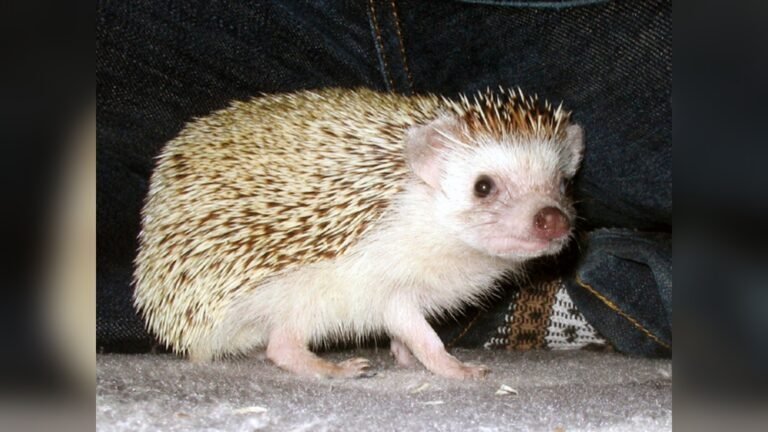
Hedgehogs are popular exotic pets in many places. Massachusetts allows people to own hedgehogs legally. There is no need to get a state permit to keep one. This makes Massachusetts more open to hedgehog ownership than many other states.
Still, it is important to know the rules and regulations. These laws ensure hedgehogs are kept safely and responsibly. Understanding the legal status helps avoid fines or problems with local authorities.
State Wildlife Regulations
Massachusetts has strict wildlife rules to protect native animals. Many exotic pets require special permits from the state. Hedgehogs, however, are not listed as prohibited animals. They do not need a wildlife license for ownership.
These regulations help control the spread of non-native species. They also ensure exotic pets do not harm the environment. Hedgehogs are allowed because they pose low risk to local wildlife.
Masswildlife Exemption List
MassWildlife keeps a list of animals exempt from exotic pet rules. Hedgehogs appear on this exemption list. This means owners can buy, sell, and keep them freely. No special paperwork or permits are required.
Even with this freedom, owners must care properly for their hedgehogs. Proper housing, food, and veterinary care are mandatory. Local laws or landlords may still set their own rules about pets.
Comparison With Other States
Many states ban hedgehogs or require permits. Massachusetts stands out by allowing hedgehogs without extra licenses. Some nearby states have stricter laws or do not allow hedgehogs at all.
This makes Massachusetts a good place for hedgehog lovers. Owners should always check local city or town rules. Laws can vary at the local level even if the state law is clear.

Credit: www.petage.com
Local Rules And Restrictions
Local rules and restrictions play a big role in owning a hedgehog in Massachusetts. While state law allows hedgehog ownership, local areas may have their own rules. These rules affect whether you can keep a hedgehog in your home or community.
Understanding these local restrictions helps avoid legal troubles and keeps your pet safe. Checking city rules and housing policies is a smart step before bringing a hedgehog home.
City And Town Ordinances
Some cities and towns in Massachusetts have their own laws about exotic pets. These local ordinances can ban or limit hedgehog ownership. Rules may vary widely from one town to another.
Ordinances may restrict the number of pets or require special permits. Some places may outright prohibit hedgehogs. Always check your city or town’s website or contact local officials.
Landlord And Housing Policies
Landlords and housing associations often set pet rules that include exotic animals. Many do not allow hedgehogs due to concerns about allergies or damage. Lease agreements may specifically ban hedgehogs or exotic pets.
Before getting a hedgehog, review your lease or talk to your landlord. Getting permission can prevent eviction or fines. Some housing policies may allow hedgehogs with conditions like cages or noise limits.
Owning A Hedgehog In Massachusetts
Owning a hedgehog in Massachusetts is allowed under state law. These small, spiny mammals are popular pets for many residents. The state includes hedgehogs on its exemption list, so special permits are not required. This makes it easier for people to enjoy having hedgehogs as companions.
Still, owners must meet basic care standards. Proper housing, food, and veterinary care are necessary to keep hedgehogs healthy and happy. Local rules may affect ownership, so checking city or town regulations is a good idea.
No Permit Requirements
Massachusetts does not require a permit to own a hedgehog. The state exempts hedgehogs from exotic pet licensing. Owners can legally possess hedgehogs without extra paperwork. This exemption simplifies the process of having a hedgehog as a pet.
Buying And Importing Hedgehogs
Hedgehogs can be purchased and imported freely in Massachusetts. There is no state license needed for buying or bringing them into the state. Pet stores and breeders often sell hedgehogs legally. Buyers should confirm the seller follows proper animal care standards.
Legal Sales And Exchanges
Sales and exchanges of hedgehogs are legal throughout Massachusetts. Owners can sell or trade hedgehogs without a permit. It is important to ensure the animals are healthy and treated well. Responsible transactions help keep the pet trade safe and ethical.

Credit: www.shutterstock.com
Hedgehog Care Essentials
Hedgehogs need special care to live healthy and happy lives. Their small size and unique habits require attention to detail. Proper care starts with creating the right home and providing good food. Regular health checks are also important. This section covers the basics of hedgehog care essentials.
Suitable Habitat Setup
A hedgehog’s home must be safe and warm. Use a cage at least 2 feet by 3 feet. Solid floors are better than wire to protect their feet. Provide soft bedding like fleece or paper-based materials. Keep the temperature between 72 and 80 degrees Fahrenheit. Hedgehogs can get sick if too cold or hot. Add hiding spots so your pet feels secure. Avoid strong smells and loud noises near their cage.
Diet And Nutrition
Feed a balanced diet with high-quality hedgehog food or cat food. Include insects like mealworms or crickets for protein. Fresh fruits and vegetables can be treats but offer in small amounts. Avoid sugary or salty snacks. Clean water must always be available. Change food and water daily to keep it fresh. Proper nutrition helps prevent obesity and illness.
Veterinary Care Options
Find a vet experienced with exotic pets or hedgehogs. Regular check-ups help spot problems early. Watch for signs like loss of appetite, lethargy, or skin issues. Hedgehogs can suffer from mites, dental problems, and obesity. Vaccinations are not common but discuss parasite control with your vet. Prompt care improves your pet’s quality of life.
Other Exotic Pets Allowed In Massachusetts
Massachusetts allows several exotic pets besides hedgehogs. These animals can be owned without special permits under state law. The list includes small mammals that adapt well to home environments. Each requires specific care to thrive as pets.
Owning exotic pets means knowing their needs and legal status. Some animals need special housing or diets. Understanding these basics helps keep pets healthy and happy.
Sugar Gliders
Sugar gliders are small, nocturnal marsupials. They can glide between branches using skin flaps. These pets need social interaction and room to climb. Sugar gliders require a diet rich in fruits, protein, and insects. They live well in pairs or small groups. In Massachusetts, owning sugar gliders does not require a permit.
Chinchillas
Chinchillas are soft, furry rodents from the Andes Mountains. They have dense fur and are active mostly at night. Chinchillas need a cool, dry place to live. Dust baths help keep their fur clean and healthy. They enjoy chewing, so safe toys are important. Massachusetts allows chinchillas as pets without special licenses.
Flying Squirrels
Flying squirrels are small, nocturnal rodents with gliding membranes. They use these to move between trees in the wild. These squirrels are social and need a secure cage with branches. Their diet includes nuts, fruits, and insects. Flying squirrels require gentle handling and attention. Massachusetts permits flying squirrels as exotic pets without state permits.

Credit: www.hamorhollow.com
Resources For Hedgehog Owners
Owning a hedgehog in Massachusetts comes with the responsibility of proper care and support. Access to reliable resources helps keep your pet healthy and happy. Several options exist for new and experienced hedgehog owners to find guidance and assistance.
Local Exotic Veterinarians
Finding a vet who understands exotic pets is essential. Exotic veterinarians in Massachusetts offer specialized care for hedgehogs. They provide health check-ups, vaccinations, and treatment for illnesses. Regular visits ensure your hedgehog stays in good condition. Many clinics have staff trained to handle small, delicate animals like hedgehogs.
Care Guides And Communities
Care guides give detailed instructions on hedgehog nutrition, habitat, and behavior. Online forums and social media groups connect hedgehog owners across Massachusetts. These communities share tips, answer questions, and offer emotional support. Learning from others’ experiences helps avoid common mistakes. Many websites also provide step-by-step care routines and troubleshooting advice.
Animal Welfare Organizations
Animal welfare groups in Massachusetts promote responsible pet ownership. Organizations like the MSPCA provide resources and education on exotic pets. They may offer workshops or informational materials about hedgehog care. These groups also help owners understand legal aspects and local regulations. Supporting animal welfare organizations benefits both pets and communities.
Frequently Asked Questions
Can A Hedgehog Be A House Pet?
Yes, hedgehogs can be house pets. They require proper care, a suitable habitat, and regular veterinary attention.
Which States Are Hedgehogs Legal In?
Hedgehogs are legal to own without a permit in states like Massachusetts and Texas. Always check local laws first.
What Exotic Pets Are Legal In Ma?
Massachusetts allows exotic pets like sugar gliders, four-toed hedgehogs, chinchillas, boas, pythons, skinks, parrots, and flying squirrels without state permits. Local restrictions may apply, so check city or landlord rules before owning these animals.
Are Hedgehogs Legal To Own In Massachusetts?
Yes, hedgehogs are legal to own in Massachusetts. They are included on the MassWildlife Exemption List. This means no special permit or license is required for ownership.
Conclusion
Hedgehogs are legal to own as pets in Massachusetts without a state permit. You can buy, keep, and bring them into the state freely. Still, check local rules, as some towns or landlords may limit ownership. Proper care is important for hedgehogs’ health and happiness.
Learning about their habitat and veterinary needs helps you provide the best home. Knowing the laws and care tips ensures a safe, happy pet experience. Owning a hedgehog can be rewarding with the right preparation and knowledge.