Are Hedgehogs Legal in North Carolina? Discover the Truth!
Are you thinking about bringing a hedgehog into your home in North Carolina? Before you rush to find that cute little pet, it’s important to know the rules.
You might be surprised to learn that while hedgehogs are legal to own in North Carolina, there are some details you need to consider. From local laws to housing restrictions, understanding what’s allowed can save you from unexpected trouble. Keep reading to find out exactly what you need to know to welcome a hedgehog into your life the right way.

Credit: ktvz.com
Hedgehog Laws In North Carolina
Hedgehogs have grown in popularity as pets across the U.S. Many people want to know if they can legally own one in North Carolina. Understanding the laws is important before bringing a hedgehog home. The rules cover state laws, local restrictions, and housing agreements.
Statewide Legality
Hedgehogs are legal to own in North Carolina. The state does not require a permit or license to keep African pygmy hedgehogs as pets. There are no bans on owning them at the state level. This makes North Carolina one of the pet-friendly states for hedgehog enthusiasts.
Local Restrictions
Local governments in North Carolina can set their own rules. Some cities or counties may have restrictions or bans on exotic pets like hedgehogs. It is essential to check with your city or county animal control office. Local laws can differ from the statewide rules and impact your ability to keep a hedgehog.
Hoa And Rental Rules
Homeowners associations (HOAs) and rental agreements often have their own pet policies. Even if hedgehogs are legal in North Carolina, your HOA might forbid exotic pets. Rental properties may also restrict or ban hedgehogs. Always review your lease or HOA rules before adopting a hedgehog to avoid conflicts.

Credit: www.hamorhollow.com
Where To Get A Hedgehog
Finding the right place to get a hedgehog in North Carolina is important. You must choose a source that cares for the animals and follows legal rules. Hedgehogs are legal in North Carolina, so many options exist for potential owners. Each option has different benefits and points to consider.
Read on to learn about pet stores, breeders and rescues, and online options to find your new pet hedgehog.
Pet Stores
Some small pet stores in North Carolina sell hedgehogs. Large chains usually do not have them. Local stores often provide better care and advice for these pets. Visiting a pet store lets you see the hedgehog before buying. Ask about the animal’s health and care needs. This helps you prepare for your new pet.
Breeders And Rescues
Breeders raise hedgehogs with special care. They know a lot about the animals’ health and behavior. You can ask breeders many questions before choosing a pet. Rescues save hedgehogs that need new homes. Adopting from a rescue gives a hedgehog a second chance. Both breeders and rescues can help you find a healthy, happy pet.
Online Options
Online sellers offer many hedgehogs across North Carolina and beyond. You can see pictures and read details about each animal. Buying online needs careful research to avoid scams or unhealthy pets. Check reviews and ask questions before making a purchase. Some websites connect you with licensed breeders or rescues nearby. This option gives you more choices and may save time.
Costs And Care Basics
Keeping a hedgehog as a pet in North Carolina involves understanding the costs and care basics. Hedgehogs need special supplies and attention to stay healthy and happy. Knowing the expenses and daily needs helps prepare for responsible ownership.
Initial Expenses
Buying a hedgehog costs between $100 and $300. You also need a proper cage, which can cost $50 to $150. Heating lamps and bedding add another $30 to $60. Food dishes, water bottles, and toys will cost about $20. These initial purchases are important for creating a safe home for your pet.
Daily Care Requirements
Hedgehogs need fresh food and water every day. Their diet includes special hedgehog food, insects, and fruits. Cleaning the cage should happen once or twice a week. Hedgehogs enjoy exercise, so providing a wheel or playtime outside the cage is necessary. Handling your hedgehog gently helps build trust and social skills.
Health And Vet Visits
Regular vet visits keep your hedgehog healthy. Exotic pet vets may charge $50 to $100 per visit. Watch for signs of illness like loss of appetite or lethargy. Hedgehogs need nail trimming and occasional baths. Quick care helps avoid serious health problems and costly treatments.
Legal Responsibilities
Owning a hedgehog in North Carolina comes with specific legal responsibilities. Understanding these duties helps you keep your pet within the law. It also ensures you provide a safe and healthy environment for your hedgehog. These rules cover licensing, breeding, and federal regulations. They help protect the animal and the community.
Licensing And Permits
North Carolina does not require a state permit to own a pet hedgehog. Most residents can keep African pygmy hedgehogs legally. Local cities or counties may have additional rules. Checking with local animal control is important before getting a hedgehog. This avoids any surprises or fines later.
Breeding Regulations
Breeding hedgehogs in North Carolina has extra rules. If you breed hedgehogs commercially, federal laws apply. The U.S. Department of Agriculture regulates breeders with many female hedgehogs. A USDA license may be necessary for larger breeders. Small-scale or hobby breeders usually face fewer restrictions.
Federal Rules Impact
Federal regulations affect hedgehog ownership beyond state laws. USDA rules oversee breeding and selling exotic animals. These rules ensure the animals are well cared for and not abused. If you sell or breed hedgehogs, follow these federal laws strictly. They help protect your business and your pets.
Health And Safety Concerns
Owning a hedgehog in North Carolina comes with important health and safety concerns. These small animals can carry germs that may affect humans. Understanding these risks helps keep both you and your pet safe. Proper care and handling reduce chances of illness and injury.
Salmonella Risks
Hedgehogs can carry Salmonella bacteria on their skin and in their droppings. This bacteria causes serious stomach illness in people. Children, elderly, and those with weak immune systems face higher risks. Washing hands after touching hedgehogs or their cages is essential. Avoid touching your face before cleaning your hands.
Safe Handling Tips
Always wash your hands before and after handling a hedgehog. Use gloves if you have cuts or open wounds on your hands. Clean the hedgehog’s cage regularly with safe disinfectants. Keep their living area away from food preparation spaces. Avoid kissing or putting the hedgehog near your face to prevent germs from spreading.
Child Safety
Hedgehogs are small and can be fragile pets for children. Young kids may accidentally hurt the animal or get scratched. Teach children to be gentle and calm around hedgehogs. Supervise all interactions to prevent bites or injuries. Keep hedgehogs out of reach of very young children who may not understand safe handling.

Credit: www.hamorhollow.com
Comparing Hedgehog Laws In Other States
Hedgehog laws vary widely across the United States. Some states allow pet hedgehogs freely, while others ban them completely. Knowing these differences helps you understand where you can legally keep a hedgehog. Here is a comparison of hedgehog laws in various states.
States Where Hedgehogs Are Illegal
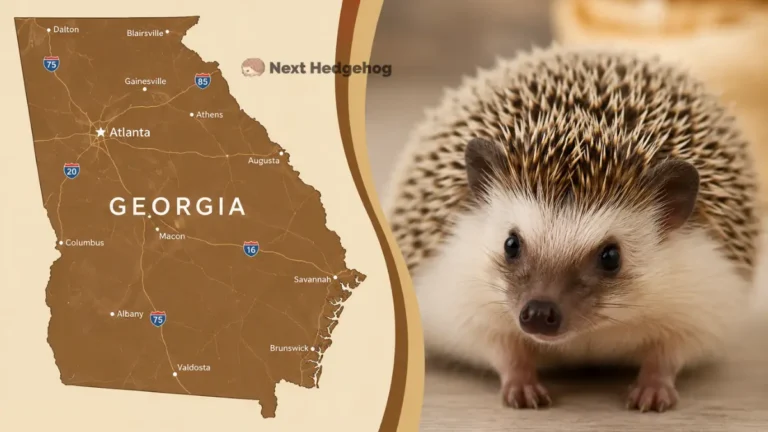
Several states do not permit owning hedgehogs as pets. California, Georgia, and Pennsylvania ban hedgehogs entirely. Hawaii also prohibits them due to concerns about local wildlife. Washington, D.C. has similar restrictions. These bans often protect native ecosystems from potential threats posed by exotic pets.
States With Permit Requirements
Some states allow hedgehogs but require permits. In New York, owning a hedgehog needs state approval. Oregon also requires a permit for hedgehog ownership. Permit rules vary by state and may involve fees or inspections. These laws aim to regulate exotic pets and ensure proper care.
Neighboring State Rules
North Carolina’s neighbors have mixed laws. South Carolina allows hedgehogs without permits, similar to North Carolina. Virginia permits hedgehogs but with local restrictions in some areas. Tennessee does not ban hedgehogs but may have local rules. Understanding neighboring states’ laws helps avoid legal issues when traveling or moving.
Finding Veterinary Care In North Carolina
Finding reliable veterinary care is crucial for hedgehog owners in North Carolina. Hedgehogs have unique health needs that require specialized knowledge. Choosing the right vet ensures your pet gets the best care. It helps prevent and address health issues quickly.
North Carolina has veterinarians experienced in treating exotic pets like hedgehogs. Access to emergency care is also essential for unexpected health problems. Regular preventive health visits can keep your hedgehog healthy and happy.
Exotic Pet Vets
Exotic pet veterinarians have training in animals like hedgehogs. They understand their diet, behavior, and common illnesses. Many clinics in North Carolina offer exotic pet services. Call ahead to confirm they treat hedgehogs. This ensures your pet gets expert care from the start.
Emergency Care Options
Emergencies can happen anytime. Knowing emergency clinics with exotic pet experience helps. Some regular animal hospitals also treat hedgehogs in emergencies. Make a list of nearby emergency vets before an urgent need arises. This preparation can save your pet’s life.
Preventive Health
Regular check-ups prevent many health problems in hedgehogs. Vaccines are not usually required, but wellness exams are important. Your vet will check for parasites and dental health. Early detection of illness increases treatment success. A healthy diet and clean habitat also support good health.
Frequently Asked Questions
Does Petsmart Or Petco Sell Hedgehogs?
PetSmart and Petco generally do not sell hedgehogs. Smaller, independent pet stores often carry them instead.
What Exotic Pets Are Legal In Nc?
North Carolina allows ownership of exotic pets like hedgehogs without a state permit. Check local laws, HOA, or lease restrictions first.
How Much Do Hedgehogs Cost?
Hedgehogs typically cost between $100 and $300, depending on breed and source. Additional expenses include supplies and vet care.
Do I Need A License To Own A Hedgehog?
You do not need a license to own a hedgehog in North Carolina. Check local laws and HOA rules for restrictions before getting one.
Conclusion
Hedgehogs are legal to own in North Carolina without a state permit. Check local city or county rules before bringing one home. Rental or HOA agreements might have their own restrictions. Owning a hedgehog can be a fun and unique experience if you follow the rules.
Always research and prepare properly to provide a safe home for your pet. Stay informed to enjoy hedgehog ownership responsibly in North Carolina.