Do Hedgehogs Eat Their Babies? Shocking Truth Revealed!
Are you worried about your pet hedgehog harming her babies? It’s a question many new hedgehog owners ask: Do hedgehogs eat their babies?
While it may sound shocking, sometimes mother hedgehogs do eat their young. This behavior can leave you feeling confused and concerned about how to protect those tiny, vulnerable hoglets. But why does this happen, and what can you do to prevent it?
Keep reading to uncover the reasons behind this surprising behavior and learn practical tips to keep your hedgehog family safe and healthy. Your peace of mind and your babies’ well-being depend on understanding this delicate situation.

Credit: www.shutterstock.com
Hedgehog Maternal Behavior
Hedgehog maternal behavior is quite protective and careful. Mothers show strong care for their newborns, called hoglets. They build cozy nests and keep their young close. This behavior helps hoglets survive their early days.
Normal Care For Hoglets
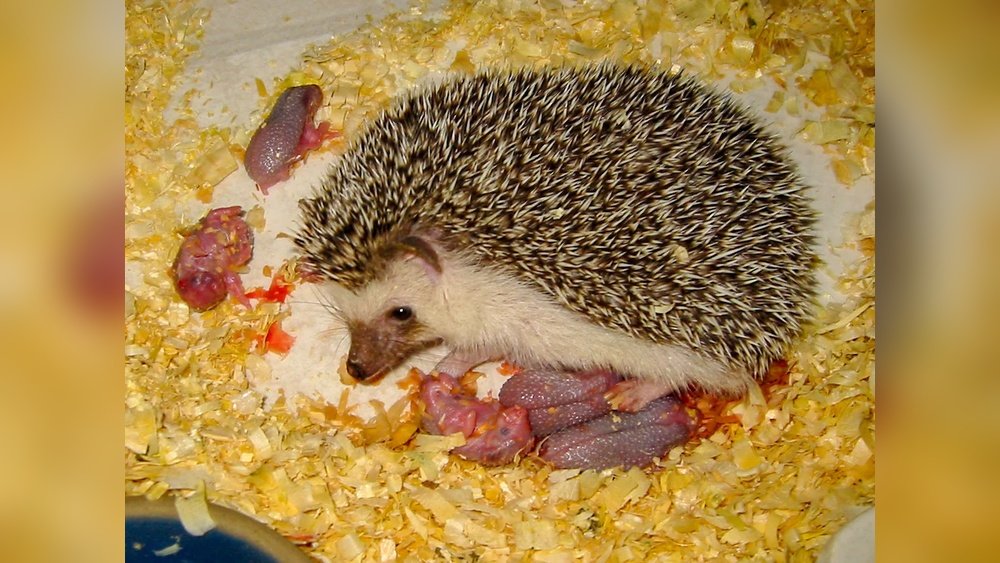
Mother hedgehogs nurse their babies often. Hoglets stay in the nest or beside their mother. The mother keeps them warm and clean. She uses her nose to move them gently. Feeding happens every few hours, day and night.
The mother also teaches the hoglets to be safe. She keeps the nest quiet and hidden. Hoglets learn to curl up when scared. This care is natural and important for their growth.
Mother’s Protective Instincts
Mothers protect their young from danger. They become alert to any noise or movement nearby. If the mother feels scared, she may hide her babies deeper in the nest. Sometimes, she will hiss or roll into a ball to defend them.
This strong instinct helps keep the hoglets safe. The mother stays close and watches over them. Her protective behavior shows her role is to nurture and guard her litter.
Reasons Mothers Eat Babies
Mother hedgehogs may eat their babies for several natural reasons. This behavior often puzzles pet owners and wildlife watchers. Understanding why it happens helps in caring for these small animals properly.
Hedgehog mothers act on instincts to protect their survival and that of their strongest offspring. Some triggers push them to make tough decisions about their young ones. These reasons include stress, the presence of humans, illness in babies, and lack of resources.
Stress And Fear Triggers
Hedgehog mothers get easily stressed by loud noises or sudden movements. Bright lights or crowded spaces cause panic. Stress makes the mother feel threatened, leading her to eat her babies to protect herself.
Impact Of Human Scent
Touching the babies leaves a strange smell on them. Mothers may see this scent as a threat. This confusion can cause her to reject or eat her young. Avoid handling newborn hedgehogs to prevent this.
Illness Or Weakness In Babies
Mothers sense if a baby is sick or weak. They may eat weaker babies to save energy for healthier ones. This instinct helps the strongest survive in the wild. It is a natural survival mechanism.
Resource Scarcity
A lack of food or water makes caring for many babies hard. When resources are low, the mother may reduce the number of offspring. Eating some babies helps her focus on those she can support.
Signs Of Cannibalistic Behavior
Mother hedgehogs sometimes eat their babies. This behavior is often due to stress or fear. Identifying signs early can help protect the young ones. Knowing what to watch for is important for any hedgehog owner or caretaker.
Signs usually show in the mother’s behavior and the condition of the babies. Careful observation is needed to spot these warning signals. Recognizing these signs helps prevent harm to the hoglets.
Behavioral Changes In Mother
A mother who starts acting restless or aggressive may be stressed. She might pace, make unusual noises, or appear anxious. Sometimes, she will avoid her babies or refuse to nurse them. Sudden changes in her care routine are a red flag.
Watch for excessive grooming or biting near the babies. These actions can lead to injury or death of the hoglets. The mother may also move the babies around more than usual, which can stress them.
Identifying At-risk Hoglets
Babies that seem weak or sick are more at risk. They may cry frequently or show little movement. Some may have visible defects or appear smaller than their siblings. These hoglets often receive less care from the mother.
Keep an eye on babies that are separated from the group. Isolation can be a sign that the mother rejects them. Early intervention might save these vulnerable hoglets from harm.

Credit: www.warrenphotographic.co.uk
Preventing Baby Hedghog Cannibalism
Preventing baby hedgehog cannibalism is crucial for their survival. Mothers may eat their babies due to stress or fear. Creating the right environment helps keep both mother and babies safe.
Small changes in care reduce the risk of harm. Focus on calm surroundings, privacy, and good nutrition. These steps encourage a healthy bond between mother and her hoglets.
Minimizing Stress Factors
Stress causes mothers to panic and harm their babies. Avoid loud noises or sudden movements near the nest. Keep children and pets away to reduce disturbances.
Handle the mother and babies only when necessary. Limit visits to the nest to brief visual checks. Less interference means less stress and safer babies.
Maintaining A Quiet Environment
Place the hedgehog’s cage in a quiet room. Avoid busy areas with constant noise or activity. Soft lighting helps the mother feel calm and secure.
A peaceful setting reduces fear and promotes natural behaviors. Quiet surroundings encourage the mother to care for her young properly.
Ensuring Privacy For The Mother
Provide a nesting box or hideaway for the mother. This gives her a private space to feel safe. Do not remove or move the nest once it is set up.
Privacy lowers anxiety and helps the mother bond with her babies. Respect her space and avoid frequent checks on the litter.
Providing Adequate Nutrition And Water
Feed the mother a balanced diet rich in protein and nutrients. Fresh water should always be available nearby. Good nutrition supports milk production and strength.
Hunger or dehydration can trigger cannibalistic behavior. Meeting the mother’s needs helps her care for all her babies well.
Care Tips For Pregnant And New Mothers
Pregnant and new mother hedgehogs need special care to stay healthy. Proper care lowers stress and helps babies grow strong. Creating the right environment and routine is key. Follow these tips to support your hedgehog mom and her babies.
Optimal Cage Setup
Choose a quiet and calm area for the cage. Use soft bedding to make a warm nest. Avoid bright lights and loud sounds near the cage. Give the mother enough space to move freely. Add hiding spots for privacy and comfort. Check the cage daily, but do not disturb the nest.
Dietary Recommendations
Feed the mother high-quality food rich in protein. Fresh insects like mealworms or crickets are good choices. Provide fresh water at all times. Avoid sudden changes in diet to prevent stress. Give vitamins or supplements only if a vet suggests. Keep food dishes clean to avoid bacteria.
Handling Guidelines
Limit handling of the mother and babies during the first two weeks. Touching can cause stress and lead to rejection. Watch from a distance to ensure they are safe. Wash hands well before and after any contact. Handle the mother gently and only when necessary. Let the mother bond with her babies without interruption.

Credit: www.hedgehogstreet.org
Common Myths About Hedgehogs And Cannibalism
Many myths surround hedgehogs and their behavior toward their babies. One common belief is that hedgehogs often eat their young. This idea worries many new hedgehog owners and fans. Understanding the truth helps clear up confusion and fear. It also helps in caring for these animals properly.
Separating Fact From Fiction
Hedgehogs sometimes eat their babies, but it is not common. This usually happens only if the mother feels scared or stressed. Noise, bright lights, or too much handling can frighten her. The mother may also eat a baby if it is sick or weak. This behavior is a survival instinct, not cruelty. Most hedgehog mothers care well for their young.
Many times, stories about cannibalism are exaggerated or misunderstood. A mother may abandon her babies, which some confuse with eating them. Stress and poor environment often cause this behavior. Giving the mother a quiet, safe space reduces these risks. Understanding these facts helps owners provide better care.
What Social Media Shows Vs Reality
Social media often shows dramatic videos or images of animals. Some posts suggest hedgehogs frequently eat their babies. These posts catch attention but may not show the full story. Many videos are taken out of context or edited for shock value. This can create false impressions about hedgehog behavior.
Real-life hedgehog care is different. Most mothers protect and feed their young carefully. Responsible owners and breeders share honest experiences. They report that cannibalism is rare and avoidable. Learning from trusted sources gives a clearer picture. Do not rely on viral posts alone for information.
Frequently Asked Questions
Which Animals Eat Their Babies After Birth?
Some animals like hedgehogs, rodents, and certain fish eat their babies due to stress, sickness, or lack of resources.
Can Hedgehogs Be Cannibalistic?
Yes, mother hedgehogs sometimes eat their babies due to stress, fear, illness, or lack of resources. Avoid disturbing the nest.
How Do Hedgehogs Treat Their Babies?
Hedgehog mothers nurse and protect their babies, keeping them in a quiet nest. Stress or disturbance may cause harm or cannibalism.
How Long Are Hedgehogs Pregnant?
Hedgehogs are pregnant for about 35 to 58 days, depending on the species. Most commonly, gestation lasts around 40 days.
Conclusion
Mother hedgehogs may eat their babies when scared or stressed. This behavior helps them protect their survival chances. Avoid disturbing a new mother or her nest. Keep the environment quiet, dark, and safe. Provide enough food and water to reduce stress.
Remember, this is natural, not cruelty. Respect the mother’s space for healthy baby growth. Caring gently can help prevent harm to the little ones. Understanding this behavior helps you support hedgehogs better.