Do Hedgehogs Lay Eggs? Uncover the Truth Now!
Have you ever wondered if hedgehogs lay eggs like some other small creatures? It’s a question that sparks curiosity because these spiky little animals look so unique.
If you’ve found yourself asking, “Do hedgehogs lay eggs? ” you’re not alone. The answer might surprise you and even change the way you think about these fascinating animals. You’ll discover how hedgehogs bring new life into the world, what makes their babies special, and how their reproduction differs from other egg-laying creatures.
Keep reading to uncover the truth about hedgehogs and their little hoglets—you won’t want to miss these fascinating facts!
Hedgehog Biology
Hedgehogs are small, spiny mammals known for their unique appearance and behaviors. Understanding their biology helps clear up common questions about them. One such question is whether hedgehogs lay eggs or give birth to live young.
Hedgehogs belong to the mammal class, which means they have specific biological traits. These traits include warm-bloodedness, fur, and the ability to nurse their babies with milk. Their physical features also play a role in their survival and lifestyle.
Mammal Characteristics
Hedgehogs share key traits with other mammals. They have fur covering most of their bodies. They are warm-blooded, keeping a steady internal temperature. Female hedgehogs give birth to live young, not eggs. The babies, called hoglets, rely on their mother’s milk. Hedgehogs breathe air through lungs and have a backbone. These features define them as mammals and separate them from egg-laying animals.
Physical Features
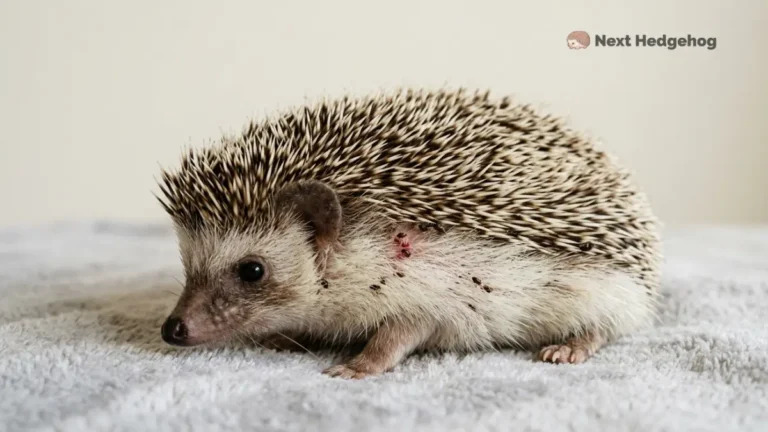
Hedgehogs have a coat of sharp spines on their backs. These spines protect them from predators. Their faces and undersides are covered with soft fur. Hedgehogs have small eyes and ears suited for their nocturnal lifestyle. Their legs are short but strong, helping them dig and forage. The spines are modified hairs made of keratin, the same material as human nails. These physical traits help hedgehogs survive in the wild and stay safe from harm.

Credit: www.change.org
Reproduction Methods
Hedgehogs reproduce through live birth, not by laying eggs. This reproductive method is typical for mammals. Female hedgehogs carry their young inside their bodies until birth. The process ensures the young are protected during development. After birth, the mother cares for her offspring by feeding and protecting them. Understanding their reproduction helps clarify many questions about these small creatures.
Live Birth Process
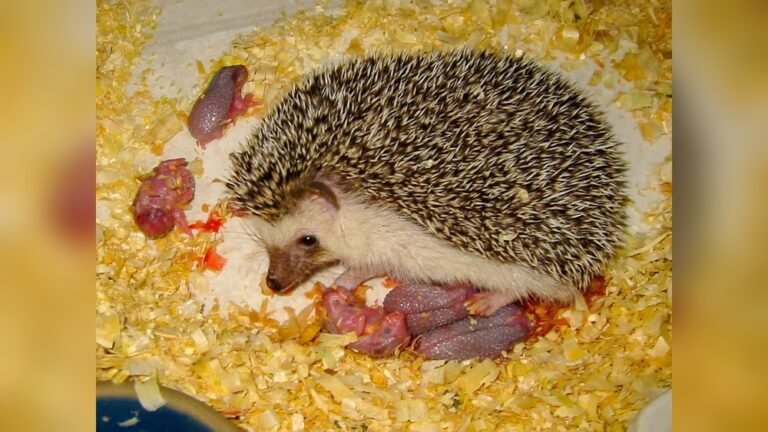
Female hedgehogs give birth to live young called hoglets. The mother finds a safe, hidden place for delivery. Hoglets are born blind and deaf, relying fully on their mother. Their spines are soft at birth but harden quickly. The birthing process usually lasts a few hours. The mother cleans each hoglet and keeps them warm.
Litter Size And Frequency
A typical litter contains four to five hoglets. Some litters may have as few as one or as many as seven babies. Hedgehogs can give birth once or twice per year. Breeding often happens in spring and summer months. The mother nurses her young for several weeks. After nursing, hoglets learn to eat solid food and explore.
Hedgehog Babies
Hedgehog babies are called hoglets. They are born alive, not from eggs. Mother hedgehogs give birth to tiny, helpless hoglets. These little creatures need care to grow strong and healthy.
Hoglets begin life blind and deaf. Their spines are soft and white at birth. Over time, these spines harden and darken. Hoglets rely on their mother for warmth and food during early days.
Hoglet Development
Hoglets grow quickly in the first few weeks. Their eyes open after about two weeks. They start to explore outside the nest soon after. Spines become sharper as they develop. By three to four weeks, hoglets begin eating solid food.
Nursing And Care
Mother hedgehogs nurse their babies with milk. Nursing lasts for about four to six weeks. During this time, hoglets stay close to their mother. She keeps them safe and warm. After nursing, hoglets learn to find food on their own.
Egg-laying Myths
Egg-laying myths about hedgehogs confuse many animal lovers. These myths create wrong ideas about how hedgehogs reproduce. Clearing up these myths helps people understand hedgehogs better. Hedgehogs are often mistaken for egg-laying creatures, but the truth is different.
Common Misconceptions
Many people think hedgehogs lay eggs like birds or reptiles. This idea comes from their small size and unique appearance. Some believe they hide eggs in nests, but hedgehogs actually give birth to live young. Another misconception is that their spiny bodies mean they lay eggs to protect offspring. This is not true. Hedgehogs are mammals, so they nurse their babies with milk.
Comparison With Egg-laying Mammals
Only a few mammals lay eggs, such as the platypus and echidna. These are called monotremes and are very rare. Hedgehogs are not monotremes; they belong to a different group called placental mammals. Unlike echidnas, hedgehogs do not lay eggs. They give birth to live young that develop inside the mother. This key difference helps separate hedgehogs from egg-laying mammals.
Egg-laying Mammals
Mammals are known for giving birth to live young. Almost all mammals follow this rule. But a few unique mammals lay eggs instead. These special creatures belong to a group called monotremes. They are rare and live mostly in Australia and New Guinea. Understanding these egg-laying mammals helps clear up confusion about animals like hedgehogs.
Echidnas
Echidnas are egg-laying mammals often called spiny anteaters. They have sharp spines like hedgehogs but are very different. Female echidnas lay a single leathery egg. She carries it in a pouch for about ten days. After hatching, the baby echidna stays in the pouch. It feeds on milk until it grows spines and can survive outside.
Platypus
The platypus is another egg-laying mammal with a unique look. It has a bill like a duck and webbed feet. Female platypuses lay two eggs at a time. They keep the eggs warm by curling their bodies around them. After the eggs hatch, the mother feeds her babies with milk. Platypuses do not have nipples, so the milk oozes through the skin for the babies to lap up.
Hedgehog Behavior
Hedgehogs show many interesting behaviors that help them survive and thrive. They are small mammals known for their spiky coats and gentle nature. Understanding their behavior helps clear up common myths, like whether they lay eggs.
Hedgehogs are mostly active at night. They spend their nights searching for food, exploring, and avoiding danger. Their quiet and shy nature makes them fascinating to watch during nighttime.
Nocturnal Activities
Hedgehogs are nocturnal animals. They sleep during the day and wake up as the sun sets. At night, they roam around looking for insects, worms, and small creatures to eat. Their sense of smell and hearing guide them in the dark. They use their sharp claws to dig for food in the soil. Hedgehogs also use the night to find mates and build nests.
Communication Sounds
Hedgehogs communicate with soft sounds. They grunt, snuffle, and sometimes squeal. These noises help them talk to each other, especially during mating season. When threatened, they can hiss or click their teeth to scare predators. Baby hedgehogs, called hoglets, make quiet noises to call their mother. Listening to these sounds reveals a lot about their mood and safety.
Hedgehog Care Tips
Taking good care of hedgehogs requires knowing their basic needs. Proper care helps them stay healthy and happy. Understanding feeding and habitat needs is essential for every hedgehog owner.
Feeding
Hedgehogs eat mainly insects and small animals. High-quality hedgehog food or cat food works well. Fresh fruits and vegetables can be offered in small amounts. Avoid giving sugary or salty snacks. Always provide fresh water in a shallow dish.
Habitat Needs
Hedgehogs need a quiet, safe space to live. A cage with plenty of room and good ventilation is ideal. Use soft bedding like shredded paper or cloth. Keep the habitat clean and dry to prevent illness. Provide hiding spots for comfort and security.

Credit: www.change.org

Credit: www.youtube.com
Frequently Asked Questions
Do Hedgehogs Give Birth Or Lay Eggs?
Hedgehogs give birth to live young called hoglets. They do not lay eggs. Hoglets nurse milk from their mother.
What Five Mammals Lay Eggs?
The five egg-laying mammals are the platypus and four species of echidnas. They are monotremes.
Why Do Hedgehogs Scream At Night?
Hedgehogs scream at night mainly to communicate danger or attract mates. They may also vocalize due to stress or pain.
What States Are Illegal To Own Hedgehogs?
Owning hedgehogs is illegal in California, Georgia, Hawaii, Pennsylvania, Washington, D. C. , and New York City. Check local laws before purchase.
Conclusion
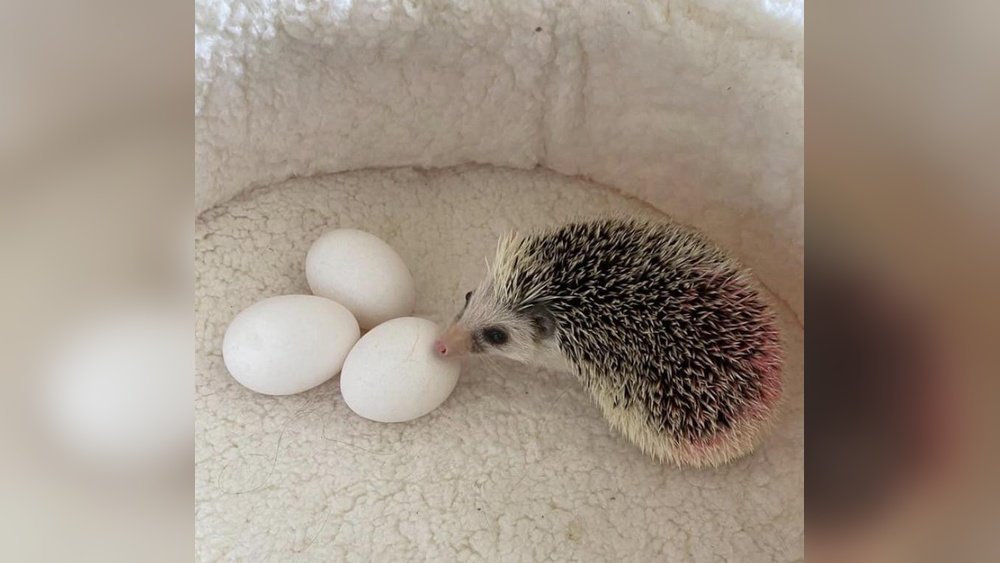
Hedgehogs do not lay eggs. They are mammals and give birth to live young. Their babies, called hoglets, nurse from their mother’s milk. A typical litter has about four to five hoglets. Hedgehogs usually have babies in summer, but sometimes earlier or later.
Knowing this helps us understand these small creatures better. Their way of life is different from animals that lay eggs. This fact makes hedgehogs unique and interesting to learn about.