Can Hedgehogs Swim: Surprising Facts You Need to Know
Have you ever wondered if hedgehogs can swim? It’s a surprising question because these little creatures look more like land wanderers than water lovers.
But the truth might just amaze you. Imagine your garden hedgehog paddling across a pond or crossing a small stream, using its unique body to stay afloat. Understanding how and why hedgehogs swim can help you keep them safe—especially if you have water features around your home.
Stick around to discover fascinating facts about hedgehogs and swimming, the risks they face in water, and simple ways you can protect these charming animals. Your curiosity will be rewarded with insights that every hedgehog lover should know!
Hedgehog Swimming Ability
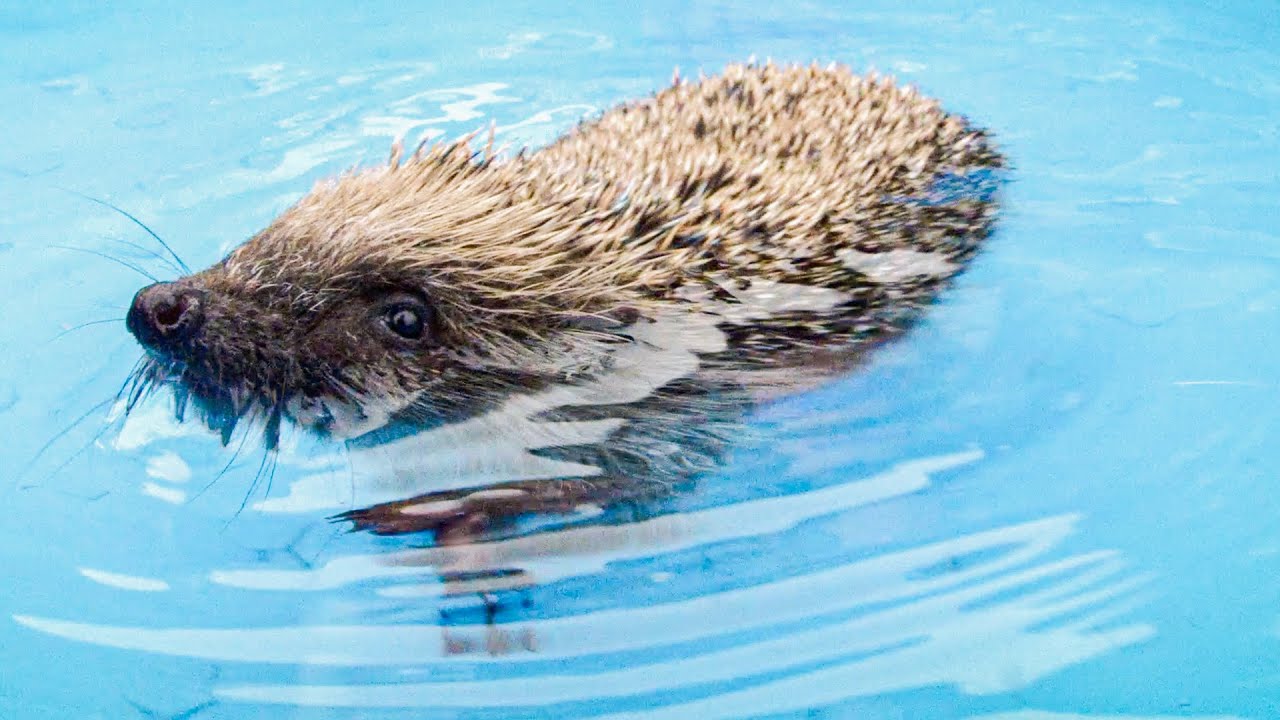
Hedgehogs can swim naturally. Their bodies help them stay afloat in water. They do not swim often but can manage when needed. Swimming helps them cross small streams or escape danger. Despite this skill, swimming can tire them quickly.
Knowing how hedgehogs swim shows how they survive in the wild. Their unique features support their movement in water. Understanding their swimming helps protect them around pools or ponds.
Natural Buoyancy And Floatation
Hedgehogs have hollow spines filled with air. These spines act like tiny lifejackets. The air inside helps them float easily on water. Their small size adds to their buoyancy. This natural floatation keeps them above water while swimming.
Swimming Techniques
Hedgehogs use a paddling motion with their legs. They move all four legs in a coordinated way. Their heads stay above water to breathe. They swim slowly but steadily to avoid exhaustion. Their legs do not have webbing, so swimming is effortful.
Distance And Endurance
Hedgehogs can swim short to moderate distances. They may cross ponds or narrow streams up to half a mile. Swimming takes a lot of energy for them. They tire fast and need to find a way out quickly. Without an easy exit, they risk drowning.

Credit: www.reddit.com
Risks Of Swimming For Hedgehogs
Swimming can be dangerous for hedgehogs despite their ability to paddle in water. Their bodies are not built for long or difficult swims. Water hazards in gardens or parks can quickly turn risky. Understanding these risks helps protect these small creatures from harm.
Exhaustion And Drowning Dangers
Hedgehogs tire quickly while swimming. Their small legs do not support long distances. Exhaustion can cause them to sink. Drowning is a real threat if they cannot reach safety fast. Even calm water can become dangerous without an easy exit.
Challenges With Pool And Pond Edges
Steep or smooth edges pose big problems. Hedgehogs struggle to climb slippery or vertical walls. Many cannot escape concrete or plastic pool sides. Ponds without gentle slopes trap them inside. This increases the risk of drowning or injury.
Health Concerns From Water Exposure
Wet fur and skin can cause health issues. Prolonged dampness leads to hypothermia in cool weather. Water may carry bacteria or chemicals harmful to hedgehogs. Infections and skin problems can develop after swimming. Drying and warming them quickly is essential.
Safety Measures For Hedgehogs
Hedgehogs can swim, but safety around water is crucial. Many hedgehogs enjoy paddling, but they can tire quickly. Without easy ways to exit, water features become dangerous traps. Garden ponds and pools need thoughtful design to protect these small creatures. Taking simple safety steps helps prevent accidental drowning. It also creates a welcoming outdoor space for hedgehogs to explore safely.
Creating Safe Garden Ponds
Garden ponds should have shallow edges for easy access. Avoid steep, smooth sides that hedgehogs cannot climb. Add stones or plants around the pond’s edge to provide grip. Keep water clean and fresh to encourage safe drinking spots. A pond with gradual slopes reduces the risk of drowning.
Installing Ramps And Exit Points
Ramps help hedgehogs climb out if they fall in. Use wood or sturdy plastic for building ramps. Place ramps in ponds and pools where hedgehogs visit. Sloped bricks or rough-surfaced boards work well too. Check ramps regularly to ensure they are secure and clean.
Monitoring Hedgehogs Around Water
Watch hedgehogs near water features, especially at night. Look for signs of struggle or exhaustion in the water. Remove any hazards like nets or deep containers. Keep pets away from hedgehog areas to prevent stress or injury. Regular monitoring can save lives and keep hedgehogs safe.
Credit: www.youtube.com
Hedgehogs And Water Preferences
Hedgehogs have unique relationships with water. Their natural habitats often include ponds, streams, or damp areas. They can swim well despite their small size and spiky appearance.
Water offers both opportunities and risks for hedgehogs. Understanding their preferences helps protect them in the wild and at home.
Do Hedgehogs Like Being In Water?
Most hedgehogs do not enjoy being in water for long. They may enter shallow water to cool off or find food. Swimming is a survival skill rather than a fun activity for them.
They prefer dry, sheltered spots to rest and hide. Water can be stressful if it is deep or cold. Hedgehogs usually avoid swimming unless necessary.
Behavioral Responses To Swimming
Hedgehogs swim by paddling with their legs and using their spines for buoyancy. Their quills trap air, helping them float like tiny lifejackets.
They can swim for short distances but tire quickly. Exhaustion is a real danger in deep water with no easy exit. Hedgehogs show signs of stress, such as frantic paddling and attempts to climb out.
Providing ramps or gentle slopes in ponds or pools helps hedgehogs exit safely. Observing their behavior near water can guide better care and habitat design.
Hedgehogs In The Wild And Swimming
Hedgehogs live in many wild places where water is nearby. Their interaction with water is important for survival. Many people wonder if wild hedgehogs can swim. The truth is, swimming is part of their natural behavior in some habitats.
Wild hedgehogs often face wet environments. They must swim sometimes to cross streams or escape predators. Understanding their swimming habits reveals how they adapt to nature’s challenges.
Natural Habitats Involving Water
Hedgehogs live in forests, grasslands, and even wetlands. Some places have rivers, ponds, or marshes nearby. These water bodies become part of their daily life. Hedgehogs often need to cross water to find food or shelter.
Wet areas offer many insects and small creatures for hedgehogs to eat. They also provide hiding spots from danger. Hedgehogs may enter shallow water to reach these feeding grounds. Their spines help keep them afloat while they swim.
Swimming As A Survival Skill
Swimming helps wild hedgehogs avoid predators. If chased, they can dive into water and swim to safety. Their quills trap air, giving them extra buoyancy. This natural life jacket keeps them afloat during swims.
Wild hedgehogs can swim for short distances, but they tire quickly. Swimming is not easy for them, so they use it only when needed. They look for shallow areas to enter and exit the water safely. Without a way out, they risk drowning.

Credit: www.reddit.com
Swimming And Hedgehog Care
Swimming plays a surprising role in hedgehog care. Hedgehogs can swim naturally, but their safety is crucial. Understanding how to prepare them and avoid health risks helps protect these small creatures.
Preparing Pet Hedgehogs For Water
Introduce water slowly and gently to pet hedgehogs. Use shallow, warm water in a small container. Always supervise closely to prevent panic or exhaustion. Avoid forcing hedgehogs into water. Let them explore at their own pace. Dry them carefully after swimming to keep them warm.
Rescue And Rehabilitation Stories
Wild hedgehogs sometimes need rescue after accidental swims. Rescuers often find hedgehogs stuck in deep water or pools. Rehabilitation centers clean and dry them, then provide warmth and food. Many hedgehogs recover fully and return to the wild. These stories show the importance of care and vigilance.
Preventing Respiratory Infections
Wet hedgehogs risk respiratory infections if not dried properly. Keep them in a warm, dry place after swimming or baths. Avoid cold drafts and damp bedding. Regular health checks can catch infections early. Clean water bowls and baths prevent bacteria buildup. Healthy care helps hedgehogs stay strong and comfortable.
Frequently Asked Questions
Do Hedgehogs Like Being In Water?
Hedgehogs can swim and float due to air in their spines, but they dislike water and tire quickly. Avoid deep water without exits.
Can A Cat Hurt A Hedgehog?
Yes, a cat can hurt a hedgehog by biting or scratching. Hedgehogs use spines for protection but are vulnerable to aggressive cats.
Is There Any Animal That Cannot Swim?
Most animals can swim, but some, like sloths and certain primates, struggle or avoid swimming.
Why Can’t Sonic Swim?
Sonic can’t swim because water slows his speed, making him vulnerable. His character design focuses on running, not swimming abilities.
Conclusion
Hedgehogs can swim, thanks to their buoyant spines. They use all four legs to paddle through water. Still, swimming tires them quickly, so they need easy exits. Garden ponds with steep sides can trap them. Providing ramps or gentle slopes helps keep hedgehogs safe.
Knowing this helps protect these small creatures. Swimming is natural but also risky for hedgehogs. Taking simple steps can save their lives. Keep your outdoor spaces hedgehog-friendly and safe.