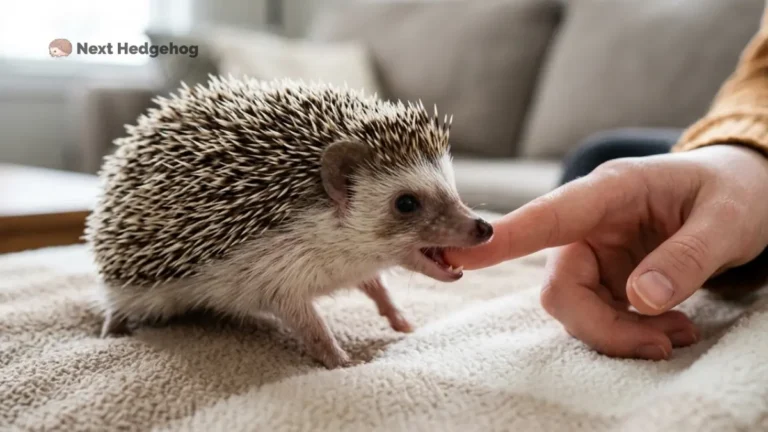
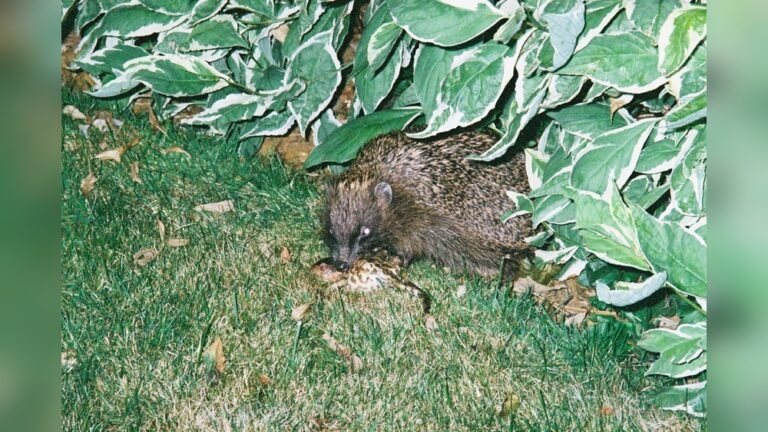
Do Hedgehogs Have Hair: Surprising Facts You Must Know
Have you ever wondered what makes a hedgehog’s back so prickly? You might think those sharp spines are something completely different from hair, but the truth might surprise you.
If you’re curious about whether hedgehogs have hair and what those spines really are, you’re in the right place. Understanding this can change the way you see these fascinating little creatures and help you appreciate their unique biology even more.
Keep reading, and you’ll discover some amazing facts about hedgehogs’ hair, how their spines work, and why they’re so important for their survival. Ready to uncover the truth? Let’s dive in!

Credit: www.hedgehogstreet.org
Hedgehog Hair Basics
Hedgehogs have unique hair that serves different purposes. Their bodies feature two main types of hair: soft fur and stiff spines. These hairs protect and cover the hedgehog in various ways. Understanding the basics of hedgehog hair helps us appreciate these small creatures better.
Types Of Hair On Hedgehogs
Hedgehogs have two distinct hair types. One type is soft fur found on their face and belly. The other type is spines covering their back. Both types are made of keratin, the same material as human hair and nails. These spines are not just hairs but specially hardened ones.
Composition Of Spines
Spines are modified hairs made from keratin. Each spine is hollow inside, which makes it light yet strong. The spines grow in clusters and help protect hedgehogs from predators. When threatened, hedgehogs curl into a ball, showing their spines outward as a shield.
Soft Fur Areas
Soft fur covers hedgehogs’ face, legs, chest, and belly. This fur is coarse and helps keep them warm. Unlike spines, this soft hair is flexible and sensitive. It allows hedgehogs to feel their environment and move comfortably.
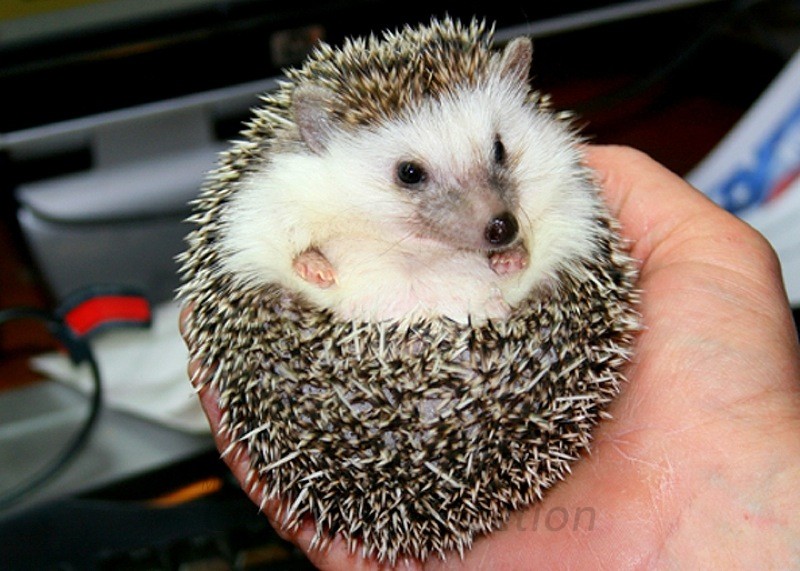
Credit: blog.critterconnection.cc
How Spines Develop
Hedgehog spines develop differently from regular animal hair. These spines grow from follicles, like hair, but they are thicker and stronger. Each spine starts as a soft hair and hardens over time. This process helps protect the hedgehog from predators. The spines form a dense covering on their back and sides. Their growth and renewal follow a unique cycle.
Growth And Shedding Cycle
Hedgehog spines grow continuously but at a slow pace. After growing to full length, old spines fall out. New spines replace them to keep the hedgehog protected. This shedding usually happens once or twice a year. During this time, the hedgehog may look patchy. The cycle is natural and keeps the spines healthy.
Differences Between Spines And Fur
Spines are not the same as normal fur. They are hollow in the center, making them lighter and stronger. Fur is soft and flexible, while spines are rigid and sharp. Spines provide defense, but fur helps with warmth. Hedgehogs have soft fur on their face and belly, but spines cover their back.
Keratin’s Role
Keratin is the key protein in hedgehog spines. It forms the hard outer layer that makes spines tough. This protein is also found in human hair and nails. Keratin gives spines their stiffness and durability. It protects the hedgehog by making spines resistant to damage.
Spine Functions
Hedgehog spines serve many important roles beyond just their appearance. These sharp, stiff structures are actually modified hairs made of keratin. They support the hedgehog’s survival in the wild. Understanding spine functions reveals how hedgehogs protect themselves and sense the environment.
Defense Mechanisms
Hedgehogs use their spines as a primary defense. When threatened, they curl into a tight ball. This action exposes only the sharp spines to predators. The spines deter attacks and make it hard for predators to bite or grab them.
The spines are strong and do not easily break. This toughness helps hedgehogs stay safe from many dangers. The defense mechanism is simple but very effective in avoiding harm.
Protection From Predators
Spines act as a physical shield against predators. They cover the hedgehog’s back and sides. Predators find it difficult to bite through or injure the spines. This protective layer reduces the risk of wounds and attacks.
Predators usually avoid hedgehogs because of the painful spines. This natural protection keeps hedgehogs safer in their natural habitats. It allows them to survive and reproduce despite many threats.
Sensory Roles
Hedgehog spines also have sensory functions. The base of each spine connects to nerves. These nerves help hedgehogs detect touch and vibrations. This sensitivity helps them respond to danger quickly.
Spines assist hedgehogs in feeling their surroundings. This is especially useful at night or in dense areas. The sensory feedback guides their movements and enhances survival.
Hedgehog Skin And Hair Health
Hedgehog skin and hair health plays a vital role in their well-being. Their spines are actually stiff hairs made of keratin. Beneath these spines, hedgehogs have soft fur covering their face, belly, and legs. Healthy skin and hair protect them from harm and keep pests away.
Maintaining good skin and hair health requires attention to their environment and diet. Stress, poor hygiene, or parasites can cause skin problems. Understanding common skin issues and proper care helps keep hedgehogs happy and comfortable.
Common Skin Conditions
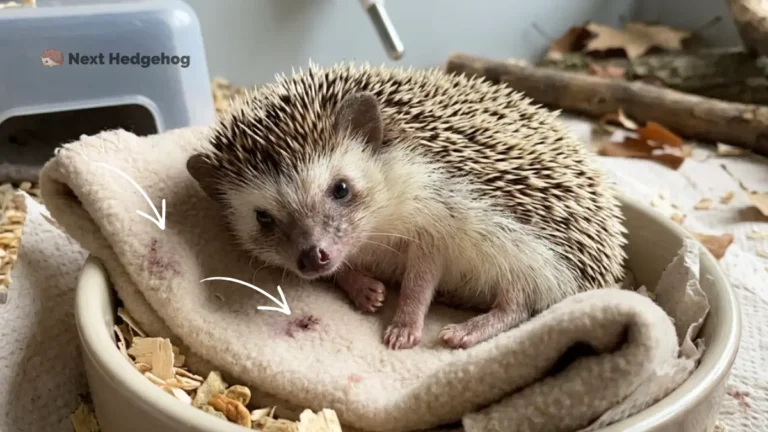
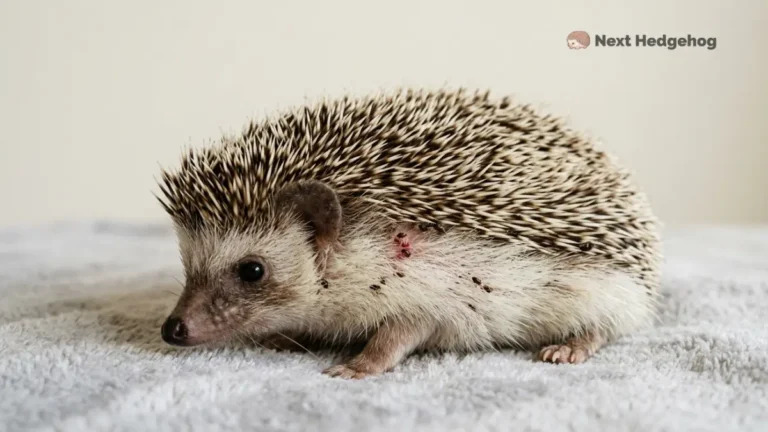
Hedgehogs often suffer from mites that cause itching and hair loss. Dry, flaky skin is another common problem, especially in dry climates. Fungal infections may lead to redness and scabs. These conditions need quick treatment to prevent worsening.
Allergies can also affect hedgehogs, causing skin irritation and discomfort. Watch for signs like excessive scratching or bald patches. Regular checks help catch problems early and avoid serious infections.
Caring For Hedgehog Hair
Gentle brushing removes loose quills and fur, helping skin breathe. Avoid harsh shampoos; use only hedgehog-safe products for bathing. Baths should be occasional to prevent drying out the skin.
Feeding a balanced diet rich in vitamins supports healthy hair growth. Omega fatty acids improve skin moisture and shine. Keep nails trimmed to avoid scratches that can damage hair and skin.
Effects Of Environment
Humidity and temperature greatly impact hedgehog skin health. Low humidity causes dryness and flaking, while too much moisture invites fungal growth. Maintain a comfortable, stable environment for your pet.
Dirty bedding or cages increase the risk of infections and parasites. Clean living areas regularly to reduce these dangers. Proper lighting and ventilation support healthy skin and hair condition.
Hedgehog Hair Compared To Other Animals
Hedgehogs have a unique type of hair that sets them apart from many animals. Their bodies are covered with spines, which are actually modified hairs. These spines help protect them from predators. Besides spines, hedgehogs also have soft fur on their faces and bellies. Comparing their hair to other animals reveals interesting similarities and differences.
Similarities With Porcupine Quills
Hedgehog spines are similar to porcupine quills in structure. Both are made of keratin, the same protein found in human hair and nails. These spines and quills grow from hair follicles but harden over time. They serve as defense tools by deterring predators. Unlike normal hair, they are stiff and sharp. Both animals can raise their spines or quills when threatened, making them look larger and more intimidating.
Differences From Regular Mammal Fur
Regular mammal fur is soft and flexible, unlike hedgehog spines. Fur helps keep animals warm and can be thick or thin depending on climate. Hedgehog spines do not provide warmth. Instead, they act mainly as armor. The fur on a hedgehog’s face and belly is soft and more like typical mammal fur. Hedgehog spines do not shed like regular hair but do fall out and regrow slowly. This difference helps hedgehogs stay protected throughout their lives.

Credit: louisvillezoo.org
Unique Hedgehog Hair Facts
Hedgehogs have a special kind of hair that makes them stand out. Their spines are not just sharp tools; they are actually modified hairs. These spines protect hedgehogs from predators. Besides spines, hedgehogs also have soft fur on their face, legs, and belly. This fur helps keep them warm and comfortable.
Many people think all hedgehog hair looks the same. The truth is, hedgehogs show many hair color variations and unique traits. Some hedgehogs have rare conditions that affect their hair color and health. Learning about these details helps us understand these small creatures better.
Albinism And Hair Color Variations
Albinism is a rare condition in hedgehogs that causes a lack of pigment. Albino hedgehogs usually have white spines and pink eyes. They often face challenges like poor eyesight and hearing problems. Apart from albinism, hedgehogs come in many colors like brown, gray, and even mixed shades. Their hair color depends on genetics and environment.
Why Baby Hedgehogs Don’t Hurt Mothers
Baby hedgehogs are born with soft spines. These spines harden after a few hours. This softness helps baby hedgehogs avoid hurting their mothers during birth. It also allows the mother to care for them without pain. As babies grow, their spines become sharp for protection.
Hair And Quill Myths
Many myths surround hedgehog spines and hair. One common myth is that hedgehogs can shoot their quills. This is false. Hedgehogs cannot shoot or throw their spines. Another myth says their spines are like porcupine quills, but hedgehog spines are shorter and not barbed. These spines fall out and regrow regularly, just like hair.
Handling Hedgehogs And Their Spines
Handling hedgehogs requires care because of their spines. These spines are sharp but not dangerous if handled correctly. Understanding how to approach and hold a hedgehog helps build trust and keeps both safe.
Hedgehogs have a unique way of protecting themselves. Their spines act like armor, but they do not shoot or detach easily. Learning the right way to handle them ensures a pleasant experience.
Are Hedgehogs Too Prickly To Hold?
Hedgehogs feel prickly due to their spines. These spines are stiff hairs made of keratin. They are not sharp like needles but can be uncomfortable to touch at first.
With gentle handling, their spines soften slightly. Many owners find holding hedgehogs becomes easier over time. The prickliness is part of their natural defense, not a threat.
Do Hedgehogs Like To Cuddle?
Hedgehogs have different personalities. Some enjoy close contact and gentle petting. Others prefer to explore alone and may avoid cuddling.
They are mostly shy animals. Patience helps them feel safe. When calm, some hedgehogs will snuggle quietly in your hands.
Safe Ways To Handle Hedgehogs
Always wash your hands before touching a hedgehog. This removes scents that might stress them. Approach slowly and speak softly to avoid startling.
Support their body fully with both hands. Avoid sudden movements to keep them calm. If they curl into a ball, wait patiently until they relax.
Use gloves if you are nervous about their spines. Over time, you can try bare hands. Respect their mood and never force interaction.
Frequently Asked Questions
Are Hedgehogs Sharp To Touch?
Yes, hedgehogs have sharp spines made of keratin. Their quills feel prickly but usually do not hurt if handled gently.
Are Hedgehogs Smelly Pets?
Hedgehogs have a mild, natural odor that is usually not strong or unpleasant. Proper hygiene and cage cleaning keep them smelling fresh.
Do Hedgehogs Cuddle Humans?
Some hedgehogs enjoy cuddling with humans, while others prefer exploring or keeping their distance.
Do Hedgehogs Cry Out?
Yes, hedgehogs can cry out. They make high-pitched squeals or grunts, especially when scared or distressed.
Conclusion
Hedgehogs do have hair, but it’s quite special. Their spines are actually stiff, modified hairs made of keratin. Soft fur covers their face, belly, and legs. These spines help protect them from danger. Knowing this makes hedgehogs even more interesting.
They are unique little creatures with a natural armor. Understanding their hair helps us appreciate their design. Hedgehogs remind us how nature adapts in many ways. Curious to learn more about them? Keep exploring their fascinating world!