Do Hedgehogs Have Fleas? Signs, Risks & Treatment Guide
Yes, hedgehogs can have fleas. It is one of the most common external parasite problems they face, especially in the wild or when they come into contact with other animals.
These tiny spiky creatures may look tough and self-protected, but their quills cannot stop fleas from settling into their skin. Fleas are small, fast, and very good at hiding, which makes them easy to miss until the problem becomes noticeable.
If you are a pet owner or just curious about hedgehogs, understanding this issue is important. Fleas can cause itching, stress, skin irritation, and even health problems if the infestation becomes severe. In some cases, they can also spread to other pets in the home.
In this article, you will learn how hedgehogs get fleas, how to spot them early, what risks they bring, and how to treat and prevent them safely.
Definition of Fleas
Fleas are very small, wingless insects that live by feeding on the blood of animals. They are external parasites, which means they stay on the outside of the body and survive by biting their host.
These insects have strong legs that allow them to jump long distances compared to their size. This helps them quickly move between animals and spread easily in different environments.
Fleas are commonly found on pets like cats and dogs, but they can also affect wildlife, including hedgehogs. Their bites often cause itching, irritation, and discomfort. In heavy infestations, they can lead to more serious health problems such as skin infections or weakness from blood loss.
Because they reproduce quickly and hide in bedding, fur, and surroundings, fleas can be difficult to fully eliminate once they spread.
Read Also: Do Hedgehogs Have Periods
Do Hedgehogs Really Have Fleas?
Yes, hedgehogs do have fleas, and it is actually quite common.
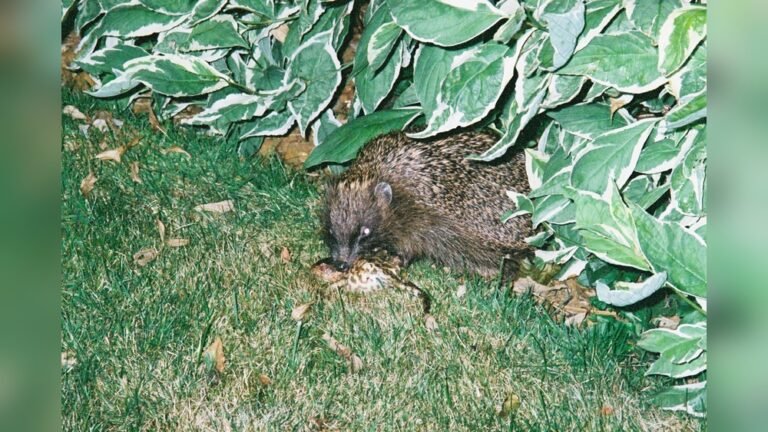
Wild hedgehogs are especially likely to carry fleas because they live outdoors, move through grass, leaves, and animal nests, and often come into contact with other infected animals. Even pet hedgehogs can get fleas if they are exposed to other pets, contaminated bedding, or outdoor environments.
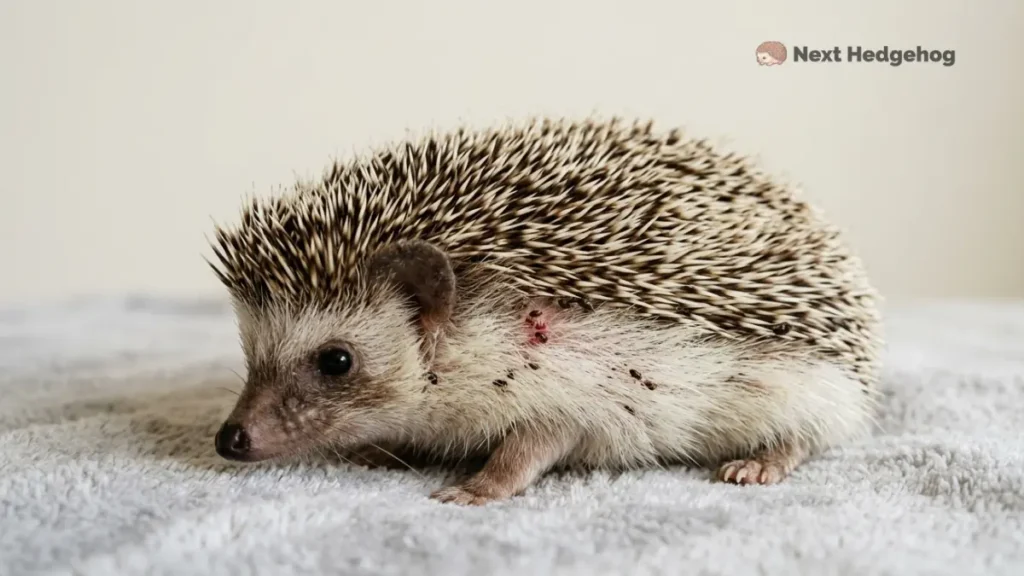
However, it is important to understand that hedgehogs usually carry a specific type of flea called the hedgehog flea. This flea is adapted to live on hedgehogs, but other common fleas from cats or dogs can also infect them.
Types of Fleas Found on Hedgehogs
Hedgehogs can carry more than one type of flea depending on their environment and contact with other animals. Some fleas are specific to hedgehogs, while others come from common household pets or wildlife.
Understanding the types helps in identifying the source of infestation and choosing the right treatment.
- Hedgehog flea (Archaeopsylla erinacei): This is the most common flea found on hedgehogs. It is specially adapted to live on them and is often seen in wild populations. It feeds on hedgehog blood and can cause heavy itching and irritation.
- Cat flea (Ctenocephalides felis): Despite the name, cat fleas are not limited to cats. They can also infect hedgehogs, especially pet hedgehogs that come into contact with other animals or contaminated environments. This is one of the most widespread flea species.
- Dog flea (Ctenocephalides canis): Dog fleas are less common than cat fleas but can still affect hedgehogs. They usually spread through shared spaces or contact with infected dogs.
- Rabbit and wild animal fleas: Hedgehogs that live outdoors may also pick up fleas from rabbits or other wild animals. These fleas are usually temporary but can still cause discomfort and irritation.
- Mixed infestations: In some cases, hedgehogs can carry more than one flea species at the same time. This makes symptoms worse and treatment more complicated if not handled early.
How Hedgehogs Get Fleas
Hedgehogs do not get fleas randomly. There are clear reasons behind how these tiny parasites find their way onto their bodies. Most cases come from environment, contact with other animals, or exposure to contaminated spaces. Understanding the sources helps in both prevention and early control.
Contact with Other Animals
Hedgehogs can get fleas through direct or indirect contact with infected animals. This includes cats, dogs, or even other wild hedgehogs. Fleas can easily jump from one host to another when animals are close to each other.
Outdoor Environments and Nesting Areas
Wild hedgehogs often pick up fleas from grass, soil, leaves, and abandoned nests. Flea eggs and larvae can survive in these areas, waiting for a host. When hedgehogs move through these environments, fleas attach quickly to their skin.
Shared Bedding and Indoor Contamination
Pet hedgehogs can get fleas from dirty bedding or cages that are not cleaned regularly. Fleas can hide in fabric, wood shavings, or corners of enclosures and later jump back onto the animal.
Contact with Other Pets in the Home
If a household has cats or dogs with fleas, hedgehogs can easily become secondary hosts. Fleas move between animals living in the same space, especially when they share sleeping or resting areas.
Stress or Weak Immunity Conditions
Although stress does not create fleas, it can make hedgehogs more vulnerable to infestations. A weak or stressed hedgehog may struggle more to resist parasites, allowing fleas to multiply faster once they are present.
Signs a Hedgehog Has Fleas
Fleas are small and fast, so they are not always easy to see directly on a hedgehog. In many cases, the first warning comes from changes in behavior, skin condition, or overall comfort. Paying attention to early signs is important because flea infestations can grow quickly if ignored.
- Excessive scratching or itching: One of the most common signs is constant scratching. A hedgehog with fleas will try to relieve irritation by scratching or rubbing its body against objects more often than usual. This behavior may become frequent and restless.
- Restless or unusual behavior: Infected hedgehogs may seem uncomfortable or agitated. They may have difficulty settling down, move around more than usual, or appear irritated without a clear reason.
- Visible flea movement in spines or skin: In some cases, you may actually see small dark insects moving quickly through the hedgehog’s quills or skin areas. However, this is not always easy because fleas hide very well.
- Flea dirt (black specks on skin or bedding): Tiny black or brown specks, often called flea dirt, may appear on the hedgehog’s body or in its bedding. This is actually flea waste and is a strong indicator of infestation. When placed on a wet surface, it may turn reddish due to digested blood.
- Hair or spine loss in some areas: Continuous scratching and irritation can lead to patchy hair loss or thinning spines in affected areas. This usually appears in more severe infestations.
- Red, irritated, or inflamed skin: Flea bites can cause allergic reactions in some hedgehogs. This may result in redness, swelling, or visible irritation on the skin underneath the quills.
- Lethargy or reduced activity in severe cases: In heavy infestations, blood loss and discomfort can make a hedgehog weak, tired, or less active than normal. This is a serious warning sign that needs attention.
Health Risks of Fleas in Hedgehogs
Fleas may look like a small problem at first, but they can create serious health issues for hedgehogs if the infestation is not treated early.
These parasites feed on blood and irritate the skin, which can slowly affect overall health, comfort, and immunity. In severe cases, fleas can even become life threatening for small or weak hedgehogs.
Anemia from Blood Loss
Fleas survive by feeding on the blood of their host. When the number of fleas increases, a hedgehog can lose a significant amount of blood over time. This can lead to anemia, a condition where the body does not have enough healthy red blood cells.
Anemic hedgehogs may become weak, pale, and less active. In young or small hedgehogs, this condition can develop quickly and become dangerous if not treated.
Skin Infections and Dermatitis
Constant scratching due to flea bites damages the skin barrier. This creates small wounds that can easily become infected by bacteria. Over time, this may lead to dermatitis, which causes redness, swelling, scabs, and pain.
If untreated, secondary infections can spread and make the condition worse, leading to long-term skin problems.
Read Also: Are Hedgehogs Rodents
Severe Stress and Behavioral Changes
Fleas cause continuous irritation, which leads to stress in hedgehogs. This stress can affect their normal behavior, including eating, sleeping, and activity levels.
A stressed hedgehog may become less social, more defensive, or unusually inactive. Long-term stress can also weaken the immune system, making it harder for the hedgehog to recover.
Weakened Immune System
When a hedgehog is constantly fighting irritation, blood loss, and stress, its immune system becomes weaker.
This makes the animal more vulnerable to other diseases and infections. Even minor health issues can become more serious when the immune system is compromised.
Risk of Severe Infestation Complications
In extreme cases, heavy flea infestations can lead to multiple health problems at the same time, including anemia, skin infections, and severe weakness.
Without treatment, this combination can become life threatening, especially for young, elderly, or already sick hedgehogs.
How to Check a Hedgehog for Fleas
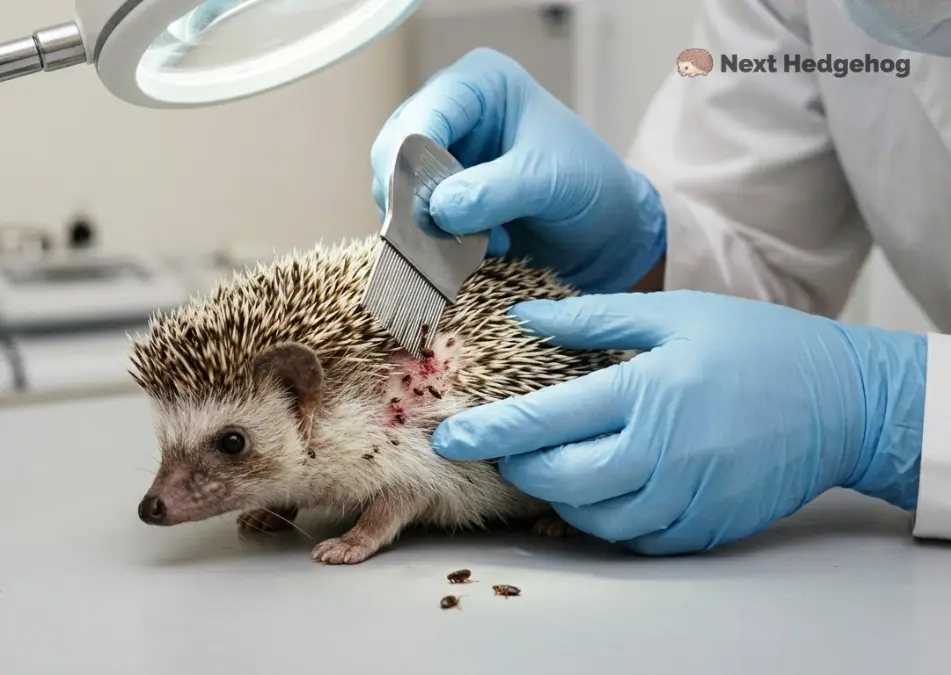
Checking a hedgehog for fleas requires patience and gentle handling. Because hedgehogs have dense spines and small hiding spaces on their body, fleas can easily go unnoticed at first glance. A careful inspection helps detect the problem early before it becomes severe.
- Observe behavior before handling: Start by watching the hedgehog’s behavior. Excessive scratching, restlessness, or rubbing against objects can indicate the presence of fleas even before a physical check.
- Use a calm and safe handling approach: Gently pick up the hedgehog while it is relaxed. Avoid sudden movements, as stress can cause it to curl tightly, making inspection harder. Using a towel can help with safer handling.
- Inspect around the face, ears, and belly: Fleas often hide in softer or less spiky areas such as the belly, under the legs, around the ears, and near the face. Carefully part the spines if possible to check these areas.
- Look for moving tiny insects: Watch closely for small dark insects that move quickly through the quills or skin. Fleas tend to move fast and may try to hide deeper when disturbed.
- Check for flea dirt (black specks): Look for tiny black or brown specks on the skin or bedding. This flea dirt is a strong sign of infestation. If placed on a wet tissue, it may turn reddish due to digested blood.
- Use a fine-tooth flea comb if available: A flea comb can help detect fleas more easily by trapping them as you gently comb through accessible fur and spine areas. Always be gentle to avoid stress or injury.
- Examine bedding and cage area: Sometimes fleas are more visible in the environment than on the hedgehog. Check bedding, cage corners, and resting spots for signs of flea movement or dirt.
- Repeat checks regularly if suspected: Fleas can be hard to spot in early stages, so repeated inspections over a few days can help confirm whether an infestation is present.
Treatment Options for Flea Infestation
Treating fleas in hedgehogs needs careful attention because their small body size and sensitive skin make them more vulnerable to many common flea treatments. The goal is to remove fleas safely, stop reinfestation, and support recovery without causing harm.
In most cases, a combination of veterinary care and proper hygiene gives the best results.
Veterinary Approved Flea Treatments
The safest and most effective option is always vet prescribed treatment. Veterinarians may recommend specific topical or oral medications designed for small animals or adapted safely for hedgehogs.
These treatments are chosen carefully based on the hedgehog’s weight and health condition. It is very important not to use random flea products meant for cats or dogs, as some ingredients can be toxic to hedgehogs.
Safe Medications for Pet Hedgehogs
Some antiparasitic medications may be used under veterinary supervision. These are usually applied in controlled doses and may target both adult fleas and larvae.
A vet will decide the correct treatment plan depending on how severe the infestation is. Proper dosage is critical because even small overdoses can be dangerous for hedgehogs.
What Treatments to Avoid
Certain flea treatments commonly used for other pets can be harmful or even fatal to hedgehogs. Products containing strong chemicals, incorrect dosages, or unapproved insecticides should be avoided completely.
Always avoid self-medicating without professional advice, as hedgehogs are highly sensitive to many flea control ingredients.
Cleaning and Treating the Environment
Fleas do not live only on the hedgehog. Eggs and larvae often remain in bedding, cages, and surrounding areas. Thorough cleaning is essential for full recovery.
Bedding should be replaced, cages disinfected, and all fabric materials washed in hot water. Without environmental cleaning, fleas can return even after treatment.
Monitoring and Follow-Up Care
After treatment, regular monitoring is important to ensure the infestation is fully gone. This includes checking the hedgehog’s skin, behavior, and bedding for any signs of returning fleas.
In some cases, a second treatment may be needed under veterinary guidance to break the flea life cycle completely.
Natural Remedies for Fleas on Hedgehogs
Natural remedies can help reduce flea numbers and support recovery, but they should always be used carefully. Hedgehogs have very sensitive skin and react easily to harsh substances.
These methods are best for mild infestations or as support alongside veterinary treatment, not as a full cure.
Regular Cleaning of Bedding and Cage Environment
One of the most effective natural steps is keeping the hedgehog’s environment extremely clean. Fleas spend a large part of their life cycle in bedding and cage areas, not just on the animal. Washing bedding frequently in hot water helps kill flea eggs and larvae.
Replacing old bedding, cleaning corners of the cage, and removing waste buildup can significantly reduce reinfestation. Clean environments break the flea life cycle naturally and prevent eggs from developing into adult fleas.
Safe Warm Water Bathing (When Appropriate)
A gentle warm water bath can help remove fleas stuck on the hedgehog’s body. This method should be used only when the hedgehog is calm and stable, as stress and temperature changes can be risky.
The bath should be short, using only plain water or a vet-approved mild cleanser. After bathing, the hedgehog must be dried properly to avoid chilling. This method helps physically remove fleas but does not eliminate eggs in the environment.
Manual Flea Removal Using a Fine Comb
Careful manual removal can help reduce visible fleas. A soft flea comb or gentle inspection with fingers can be used to remove fleas one by one.
This process requires patience because fleas move quickly and hide between spines. It works best when the hedgehog is relaxed. While it does not solve the full infestation, it helps reduce discomfort and gives immediate relief.
Maintaining a Dry and Clean Habitat
Fleas thrive in warm and humid environments. Keeping the hedgehog’s habitat dry, clean, and well-ventilated can slow flea growth.
Regular cleaning, reducing moisture buildup, and avoiding dirty bedding materials help make the environment less suitable for flea survival. A clean habitat also reduces the chance of eggs developing into new fleas.
Natural Environmental Control Practices
Simple environmental habits can also help control fleas naturally. Washing fabrics, vacuuming surrounding areas, and exposing bedding to sunlight can reduce flea survival.
Sunlight and dryness make it harder for flea eggs and larvae to survive. These methods are not instant solutions but help reduce overall flea pressure in the environment over time.
Limitations of Natural Remedies
Natural methods alone are usually not enough to fully remove a flea infestation. They can reduce numbers and support healing, but adult fleas reproduce quickly and hide in difficult-to-reach areas.
If the infestation is moderate or severe, veterinary treatment is necessary to fully break the cycle and protect the hedgehog’s health.
Prevention of Fleas in Hedgehogs
Preventing fleas is much easier than treating an active infestation. Once fleas enter a hedgehog’s environment, they can multiply quickly and become difficult to control.
A consistent care routine, clean habitat, and smart exposure management can greatly reduce the risk of flea problems in both pet and wild hedgehogs.
- Maintain strict cleanliness of the cage and bedding: Regular cleaning is the most important prevention step. Bedding should be changed frequently, and the cage should be washed and disinfected on a routine schedule. Clean environments reduce the chance of flea eggs and larvae developing.
- Wash bedding with hot water regularly: Flea eggs and larvae can survive in fabric materials. Washing bedding in hot water helps kill hidden parasites and prevents reinfestation. This simple habit breaks the flea life cycle before it spreads.
- Keep pets like cats and dogs flea-free: If other pets in the home carry fleas, hedgehogs are at high risk of getting infected. Regular flea prevention for cats and dogs helps protect the hedgehog indirectly by removing the main source of transmission.
- Avoid contact with unknown or wild animals: Hedgehogs can pick up fleas from other infected animals. Limiting exposure to stray pets or wild animals reduces the chance of flea transfer. This is especially important for pet hedgehogs kept indoors.
- Regular health and skin checks: Frequent inspection helps detect early signs of fleas before they spread. Checking the skin, quills, and bedding allows quick action and prevents a small issue from becoming a serious infestation.
- Keep the living environment dry and well-ventilated: Fleas thrive in warm, humid conditions. A dry, airy habitat makes it harder for flea eggs and larvae to survive and grow. Good ventilation also improves overall hedgehog health.
- Quarantine new animals before introduction: If introducing a new pet into the home, keeping it separate for a short period helps ensure it is not carrying fleas. This prevents spreading parasites to the hedgehog.
- Regular vet checkups when needed: Routine veterinary visits can help identify early parasite problems. A vet can also recommend safe preventive treatments based on the hedgehog’s health and environment.
FAQs and Answers
Fleas in hedgehogs are a common concern for both pet owners and wildlife enthusiasts. Below are some of the most frequently asked questions with clear and simple answers to help you understand the topic better.
Can indoor hedgehogs get fleas?
Yes, indoor hedgehogs can still get fleas. Even if they stay inside, fleas can enter through other pets like cats or dogs, contaminated bedding, or clothing. Once inside the home, fleas can spread easily between animals and surfaces.
Are hedgehog fleas dangerous to humans?
Hedgehog fleas usually prefer animals, but they can occasionally bite humans. While they do not live on human skin, their bites can cause itching and irritation. They are more of a nuisance than a serious health threat to people.
How long do fleas live on hedgehogs?
Fleas can live on a hedgehog for several weeks if not treated. Their full life cycle, including eggs and larvae in the environment, can last much longer. This is why treatment must target both the hedgehog and its surroundings.
Can fleas kill a hedgehog?
In severe cases, yes. Heavy flea infestations can cause anemia, weakness, and infections. Young, sick, or small hedgehogs are especially at risk if the problem is not treated in time.
What is the fastest way to remove fleas?
The fastest and safest way is a combination of veterinary treatment and thorough cleaning of the environment. Medication kills adult fleas, while cleaning removes eggs and larvae, preventing them from coming back.