Do Hedgehogs Have Periods? Misconceptions vs Truth Exposed!
Hedgehogs do not have periods like humans. Instead, female hedgehogs follow a different reproductive system called an estrous cycle.
This is one of the biggest reasons many pet owners get confused when they notice behavior changes in their hedgehog. It can look like something similar to a menstrual cycle, but it is completely different in biology and function.
If you have ever wondered whether hedgehogs bleed monthly, act strangely at certain times, or go through “heat,” you are not alone. These questions are very common among new hedgehog owners and animal lovers.

In this article, you will clearly understand how hedgehog reproduction works, what really happens during their cycle, and why they do not experience periods at all.
What Does Periods Mean?
Periods usually refer to the monthly process in humans where the body sheds the lining of the uterus.
This happens when a pregnancy does not occur. The body then releases blood and tissue through the vagina. This is also called menstruation.
Periods are part of the menstrual cycle, which is common in humans and some other primates.
In simple terms, a period means:
- The body is preparing for pregnancy each month
- If pregnancy does not happen, the lining is shed
- This causes bleeding for a few days
Animals like hedgehogs do not have periods because they do not follow a menstrual cycle. Instead, they have a different system called the estrous cycle.
Read Also: Are Hedgehogs Rodents
Do Female Hedgehogs Experience Bleeding?
Yes, female hedgehogs can experience bleeding, but it is not part of a normal monthly cycle like human periods.
Hedgehogs do not menstruate. This means they do not shed the lining of the uterus on a regular schedule. So, you will not see natural, routine bleeding in healthy female hedgehogs.
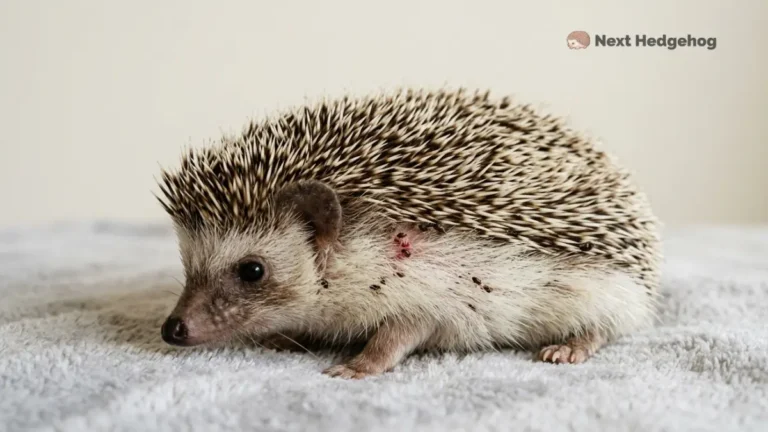
If you notice blood, it is usually linked to something else. In many cases, it can be a sign of a health problem such as an infection in the urinary or reproductive system. Sometimes injuries, internal issues, or stress-related conditions can also cause abnormal bleeding or discharge.
After giving birth, a female hedgehog may also show mild discharge for a short time. This is different from a period and is related to the recovery process after pregnancy.
Because bleeding is not normal for hedgehogs, it should always be taken seriously. If you ever see blood, it is important to monitor the hedgehog closely and contact a veterinarian as soon as possible to find the cause and get proper treatment.
Why Hedgehogs Don’t Have Periods?
Hedgehogs do not have periods because their reproductive system works in a completely different way from humans. Instead of a menstrual cycle, they follow an estrous cycle, which does not involve monthly bleeding or shedding of the uterine lining.
Here are the main reasons why hedgehogs don’t have periods:
- Different reproductive system (estrous cycle): Hedgehogs prepare for pregnancy only during specific “heat” periods. If pregnancy does not happen, their body simply resets without bleeding.
- No uterine lining shedding: In humans, the uterus sheds its lining during a period. Hedgehogs do not build up and shed this lining in the same way, so there is no monthly bleeding.
- Seasonal breeding behavior: Hedgehogs are often seasonal breeders. Their reproductive activity depends on environmental conditions like temperature and daylight, not a monthly cycle.
- Energy-saving adaptation: Their body avoids unnecessary biological processes like menstruation to conserve energy for survival and reproduction when conditions are right.
- Different hormonal pattern: Hormones in hedgehogs trigger heat cycles instead of monthly cycles, leading to mating readiness without bleeding phases.
What Happens to Hedgehog Instead of a Period?
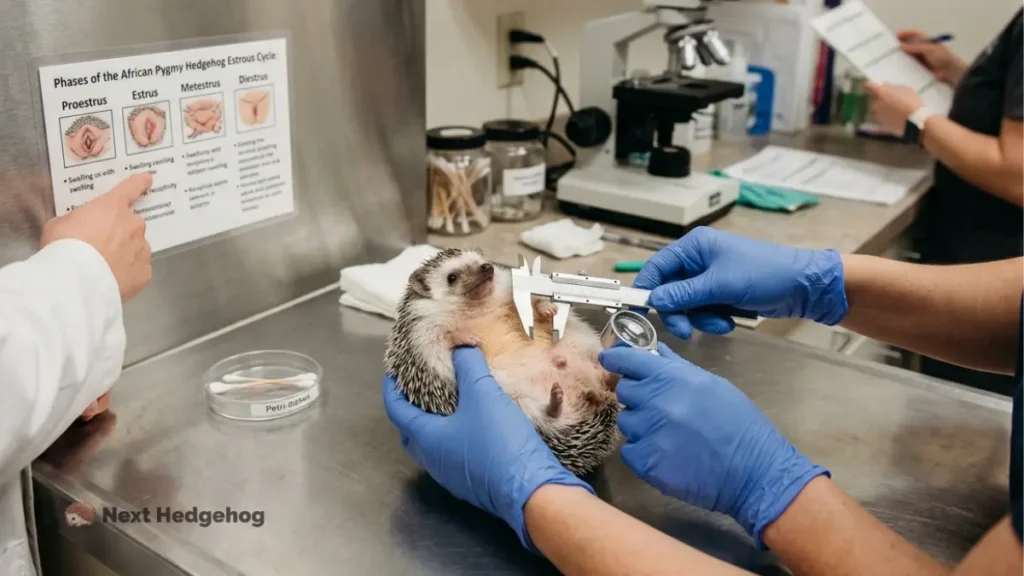
Instead of having periods, hedgehogs go through a reproductive process called the estrous cycle. This is very different from menstruation and does not involve any monthly bleeding.
When a female hedgehog enters her cycle, her body prepares for possible mating. Hormone levels change, and she becomes receptive to males during a short period called “heat.” During this time, her behavior may also change, such as becoming more active, restless, or interested in scent marking.
If mating does not happen, the hedgehog does not shed any uterine lining. Instead, her body simply returns to a resting state until the next cycle begins. This process is much more efficient compared to a menstrual cycle and does not include visible blood loss.
These cycles are often influenced by environmental factors like temperature and daylight. That means hedgehogs may go into heat more frequently during breeding-friendly conditions and less during colder or low-activity seasons.
Read Also: Do Hedgehogs Have Fleas
Common Misconceptions About Hedgehog Periods
Many people get confused about hedgehog reproduction because they try to compare it with humans or common pets. This leads to several myths about “periods” in hedgehogs. In reality, their biology works very differently, and most of these beliefs are incorrect.
Here are the most common misconceptions:
- Hedgehogs have monthly periods like humans: This is false. Hedgehogs do not have a menstrual cycle, so there is no monthly bleeding.
- Any blood means a hedgehog is having a period: Incorrect. Blood in hedgehogs is not normal and usually signals injury or a health issue, not a reproductive cycle.
- Female hedgehogs bleed during heat: Not true. The estrous cycle does not involve bleeding, only hormonal and behavioral changes.
- All mammals experience periods: This is a common misunderstanding. Only a few species, mainly humans and some primates, actually menstruate.
- Behavior changes always mean illness or period: Wrong assumption. Changes in behavior are often linked to heat cycles, stress, environment, or normal instincts.
Read Also: Do Hedgehogs Have Tails
When Bleeding May Indicate a Problem?
Bleeding in hedgehogs is always a warning sign because it is not part of any normal reproductive cycle. Since hedgehogs do not have periods, any visible blood usually points to an underlying health issue that needs attention.
The cause can range from minor injuries to serious internal conditions, so careful observation is very important.
Injuries or external wounds
One of the most common reasons for bleeding is simple physical injury. Hedgehogs are active and curious animals, and they can easily scratch themselves on sharp cage edges, rough bedding, or accessories inside their enclosure.
Sometimes, even minor fights between hedgehogs or rough handling can lead to small cuts. These injuries may look minor at first, but they can still bleed and may become infected if not treated properly.
Urinary tract infections (UTIs)
Blood may also appear in the urine if a hedgehog is suffering from a urinary tract infection. This condition can cause irritation in the bladder or urinary tract, leading to discomfort and sometimes visible blood.
You may notice additional signs such as frequent urination, straining, or changes in urine color and smell. UTIs can become serious if not treated early, so veterinary care is usually required.
Reproductive system infections
In female hedgehogs, infections in the uterus or other parts of the reproductive system can cause abnormal discharge that may include blood. This is more serious than external injury and often comes with other symptoms such as lethargy, loss of appetite, or unusual swelling.
Because hedgehogs do not menstruate, any reproductive bleeding should be treated as a medical emergency and checked by a vet as soon as possible.
Tumors or internal health issues
In some cases, bleeding can be linked to internal tumors or abnormal growths. These conditions may not show clear external signs at first, but over time they can lead to weakness, weight loss, or blood appearing in urine or discharge.
Internal issues are difficult to diagnose at home, so professional veterinary examination is necessary for proper identification and treatment.
Post-birth complications
After giving birth, a female hedgehog may have mild discharge as her body recovers. However, excessive bleeding, foul-smelling discharge, or prolonged symptoms are not normal.
These signs may indicate complications such as retained tissue or infection after birth, which require immediate medical attention.
Irritation or environmental causes
Sometimes bleeding can occur due to irritation from the environment. Dusty bedding, harsh cleaning chemicals, or foreign objects in the cage can irritate sensitive areas of the hedgehog’s body.
This may lead to mild inflammation or small amounts of blood. Even though this cause may seem less serious, it still needs attention to prevent further discomfort or infection.
FAQs and Answers
Here are some frequently asked questions about hedgehogs and whether they experience periods. These answers will help clear up common confusion and give you a better understanding of their reproductive health.
Do hedgehogs have periods like humans?
No, hedgehogs do not have periods. They do not follow a menstrual cycle. Instead, they have an estrous cycle that does not involve monthly bleeding.
Why do people think hedgehogs have periods?
Many people assume all female mammals have periods. This confusion comes from comparing hedgehogs with humans, but their biology is very different.
Do female hedgehogs bleed during heat?
No, hedgehogs do not bleed during heat. The estrous cycle only causes hormonal and behavioral changes, not bleeding.
Is it normal to see blood in a hedgehog?
No, any blood is not normal. It may indicate injury, infection, or another health issue and should be checked by a vet.
How often do hedgehogs go into heat?
Female hedgehogs usually go into heat based on seasonal and environmental conditions rather than a strict monthly cycle.
What should I do if my hedgehog is bleeding?
You should contact a veterinarian immediately. Bleeding is always a sign that something may be wrong and needs professional attention.