Do Hedgehogs Have Quills? Facts, Myths & Real Answers
Yes hedgehogs do have quills. These quills are one of the most important and unique features of their body.
At first glance hedgehogs may look soft and harmless. But when they feel danger their body changes in an instant. The soft looking animal turns into a small spiky ball covered in sharp quills. This simple transformation often makes people curious and a little confused about what these quills really are.
Hedgehog quills are not just hair. They are special structures made for protection. They help the animal survive in the wild where predators are always a threat. When you understand how these quills work you start to see why hedgehogs are such skilled survivors despite their small size.
In this article we will explore what hedgehog quills are made of how they work and why they are so important for the animal’s survival.
What Exactly Are Hedgehog Quills?
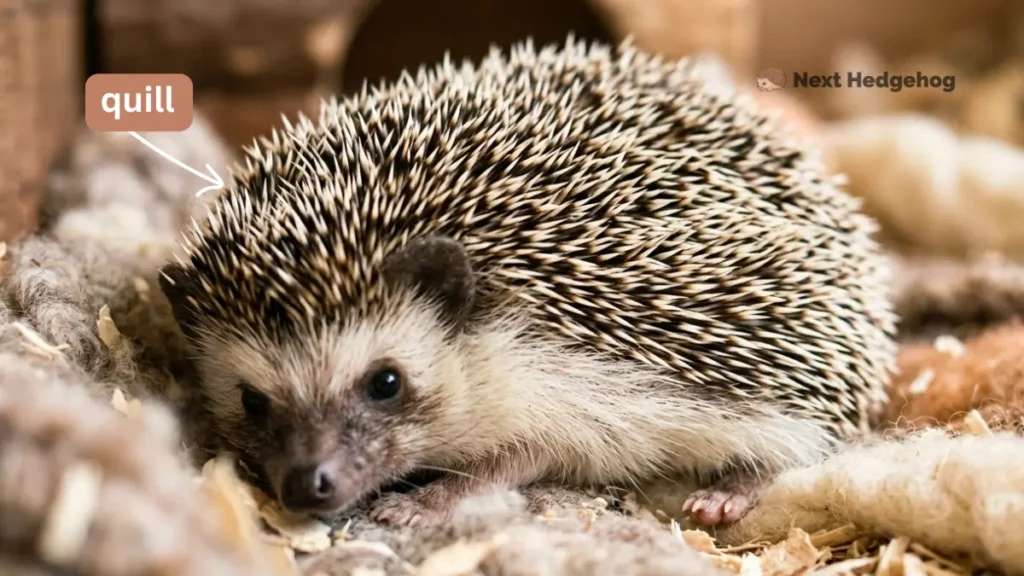
Hedgehog quills are the sharp spines that cover most of a hedgehog’s back and sides. They look like needles but they are actually modified hairs.
Each quill is made of keratin. This is the same protein found in human hair and nails. Inside, the quill is hollow and lightweight, but the outer layer is strong and firm. This structure helps the hedgehog stay protected without carrying heavy armor.
Unlike regular hair, quills are stiff and pointed. They are not poisonous and they do not shoot out. Instead, they stay attached to the skin and act like a shield when the hedgehog curls up.
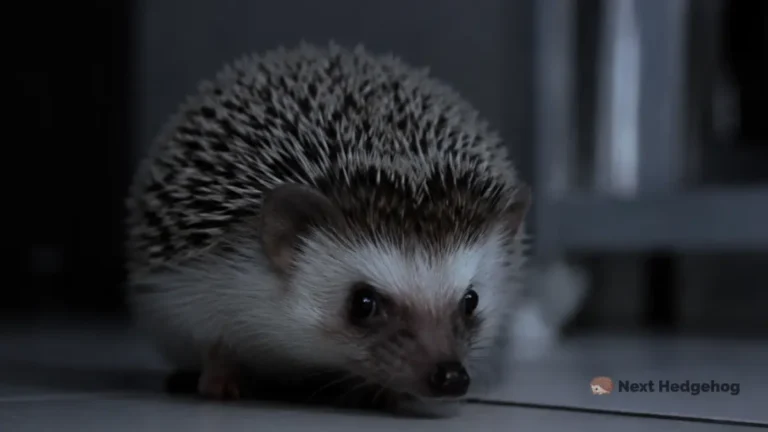
These quills are designed purely for defense. When a hedgehog feels safe, the quills lie flat. When it feels threatened, the quills stand up and create a sharp barrier that makes it difficult for predators to attack.
Read Also: Do Hedgehog Have Tails
Are Quills the Same as Porcupine Spines?
No hedgehog quills are not the same as porcupine spines. Both are sharp and both are used for defense but they are very different in structure and behavior.
Hedgehog quills are shorter and lighter. They stay firmly attached to the skin and do not detach easily. A hedgehog uses them mainly by curling into a tight ball so the quills point outward like a protective shield.
Porcupine spines are much longer and thicker. Some species also have barbed tips. These spines can detach more easily when touched and may stick into a predator’s skin. This makes porcupines more aggressive in their defense compared to hedgehogs.
What Are Hedgehog Quills Made Of?
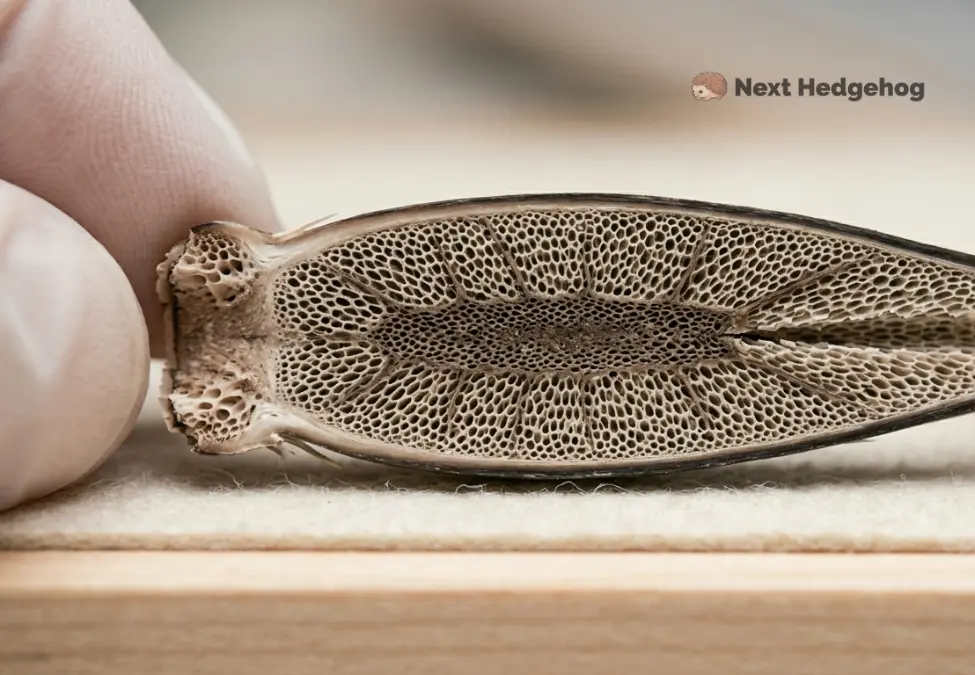
Hedgehog quills are made of a protein called keratin. Keratin is the same natural material found in human hair nails and animal horns.
It is strong flexible and lightweight. This makes it perfect for protection without adding extra weight to the hedgehog’s body.
Inside each quill there is a soft hollow core. This helps reduce weight and gives the quill some flexibility so it does not break easily. The outer layer is harder and more solid which gives the quill its sharp and stiff shape.
Even though quills look dangerous they are not made of bone or metal. They are simply a specialized form of hair designed by nature for defense.
Read Also: Do Hedgehogs Have Fleas
Why Do Hedgehogs Have Quills?
Hedgehogs have quills mainly for protection. These small animals are slow and not strong enough to fight predators. So nature gave them a simple but powerful defense system on their body. The quills act like a natural shield that helps them survive in the wild.
Here is how quills help hedgehogs:
- Protection from predators: When a hedgehog feels danger it curls into a tight ball. The quills point outward and make it hard for predators to bite or grab them.
- Defense without fighting: Hedgehogs cannot attack or run fast. Quills give them a way to stay safe without needing strength or speed.
- Warning signal: When quills stand up it signals danger. Many predators avoid attacking because the sharp surface looks risky.
- Survival advantage: Quills increase the chances of survival in forests grasslands and gardens where predators are common.
- Stress response tool: Hedgehogs also raise their quills when they feel stressed or uncomfortable. This helps them protect themselves even in uncertain situations.
How Do Hedgehog Quills Work?
Hedgehog quills work as a fast and automatic defense system. They are controlled by small muscles in the skin and are closely connected to the hedgehog’s nervous system.
This allows the animal to react within seconds when it senses danger. The quills can change position quickly and form a protective barrier around the body.
Muscle Control and Quill Movement
Each quill is attached to a tiny muscle called an arrector muscle. When the hedgehog feels threatened these muscles contract. This pulls the quills upright and makes the body look larger and sharper.
When the danger is gone the muscles relax and the quills return to a flat resting position. This movement is not random. It is a controlled response that helps the hedgehog adjust its defense depending on the situation.
Curling into a Ball Defense
The most powerful part of this system is the ability to curl into a tight ball. The hedgehog uses strong back and side muscles to pull its head legs and belly inward.
These areas are soft and vulnerable so they must be fully protected. Once curled the quills completely cover the outside of the body like a living armor.
This shape makes it very hard for predators to find a weak point. Many animals give up trying to attack because the hedgehog becomes a moving ball of spikes.
Do Hedgehog Quills Fall Out?
Yes hedgehog quills do fall out but this is usually a normal process.
Hedgehogs go through a natural phase called quilling. During this time young hedgehogs lose some of their old quills and grow new ones. It can look like a lot of shedding but it is part of healthy development. The new quills are stronger and better suited for protection.
Adult hedgehogs also lose a few quills from time to time. This happens because quills grow in cycles just like human hair. Old or damaged quills fall out and new ones replace them. This process is usually slow so you may not notice it unless you look closely.
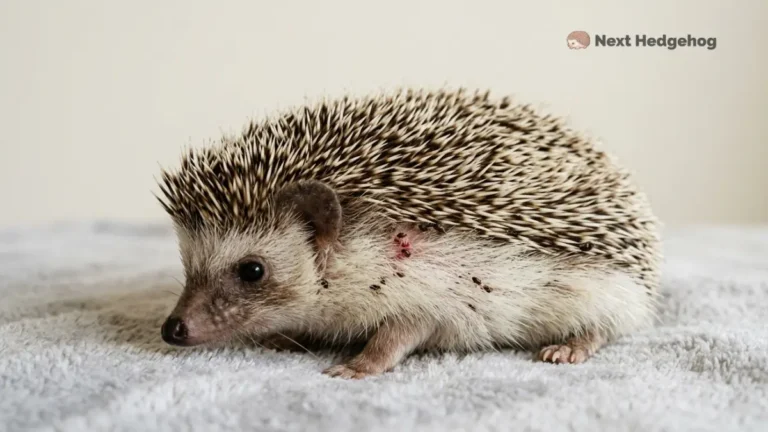
However excessive quill loss can be a sign of a problem. Stress, poor diet, skin infections, or parasites can cause unusual shedding. In such cases the hedgehog may also show signs like itching or patchy skin. That is when care or veterinary attention becomes important.
Are Hedgehog Quills Dangerous?
Hedgehog quills can look dangerous but they are not truly harmful in most situations. They are designed for defense not attack.
When you touch a hedgehog the quills may feel sharp and prickly. This can cause mild discomfort or small scratches on the skin. However they do not contain poison and they do not inject anything into the body. So they are not dangerous in the same way as venomous spines or stingers.
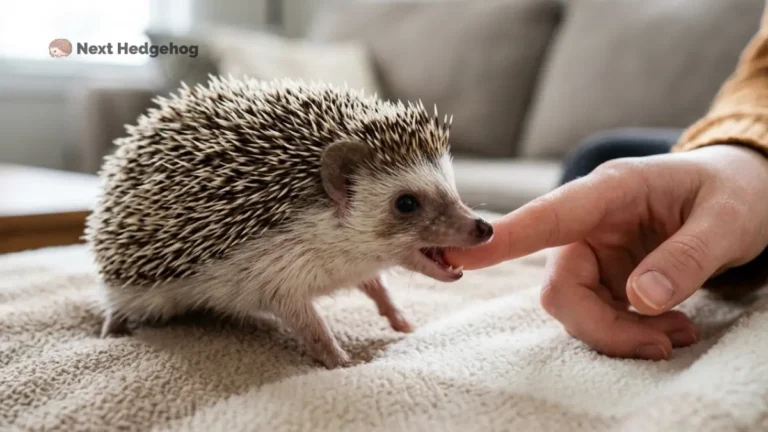
Hedgehogs only use their quills when they feel threatened. If they are calm and relaxed the quills usually lie flat and feel softer to touch. Most injuries happen only when the animal is scared or handled roughly.
For humans the main risk is minor irritation or skin pricks. With gentle handling and care hedgehogs are generally safe animals to interact with.
Can Hedgehogs Shoot Their Quills?
No hedgehogs cannot shoot their quills. This is a very common myth but it is not true. Hedgehog quills are firmly attached to their skin. They do not detach and fly toward predators like arrows.
When a hedgehog feels threatened it uses a different defense method. It curls into a tight ball so that all the quills point outward. This creates a strong protective barrier that is difficult for predators to bite or attack.
Some people may think quills are shot because they can fall out naturally or come off if the animal is handled roughly. But this is not an active defense mechanism. It is just normal shedding or accidental loss.
Do Hedgehog Quill Hurt?
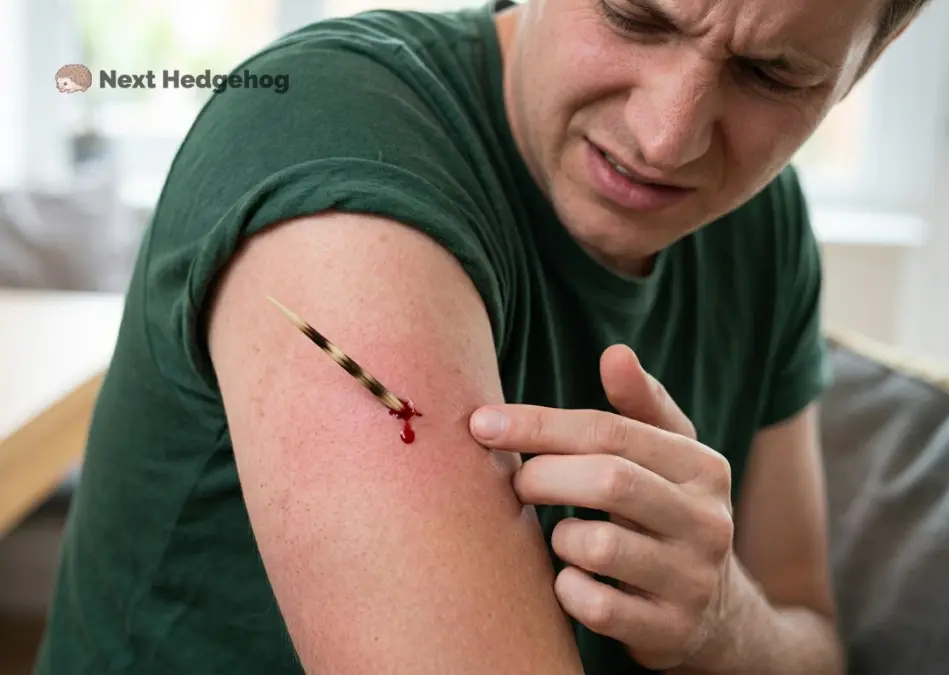
Yes hedgehog quills can hurt but usually only a little. When you touch a hedgehog the quills may feel sharp and prickly.
They can poke the skin and sometimes cause small scratches. This is more like a mild sting or discomfort rather than a serious injury.
The level of pain depends on how the hedgehog is behaving. If it is calm and relaxed the quills lie flatter and feel softer. But if it is scared the quills stand up and become more pointed which can feel sharper to touch.
Hedgehogs do not use their quills to attack. They only use them for protection when they feel unsafe. So any pain usually happens because the animal is stressed or being handled too quickly.
With gentle handling and patience most people can safely interact with hedgehogs without much discomfort.
Hedgehog Quills vs Other Animals
Hedgehog quills are often compared with the spines of other animals. Many creatures use sharp body features for defense but they are not all the same. The structure strength and behavior of these defenses can be very different. Understanding these differences helps you see how unique hedgehogs really are.
Here is a simple comparison of hedgehog quills with other spiny animals:
| Feature | Hedgehog Quills | Porcupine Spines | Echidna Spines |
|---|---|---|---|
| Structure | Short thin and made of keratin | Long thick and often barbed | Short thick and stiff |
| Attachment | Firmly attached to skin | Loosely attached and can detach | Firmly attached |
| Defense style | Curl into a ball | Shake and drive spines into threat | Curl and dig for protection |
| Danger level | Mild irritation only | Can cause painful injuries | Mild to moderate discomfort |
| Poison | None | None | None |
| Primary purpose | Passive protection | Active defense | Defensive covering |
Common Myths About Hedgehog Quills
Hedgehog quills are surrounded by many myths because they look unusual and sharp. People often assume things about them without knowing how they really work. In reality hedgehog quills are simple protective structures with no special hidden powers.
Here are some common myths and the truth behind them:
- Hedgehogs shoot their quills: This is not true. Quills are firmly attached to the skin and cannot be fired or launched at predators.
- Quills are poisonous: Hedgehog quills are not toxic or venomous. They are made of keratin and only cause minor scratches if touched.
- Quills are the same as porcupine spikes: They may look similar but porcupine spines are larger and can detach more easily. Hedgehog quills stay fixed in place.
- Hedgehogs are dangerous because of quills: Hedgehogs are not aggressive animals. Their quills are only for self defense and not for attacking.
- Quills always hurt to touch: When a hedgehog is calm the quills lie flat and feel much softer. Pain usually happens only when the animal is scared or stressed.
Interesting Facts About Hedgehog Quills
Hedgehog quills are one of the most fascinating features in the animal world. They look simple at first but they hide many interesting details about how hedgehogs survive and adapt in nature. These small spines are not just for protection they also tell a lot about the animal’s growth behavior and biology.
Here are some interesting facts about hedgehog quills:
- Hedgehog quills are actually modified hairs made of keratin and not bones or teeth.
- A single hedgehog can have thousands of quills covering its back and sides.
- Quills grow in cycles just like human hair and are constantly replaced over time.
- Baby hedgehogs are born with soft quills under the skin that slowly emerge after birth.
- When relaxed the quills lie flat and feel less sharp than when the animal is scared.
- Hedgehog quills are hollow inside which makes them lightweight but still strong.
- The quills are designed mainly for defense and not for hunting or attacking.
- A hedgehog can raise or flatten its quills using tiny muscles in the skin.
- Despite their sharp look hedgehog quills are not poisonous or venomous.
- Quilling in young hedgehogs can look like heavy shedding but it is a normal growth phase.
FAQs and Answers
Here are some frequently asked questions about hedgehog quills. These quick answers will help clear up common confusion and give you a better understanding of how quills work and why hedgehogs have them.
Do hedgehog quills hurt when you touch them?
Yes they can feel sharp and slightly painful if the hedgehog is scared. When the animal is calm the quills feel much softer and less sharp.
How many quills does a hedgehog have?
A hedgehog can have several thousand quills covering its back and sides. The exact number depends on the species and size of the hedgehog.
Can hedgehogs survive without quills?
No quills are very important for protection. Without them a hedgehog would be much more vulnerable to predators and injuries.
Do hedgehogs lose all their quills at once?
No they do not lose all their quills at once. They shed a few quills naturally over time or during a normal growth phase called quilling in young hedgehogs.
Why do hedgehogs curl into a ball?
Hedgehogs curl into a ball to protect their soft belly face and legs. This position makes the quills point outward and creates a strong natural shield against predators.