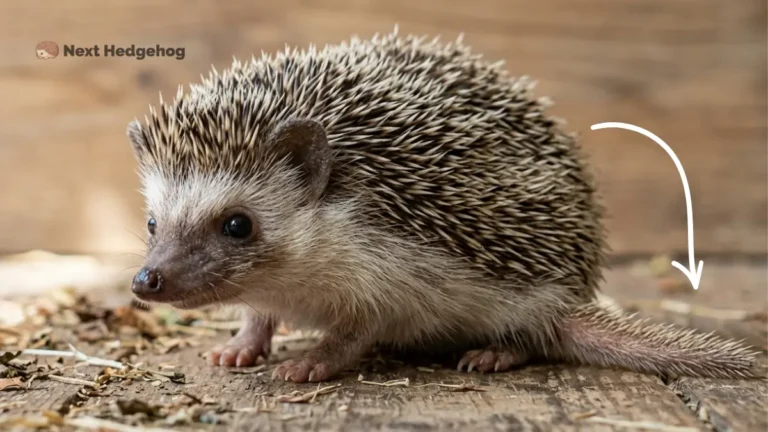
Do Hedgehogs Have Teeth? Shocking & Hidden Truth Exposed!
Yes hedgehogs do have teeth and they play an important role in how these small animals survive.
At first hedgehogs may look soft slow and harmless. But their mouths tell a different story. They have a full set of small sharp teeth designed for eating insects, worms and other tiny creatures. These teeth help them break down food quickly and stay alive in the wild.
Most people never think about hedgehog teeth because they are so small and hidden. But they are very important for feeding behavior and overall health.
In this article you will learn everything about hedgehog teeth including how many they have what they look like and how they use them in daily life.
Do Hedgehogs Actually Have Teeth?
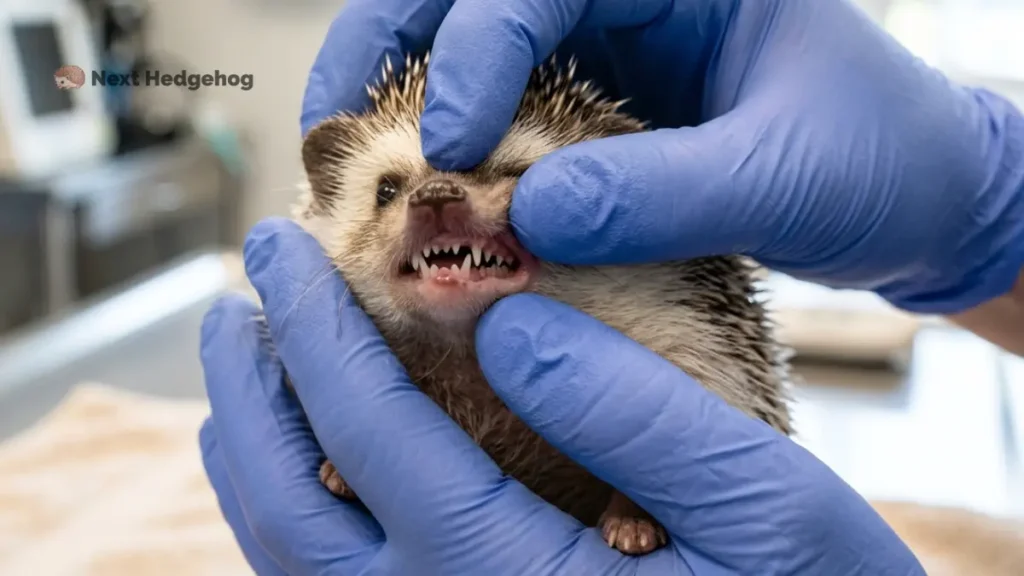
Yes hedgehogs actually have teeth and they rely on them for survival. Hedgehogs may look small and harmless but their mouths are fully equipped with sharp teeth.
These teeth help them eat insects, worms, and other small foods they find in the wild. Without teeth they would not be able to break down their food properly.
A hedgehog has different types of teeth just like many other mammals. Each type has a specific role in biting tearing and chewing. Even though their teeth are small they are strong enough for their diet.
So when you ask do hedgehogs actually have teeth the clear answer is yes and those teeth are an important part of their daily life and survival.
How Many Teeth Do Hedgehog Have?
A hedgehog has around 34 to 44 teeth depending on its species and age.
These teeth are small but well organized inside their tiny mouth. Like many mammals hedgehogs have different types of teeth that each serve a purpose. Some are used for cutting food and others help in tearing and grinding insects and small prey.
Baby hedgehogs do not have all their teeth at birth. Their full set develops as they grow into adults. Once fully grown their teeth support their insect based diet and help them survive in the wild.
So while they are tiny animals hedgehogs actually have a complete set of teeth that works very efficiently for their needs.
Read Also: Do Hedgehogs Have Ears
Hedgehog Dental Anatomy Explained
Hedgehog dental anatomy is simple but very effective for their lifestyle. A hedgehog has a small jaw that holds a full set of sharp teeth.
These teeth are arranged in a way that helps them bite and process food easily. Even though their mouth is tiny the structure is well balanced for their diet.
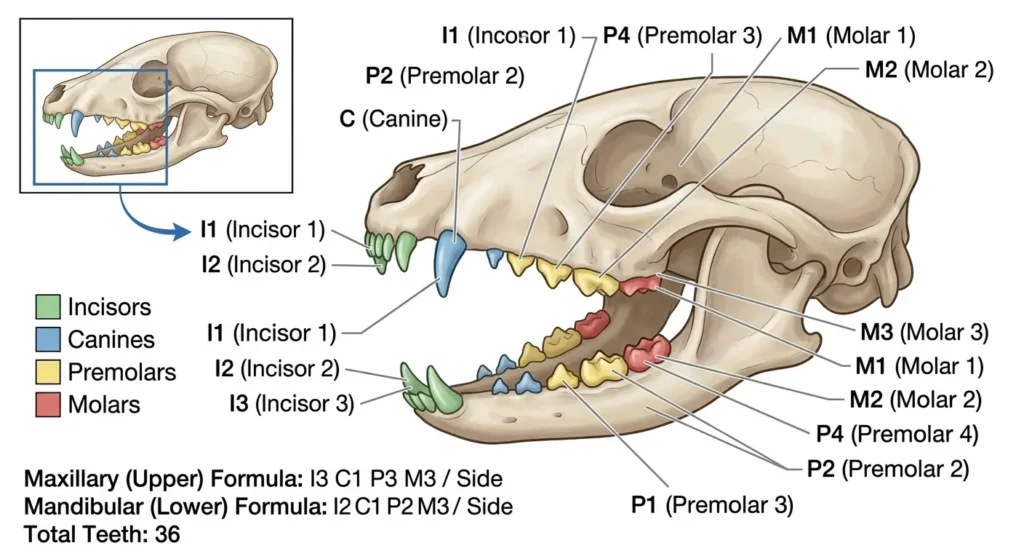
They have incisors at the front that help cut food. Canine like teeth are used for gripping and holding prey. Molars at the back are used for grinding insects and breaking down tougher pieces of food. This combination makes them efficient insect eaters.
The upper and lower jaws work together in a tight motion. This helps them chew quickly even when eating hard shelled insects. Their dental structure is designed for survival not for chewing plants or soft foods like some other animals.
What Do Hedgehog Teeth Look Like?
Hedgehog teeth are small sharp and slightly curved. They are not easy to see because a hedgehog has a tiny mouth and often keeps it closed.
When visible the teeth look white to slightly yellow and are tightly packed inside the jaw. They are much smaller than human teeth but still strong for their size.
The front teeth are thinner and pointed. These help the hedgehog grab and bite food. The back teeth are wider and flatter which helps in crushing and grinding insects and other small prey.
Hedgehog Teeth Size by Age
Hedgehog teeth change in size and development as they grow from babies into adults. At birth they do not have a full set of teeth. Over time their teeth grow in stages and become stronger and more defined.
Understanding this helps to know how hedgehogs develop their feeding ability and survival skills.
| Age Stage | Teeth Development | Teeth Size | Notes |
|---|---|---|---|
| Newborn (0–2 weeks) | No visible teeth | None | Fully dependent on mother’s milk |
| Young hoglet (2–4 weeks) | Baby teeth start appearing | Very tiny and soft | First teeth begin to break through gums |
| Juvenile (4–8 weeks) | More baby teeth develop | Small and sharp | Starts trying soft solid food |
| Young adult (2–4 months) | Permanent teeth forming | Medium size and stronger | Transition from baby teeth to adult teeth |
| Adult (4+ months) | Full set of permanent teeth | Fully developed small sharp teeth | Complete dental structure for hunting and eating |
What Do Hedgehogs Use Their Teeth For?
Hedgehogs use their teeth for many important daily activities. Even though they are small animals their teeth are essential for survival. From eating food to defending themselves their teeth play a key role in how they live in the wild.
- Eating insects and small prey: Hedgehogs use their teeth to catch bite and chew insects worms beetles and other small creatures. Their teeth are strong enough to break down hard insect shells.
- Grinding and breaking food: The back teeth help grind food into smaller pieces. This makes it easier to swallow and digest their meals.
- Holding and gripping food: The front teeth help them hold onto food while they chew. This is important when dealing with moving prey.
- Self defense when threatened: Hedgehogs can bite if they feel scared or cornered. Their teeth are not their main defense but they can still protect themselves with a quick bite.
- Supporting natural feeding behavior: Their teeth are perfectly designed for an insect based diet which is what they naturally eat in the wild.
- Helping young hedgehogs learn to eat: As they grow baby hedgehogs use their developing teeth to transition from milk to solid food.
Do Hedgehogs Lose or Replace Teeth?
Hedgehogs do not lose and regrow teeth in the same way humans do with baby teeth and adult teeth in separate clear phases. Instead they go through a natural transition from early teeth to permanent teeth as they grow.
When hedgehogs are young they first develop a set of baby teeth. These teeth are temporary and are gradually replaced as the hedgehog matures. This process happens quietly and is usually not noticeable without close examination.
As they reach juvenile stages their adult teeth start to come in. The baby teeth either fall out or are replaced over time. Once this transition is complete the hedgehog has a full set of permanent teeth that it keeps for life.
Adult hedgehogs do not regularly replace teeth. However teeth can be lost or damaged due to injury poor diet or dental disease. Unlike some animals they cannot naturally regrow lost permanent teeth.
Common Hedgehog Teeth Problems
Hedgehogs may look small and simple but their teeth can develop several health issues over time. These problems are more common in captive hedgehogs because diet and care play a big role in dental health.
If not managed properly these issues can affect eating behavior and overall survival.
Plaque and tartar buildup
Plaque is a soft sticky layer of bacteria that can form on hedgehog teeth after eating. If it is not removed through proper chewing or diet it hardens into tartar.
This buildup can irritate the gums cause bad breath and make eating uncomfortable. Over time it may also lead to more serious infections if ignored.
Gum disease (periodontal issues)
Gum or periodontal disease happens when bacteria spread around the gum line and cause inflammation. The gums may become red swollen and painful.
This makes it difficult for hedgehogs to chew food properly and they may start eating less. In advanced cases gum disease can damage the bone structure and lead to tooth loss.
Broken or worn teeth
Hedgehogs can sometimes break teeth while biting hard food or during accidental impacts. In older hedgehogs teeth may also naturally wear down from years of use.
Broken or worn teeth can affect how well they grip and chew insects or other foods which may lead to digestion issues or weight loss if not managed.
Tooth decay and infections
Tooth decay is often linked to poor diet especially in pet hedgehogs fed unsuitable or sugary foods. Once decay starts it can create cavities and open the door for bacterial infections.
These infections may spread deeper into the mouth and cause severe pain swelling and difficulty eating if not treated early.
Signs of dental pain in hedgehogs
Hedgehogs cannot show pain clearly so owners must watch for signs like reduced appetite drooling weight loss or chewing on one side only.
Some hedgehogs may also rub their face or become less active. These signs often point to hidden dental problems that require quick attention from a vet.
How to Take Care of a Hedgehog’s Teeth?
Hedgehog teeth may be small but they need proper care to stay healthy. In the wild their natural diet helps clean their teeth as they chew insects and tough food. In captivity however diet and lifestyle can affect dental health a lot.
Good care can prevent many common problems and keep hedgehogs comfortable while eating.
Provide a balanced and proper diet
A healthy diet is the most important part of hedgehog dental care. High quality insect based food or specially formulated hedgehog food helps keep teeth naturally clean.
Hard and crunchy textures encourage chewing which reduces plaque buildup. Avoid sugary soft or processed foods because they can increase the risk of decay and gum problems.
Include safe chewing opportunities
Hedgehogs naturally clean their teeth by chewing. Giving them appropriate hard foods like dried insects or vet approved kibble helps reduce tartar formation.
Chewing keeps their jaw active and supports overall oral health. However anything too hard should be avoided because it can damage their small teeth.
Maintain clean feeding habits
Food bowls and water containers should always be kept clean. Dirty feeding areas can introduce bacteria into the mouth and increase the risk of infection.
Fresh food should be provided daily and any leftover food should be removed to prevent bacterial growth.
Regular health and mouth checks
Even though hedgehogs do not like their mouths being handled regular observation is important. Checking for signs like bad breath drooling or difficulty eating can help detect early dental issues. Early detection makes treatment easier and prevents serious complications.
Veterinary dental care when needed
If any dental problem is suspected a vet visit is important. Professional cleaning or treatment may be required for infections broken teeth or gum disease. Never try to fix dental issues at home because hedgehog teeth are very small and sensitive.
Avoid harmful foods and habits
Avoid giving sticky sugary or very soft foods as they can stick to teeth and cause decay. Also avoid letting hedgehogs chew unsafe objects like plastic or hard random items which can break their teeth.
Interesting Facts About Hedgehog Teeth
Hedgehog teeth may look simple but they hide many surprising facts. Most people never notice them because hedgehogs are small and shy animals.
However their teeth are specially designed for survival and have some interesting features you might not expect.
- Hedgehogs have a full set of sharp teeth: Even though they are tiny hedgehogs have between 34 to 44 teeth depending on species. This complete set helps them eat a wide range of insects and small prey.
- Their teeth are designed for insect eating: Hedgehog teeth are not made for chewing plants or soft food. They are built to grip crush and break hard insect shells like beetles and worms.
- Baby hedgehogs are born without teeth: Newborn hedgehogs do not have any teeth at all. Their first baby teeth appear after a couple of weeks as they start growing.
- They do not chew like humans: Hedgehogs do not move their jaws side to side like humans. Their teeth work in a simple up and down biting motion.
- Their teeth are hidden most of the time: Because of their small mouth and face structure hedgehog teeth are rarely visible unless the mouth is open wide.
- Dental health affects their survival: In the wild bad teeth can make it hard for hedgehogs to eat which directly affects their energy and survival.
- They cannot regrow adult teeth: Once a hedgehog loses a permanent tooth it does not grow back which makes dental care very important in captivity.
FAQs and Answer
Hedgehog teeth often raise many questions because they are small hidden and not easy to notice. Here are some of the most common questions and simple answers to help you understand them better.
Are hedgehog teeth sharp?
Yes hedgehog teeth are sharp and well suited for their diet. They are not designed for chewing plants or soft food like herbivores. Instead they are built to hold and crush insects and small creatures. This sharp structure helps them eat quickly and efficiently in the wild.
Do hedgehogs lose their teeth?
Baby hedgehogs naturally lose their milk teeth as they grow and these are replaced by permanent adult teeth. However once hedgehogs become adults they do not grow new teeth again. If an adult hedgehog loses a tooth due to injury or disease it does not grow back.
Can hedgehogs bite humans?
Yes hedgehogs can bite humans but it usually happens only when they feel scared stressed or threatened. Their bites are generally not dangerous but they can be surprising or slightly painful. Most pet hedgehogs are calm and rarely bite if handled gently and properly.
Do hedgehogs need dental care?
Pet hedgehogs can benefit from dental care especially if they develop plaque or gum issues. A proper diet with healthy insects and quality food helps keep their teeth clean naturally. Regular health checks also help detect early dental problems before they become serious.
What do hedgehogs use their teeth for?
Hedgehogs use their teeth mainly for eating and survival. They help them catch bite and break down insects and small prey. Their teeth can also be used for defense if they feel threatened. Overall their teeth are essential for feeding and basic survival in both wild and captive environments.