Do Hedgehogs Have Ears? Anatomy, Myths & Guide 2026
Yes, hedgehogs do have ears. In fact, they have small but fully functional ears that play an important role in how they survive and understand their surroundings.
At first glance, it is easy to miss them. Hedgehogs are covered in spines and have a compact face, so their ears often blend into their head. But behind that tiny appearance, their ears are quite sensitive and help them detect sounds from predators, prey, and even nearby movement.
These little animals may not look like they hear much, but their hearing is actually important for their survival. They rely on sound along with smell and touch to navigate the world, especially at night when they are most active.
In this article, you will learn how hedgehog ears work, why they look so small, and how important they are in the life of this unique creature.
Hedgehog Ear Anatomy Explained
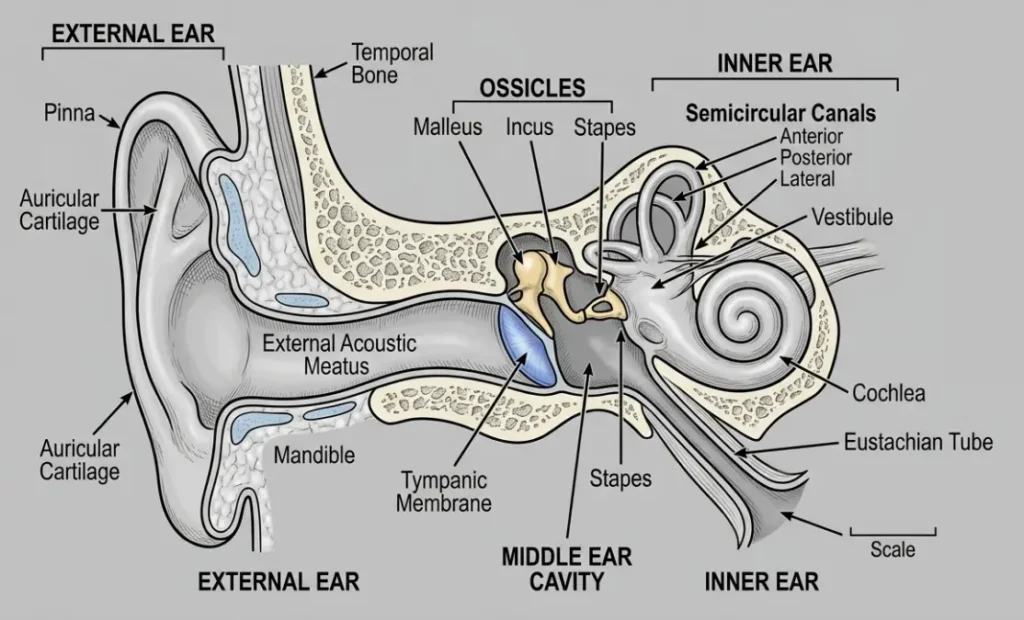
Hedgehogs have small but fully developed ears that are designed for survival rather than appearance. Even though they are not very noticeable, their ear structure is quite efficient and supports their strong sense of hearing.
External Ear Structure of Hedgehogs
The outer ear of a hedgehog is small, thin, and slightly rounded. It sits close to the head, which helps reduce exposure to damage. This shape also makes it easier for hedgehogs to move through grass, leaves, and narrow spaces without getting caught.
Unlike larger mammals, hedgehogs do not have big, open ear flaps. Instead, their outer ears are compact, which helps them stay protected while they explore their environment, especially at night.
Internal Ear Structure and Hearing Ability
Inside, hedgehogs have a well-developed inner ear system. This includes the same key parts found in many mammals that help detect sound vibrations and process them into signals the brain can understand.
Their hearing is quite sensitive, especially to low and mid-range frequencies. This helps them detect movement from insects, small prey, and potential predators even in complete darkness.
How Hedgehog Ears Compare to Other Small Mammals
Compared to animals like mice or rabbits, hedgehogs have less prominent outer ears but still maintain strong hearing ability. While rabbits rely heavily on large ears for long-distance sound detection, hedgehogs depend more on a combination of hearing, smell, and touch.
Can You Easily See a Hedgehog’s Ears?
No, hedgehog ears are not easy to see at first glance. They are small, thin, and often blend into the hedgehog’s head and spiny body, which makes them less noticeable compared to other animals.
In most hedgehogs, the ears are small, thin, and slightly folded. Because of this, they often blend into the fur and spines around the face. You usually need a calm hedgehog and a closer look to clearly spot them. When the animal is active or curled up, the ears become even harder to see.
Their hidden placement is actually useful for survival. Since hedgehogs move through grass, soil, and tight spaces, exposed ears would be more likely to get injured. Keeping them small and close to the head helps protect them from damage in the wild.
Read Also: Do Hedgehogs Have Whiskers
How Good Is a Hedgehog’s Hearing?
Hedgehogs have surprisingly good hearing, even though their ears look small and hidden. Their hearing is not the strongest sense compared to smell, but it is still very important for their survival. They can pick up soft sounds in their environment, especially at night when they are most active.
Their ears are sensitive to low and mid-range sounds, which helps them detect movement around them. This includes the rustling of leaves, insects moving in the grass, or the footsteps of a nearby predator. This ability allows hedgehogs to react quickly in dangerous situations.
Hedgehogs rely heavily on hearing because they are mostly nocturnal animals. In the dark, vision becomes less useful, so sound becomes a key tool for understanding what is happening nearby. Even small noises can alert them to food or danger.
However, hearing is not their only strong sense. Hedgehogs also depend greatly on smell and touch, which often work together with hearing. This combination of senses helps them build a clear picture of their surroundings, even when they cannot see well.
Why Hedgehog Ears Look Small or Hidden

Hedgehog ears often go unnoticed because of their small size and hidden placement. At first glance, it may even look like they do not have visible ears at all. But this design is actually a smart adaptation that helps them survive in the wild.
- Protection from injury: Hedgehogs move through grass, soil, and tight spaces. Small, close-fitting ears reduce the risk of cuts, scratches, or damage while they travel.
- Camouflage and survival advantage: Less visible ears make the hedgehog’s head look smoother and more compact. This helps them stay less noticeable to predators.
- Adaptation to ground-level living: Hedgehogs spend most of their time close to the ground. Large ears would be unnecessary and could easily get in the way during movement.
- Balance with other strong senses: Since hedgehogs rely more on smell and touch, their ears do not need to be large to dominate their survival system.
- Energy-efficient body design: Smaller external features require less maintenance and are more efficient for a small nocturnal animal.
Hedgehog Behavior Related to Ears
Hedgehog ears play a quiet but important role in how they behave and respond to their environment. Even though the ears are small, they are active and help the hedgehog understand what is happening around it, especially at night when it is most alert.
How Hedgehogs React to Sounds
Hedgehogs respond quickly to sudden or unfamiliar noises. A soft rustle in the grass can make them pause, freeze, or change direction. If the sound feels threatening, they may curl into a ball for protection. This reaction shows how closely their hearing is tied to survival behavior.
Ear Movement and Attention Signals
Hedgehogs can slightly move or adjust their ears to focus on sounds. This movement is subtle, but it helps them detect the direction of noise more clearly. When they are curious or exploring, their ears may point forward to pick up faint sounds from insects or movement nearby.
Communication Through Awareness
While hedgehogs do not use ears for communication like some social animals, their ear responses still reflect their mood and awareness. A relaxed hedgehog will have a calm posture with natural ear position, while a stressed or alert hedgehog becomes more sensitive to sound changes.
Read Also: Do Hedgehogs Have Claws
Common Myths About Hedgehog Ears
Hedgehog ears are often misunderstood because they are small and not very visible. This leads to several myths about how they look and how they function. In reality, hedgehogs have fully working ears that support their survival in important ways.
- Hedgehogs do not have ears: This is false. Hedgehogs do have ears, but they are small, close to the head, and often hidden by fur and spines.
- Hedgehogs cannot hear well: Also false. Hedgehogs have good hearing, especially for detecting nearby movement and low to mid-range sounds in their environment.
- Their ears are not useful: In reality, hedgehog ears play an important role in detecting danger, finding food, and staying alert at night.
- Ears are only for decoration in hedgehogs: This is incorrect. Their ears are functional sensory organs that work together with smell and touch to help them survive.
- All hedgehogs have the same ear appearance: Not true. Different species may have slightly different ear sizes and visibility, but all have functional hearing structures.
Do Hedgehog Ears Need Special Care?
Hedgehog ears do not usually need special or complicated care. In the wild, hedgehogs take care of themselves naturally, and even pet hedgehogs rarely require direct ear treatment unless there is a problem. However, basic awareness is important, especially for pet owners.
Ear Care Basics for Pet Hedgehogs
Pet hedgehogs generally keep their ears clean on their own. You do not need to clean inside their ears regularly. In fact, unnecessary cleaning can sometimes cause irritation or injury. A clean living environment is usually enough to keep their ears healthy.
Signs of Ear Problems
It is important to watch for unusual signs that may indicate an issue. These can include constant scratching near the ears, redness, swelling, discharge, or a bad smell. If a hedgehog shows these symptoms, it may have an infection or mite problem and should be checked by a vet.
Safe Hygiene Practices
Keeping the cage clean, removing dirty bedding, and avoiding excess moisture helps prevent ear-related issues. Stress-free handling also matters because stressed hedgehogs are more likely to scratch or irritate themselves.
When Veterinary Care Is Needed
If you notice ongoing discomfort or visible changes in the ears, professional care is the safest option. A veterinarian can properly examine the ears and provide treatment if needed, ensuring the hedgehog stays healthy and comfortable.
FAQs and Answers
Here are some common questions people ask about hedgehog ears and their hearing. These quick answers will help clear up remaining doubts in a simple way.
Do hedgehogs have visible ears?
Yes, hedgehogs do have ears, but they are small and close to the head, so they are not easy to notice at first glance.
Can hedgehogs hear well?
Yes, hedgehogs have good hearing, especially for nearby sounds. It helps them detect movement, food, and danger in their surroundings.
Do hedgehogs move their ears?
Yes, but only slightly. They can adjust their ears to better pick up sounds from different directions.
Are hedgehogs deaf?
No, hedgehogs are not deaf. This is a myth. Their hearing is functional and important for survival.
Do baby hedgehogs have ears?
Yes, baby hedgehogs are born with ears just like adults. They may look more visible because their bodies are smaller.
Can loud noises affect hedgehogs?
Yes, very loud or sudden noises can stress them. Hedgehogs prefer quiet environments, especially at night.