Can Hedgehogs Eat Mealworms? (5+ Critical Safety Facts)
Yes, hedgehogs can eat mealworms, but only in moderation as an occasional treat rather than a daily food source.
If you’ve ever watched a hedgehog sniffing around for snacks, you already know how curious and food-motivated these little spiky explorers can be.
Among the most commonly offered treats for pet hedgehogs are mealworms—tiny, wriggly insects that seem like a natural fit for their insect-loving diet. But just because hedgehogs can eat mealworms doesn’t automatically mean they should eat them freely.
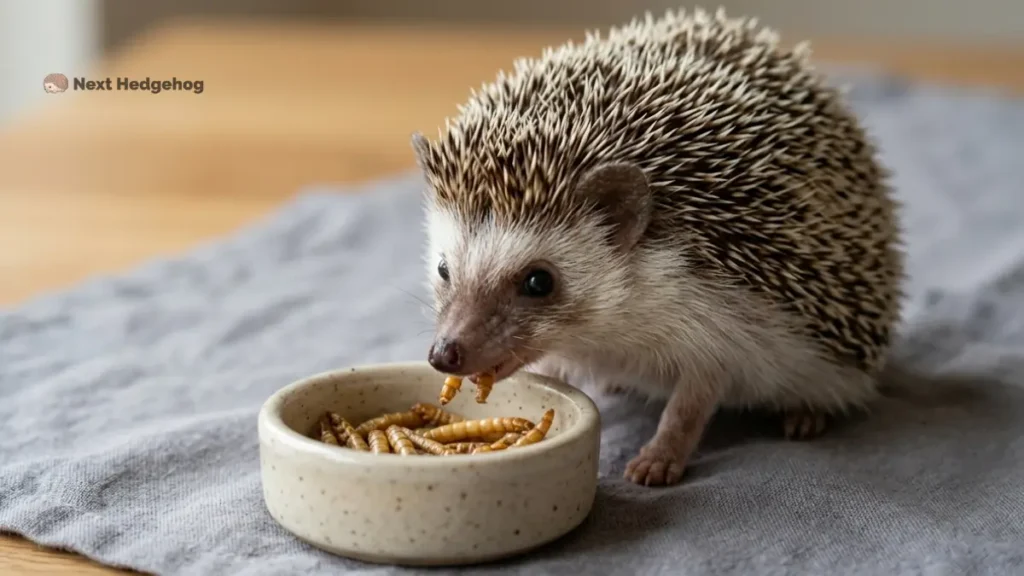
Understanding how mealworms fit into a hedgehog’s nutritional needs is essential for keeping them healthy, active, and thriving.
In this article, we’ll break down whether mealworms are safe, how often you should offer them, the benefits and risks involved, and what better alternatives you might consider for a balanced hedgehog diet.
What is Mealworm?
A mealworm is the larval form of the darkling beetle, commonly used as a high-protein food for pets, birds, and reptiles.
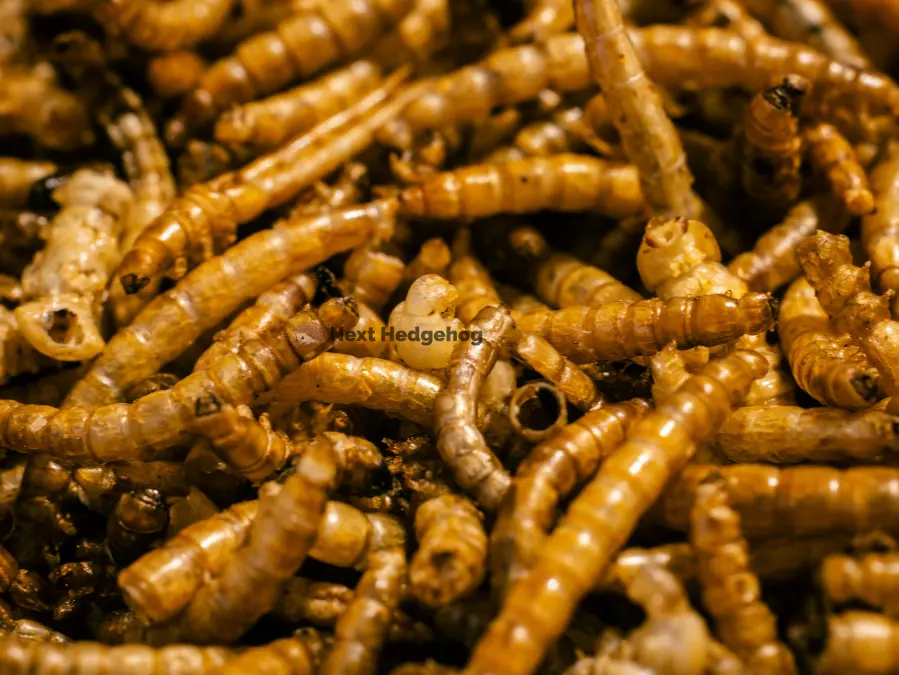
Mealworms are not actually worms at all, but insects in their early life stage. They go through a full life cycle: egg → larva (mealworm) → pupa → adult beetle. The “mealworm” stage is the most commonly used because it’s soft-bodied, easy to store, and highly nutritious for insect-eating animals.
These tiny larvae are rich in protein, fat, and essential nutrients, which is why they’re widely used as feed in the pet industry. You’ll often find them sold live, dried, or freeze-dried in pet stores, especially for animals like hedgehogs, chickens, birds, and reptiles.
Because of their high nutritional value and convenience, mealworms have become one of the most popular supplemental foods—but their rich fat content also means they need to be fed carefully, especially to small pets like hedgehogs.
Different Types of Mealworm
Mealworms come in several forms, and each type has its own texture, nutritional value, and best use depending on the pet’s diet and feeding needs.
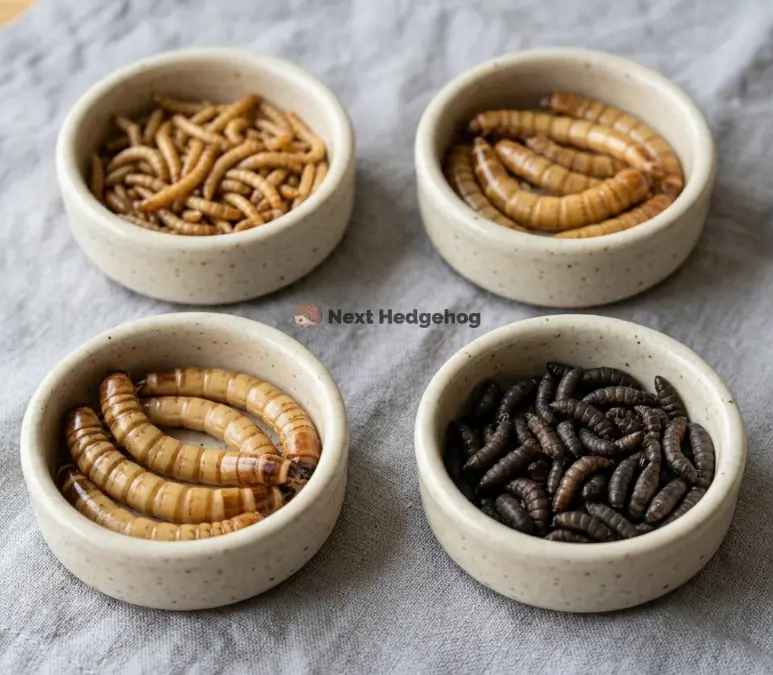
Understanding the different types of mealworms is important, especially if you’re feeding animals like hedgehogs, where balance and moderation matter. While all mealworms come from the same insect life cycle, the way they are processed or offered can change their moisture content, shelf life, and even how appealing they are to pets.
Fresh (Live) Mealworms
Live mealworms are the most natural form and are often preferred by insect-eating pets. They are active, wriggling larvae that provide stimulation as well as nutrition.
Hedgehogs, for example, are often more interested in live prey because it mimics their natural hunting behavior. However, live mealworms require proper storage and care to keep them healthy and safe to feed.
Dried Mealworms
Dried mealworms are dehydrated versions of live larvae. They are lightweight, easy to store, and have a long shelf life, making them very convenient for pet owners. While they still contain protein and fat, the drying process removes moisture, which can slightly reduce their nutritional value compared to live ones.
Freeze-Dried Mealworms
Freeze-dried mealworms are processed using low temperatures to preserve most of their nutrients while removing moisture. They are less messy than live mealworms and often more nutritious than standard dried ones. However, some pets may find them less appealing because they lack movement and natural scent.
Mealworm Pupae
Mealworm pupae are the transitional stage between larva and beetle. They are less commonly used as pet food but still edible. Their texture is softer and less active, making them less attractive to many insectivores, but they are still a natural part of the mealworm life cycle.
Adult Mealworm Beetles
These are the fully developed beetles that emerge from pupae. While technically edible, they are rarely used as pet food because they have harder exoskeletons and are less nutritious compared to the larval stage. Most pet owners avoid feeding beetles to small animals like hedgehogs.
Is Mealworm Safe for Hedgehogs?
Mealworms are generally safe for hedgehogs when offered in moderation, but they should never be a main part of their diet. Since hedgehogs are natural insect eaters, mealworms do match their instinctive feeding habits and can be a tasty treat they enjoy.
However, safety isn’t just about whether they can eat something—it’s also about how often and how much is given.
The main concern with mealworms is their high fat content and tough outer shell, called chitin. While hedgehogs can digest them, eating too many can lead to weight gain or digestive imbalance over time.
This is especially important for pet hedgehogs, which are less active than their wild counterparts and can easily become overweight if their diet is not carefully managed.
In small amounts, mealworms can be a useful occasional snack, especially for bonding or training purposes. Both live and dried mealworms are commonly used, but they should always be paired with a balanced diet that includes quality hedgehog food and other insects.
When treated as a supplement rather than a staple, mealworms are a safe and enjoyable addition to a hedgehog’s diet.
Nutritional Value of Mealworm
Mealworms are often considered a nutrient-dense insect snack for insectivorous pets like hedgehogs, thanks to their high protein and fat content. However, their nutritional profile is also the reason they must be fed carefully, as too much can easily unbalance a hedgehog’s overall diet.
Understanding what mealworms actually contain helps you decide how they fit into a healthy feeding routine.
Here’s a simple breakdown of the nutritional value of mealworms:
| Nutrient | Approximate Content (per 100g dried mealworms) | What It Means for Hedgehogs |
|---|---|---|
| Protein | 45–55% | Supports muscle growth, energy, and overall body maintenance |
| Fat | 25–35% | High energy source, but excessive intake can lead to weight gain |
| Fiber (Chitin) | 5–8% | Aids digestion in small amounts but can be hard to break down if overfed |
| Moisture | 5–10% (dried) / 60–70% (live) | Live mealworms provide hydration, dried ones do not |
| Calcium | Low | Needs to be balanced with other calcium-rich foods |
| Phosphorus | Moderate to high | Must be balanced with calcium to support bone health |
Benefits of Feeding Mealworm to Hedgehogs
Feeding mealworms to hedgehogs can be a helpful addition to their diet when done correctly, offering both nutritional and behavioral benefits. While they shouldn’t replace a balanced staple diet, they do serve as a useful treat that supports natural instincts and adds variety to feeding routines.
- High protein source: Mealworms provide a rich amount of protein, which helps support muscle development, energy levels, and overall body maintenance in hedgehogs.
- Encourages natural hunting behavior: Especially live mealworms, they stimulate a hedgehog’s instinct to forage and hunt, keeping them mentally engaged and active.
- Useful training treat: Because hedgehogs respond well to food rewards, mealworms can be used to build trust, encourage handling, or reinforce positive behavior.
- Easily available and convenient: Mealworms are widely sold in live, dried, and freeze-dried forms, making them easy for pet owners to store and feed when needed.
- Supports dietary variety: Adding mealworms occasionally helps diversify a hedgehog’s diet, preventing boredom and encouraging a more natural feeding experience.
- Long shelf life (dried forms): Dried and freeze-dried mealworms can be stored for long periods without refrigeration, making them a practical option for pet care.
Risks Factors of Overfeeding Mealworm
While mealworms can be a tasty and useful treat for hedgehogs, overfeeding them can lead to several health issues. Because they are high in fat and not nutritionally complete, relying too heavily on mealworms can quickly disrupt a hedgehog’s balanced diet and long-term wellbeing.
- Weight gain and obesity: Mealworms are calorie-dense, so frequent feeding can cause hedgehogs to gain excess weight, which puts stress on their heart and reduces mobility.
- Nutritional imbalance: Overfeeding mealworms can reduce intake of more balanced foods, leading to deficiencies in essential vitamins and minerals.
- Digestive issues: The hard chitin (outer shell) can be difficult to digest in large amounts, potentially causing constipation or mild gastrointestinal discomfort.
- Calcium deficiency risk: Mealworms have a poor calcium-to-phosphorus ratio, which, if overfed, may contribute to weakened bones over time.
- Reduced appetite for staple food: Hedgehogs may start preferring mealworms over healthier core foods like quality kibble or other insects.
- Fat-related health problems: Excess fat intake can increase the risk of fatty liver disease and other metabolic issues in captive hedgehogs.
Hedgehogs Mealworm Feeding Guide
Feeding mealworms to hedgehogs can be healthy and enjoyable when done in the right way, but it’s all about balance, portion control, and timing. Since mealworms are rich in fat and not nutritionally complete, following a proper feeding routine helps you avoid health issues while still letting your hedgehog enjoy them as a treat.
Step 1: Select the Right Type of Mealworm
Start by choosing between live, dried, or freeze-dried mealworms. Live mealworms are closest to a hedgehog’s natural prey and encourage hunting behavior, which is great for mental stimulation.
Dried and freeze-dried versions are more convenient, have a longer shelf life, and are easier to handle, but they may be slightly more calorie-dense and less engaging for the hedgehog. Your choice should depend on your pet’s preference and your storage convenience.
Step 2: Prepare a Safe Portion Size
Before feeding, always measure a small portion. A safe guideline is around 2–5 mealworms per feeding session, depending on your hedgehog’s size and overall diet. Avoid guessing or overpouring, as hedgehogs can easily overeat if given the chance. Remember, mealworms are treats—not a meal replacement—so keeping portions small is key to preventing weight gain and digestive issues.
Step 3: Feed at the Right Time of Day
Hedgehogs are nocturnal animals, meaning they are most active at night. The best time to offer mealworms is in the evening or just after sunset when your hedgehog naturally wakes up and starts foraging.
Feeding at the right time increases interest, encourages natural behavior, and helps them stay engaged with their food.
Step 4: Decide on Feeding Method (Hand vs Bowl)
You can either hand-feed or use a shallow dish. Hand-feeding is useful for bonding, especially if your hedgehog is still getting used to you. It helps build trust and positive associations.
However, if your hedgehog is shy or new to handling, placing mealworms in a shallow bowl allows them to eat comfortably without stress. Always ensure the feeding area is clean and safe.
Step 5: Observe Eating Behavior and Health Response
After feeding, pay attention to how your hedgehog reacts. They should show normal activity, good appetite, and no signs of digestive discomfort.
If you notice changes like bloating, reduced appetite, or unusual stool, reduce or pause mealworm feeding. Monitoring helps ensure the treat remains safe for your pet.
Step 6: Maintain Feeding Frequency Control
Even if your hedgehog loves mealworms, they should only be offered 2–3 times per week at most. Overfeeding can lead to obesity, poor nutrition balance, and dependency on treats over proper food. A consistent schedule helps maintain a healthy diet and prevents overindulgence.
Step 7: Store Mealworms Properly for Freshness
Proper storage is important for both live and dried mealworms. Live mealworms should be kept in a ventilated container with proper substrate and stored in a cool place to keep them alive and healthy.
Dried or freeze-dried mealworms should be stored in an airtight container away from moisture and heat to prevent spoilage and maintain nutritional quality.
Feeding Frequency Guidelines: By Age & Amount
Feeding mealworms to hedgehogs should always be adjusted based on their age, size, and activity level. Younger hedgehogs need more protein based foods for growth, while adults and seniors require stricter control to prevent weight gain and digestive issues. Using age-based guidelines helps ensure mealworms stay a safe treat rather than a dietary risk.
Here’s a simple feeding frequency guide based on age and recommended amount:
| Hedgehog Age Group | Recommended Mealworm Amount | Feeding Frequency | Notes |
|---|---|---|---|
| Baby (4–8 weeks) | 1–2 small mealworms | 1–2 times per week | Only under supervision; focus should be on mother’s milk or starter diet |
| Juvenile (2–6 months) | 2–4 mealworms | 2–3 times per week | Growing phase, but still needs balanced main diet |
| Adult (6 months–3 years) | 2–5 mealworms | 2–3 times per week | Ideal stage for controlled treat feeding |
| Senior (3+ years) | 1–3 mealworms | 1–2 times per week | Lower metabolism, risk of obesity and slower digestion |
Raw vs Cooked Mealworm
When it comes to feeding mealworms to hedgehogs, many pet owners wonder whether raw (live or dried) or cooked mealworms are the better option. Since hedgehogs are insectivores by nature, how the mealworms are prepared can affect both nutrition and safety.
Raw Mealworms
Raw mealworms—whether live or dried—are the most commonly used option for hedgehogs. Live mealworms provide natural movement, which stimulates hunting behavior and mental enrichment.
Dried or freeze-dried raw versions are also convenient and widely available. In their raw form, mealworms retain most of their original nutrients, especially protein and fat, making them a strong energy source.
However, they also contain a hard outer shell (chitin), which can be difficult to digest in large amounts, and they carry a higher risk of bacterial contamination if not stored properly.
Cooked Mealworms
Cooked mealworms are less common in hedgehog feeding but can be used in some cases. Cooking (usually boiling or lightly roasting without seasoning) helps kill bacteria and parasites, making them safer in terms of hygiene.
However, cooking can slightly reduce their nutritional value and also removes their natural movement, which makes them less appealing to hedgehogs. Most hedgehogs are less interested in cooked mealworms compared to live ones.
Final Decision
For most hedgehogs, raw mealworms—especially live or properly stored dried ones—are the preferred choice because they are more natural and nutritionally complete in their original form.
Cooked mealworms can be used occasionally for safety reasons, but they are not necessary for a healthy diet. The best approach is to prioritize raw mealworms in moderation while ensuring proper storage and hygiene to keep them safe.
Alternative Items You Can Offer
While mealworms are a popular treat for hedgehogs, they shouldn’t be the only option. Offering a variety of safe insects and protein-rich foods helps create a more balanced diet and keeps your hedgehog interested in feeding time. Variety also reduces the risk of overfeeding a single high-fat food like mealworms.
- Crickets: Crickets are one of the best alternatives to mealworms because they are high in protein and lower in fat. They also encourage natural hunting behavior and are easy for hedgehogs to digest when appropriately sized.
- Waxworms: Waxworms are very soft and highly palatable, making them a favorite treat for many hedgehogs. However, they are even higher in fat than mealworms, so they should only be given very occasionally.
- Roaches (Dubia roaches): Dubia roaches are a highly nutritious insect option with a better calcium-to-phosphorus balance than mealworms. They are also easier to digest and make an excellent staple insect choice in moderation.
- High-quality hedgehog kibble: A specially formulated hedgehog or insectivore kibble should form the base of the diet. It provides essential vitamins, minerals, and balanced nutrition that insects alone cannot offer.
- Cooked lean meats (small amounts): Plain, unseasoned cooked chicken or turkey can be offered occasionally as a protein boost. It should be given in very small portions and not replace insect-based foods, but it can add useful variety.