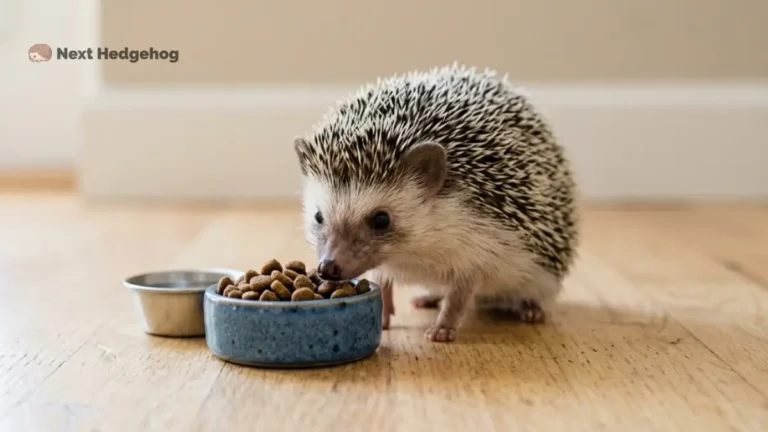
Best Treats for Hedgehogs: Top Healthy and Tasty Snacks
Caring for a pet hedgehog is a unique and rewarding experience. These small, nocturnal animals have specific dietary needs that every owner should understand. Choosing the right treats is more than just a way to spoil your hedgehog—it’s key to their health, happiness, and even life span.
The wrong snacks can cause obesity, digestive problems, or worse. But with the right treats, you support natural behaviors, provide important nutrients, and keep your hedgehog engaged. If you’re wondering what are the best treats for hedgehogs, this guide will help you make safe, smart choices.
What Makes A Good Hedgehog Treat?
Hedgehogs are insectivores by nature. That means most of their nutrition comes from insects, though they also eat plants and small amounts of fruits or vegetables in the wild. Store-bought treats often look convenient, but not all are healthy. Here’s what to look for in a good treat:
- High in protein: At least 30-35% protein content.
- Low in fat: Hedgehogs easily gain weight; look for treats with less than 10% fat.
- No added sugar or artificial flavors: These can cause digestive issues.
- Small, bite-sized pieces: Hedgehogs have tiny mouths and can choke on large items.
- Natural ingredients: Aim for whole foods or treats with few additives.
Top 10 Best Treats For Hedgehogs
Not all treats are created equal. Here are 10 popular and safe options, ranked for taste, nutrition, and safety.
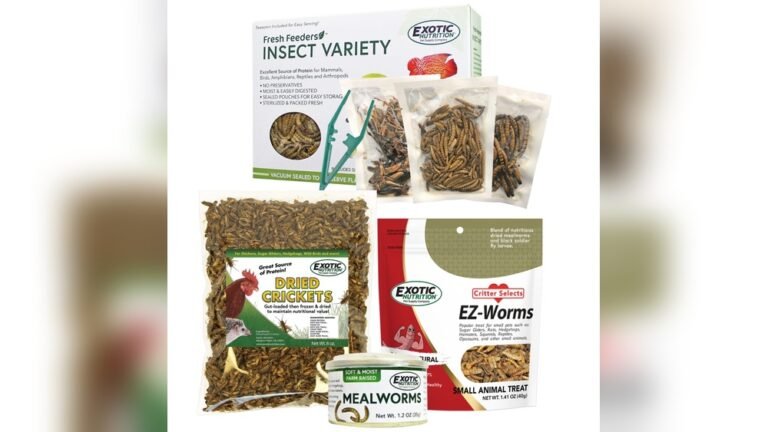
1. Mealworms
A hedgehog classic. Mealworms are high in protein, but also contain some fat. Offer as an occasional treat, not a daily staple. Freeze-dried or live mealworms can both be given; live ones encourage natural hunting behavior.
2. Crickets
Another excellent insect treat, crickets are lower in fat than mealworms and provide both protein and enrichment. Dust with calcium powder to improve nutrition.
3. Waxworms
These are very fatty, so use them sparingly. Waxworms can tempt picky eaters or help underweight hedgehogs, but they are like candy—best for special occasions.
4. Cooked Chicken Or Turkey
Plain, unseasoned poultry (boiled or baked, never fried) is a great protein boost. Cut into tiny pieces. Avoid any bones, skin, or seasonings.
5. Egg (cooked)
Scrambled or hard-boiled eggs (no oil or butter) offer protein and vitamins. Serve in small amounts.
6. Dubia Roaches
For owners willing to try something new, Dubia roaches are a sustainable, protein-rich insect. Many hedgehogs love the challenge of catching them.
7. Fruits (in Moderation)
Small bites of apple, banana, or berries are safe, but only a few times a week. Avoid citrus, grapes, and raisins, which are toxic.
8. Vegetables
Cooked carrots, sweet potato, or peas can be given in tiny amounts. Raw veggies can be hard to digest, so always cook them first.
9. Cat Kibble (as A Crunchy Treat)
A few pieces of high-protein, grain-free cat food can work as a treat. Make sure it’s not their main food source and check ingredients for quality.
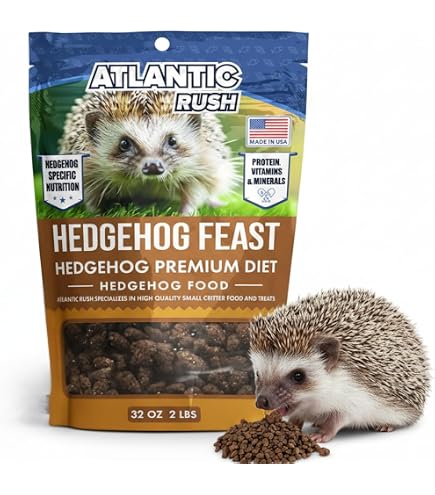
10. Commercial Hedgehog Treats
Some pet stores offer treats designed for hedgehogs. Always check the ingredient list—look for treats high in protein, low in fat, and without artificial colors or sugars.

Credit: www.amazon.com
Comparing Popular Hedgehog Treats
To help you see how these treats stack up in terms of nutrition, here’s a simple comparison:
| Treat | Protein (%) | Fat (%) | Best For |
|---|---|---|---|
| Mealworms | 20 | 13 | Occasional reward |
| Crickets | 18 | 6 | Regular treat |
| Waxworms | 15 | 21 | Special treat |
| Cooked Chicken | 25 | 3 | Lean protein boost |
| Egg (Cooked) | 13 | 11 | Vitamin variety |
| Dubia Roach | 23 | 7 | Live food enrichment |
Treats To Avoid
Some snacks can be dangerous for hedgehogs, even if they seem harmless. Here are foods to never offer:
- Dairy products: Hedgehogs are lactose intolerant.
- Nuts and seeds: Choking hazard and too fatty.
- Chocolate and candy: Toxic and high in sugar.
- Grapes and raisins: Can cause kidney failure.
- Raw meats or eggs: Risk of bacteria or parasites.
- Onion, garlic, and spicy foods: Toxic to hedgehogs.
How Often Should You Give Treats?
Treats should be less than 10% of your hedgehog’s total diet. Too many treats can lead to obesity or nutritional imbalance. Most owners offer treats 2–4 times per week, in small amounts. Always monitor your hedgehog’s weight and adjust as needed.
Safe Treat Preparation And Serving Tips
Hedgehogs have small mouths and sensitive digestion. Preparing treats correctly helps avoid accidents.
- Cut everything into small, manageable pieces—about the size of a pea.
- Remove skins, pits, and seeds from fruits and veggies.
- Cook all meats and eggs to avoid bacteria.
- Introduce new foods slowly to watch for allergies or stomach upset.
Many owners overlook the importance of variety. Offering different treats keeps your hedgehog interested and helps prevent picky eating. Rotate treats weekly instead of giving the same one every time.
Commercial Treats Vs. Natural Foods
You might notice a big selection of hedgehog treats in pet stores, but not all are created equal. Commercial treats are convenient but sometimes loaded with fillers. Natural foods, like insects or plain cooked meats, are closer to what hedgehogs eat in the wild.
Let’s compare store-bought and natural treats:
| Type | Pros | Cons |
|---|---|---|
| Commercial Treats | Easy to store, long shelf life, convenient | May contain fillers, lower nutrition, can be expensive |
| Natural Foods | High nutrition, supports natural foraging, fewer additives | Shorter shelf life, more prep needed, can spoil quickly |
Portion Control: How Much Is Too Much?
Hedgehogs are prone to obesity. Even “healthy” treats can add up quickly. Here’s a quick guide for portion sizes:
| Treat | Recommended Portion | Frequency |
|---|---|---|
| Mealworms | 4–6 worms | 2–3 times/week |
| Crickets | 2–3 crickets | 2–3 times/week |
| Cooked Chicken | 1 teaspoon (chopped) | 1–2 times/week |
| Fruit | 1–2 tiny pieces | 1–2 times/week |
| Egg | Half a teaspoon | Once/week |
Two insights many owners miss: First, treats like mealworms are often overfed because hedgehogs love them. Second, portion size matters even more if your hedgehog is less active—older or less playful hedgehogs should get even smaller portions.
Enrichment Value: Treats As Mental Stimulation
Treats aren’t just about nutrition. They can be used for enrichment—to stimulate your hedgehog’s mind and encourage natural foraging behaviors. Try hiding a few insects in their bedding, or use a puzzle feeder. This keeps your hedgehog active and reduces boredom, which can lead to stress or unhealthy behaviors like pacing or overeating.
Seasonal And Occasional Treats
Certain treats can be offered for variety or special occasions, like holidays or birthdays. Examples include:
- Cooked pumpkin (no spices) in fall
- Watermelon (seedless, in tiny amounts) in summer
But always introduce new foods with care, and never give large portions. Hedgehogs have sensitive stomachs and sudden changes can cause diarrhea.

Credit: exoticdirect.co.uk
Signs Of Treat-related Problems
Even with careful selection, some hedgehogs react poorly to new foods. Watch for:
- Loose stool or diarrhea
- Refusing regular food
- Unusual lethargy
- Vomiting
If you notice these symptoms, stop all treats and return to their regular diet. If symptoms continue, consult an exotic animal vet. Some treats, especially those with high fat or sugar, can quickly lead to digestive upset.
Where To Buy Quality Treats
For insects, look for pet-grade suppliers that raise bugs free of pesticides. Most reptile shops carry mealworms and crickets. For meats and eggs, use fresh, unseasoned products from your grocery store. Check that commercial treats are labeled for small animals and avoid products with a long list of artificial ingredients. For more detailed guidelines, the RSPCA offers updated advice on hedgehog care.
Credit: www.amazon.com
Frequently Asked Questions
What Fruits Are Safe For Hedgehogs?
Small amounts of apple, banana, and berries (like blueberries or raspberries) are safe. Always remove seeds and cut into tiny pieces. Avoid citrus, grapes, and raisins.
Can Hedgehogs Eat Cheese Or Milk?
No. Hedgehogs are lactose intolerant. Dairy can cause stomach upset, diarrhea, and other health problems. Never offer cheese, milk, or yogurt.
How Often Should I Give My Hedgehog Treats?
Treats should be given 2–4 times per week and make up less than 10% of their total diet. Overfeeding treats can lead to obesity and health issues.
Are Store-bought Hedgehog Treats Safe?
Some are, but always check ingredients for artificial colors, flavors, or high sugar. Look for treats with high protein and low fat. When in doubt, natural foods like cooked chicken or insects are a better choice.
My Hedgehog Is Overweight. Should I Stop Giving Treats?
If your hedgehog is overweight, reduce or pause treats. Focus on their main diet and increase activity through enrichment. Consult a vet for a safe weight loss plan.
Choosing the best treats for hedgehogs takes some research, but it’s worth the effort. With smart choices and careful portion control, treats can support a healthy, happy life for your prickly friend. Always monitor your hedgehog’s reaction to new foods, and don’t hesitate to seek expert advice if you notice any changes in behavior or health. Remember: a treat is just that—something special, not a daily staple. With the right treats, you’ll keep your hedgehog excited for snack time and thriving for years to come.