Can Hedgehogs Eat Sausage? What Every Owner Should Know
Can Hedgehogs Eat Sausage?
Hedgehogs are becoming more popular as pets, but many owners are unsure what foods are safe for these unique animals. One question that often comes up is whether hedgehogs can eat sausage. The short answer is no—sausage is not a good choice for hedgehogs.
However, understanding why this is the case is important for anyone who wants to keep their pet healthy and happy.
People often assume that because hedgehogs are omnivores, they can eat any kind of meat. But what is safe for humans is not always safe for hedgehogs. Sausage may seem like a tasty protein snack, but it contains ingredients that can harm your pet.
This article will explain why sausage is risky for hedgehogs, what might happen if your hedgehog eats some, and what better protein options are available. You’ll also find practical advice, clear comparisons, and answers to common questions at the end.
What Hedgehogs Eat In The Wild
Wild hedgehogs have a very different diet from pet hedgehogs. In the wild, they mainly eat insects, worms, and small creatures. Their bodies are adapted to digesting foods that are high in protein but low in fat and salt.
| Food Type | Percentage of Wild Diet |
|---|---|
| Insects (beetles, caterpillars) | 60-70% |
| Worms and Snails | 15-20% |
| Small Vertebrates (frogs, eggs) | 5-10% |
| Fruits and Plants | 5-10% |
This natural diet is very different from processed human foods like sausage. Wild hedgehogs do not encounter cooked meats, preservatives, or seasoning.
Why Sausage Is Unsafe For Hedgehogs
Sausage is a processed meat product that contains many ingredients which are not safe for hedgehogs. Let’s look at the main reasons why sausage should not be part of a hedgehog’s diet.
High Fat Content
Most sausages contain high levels of fat. Hedgehogs have a slow metabolism and cannot process a lot of fat. Too much fat in their diet can quickly lead to obesity, liver problems, and heart disease.
For example, a typical pork sausage contains around 25–30% fat. By comparison, insects and lean meats that hedgehogs eat in the wild are much lower in fat—usually around 5–10%. Feeding high-fat foods can cause your hedgehog to gain unhealthy weight and develop serious health issues.
Excess Salt And Spices
Sausages are usually high in salt and may also contain spices, garlic, or onion powder. These ingredients can be toxic to hedgehogs. Even a small amount of salt can cause dehydration and kidney stress. Onion and garlic are especially harmful and can damage red blood cells, leading to anemia.
Preservatives And Additives
To make sausage last longer, manufacturers add preservatives like nitrates and nitrites. These chemicals are not safe for hedgehogs. Their small bodies are more sensitive to toxins, and even small amounts of preservatives can cause digestive problems or worse.
Cooked Vs. Raw Protein
Hedgehogs do need protein, but the way sausage is prepared makes it unsuitable. Raw or minimally cooked meats (without seasoning) are much closer to what a hedgehog would eat in nature. Sausage is heavily processed, which changes the nutrients and makes it harder for hedgehogs to digest.

Credit: www.dreamstime.com
What Happens If A Hedgehog Eats Sausage?
Accidents happen, and sometimes a hedgehog might eat a small piece of sausage. Here’s what you should watch for:
- Digestive Upset: Vomiting, diarrhea, and loss of appetite are common if a hedgehog eats something it shouldn’t.
- Dehydration: High salt can cause your hedgehog to drink more water or become dehydrated if not enough water is available.
- Lethargy: Your hedgehog may become less active or seem tired.
- Serious Health Risks: Long-term exposure can lead to obesity, heart, and liver problems.
If your hedgehog eats sausage, monitor closely for symptoms. If you notice any worrying signs, contact a veterinarian who is familiar with exotic animals right away.
Comparing Sausage To Safe Hedgehog Foods
To make the risks clearer, here is a comparison of sausage to hedgehog-safe proteins:
| Food | Fat (%) | Salt (mg/100g) | Safe for Hedgehogs? |
|---|---|---|---|
| Pork Sausage | 25-30 | 800-1,000 | No |
| Boiled Chicken Breast (no skin) | 1-3 | 50-70 | Yes |
| Mealworms | 12-15 | 5-10 | Yes (in moderation) |
| Egg (boiled, plain) | 10-12 | 70-80 | Yes (occasionally) |
As you can see, sausage is much higher in fat and salt than foods that are safe for hedgehogs.
Safe Protein Alternatives For Hedgehogs
If you want to give your hedgehog a protein-rich treat, there are much better options. Here are some safe choices:
- Cooked chicken breast (no skin, no seasoning)
- Cooked turkey
- Boiled egg (in small amounts)
- Insects like crickets or mealworms (feed in moderation, as these are fatty)
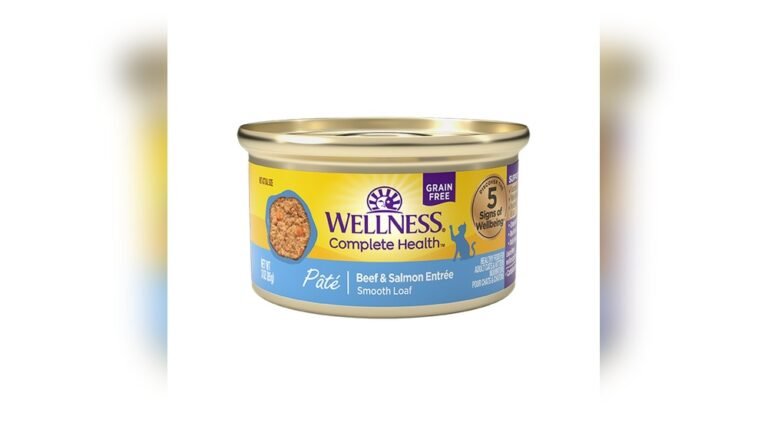
- Low-fat wet cat food (check for plain ingredients and no onion/garlic)
Always remember to give these foods plain, without salt, spices, or sauces. Variety is important, but treats should not make up more than 10% of your hedgehog’s diet.
Common Mistakes When Feeding Hedgehogs
Many new owners want to share their food with their pets, but this can be dangerous. Here are mistakes to avoid:
- Assuming all meats are safe: Just because a hedgehog is an omnivore does not mean it can eat processed meats.
- Feeding leftovers: Human leftovers often contain salt, spices, and fat that are unhealthy for hedgehogs.
- Overfeeding treats: Even safe foods can become dangerous if given in large amounts.
- Not reading labels: Some commercial pet foods or treats contain hidden ingredients like onion or garlic powder.
If you are ever unsure, consult a vet or look for advice from trusted sources, such as the British Hedgehog Preservation Society or similar organizations.

Credit: www.vecteezy.com
Practical Tips For Hedgehog Nutrition
Caring for a hedgehog’s diet is different from caring for a cat or dog. Here are two insights that beginners often miss:
- Portion size matters: Hedgehogs need small servings, about 1–2 teaspoons of protein treat at a time. Overfeeding can cause health problems even with safe foods.
- Monitor weight and behavior: Weigh your hedgehog every week and note any changes in appetite, stool, or energy. A sudden change can signal a dietary problem.
Always provide fresh water and clean food bowls daily. Never leave perishable food in the cage for more than a few hours.
What To Do If Your Hedgehog Accidentally Eats Sausage
If your hedgehog gets into sausage by mistake, don’t panic. Here’s a step-by-step guide:
- Remove any remaining sausage from the cage.
- Check your hedgehog’s mouth for pieces it might still be chewing.
- Observe your pet for at least 24–48 hours. Watch for vomiting, diarrhea, or signs of distress.
- Offer plenty of fresh water to help flush out salt and spices.
- Contact your vet if you see any symptoms or are worried.
Most hedgehogs will recover from a tiny amount, but regular or large amounts can be serious.
The Importance Of A Balanced Hedgehog Diet
A hedgehog’s overall health depends on getting the right balance of nutrients. The ideal pet hedgehog diet consists of:
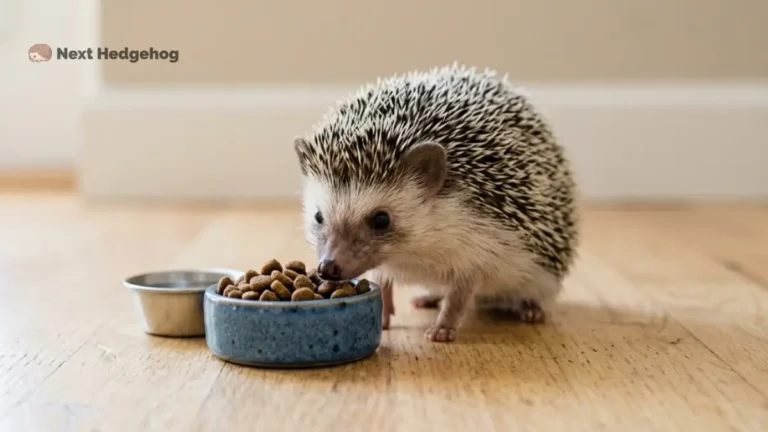
- High-quality commercial hedgehog food or dry cat food as a staple (with protein content around 30–35%)
- Occasional protein treats (see above)
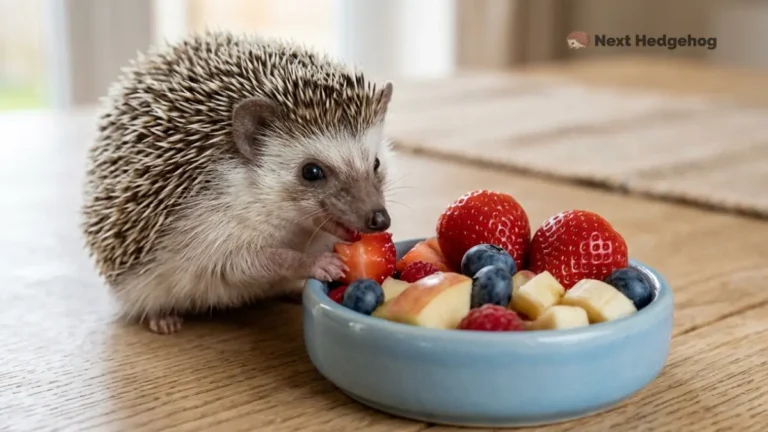
- Small amounts of fruit or vegetables (avoid grapes, raisins, onions)
- Fresh water at all times
Avoid giving dairy, processed foods, raw meats, or sugary snacks. These can cause digestive upset, obesity, or worse.
When To See A Vet
If you ever notice any of the following after your hedgehog eats the wrong food, seek veterinary help:
- Lethargy or weakness
- Loss of appetite for more than 24 hours
- Bloody or black stool
- Vomiting or severe diarrhea
Early treatment is best. Exotic vets are familiar with small animals like hedgehogs and can provide the right care.

Credit: predatorfreenz.org
Real-life Example: Why One Hedgehog’s Snack Turned Dangerous
A hedgehog owner once shared that their pet ate a small piece of sausage dropped during a family meal. At first, nothing seemed wrong, but by the next day the hedgehog was less active and had loose stool. A visit to the vet showed the hedgehog had mild dehydration and needed fluids.
The vet explained that even a little sausage can upset a hedgehog’s digestive system due to its fat and salt content. The hedgehog recovered, but the owner learned to keep all human food out of reach.
This story shows how easy it is to make a mistake and why it is important to understand your pet’s needs.
More Resources For Responsible Hedgehog Owners
For more information about safe foods and hedgehog care, the following resource is helpful: RSPCA Hedgehog Diet Advice. Always choose trusted animal welfare organizations or veterinary sources for up-to-date guidance.
Frequently Asked Questions
Can Hedgehogs Eat Any Type Of Sausage, Like Chicken Or Turkey Sausage?
No. Even chicken or turkey sausages are processed with salt, spices, and preservatives, making them unsafe for hedgehogs. The type of meat does not remove the risks linked to sausage.
How Much Protein Do Hedgehogs Need?
Hedgehogs need a diet with 30–35% protein. This should come from high-quality cat food, hedgehog food, or plain cooked meats—not processed products like sausage.
What Are Signs Of Salt Poisoning In Hedgehogs?
Signs include lethargy, drinking a lot of water, weakness, or tremors. Severe cases can cause seizures or death, so contact a vet if you notice these symptoms.
Are There Any Human Foods That Are Safe For Hedgehogs?
A few human foods are safe in small amounts, such as plain cooked chicken, turkey, or boiled egg (no seasoning). Never give processed meats, dairy, or foods with sugar.
What Should I Do If My Hedgehog Eats Sausage By Accident?
Remove any remaining sausage, observe your hedgehog for 24–48 hours, and make sure it drinks enough water. Contact your vet if you notice vomiting, diarrhea, or lethargy.
Feeding hedgehogs the right diet is not always easy, but it is key to a long and healthy life. Understanding the dangers of sausage and other processed foods will help you keep your pet safe. When in doubt, stick to simple, natural foods and consult your vet for advice.
Your hedgehog depends on you for its health and happiness.