Can Hedgehogs Eat Crickets? Safe Feeding Guide for Pet Owners
Can Hedgehogs Eat Crickets?
Hedgehogs are fascinating, spiky pets loved for their curious nature and unique diet. Many owners want to give their hedgehogs a diet that feels natural and healthy. If you watch hedgehogs in the wild, you’ll notice they eat many insects. This raises a common question: Can hedgehogs eat crickets? The answer is yes—but there’s much more to know before adding crickets to your hedgehog’s meal plan. Feeding crickets can offer nutrition and enrichment, but it’s important to understand the benefits, risks, and best practices. Let’s explore how crickets fit into a hedgehog’s diet, how to feed them safely, and what mistakes to avoid.
Why Consider Crickets For Hedgehogs?
Crickets are not just a random snack. In the wild, hedgehogs are insectivores—insects make up a large part of their natural diet. Crickets are a popular choice for pet owners wanting to mimic this wild menu. But what makes crickets appealing?
- High protein: Crickets are about 60% protein by dry weight, which is essential for growth and energy.
- Low fat: They provide lean nutrition, helping prevent obesity.
- Natural prey behavior: Chasing live crickets encourages exercise and mental stimulation.
- Varied nutrients: Crickets contain vitamins and minerals like calcium, iron, and B vitamins.
However, crickets are not a “perfect” food. They must be balanced with other foods to avoid nutritional gaps. Understanding the pros and cons helps you make the best choices for your hedgehog’s health.
Nutritional Value Of Crickets
Feeding crickets isn’t just about fun and activity. Their nutritional profile matches the needs of many small insect-eating animals. Here’s a breakdown of what you’ll find in crickets:
| Nutrient (per 100g, dry weight) | Crickets | Mealworms | Superworms |
|---|---|---|---|
| Protein | 60g | 50g | 20g |
| Fat | 20g | 35g | 17g |
| Calcium | 75mg | 20mg | 10mg |
| Phosphorus | 800mg | 1200mg | 800mg |
As you can see, crickets offer a good balance of protein and lower fat compared to mealworms and superworms. The calcium content in crickets is higher, but still not enough to meet all of a hedgehog’s needs. The phosphorus level is also quite high, which can affect calcium absorption. This is why crickets should be one part of a varied diet, not the only insect offered.
How To Feed Crickets Safely
Crickets can be a healthy snack, but only if fed correctly. Here’s how to do it right:
- Choose the right source: Buy crickets from pet stores or breeders, not bait shops or wild-caught. Wild crickets may carry diseases or pesticides.
- Right size: Pick crickets smaller than the space between your hedgehog’s eyes. Larger crickets can be hard to chew or may bite back.
- Gut-load before feeding: Feed the crickets nutritious food (like vegetables or commercial cricket food) 24 hours before giving them to your hedgehog. This boosts their nutrient content.
- Dust with calcium: Lightly coat crickets with a reptile-safe calcium powder before feeding. This helps balance the high phosphorus level in crickets.
- Feed live or pre-killed: Some hedgehogs love chasing live crickets; others prefer pre-killed or freeze-dried for easier eating.
- Feed in moderation: Limit to 2-4 crickets per feeding, 2-3 times a week. Too many can cause digestive upset or unbalance the diet.
Feeding Method Comparison
Here’s a quick look at different ways to offer crickets:
| Feeding Method | Pros | Cons |
|---|---|---|
| Live crickets | Encourages hunting, exercise, mental stimulation | Can hide in cage, may bite, harder to monitor intake |
| Freeze-dried crickets | Convenient, no risk of escape, easy to store | Less stimulating, may lose some nutrients |
| Pre-killed crickets | Safe, easy to eat, no escape risk | No hunting behavior, may be less appealing for some hedgehogs |
Some hedgehogs may refuse dead crickets if they’re used to hunting. Try different options to see what your pet prefers.
Benefits Of Crickets In A Hedgehog’s Diet
Feeding crickets offers more than just nutrition. Here’s why many experts recommend including them in your hedgehog’s menu:
- Natural enrichment: Hunting crickets helps hedgehogs use their senses, reducing boredom.
- Protein boost: Growing, pregnant, or active hedgehogs benefit from extra protein.
- Dental health: Crunching insects can help keep teeth clean and strong.
- Variety: A varied diet is less likely to cause food boredom or picky eating.
A common mistake is thinking crickets can replace all other foods. They are a supplement—high-quality hedgehog kibble or a mix of insects, lean meats, and vegetables should form the main diet.

Credit: heavenlyhedgies.com
Risks And Precautions
While crickets are safe when handled properly, there are risks to know:
- Parasites and bacteria: Wild or poorly-raised crickets may carry harmful germs. Only use crickets from trusted sources.
- Imbalanced nutrition: Too many crickets can lead to calcium deficiency due to their high phosphorus content.
- Choking hazard: Large crickets or hard exoskeletons can cause choking, especially in young or older hedgehogs.
- Pesticide exposure: Never use crickets collected from outdoors, gardens, or areas that might be sprayed with chemicals.
Some owners overlook the need to gut-load and dust with calcium. Skipping these steps can lead to long-term health issues like metabolic bone disease.
How To Introduce Crickets To Your Hedgehog
If your hedgehog has never eaten crickets before, a careful introduction is best:
- Start small: Offer one small cricket and observe your hedgehog’s reaction.
- Supervise feeding: Watch to make sure your hedgehog chews and swallows properly. Remove uneaten crickets after 10-15 minutes.
- Increase gradually: If tolerated well, add more crickets over the next weeks.
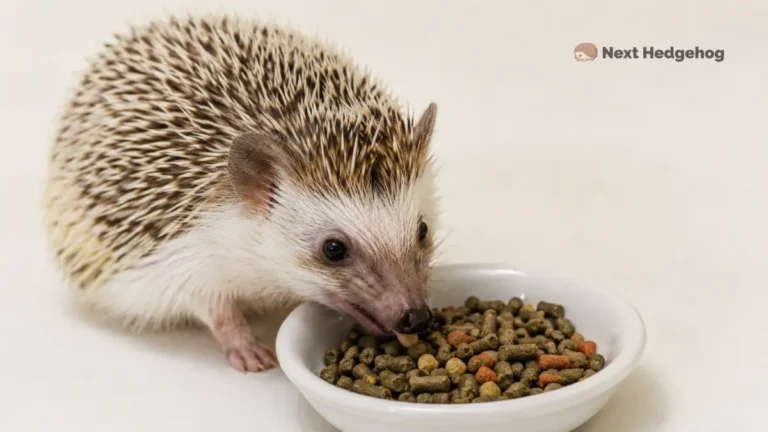
- Mix with other foods: Combine crickets with kibble or cooked meats for variety.
If your hedgehog refuses crickets, try freeze-dried or crush the cricket and mix with favorite foods. Not all hedgehogs take to insects right away, especially if raised on kibble.
Common Mistakes When Feeding Crickets
Even experienced owners can make mistakes with insect feeding. Avoid these errors:
- Overfeeding: Crickets should never be the main food. Too many can cause digestive upset.
- Feeding wild-caught crickets: These often carry parasites or chemicals.
- Not gut-loading: Crickets with empty stomachs offer little nutrition.
- Ignoring calcium needs: Failing to dust with calcium can lead to weak bones over time.
An often-missed detail is the importance of hygiene. Clean uneaten crickets and waste from the cage daily to prevent bacteria buildup.
Alternatives To Crickets
If your hedgehog doesn’t like crickets, or you want to add variety, other insects can be used:
- Mealworms: High in fat, so feed as a treat only.
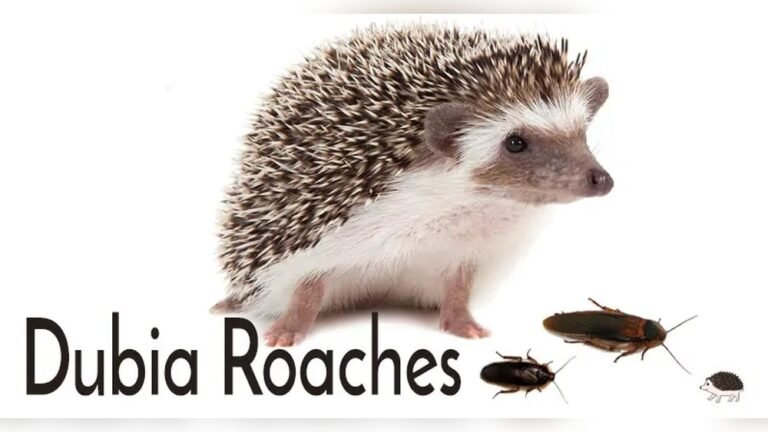
- Dubia roaches: Similar nutrition to crickets, but less likely to escape.
- Waxworms: Very fatty, use only for underweight or sick hedgehogs.
- Silkworms: Soft-bodied, easy to digest, moderate protein.
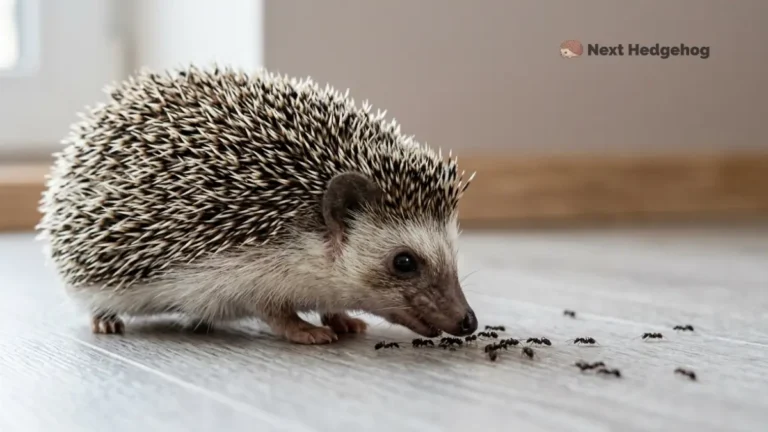
Not all insects are safe. Avoid fireflies, spiders, and insects from outside. Stick to pet-safe, captive-bred options.

Credit: exoticdirect.co.uk
How Many Crickets Should A Hedgehog Eat?
There’s no single answer, but these guidelines help:
- For an average adult hedgehog (250-400g): 2-4 small to medium crickets, 2-3 times per week.
- For young, growing, or pregnant hedgehogs: Up to 5 crickets, but always balance with other foods.
- For overweight hedgehogs: Fewer crickets, focus on lean proteins and vegetables.
Monitor your hedgehog’s weight and stool. If you see diarrhea, reduce the amount or frequency.
Practical Feeding Tips
- Use a separate feeding dish or container to prevent crickets from escaping into bedding.
- Remove uneaten live crickets after feeding time—they can bite or stress your hedgehog.
- Keep a feeding schedule. Regular meals help with digestion and predictability.
- Offer water at all times. Insects alone do not provide enough hydration.
A useful tip: if your hedgehog is a picky eater, try crushing the cricket’s shell slightly to release the scent and make it more appealing.
Scientific Perspective And Expert Opinions
Research supports insects as a healthy part of hedgehog diets. The European Hedgehog in the wild eats 70% insects, including beetles, caterpillars, and crickets. According to the British Hedgehog Preservation Society, insects provide amino acids and micronutrients that processed foods cannot fully match.
However, experts warn that captive hedgehogs are prone to obesity if fed too many fatty insects. They recommend insects as 10–15% of the total diet by weight. For more on hedgehog diets, visit the Wikipedia page on hedgehogs.
Frequently Asked Questions
Can Hedgehogs Eat Wild-caught Crickets?
No, it is not safe. Wild-caught crickets may carry pesticides, parasites, or bacteria that can harm your hedgehog. Always use crickets from a pet-safe, captive-bred source.
How Often Should I Feed My Hedgehog Crickets?
Feed crickets 2-3 times per week, with 2-4 crickets per meal for an average adult. Adjust for age, health, and activity level.
Do Crickets Need To Be Gut-loaded Before Feeding?
Yes, gut-loading is important. Feed crickets healthy foods like carrots, leafy greens, or special cricket food 24 hours before offering them to your hedgehog. This increases their nutritional value.
What Are Signs My Hedgehog Is Not Tolerating Crickets?
Watch for diarrhea, vomiting, or refusal to eat after feeding crickets. If you notice these, stop offering crickets and consult a veterinarian.
Can Baby Hedgehogs Eat Crickets?
Yes, but only small, soft-bodied crickets. Start with pinhead or very small crickets and always supervise. Gradually introduce larger crickets as your hedgehog grows.
Giving hedgehogs crickets can be both healthy and fun for your pet if done right. Crickets offer protein, enrichment, and a taste of the wild. By choosing the right crickets, preparing them properly, and feeding in moderation, you help your hedgehog thrive.
Remember, crickets are just one part of a balanced diet—variety and careful care are key to a happy, healthy hedgehog.
Credit: congresofrutosrojos.com