Do Hedgehogs Hibernate: Uncover the Truth About Their Winter Sleep
Have you ever wondered what happens to hedgehogs when winter arrives? You might be curious if these spiky little creatures curl up and hibernate like bears do.
Understanding whether hedgehogs hibernate isn’t just interesting—it’s important if you want to help them survive the colder months. You’ll discover the truth about hedgehog hibernation, how it works, and what you can do to support these fascinating animals. Keep reading to find out everything you need to know about hedgehogs and their winter habits!
Credit: www.green-feathers.co.uk
Hedgehog Hibernation Basics
Hedgehog hibernation is a fascinating survival strategy. It helps these small mammals survive cold months. Understanding their hibernation basics can help you support wild and pet hedgehogs better.
Hedgehogs enter a deep sleep-like state to save energy. During this time, their body functions slow down. This reduces the need for food when it is scarce outside.
What Is Hibernation?
Hibernation is a long period of inactivity. Animals lower their heart rate and body temperature. This state helps them use less energy. It usually happens in winter when food is limited.
For hedgehogs, hibernation means deep sleep. They stay in nests or burrows. Their breathing slows down, and they barely move. This helps them survive cold weather.
Why Hedgehogs Hibernate
Hedgehogs hibernate to avoid cold and food shortage. Winter brings freezing temperatures and fewer insects. Insects are their main food source. Without hibernation, they would struggle to find enough food.
Hibernation also protects hedgehogs from harsh weather. Staying hidden in a nest keeps them safe. It reduces risk from predators and extreme cold. This rest period helps them regain strength for spring.
Typical Hibernation Periods
Hedgehogs usually hibernate from late fall to early spring. This can last from November to March or April. The exact timing depends on the climate and location.
In warmer areas, hedgehogs may hibernate for shorter times. In colder regions, their hibernation lasts longer. They wake up briefly during warm spells to drink water. But they do not eat until spring arrives.
Hedgehog Behavior During Winter
Hedgehogs change their habits as winter arrives. They prepare for cold weather and less food. Their bodies slow down to save energy. This time is very important for their survival. Understanding their winter behavior helps us protect them better.
Changes In Activity
Hedgehogs reduce their activity during winter. They avoid searching for food often. Their movements become slow and rare. Most hedgehogs enter a deep sleep called hibernation. This state helps them keep energy until spring comes. They wake up only a few times during winter.
Nesting And Shelter Choices
Before winter, hedgehogs build warm nests. They use dry leaves, grass, and twigs. These nests keep them safe and insulated. Hedgehogs prefer quiet places like under bushes or wood piles. They stay hidden from predators and cold winds. Good shelter is key to surviving cold months.
Movement Between Nesting Sites
Sometimes hedgehogs move to different nests in winter. They look for better protection or warmer spots. This movement is slow and careful. Changing nests helps avoid damp or damaged shelters. It also helps them stay safe if disturbed by animals or weather.
Wild Vs. Pet Hedgehogs
Wild hedgehogs and pet hedgehogs behave very differently during winter. Wild hedgehogs prepare for hibernation by eating a lot to build fat. They find safe places like leaf piles or burrows to sleep through cold months. Their body temperature and heart rate drop to save energy.
Pet hedgehogs live in controlled environments. They do not need to hibernate like wild ones. Their owners provide warmth and steady food, so their bodies do not enter hibernation. This difference is important to understand for proper care.
Do Pet Hedgehogs Hibernate?
Pet hedgehogs usually do not hibernate. Their cages are kept warm and cozy. This stops their body from entering a hibernation state. If a pet hedgehog gets too cold, it may try to hibernate. This is very risky and can harm their health.
Risks Of Hibernation For Pets
Hibernation can cause serious problems for pet hedgehogs. Their small bodies may get too cold. This leads to dehydration and organ damage. Sometimes, they do not wake up from hibernation. Owners must prevent their pets from entering this state.
How To Care For Pet Hedgehogs In Winter
Keep the room temperature steady around 72°F (22°C). Use a heating pad or lamp if needed. Provide fresh food and water daily. Avoid sudden temperature drops. Watch your hedgehog for signs of lethargy or cold. Consult a vet if you suspect hibernation attempts.

Credit: www.gardenersworld.com
Supporting Hedgehogs Through Winter
Hedgehogs face tough challenges during winter. Supporting them helps their survival. Simple steps in your garden or yard can make a big difference. Creating safe spots and providing food and water keeps them strong through cold months.
Creating Safe Habitats
Hedgehogs need quiet, warm places to rest. Piles of leaves, logs, or compost make good shelters. Avoid disturbing these areas during winter. You can also use a wooden box filled with dry leaves. Place it in a shady, calm spot. This helps hedgehogs stay safe from predators and harsh weather.
Feeding Tips For Winter
Food is scarce in winter. Leave out dry cat or dog food with meat. Avoid milk or bread, as they can harm hedgehogs. Fresh water is important too. Feed small amounts regularly to help them build fat reserves. Feeding helps hedgehogs survive until spring.
Providing Water And Shelter
Water can freeze in cold weather. Use shallow dishes and check them often. Change the water daily to keep it fresh. Shelter should protect from rain and wind. A small, covered box works well. Keep it dry and off the ground to avoid dampness.
Signs Of Hibernation And Health Checks
Understanding the signs of hibernation in hedgehogs is important for their care. Watching for these signs helps you know if your hedgehog is healthy or needs help. Regular health checks during colder months protect these small animals from harm. Hedgehogs lower their body temperature and slow their breathing when hibernating. This natural state can sometimes be mistaken for illness.
How To Tell If A Hedgehog Is Hibernating
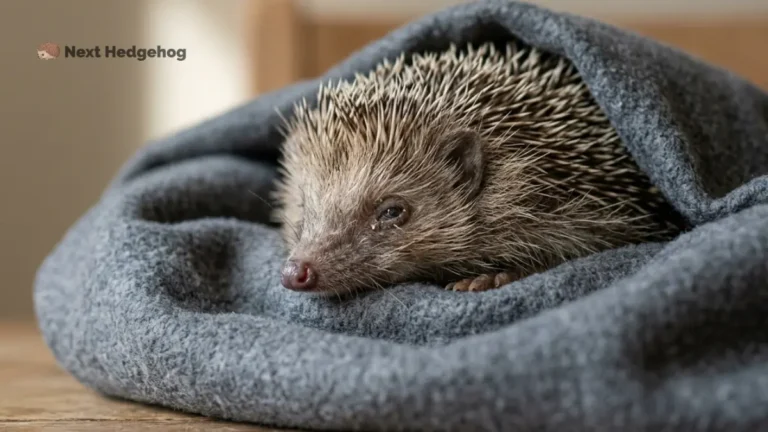
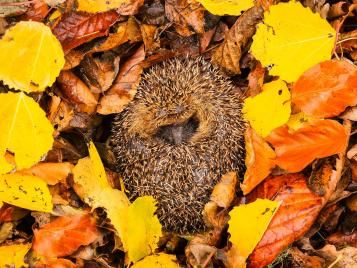
A hibernating hedgehog appears very still and quiet. Its breathing is slow and shallow. The body feels cool to the touch, much cooler than usual. The hedgehog stays curled up in a tight ball. It hides in a nest made of leaves or grass. These signs usually show from late fall to early spring. The animal will not respond much to noise or movement.
Distinguishing Hibernation From Illness
Illness signs differ from hibernation. Sick hedgehogs may have wet noses or eyes. They might shiver or tremble instead of being calm. Illness causes weakness and sometimes open wounds or discharge. A sick hedgehog often smells bad or looks dirty. Unlike hibernating hedgehogs, sick ones may try to move but seem confused or weak. Checking for these signs helps avoid confusion.
When To Intervene
Intervention is needed if the hedgehog is cold but not calm. If breathing is irregular or very fast, help is required. A hedgehog that does not curl up or respond at all may be in danger. If the animal looks thin or has wounds, do not wait. Contact a wildlife expert or vet quickly. Early help can save a sick or injured hedgehog’s life.
Common Misconceptions
Many people confuse facts about hedgehog hibernation. These misunderstandings can cause incorrect care for wild and pet hedgehogs. Clearing up these myths helps protect these small animals during colder months.
Understanding the difference between hibernation and other states is key. Also, knowing how weather affects hedgehogs can improve how we help them in winter.
Hibernation Vs. Torpor
Hibernation is a long, deep sleep during winter. Hedgehogs lower their body temperature and heart rate for weeks. Torpor is a short rest lasting hours or days. Hedgehogs use torpor to save energy in cold or food-scarce times. Pet hedgehogs may enter torpor, but full hibernation is risky for them.
Do Hedgehogs Hibernate Together?
Hedgehogs are solitary animals. They do not hibernate in groups or share nests. Each hedgehog builds its own nest for winter. Crowding can cause stress and spread disease. Solitary hibernation helps them stay safe and warm alone.
Impact Of Weather On Hibernation
Cold weather triggers hedgehogs to prepare for hibernation. Mild winters may delay or shorten hibernation periods. Sudden warm spells can cause hedgehogs to wake early. This confuses their food supply and body rhythm. Extreme cold without enough fat stores can be deadly.

Credit: green-backyard.com
Frequently Asked Questions
Should I Let My Hedgehog Hibernate?
Do not let pet hedgehogs hibernate. Their small size risks dehydration, organ damage, or death from low body temperature.
Where Do Hedgehogs Go During Winter?
Hedgehogs hibernate during winter, usually from October to March. They nest in leaves, logs, or compost piles for warmth and safety.
When Should I Stop Feeding The Hedgehogs In My Garden?
Stop feeding hedgehogs in late spring after hibernation ends. Continue feeding through autumn to help build fat reserves for winter.
Do Hedgehogs Return To The Same Garden?
Hedgehogs often return to familiar gardens for food and shelter. They may nest in the same area but sometimes move nests. Consistent garden features and safe habitats encourage their return.
Conclusion
Hedgehogs hibernate to survive cold months without food. Wild hedgehogs prepare by building fat reserves. Pet hedgehogs often cannot prepare well. This makes hibernation risky for them. Gardeners can help by providing food and shelter. Watching for signs helps ensure their safety.
Understanding hedgehog hibernation supports their care and protection. Keep feeding hedgehogs year-round to support their health. Helping hedgehogs stay safe benefits nature and your garden.