Do Hedgehogs Eat Poop: Surprising Facts You Need to Know
Have you ever caught your hedgehog sniffing or even licking its own poop and wondered, “Do hedgehogs eat poop?” It’s a common question that puzzles many hedgehog owners. While it might seem strange or even gross to you, this behavior has a surprising explanation rooted in how hedgehogs explore their world and care for themselves.
If you want to understand why your spiky friend acts this way and what it means for their health and happiness, keep reading. You’ll discover the truth behind this odd habit and learn how to keep your hedgehog safe and comfortable every day.

Credit: www.cbc.ca
Hedgehog Eating Habits
Hedgehogs have unique eating habits that help them stay healthy and active. Understanding their diet and behavior gives insight into their daily life. Their feeding patterns are simple but important to follow.
Typical Hedgehog Diet
Hedgehogs eat mostly insects like beetles, worms, and caterpillars. They also enjoy small amounts of fruits and vegetables. Some pet hedgehogs eat specially made hedgehog food or dry cat food. Protein is key in their diet for energy and growth.
How Often They Poop
Hedgehogs have a fast metabolism, so they poop often. Usually, they poop once or twice a day. Their droppings are small and dry. Regular bowel movements show good health and digestion.
Common Feeding Behaviors
Hedgehogs are mostly nocturnal feeders. They explore for food at night using their nose and paws. Sometimes, they lick or nibble on unusual objects, but this is not eating poop. This behavior is called self-anointing, where they spread saliva on their spines.
Why Hedgehogs Interact With Poop
Hedgehogs often come into contact with poop during their daily activities. This behavior can confuse many pet owners. Understanding why hedgehogs interact with poop helps clarify their habits. It is not about eating waste for nutrition. Instead, it relates to unique behaviors and accidental contact. These interactions are natural and have specific reasons behind them.
Self-anointing Explained
Self-anointing is a strange but common behavior in hedgehogs. When they smell strong scents, like those in feces, they react quickly. They chew the material and create a foamy saliva. Then, they spread this saliva on their spines. This action helps mask their own scent. It can also protect them from predators. Self-anointing is about scent, not eating poop for food.
Accidental Contact During Activity
Hedgehogs are active creatures with fast metabolisms. They often poop while moving or running on wheels. Sometimes, this causes accidental contact with their waste. They might step in or brush against poop without meaning to. This contact can seem like they are interested in feces. In reality, it is just part of their natural movement and environment exploration.
Not A Nutritional Practice
Hedgehogs do not eat poop to gain nutrients. Their diet mainly includes insects, fruits, and vegetables. Eating feces does not provide the nutrition they need. When hedgehogs lick or chew poop, it is usually related to self-anointing or curiosity. It is not a habit for feeding. Knowing this helps owners understand that poop interaction is not harmful or a sign of poor diet.
Self-anointing Behavior
Hedgehogs show a strange habit called self-anointing. This behavior involves spreading saliva mixed with different substances over their spines. It looks odd but serves a special purpose. Understanding this habit explains why hedgehogs sometimes interact with poop.
What Triggers Self-anointing
Strong smells or new scents often trigger self-anointing. Hedgehogs react to unusual odors in their environment. They chew the source, mix it with saliva, and spread it on their backs. This reaction helps them adapt or protect themselves.
How Hedgehogs Use Poop In Self-anointing
Hedgehogs may chew on feces if it carries a strong smell. They do not eat it for food but to collect scent. Then, they create a frothy saliva and spread it on their quills. This action may help mask their own scent from predators.
Other Substances Used
Besides poop, hedgehogs self-anoint with many things. These include toad skin, certain plants, tobacco, and soap. Each new smell can cause them to repeat this behavior. It shows how sensitive hedgehogs are to smells.

Credit: 15minutesofgreen.com
Hedgehog Cleanliness
Hedgehogs are naturally clean animals. They use different methods to keep their bodies tidy. Their grooming habits help remove dirt and parasites. Pet owners often wonder about their hygiene routines. Understanding these habits shows that hedgehogs are not dirty pets.
In the wild, hedgehogs spend a lot of time cleaning themselves. They use their tongues and paws to groom their spines and fur. This natural behavior keeps them healthy and comfortable.
Natural Grooming Habits
Hedgehogs groom by licking their spines and fur. They use their front paws to wipe their faces. This helps remove dirt and loose skin. Grooming also reduces the risk of mites and ticks. Most hedgehogs keep clean without help.
Bathing And Nail Care
Bathing is only needed if a hedgehog gets very dirty. Use warm water and a gentle shampoo made for small pets. Avoid bathing too often to protect their skin. Nail trimming is important to prevent overgrowth. Trim nails carefully to avoid hurting the hedgehog.
Are Hedgehogs Dirty Pets?
Hedgehogs are not dirty pets by nature. They clean themselves regularly. Any bad smell usually comes from poor cage cleaning. Regularly clean the cage and change bedding. This keeps your pet’s environment fresh and healthy.
Health Concerns And Diet
Hedgehogs have unique dietary needs that affect their health. Understanding their eating habits helps spot any problems early. Poop eating, also known as coprophagy, can sometimes indicate health issues. It is important to know when this behavior is normal and when it could be a sign of trouble. Their diet must be balanced to avoid nutritional gaps that might cause unusual eating habits. Regular health checks ensure your hedgehog stays happy and healthy.
When To Worry About Poop Eating
Hedgehogs may lick or chew poop occasionally, but frequent eating is a concern. Persistent coprophagy might signal digestive issues or stress. Watch for changes in appetite or behavior along with poop eating. If your hedgehog seems weak or loses weight, consult a vet. Sudden changes in eating habits should never be ignored.
Nutritional Deficiencies To Watch For
Poor diet can lead to nutrient shortages in hedgehogs. Lack of fiber or protein might cause them to eat unusual things. Signs include dull quills, low energy, and poor growth. Feeding a mix of insects, fruits, and quality hedgehog food helps prevent deficiencies. Balanced meals support digestion and reduce unwanted behaviors.
Consulting A Vet
A vet can identify health problems linked to poop eating. They may perform tests to check for parasites or infections. Proper diagnosis leads to effective treatment and diet advice. Regular vet visits keep your hedgehog in good shape. Don’t delay a vet visit if you notice strange eating habits.
Wild Hedgehog Eating Patterns
Wild hedgehogs have diverse eating habits. Their diet varies with the seasons and available food. They mostly hunt at night. Their eating helps control insect populations in their habitat.
Understanding their wild diet helps explain some behaviors seen in pet hedgehogs. It also clarifies myths about them eating unusual things, like poop. Observing wild hedgehogs reveals their natural food preferences.
Invertebrates And Insects
Hedgehogs mainly eat insects and other invertebrates. Beetles, caterpillars, and worms are common choices. They use their sharp noses to find hidden prey. These small creatures provide protein and energy.
Insects make up the bulk of a wild hedgehog’s diet. This helps keep insect numbers balanced in the ecosystem. Hedgehogs hunt actively, moving through leaves and undergrowth.
Varied Diet In The Wild
Besides insects, wild hedgehogs eat fruits, nuts, and fungi. They take what is easy to find and digest. Seasonal changes affect food availability and diet choices. This variety helps them get enough nutrients year-round.
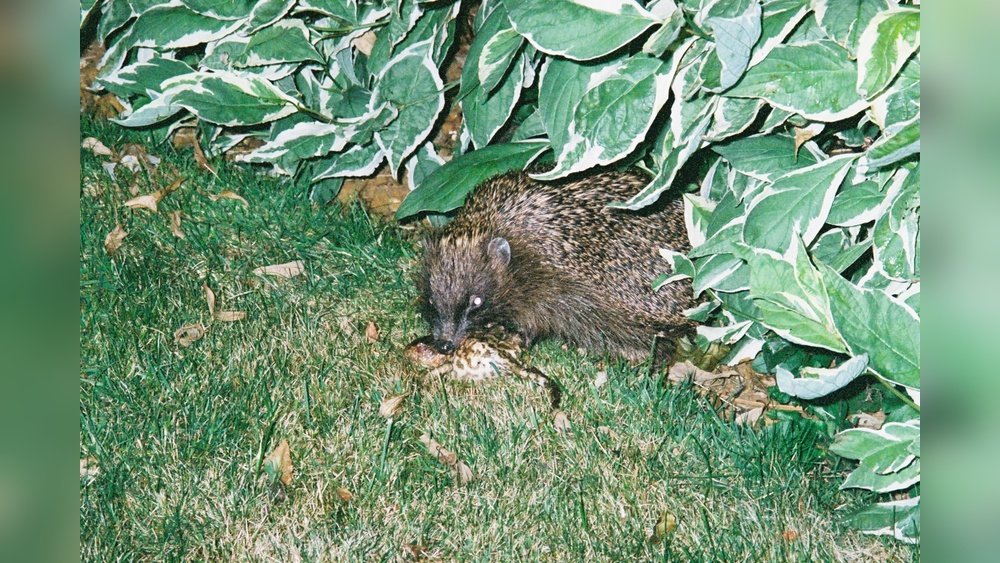
Hedgehogs also eat small vertebrates like frogs or bird eggs sometimes. Their diet is flexible and opportunistic. This helps them survive in different environments.
Differences From Domestic Hedgehogs
Pet hedgehogs eat more controlled diets. Owners provide commercial food and occasional treats. They lack the variety wild hedgehogs find outside. This can change their natural eating behavior.
Domestic hedgehogs do not hunt or forage like wild ones. They may show strange habits like licking or chewing feces. This is not typical eating but a behavior called self-anointing. Understanding wild diet explains these odd actions.
Common Misconceptions
Many people have questions about hedgehogs and their eating habits, especially about poop. Some believe hedgehogs eat poop regularly. Others think this behavior means they are dirty or unhealthy. These ideas are not always true. Understanding what hedgehogs do helps clear up these common myths.
Do Hedgehogs Eat Poop Regularly?
Hedgehogs do not eat poop as a normal part of their diet. Sometimes they may lick or chew on feces, but this is rare. This action is linked to a behavior called self-anointing, not eating for nutrition. Hedgehogs mostly eat insects, fruits, and vegetables. Poop is not a food source for them.
Hedgehog Eating Etiquette
Hedgehogs have unique habits when it comes to eating. They often explore new smells by licking or nibbling on objects. When they encounter strong odors, they create a foamy saliva and spread it on their spines. This is a natural way to protect themselves. It is not a sign they want to eat poop or are dirty.
Clarifying Myths
Many myths surround hedgehogs and poop. People think hedgehogs eat poop to get nutrients, like rabbits do. This is false. Hedgehogs have a different digestive system and diet. Seeing a hedgehog near feces does not mean it is eating it. Often, they are just curious or involved in self-anointing. Knowing this helps pet owners care for hedgehogs better.

Credit: www.reddit.com
Frequently Asked Questions
Do Hedgehogs Cover Themselves In Poop?
Hedgehogs sometimes cover themselves in feces during self-anointing. They chew and smear it to react to strong smells, not to eat it. This behavior is unusual but normal and not related to nutrition.
Are Hedgehogs Dirty Pets?
Hedgehogs are generally clean pets and groom themselves regularly. They rarely need baths unless very dirty. Nail trimming helps maintain hygiene.
What Should You Never Feed A Hedgehog?
Never feed hedgehogs dairy, raw meat, sugary foods, nuts, onions, garlic, or processed human snacks. These harm their health.
What States Ban Hedgehogs?
Hedgehogs are banned in California, Georgia, Hawaii, Pennsylvania, Washington, and New York City due to local regulations.
Conclusion
Hedgehogs do not eat poop as part of their diet. Sometimes, they may lick or chew it during self-anointing. This behavior helps them spread interesting smells on their quills. It is not about eating for nutrition. If your hedgehog often interacts with poop, watch for other signs.
Healthy hedgehogs should have a balanced diet and clean habits. Knowing this helps you care for your pet better. Keep an eye on your hedgehog’s behavior and diet daily. Healthy habits lead to a happy, active hedgehog.