Why Do Hedgehogs Circle Each Other: Surprising Behaviors Explained
Have you ever watched two hedgehogs circling each other and wondered why they do it? If you’re curious about this strange, almost hypnotic behavior, you’re not alone.
Those little creatures aren’t just wandering aimlessly—they’re performing a fascinating ritual that reveals a lot about their nature. Understanding why hedgehogs circle each other can change the way you see these shy animals and even help you support them better in your garden or local park.
Keep reading to discover the surprising reasons behind this curious dance and what it means for hedgehogs in the wild.
Credit: www.youtube.com
Hedgehog Circling Behavior
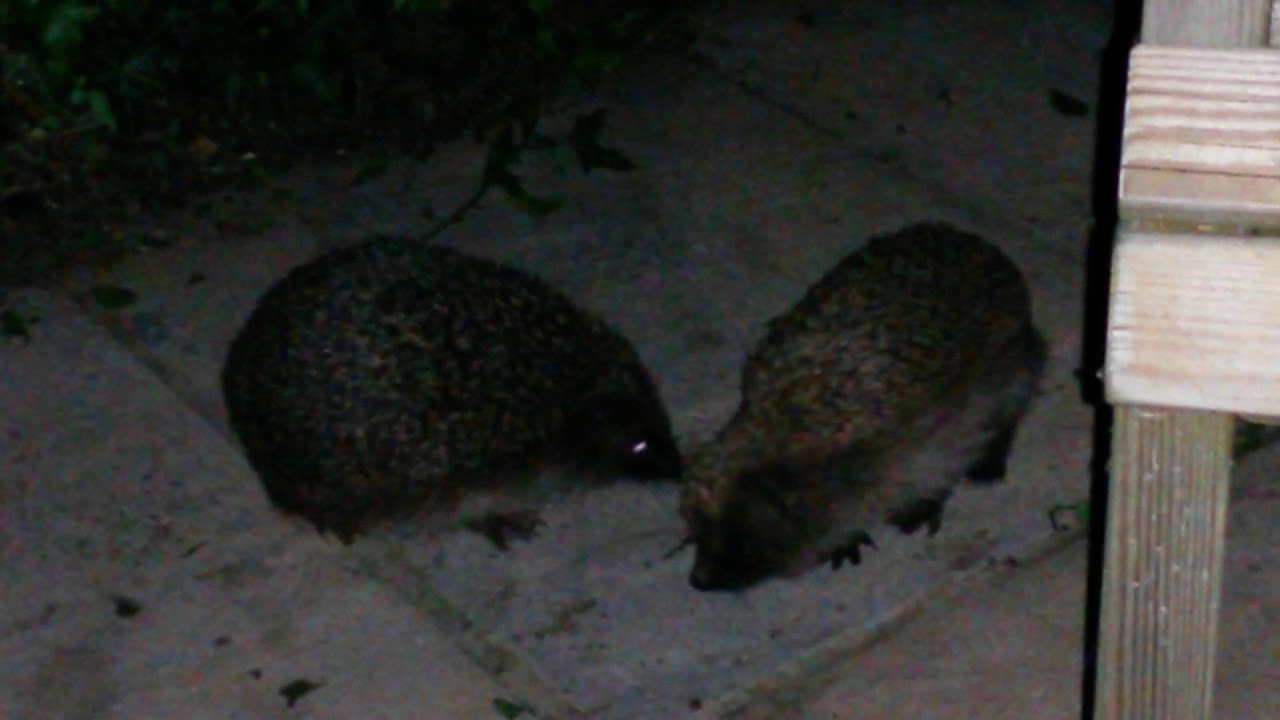
Hedgehogs often circle each other, a behavior many find curious. This movement involves two hedgehogs walking in small circles, sometimes for extended periods. It is a natural part of their interactions and serves different purposes depending on the context. Understanding this behavior helps to decode their communication and social habits.
Circling is most noticeable during certain times of the year, especially when hedgehogs prepare to mate. It can also indicate other social signals. Observing these patterns gives insight into how hedgehogs interact with each other in the wild.
Common Reasons For Circling
One main reason hedgehogs circle is courtship. The male hedgehog circles the female to show interest. This can last for hours as he tries to persuade her. The female tests the male’s stamina by continuing the dance.
Another reason is territorial behavior. Circling can help hedgehogs mark or defend their space. It is a way to communicate presence without fighting. Sometimes, hedgehogs circle each other out of curiosity or as part of play.
The Hedgehog Carousel Explained
The “hedgehog carousel” is the name given to their circling courtship dance. The male moves around the female while she turns to face him. They keep this pattern going in a rhythmic way.
This ritual helps the female decide if the male is a suitable mate. It also allows the male to show his fitness. The dance is slow and deliberate, often accompanied by sounds.
Sounds Accompanying Circling
Hedgehogs often make soft snorting or huffing sounds while circling. These noises are part of their communication during courtship. The male’s sounds can signal his presence and intentions.
The female may respond with grunts or clicks. These sounds help both hedgehogs stay in sync during the dance. Listening to these noises provides clues about their mood and interaction.

Credit: www.youtube.com
Courtship And Mating Rituals
Hedgehogs have a unique and fascinating way of courting before mating. Their ritual is a careful dance filled with circling and signals. This behavior helps both hedgehogs decide if they are ready to mate. Understanding these actions reveals much about their nature and instincts.
Male’s Persistent Circling
The male hedgehog circles the female in a steady, slow pattern. This behavior can last for hours without pause. His goal is to gain the female’s attention and show his strength. He also makes soft snorting sounds to communicate his intentions.
Female’s Response And Signals
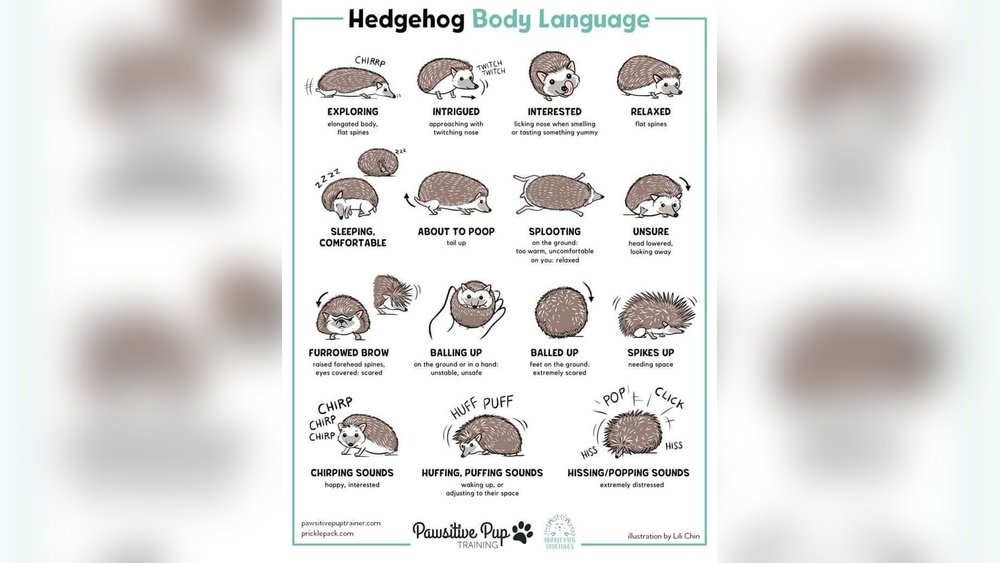
The female hedgehog reacts by pivoting to face the male’s movements. She watches him closely and signals her mood through body language. If she is not ready, she may hiss or roll into a ball. A receptive female will stay relaxed and keep circling with him.
Duration And Purpose Of The Dance
The circling dance can last from minutes to several hours. This slow dance helps the pair build trust and assess compatibility. It reduces the chance of injury since hedgehogs have sharp spines. The ritual ensures both are willing before mating begins.
Post-mating Behavior
After mating, the male quickly leaves the area. He plays no role in caring for the young. The female prepares to raise the babies alone. This separation helps prevent fights and allows the female to focus on motherhood.
Territorial And Rival Interactions
Hedgehogs use circling behavior not just for courtship but also to handle rivalry. They are solitary animals and often defend their space. Circling helps them communicate and decide who owns the territory. This interaction reduces direct fighting, which can cause injury.
Territorial and rival interactions are common among male hedgehogs. These encounters shape who stays in an area and who moves on. Circling is a key part of these contests, helping males size each other up and avoid unnecessary conflict.
Circling Among Rival Males
Male hedgehogs circle each other to establish dominance. This behavior is a way to test strength and courage without physical harm. Circling allows males to assess their opponent’s size and aggression. The one who backs down first usually leaves the area.
Chasing And Head-butting
Sometimes circling leads to chasing or head-butting. These actions show a male’s willingness to fight for territory. Head-butting is a low-risk way to push a rival away. Chasing forces the weaker hedgehog to retreat quickly.
Noise And Its Role In Competition
Hedgehogs make grunts, snorts, and hisses during circling. These sounds signal aggression and readiness to fight. Noise helps warn rivals to keep their distance. It also helps avoid physical fights by showing strength through sound.
Other Reasons For Circling
Hedgehogs are known for their circling behavior, especially during mating. Yet, circling serves other purposes too. It helps them explore their environment and interact socially. Understanding these reasons gives us a clearer picture of hedgehog habits.
Exploration And Movement
Hedgehogs often circle to explore new areas. This movement helps them map their surroundings. Circling allows them to check for food or spot dangers. It is a natural way to stay aware and safe. Sometimes, they circle simply to move from one place to another. This behavior is common during their nightly activities.
Social Interactions Beyond Mating
Circling also plays a role in social communication. Hedgehogs may circle each other to establish boundaries. This helps prevent fights and keeps peace. It can also be a way to learn about other hedgehogs nearby. Circling is part of their social life, not just for courtship. It shows how hedgehogs connect and understand each other.
How To Support Visiting Hedgehogs
Supporting visiting hedgehogs helps maintain healthy wildlife in your garden. Small actions create a welcoming space for these curious creatures. Providing safety and encouraging natural habits benefits their wellbeing. Understanding what to avoid during their sensitive mating season protects their delicate interactions.
Creating A Safe Garden Habitat
Remove harmful chemicals from your garden. Pesticides and slug pellets can poison hedgehogs. Leave leaf piles and logs for shelter and nesting. Create small gaps in fences to allow easy access. Provide shallow water dishes to keep them hydrated. Keep your garden quiet at night to avoid stress.
Encouraging Natural Behaviors
Offer food like mealworms and cat food to supplement their diet. Avoid feeding bread or milk as it can harm them. Plant native shrubs and bushes for natural cover. Allow insects to thrive by avoiding over-cleaning. Let hedgehogs explore and forage freely. Observe quietly without disturbing their activities.
What To Avoid During Mating Season
Limit garden noise and bright lights at night. Avoid handling hedgehogs during their courtship to reduce stress. Do not separate or interfere with circling pairs. Keep pets indoors to prevent harassment or injury. Refrain from moving or disturbing nests. Let nature take its course for healthy hedgehog populations.

Credit: www.wildlifeonline.me.uk
Frequently Asked Questions
What Does It Mean When Hedgehogs Circling Each Other?
Hedgehogs circling each other signals courtship or mating behavior. The male circles the female, making snorting sounds to gain her acceptance.
How Do You Know If A Hedgehog Is Happy?
A happy hedgehog shows relaxed body posture, explores actively, purrs softly, and curls up calmly when comfortable.
How To Tell If Hedgehogs Are Mating?
Hedgehogs mate at night with loud snuffling and grunting. The male circles the female for hours, trying to persuade her. The female pivots to face him, and mating follows if she accepts.
Do Hedgehogs Recognize You?
Hedgehogs can recognize familiar humans by scent and voice over time. They may respond to your presence with curiosity or trust.
Conclusion
Hedgehogs circle each other mainly as part of their courtship dance. This behavior helps males show strength and win females’ attention. Sometimes, they circle while competing with other males. Circling also helps them communicate through sounds and movements. Watching this behavior gives insight into their natural life.
Understanding these actions helps us appreciate hedgehogs more. Next time you see them circling, remember it’s a special ritual. It shows nature’s simple yet fascinating ways of connection.