Do Hedgehogs Eat Bugs? Surprising Facts You Need to Know
Hedgehogs are small, spiny mammals that have captured the interest of animal lovers and pet owners worldwide. But while their appearance is charming, many people wonder about their natural diet—specifically, do hedgehogs eat bugs? This question is more than just curiosity; understanding what hedgehogs eat is key to keeping them healthy in the wild and as pets.
In this article, you’ll find clear, detailed answers about hedgehogs’ eating habits, the role of insects in their nutrition, and what this means for anyone caring for these unique creatures.
What Do Hedgehogs Eat In The Wild?
Hedgehogs are often called insectivores, but their diet is more varied than many realize. In their natural environments across Europe, Africa, and Asia, hedgehogs are opportunistic feeders. This means they eat a wide range of foods, depending on what is available.
Natural Diet Breakdown
In the wild, a hedgehog’s diet might include:
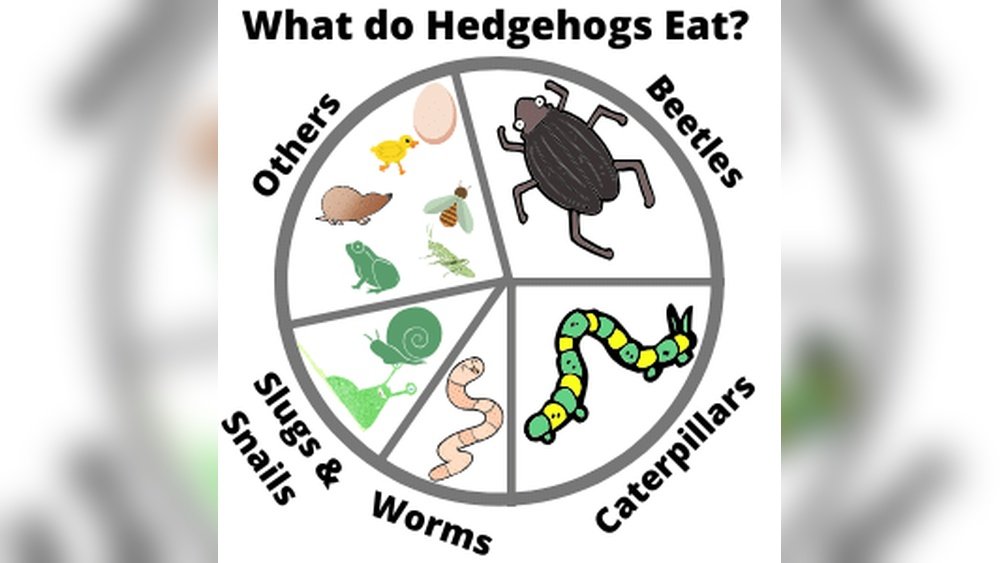
- Insects: Beetles, caterpillars, earthworms, and slugs are common choices.
- Other invertebrates: Spiders, millipedes, and snails.
- Small vertebrates: Occasionally, baby rodents, frogs, or small reptiles.
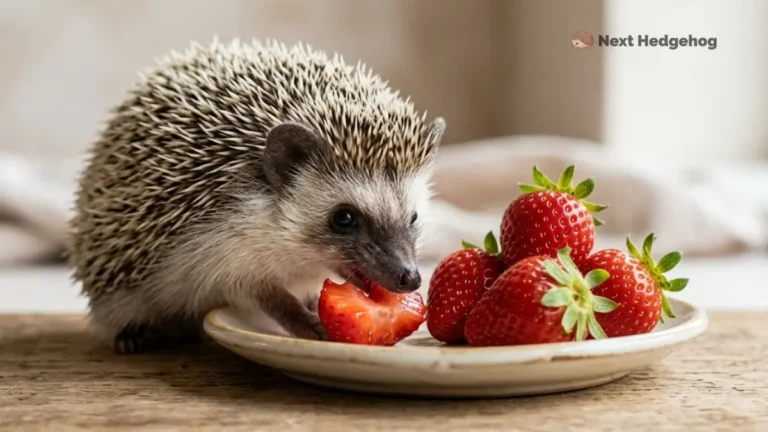
- Plant matter: Berries, roots, and leaves, though in smaller amounts.
- Eggs: Sometimes, they will eat bird eggs if they find them.
Wild hedgehogs rely heavily on insects and other small creatures as their main food source. Studies show that up to 70% of a wild hedgehog’s diet can be made up of insects and invertebrates, especially during the summer months when these foods are abundant.
The Importance Of Bugs In A Hedgehog’s Diet
Bugs are not just a tasty snack for hedgehogs—they are critical for their survival and health. Here are several reasons why insects play such a large role:
- High protein content: Hedgehogs need protein to grow, heal, and maintain their spines. Insects provide a dense source of this nutrient.
- Essential fats: Certain bugs, especially beetles and larvae, contain healthy fats that help hedgehogs store energy.
- Micronutrients: Insects are packed with vitamins and minerals, like calcium and iron, which are difficult for hedgehogs to get from plants alone.
- Digestive health: The chitin (a tough fiber) in insect shells helps keep a hedgehog’s digestive system working well.
Eating a variety of bugs allows hedgehogs to meet their nutritional needs. Without insects, wild hedgehogs would struggle to survive.

Credit: www.woodlandtrust.org.uk
Hedgehogs As Pets: Should They Eat Bugs?
Pet hedgehogs, especially the popular African pygmy hedgehog, are now common in many homes. Their dietary needs are similar to their wild cousins, but there are important differences to consider.
Commercial Foods Vs. Live Insects
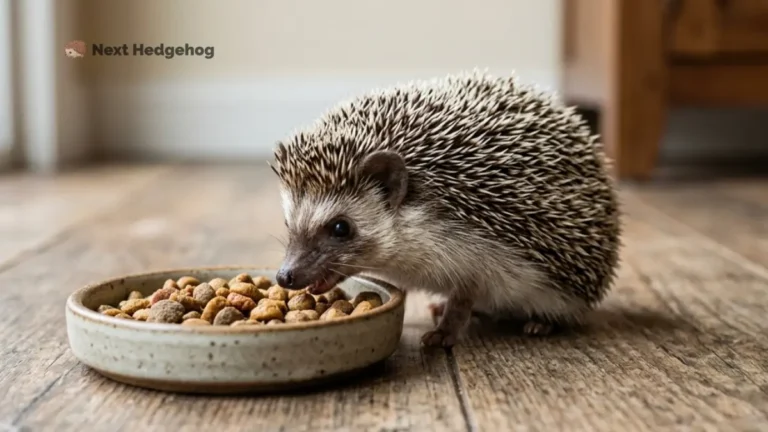
Most pet hedgehogs are fed commercial hedgehog food or high-protein cat food. These products are designed to give a balanced diet, but they may lack the variety and micronutrients found in wild diets.
Many experts recommend supplementing with insects. Here’s why:
- Mental stimulation: Hunting or foraging for live insects in their enclosure prevents boredom.
- Natural behavior: Eating bugs encourages natural instincts, which keeps hedgehogs happier and healthier.
- Better nutrition: Live or dried insects (like mealworms or crickets) can provide extra protein and micronutrients.
However, moderation is important. Too many fatty insects like mealworms can lead to obesity in pet hedgehogs.
Safe Insects For Pet Hedgehogs
Not all bugs are safe for hedgehogs. Here are some commonly used insects and their benefits:
| Insect Type | Protein (%) | Fat (%) | Special Notes |
|---|---|---|---|
| Mealworms | 20 | 13 | High fat; use as a treat |
| Crickets | 21 | 6 | Lower fat, good staple |
| Waxworms | 16 | 21 | Very high fat; rare treat |
| Dubia roaches | 23 | 7 | Excellent protein, low fat |
Dried insects can be used, but live insects are better for enrichment. Always buy insects from trusted sources to avoid pesticides or parasites.
How Hedgehogs Hunt And Eat Bugs
Hedgehogs have keen senses that help them find and eat bugs. They rely on:
- Strong sense of smell: Hedgehogs can sniff out insects even underground.
- Hearing: They can hear the movements of small bugs in leaf litter or soil.
- Agility: Despite their slow walk, hedgehogs are quick when striking at prey.
They use their nose to root through soil and leaves, often flipping over stones or logs to find hidden insects. Their sharp teeth crush the exoskeletons, allowing them to digest even tough bugs.
Feeding Behavior Table
Here’s how a hedgehog’s hunting and eating process typically works:
| Step | Action | Purpose |
|---|---|---|
| 1 | Sniffing ground | Locating prey by scent |
| 2 | Digging or rooting | Uncovering hidden insects |
| 3 | Quick bite | Capturing and killing prey |
| 4 | Chewing/crushing | Breaking down exoskeleton |
| 5 | Swallowing | Digesting nutrients |
Risks Of Feeding Wild Bugs To Hedgehogs
Some new pet owners think about collecting bugs from their backyard for their hedgehog. While this seems natural, it can be risky.
- Pesticides: Many wild bugs have been exposed to chemicals that can harm or even kill hedgehogs.
- Parasites: Wild insects may carry parasites or diseases that infect hedgehogs.
- Toxic insects: Certain bugs, like fireflies, are poisonous to hedgehogs.
For safety, always use insects bought from pet stores or reputable breeders.
Can Hedgehogs Survive Without Bugs?
While commercial diets for pet hedgehogs exist, bugs play a unique role that is hard to replace completely. Without insects, hedgehogs may:
- Become nutrient deficient, especially in protein and certain micronutrients.
- Show behavioral issues, such as boredom or stress, from lack of natural hunting.
- Suffer from digestive problems due to missing chitin.
Some owners use high-protein cat food or specially designed hedgehog pellets as the main food, but experts still recommend supplementing with insects for best results.

Credit: heavenlyhedgies.com
Common Mistakes When Feeding Hedgehogs
Caring for a hedgehog is rewarding, but mistakes with their diet can cause health problems. Here are some frequent errors:
- Overfeeding fatty insects: Too many mealworms or waxworms can cause obesity and liver issues.
- Ignoring variety: Feeding only one type of food leads to nutritional gaps.
- Feeding wild-caught bugs: This increases the risk of poisoning or parasites.
- Not providing enough insects: A dry pellet-only diet may not satisfy natural hunting instincts.
- Skipping calcium: Insects like mealworms are low in calcium, so adding a calcium supplement is helpful.
Many beginners also miss that hedgehogs are lactose intolerant; never feed them milk or dairy.
How Many Bugs Should You Feed A Pet Hedgehog?
The right amount depends on age, weight, and activity level. For most adult hedgehogs, 2-5 insects per day is a good starting point, with the rest of their diet coming from high-quality pellets or cat food. Juvenile or very active hedgehogs may need more protein.
A good weekly feeding schedule could look like this:
- 3-4 days per week: Offer live insects (crickets, dubia roaches, or mealworms).
- Other days: Use commercial food as the main diet.
- Occasional treats: Waxworms or other fatty insects, no more than once a week.
Always observe your hedgehog’s weight and adjust as needed.

Credit: www.youtube.com
Unique Benefits Of Bugs For Hedgehogs
Beyond basic nutrition, bugs offer some surprising benefits:
- Dental health: Chewing insect shells helps clean teeth and gums.
- Exercise: Chasing live bugs encourages movement and mental activity.
- Hydration: Many insects have high moisture content, helping prevent dehydration.
These benefits are often overlooked by beginners, who may focus only on calories or protein.
Insects Hedgehogs Should Never Eat
Some insects can be deadly to hedgehogs. Never allow them to eat:
- Fireflies: Extremely toxic, even in small amounts.
- Caterpillars with bright colors: Many are poisonous.
- Stinging insects: Bees, wasps, or ants can harm or kill hedgehogs.
- Centipedes: Some species have venom dangerous to small mammals.
Always research unfamiliar insects before offering them.
The Role Of Bugs In Hedgehog Conservation
In many countries, hedgehog populations are declining due to habitat loss and pesticide use. Because hedgehogs rely so heavily on bugs, a decrease in insect populations directly affects their survival. Conservation groups often focus on creating insect-friendly gardens and reducing chemical use to help hedgehogs thrive.
For more detailed information on hedgehog conservation and wild diets, visit the Wikipedia Hedgehog page.
Frequently Asked Questions
Do All Hedgehogs Eat Bugs?
Yes, all hedgehogs—wild or pet—naturally eat bugs as part of their diet. Bugs provide essential protein, fats, and micronutrients that hedgehogs need to stay healthy.
Can I Feed My Pet Hedgehog Bugs From My Garden?
It’s not recommended. Garden bugs may carry pesticides, parasites, or toxins harmful to hedgehogs. Always use insects bought from reputable pet supply sources.
How Often Should I Give Insects To My Pet Hedgehog?
Most experts suggest offering live or dried insects 3-4 times per week, adjusting the quantity based on your hedgehog’s age, weight, and activity level.
What Insects Are Best For Hedgehogs?
Safe choices include crickets, mealworms, dubia roaches, and silkworms. Avoid insects high in fat as daily food and never feed toxic bugs like fireflies.
Is It Okay For Hedgehogs To Eat Only Commercial Food?
While commercial foods are balanced, supplementing with insects is important for complete nutrition and natural behavior. A diet without bugs may lead to health or behavioral issues.
Hedgehogs are fascinating creatures with specific dietary needs. Understanding the crucial role of bugs in their diet helps ensure they live happy, healthy lives—whether in the wild or as beloved pets. By offering a variety of safe insects and maintaining a balanced feeding routine, you can meet both their nutritional and behavioral needs.
Always stay informed and observe your hedgehog closely to provide the best care possible.