Can Hedgehogs Eat Salmon? Safe Feeding Guide for Pet Owners
Can Hedgehogs Eat Salmon
Many hedgehog owners wonder if they can share a bite of salmon with their prickly friends. With the growing trend of feeding pets fresh or human foods, it’s important to know which foods are safe, beneficial, or potentially dangerous. Salmon, famous for its health benefits in humans, may seem like a good choice.
But is it suitable for hedgehogs? Let’s look at the facts, risks, and best practices for feeding salmon to hedgehogs.
The Nutritional Profile Of Salmon
Salmon is packed with nutrients that are valuable for humans and many animals. It contains high-quality protein, omega-3 fatty acids, vitamins, and minerals. Understanding these nutrients is key to deciding if salmon fits a hedgehog’s diet.
| Component | Amount (per 100g cooked) | Benefit |
|---|---|---|
| Protein | 22g | Muscle growth, repair |
| Fat | 13g | Energy, cell health |
| Omega-3 | ~2.5g | Brain, heart health |
| Vitamin D | 526 IU | Bone health |
| Vitamin B12 | 3.2 mcg | Nerve function |
While these nutrients are impressive, what matters most is how they fit the hedgehog’s dietary needs.
What Do Hedgehogs Naturally Eat?
Wild hedgehogs are insectivores. Their natural diet consists mostly of insects, worms, and other small invertebrates. They sometimes eat small amounts of fruits, vegetables, and the occasional egg or carrion.
Here’s a typical breakdown of their diet in the wild:
- 70% insects (beetles, caterpillars, earthworms)
- 20% other invertebrates (snails, slugs)
- 5% plant matter (fruits, berries)
- 5% small vertebrates or eggs
Domesticated hedgehogs need a high-protein, low-fat diet. Commercial foods usually include poultry or insect meal, but some owners add cooked meats or fish as treats.

Credit: getawaycomedy.com
Can Hedgehogs Eat Salmon?
The short answer: Yes, hedgehogs can eat small amounts of cooked salmon, but it must be given carefully and not as a main food source.
Why Salmon Can Be Safe
- High-quality protein supports muscle and tissue health.
- Omega-3 fatty acids may benefit skin and coat, but only in moderation.
- B vitamins support metabolism and nervous system function.
When prepared correctly, salmon can be a healthy treat for hedgehogs.
Risks And Concerns
However, there are several risks if salmon is not fed properly:
- High fat content: Hedgehogs need lower fat than most pets. Too much fat can cause obesity and liver problems.
- Bones: Fish bones are dangerous and can cause choking, injury, or digestive blockage.
- Seasonings and additives: Salt, oils, garlic, and spices are toxic to hedgehogs.
- Raw salmon: Raw fish can contain harmful bacteria or parasites, especially if not fresh or handled safely.
- Allergy risk: Some hedgehogs may develop digestive upset or allergies, even to plain salmon.
How To Prepare Salmon For Hedgehogs
If you decide to feed salmon to your hedgehog, safety is the top priority. Follow these steps for safe preparation:
- Cook thoroughly: Bake, steam, or poach the salmon with no oil, salt, or spices. Never serve raw or smoked salmon.
- Remove all bones: Carefully check for even the smallest bones.
- Cut into tiny pieces: Small bites are safer for hedgehogs to eat and digest.
- Serve cool: Let the salmon cool to room temperature before offering.
- Feed in moderation: Salmon should be an occasional treat, not a daily food. A portion the size of a pea (1-2 grams) is enough.
Here’s a quick comparison of preparation methods:
| Method | Safe for Hedgehogs? | Notes |
|---|---|---|
| Baked | Yes | Use plain, no oil or seasoning |
| Grilled | No | Often cooked with oils or spices |
| Steamed | Yes | Plain, easy to digest |
| Raw | No | Risk of parasites and bacteria |
| Smoked/Canned | No | Usually high in salt or preservatives |
How Much Salmon Is Safe?
Hedgehogs are small animals with sensitive digestive systems. Even a nutritious food like salmon can cause problems if given in large amounts.
- Frequency: Once every 2–3 weeks is enough.
- Portion size: A piece no larger than a pea (1-2g) per serving.
- Monitor for reactions: Watch for soft stools, loss of appetite, or allergic reactions after trying new foods.
Why Moderation Is Critical
Beginners often think “healthy foods” can be fed without limit. In reality, variety and balance are essential. Too much protein or fat can unbalance the diet, leading to obesity, fatty liver disease, or digestive upset in hedgehogs.
Salmon Versus Other Protein Sources
Is salmon the best protein for hedgehogs, or are there safer alternatives? Let’s compare common protein options:
| Protein Source | Protein (per 100g) | Fat (per 100g) | Suitability |
|---|---|---|---|
| Chicken breast (cooked) | 31g | 3.6g | Excellent |
| Turkey (cooked, lean) | 29g | 1g | Very good |
| Salmon (cooked) | 22g | 13g | Good in moderation |
| Boiled egg | 13g | 11g | Okay as an occasional treat |
| Insects (mealworms) | 20g | 13g | Natural, but high fat |
As you can see, lean poultry is the best for frequent feeding, while salmon is higher in fat. That’s why salmon should be a rare treat, not a staple.
Common Mistakes When Feeding Salmon
Many hedgehog owners make mistakes, especially when trying to give “healthy” treats. Here are the most common errors:
- Feeding raw or smoked salmon: Raw fish carries bacteria and parasites, while smoked fish is high in salt.
- Not checking for bones: Even small bones can cause choking or internal injury.
- Using seasoned or oily salmon: Oils, garlic, onion, and spices are all unsafe.
- Feeding too often: Salmon is too fatty for regular use.
- Ignoring allergic reactions: Signs like diarrhea, lethargy, or loss of appetite mean the food isn’t suitable.
What To Watch For After Feeding Salmon
After trying salmon, observe your hedgehog for at least 24 hours. Here’s what to check:
- Normal stool: No diarrhea or very soft droppings.
- Active behavior: Eating, exploring, and acting normally.
- No scratching or swelling: Allergic reactions are rare but possible.
- No vomiting: Hedgehogs can vomit if they eat something harmful.
If you see any concerning signs, remove salmon from the diet and consult a veterinarian.

Credit: www.thesprucepets.com
Are There Any Benefits To Feeding Salmon?
When offered correctly, salmon can provide variety and enrichment in your hedgehog’s diet. The taste, smell, and texture offer mental stimulation. The occasional boost of omega-3 may help with skin or coat, especially in dry climates.
However, these benefits are mild compared to the risks of overfeeding. For most hedgehogs, a high-quality commercial diet with occasional plain poultry or insects is a better foundation.
Practical Tips For Feeding Hedgehogs
If you want to add treats like salmon, follow these practical guidelines:
- Introduce new foods slowly: Wait a week before trying another new food.
- Stick to plain, cooked meats: Avoid processed or flavored foods.
- Use treats for training or bonding: A small piece can help with taming or hand-feeding.
- Keep a food diary: Record new foods and reactions to spot patterns.
- Consult your vet: If your hedgehog has health issues or is overweight, ask before adding treats.
Two insights beginners often miss:
- Hedgehogs can be picky eaters. Some may refuse fish entirely. Don’t force them.
- Food preferences can change. What’s tolerated at first may cause issues later. Monitor closely over time.
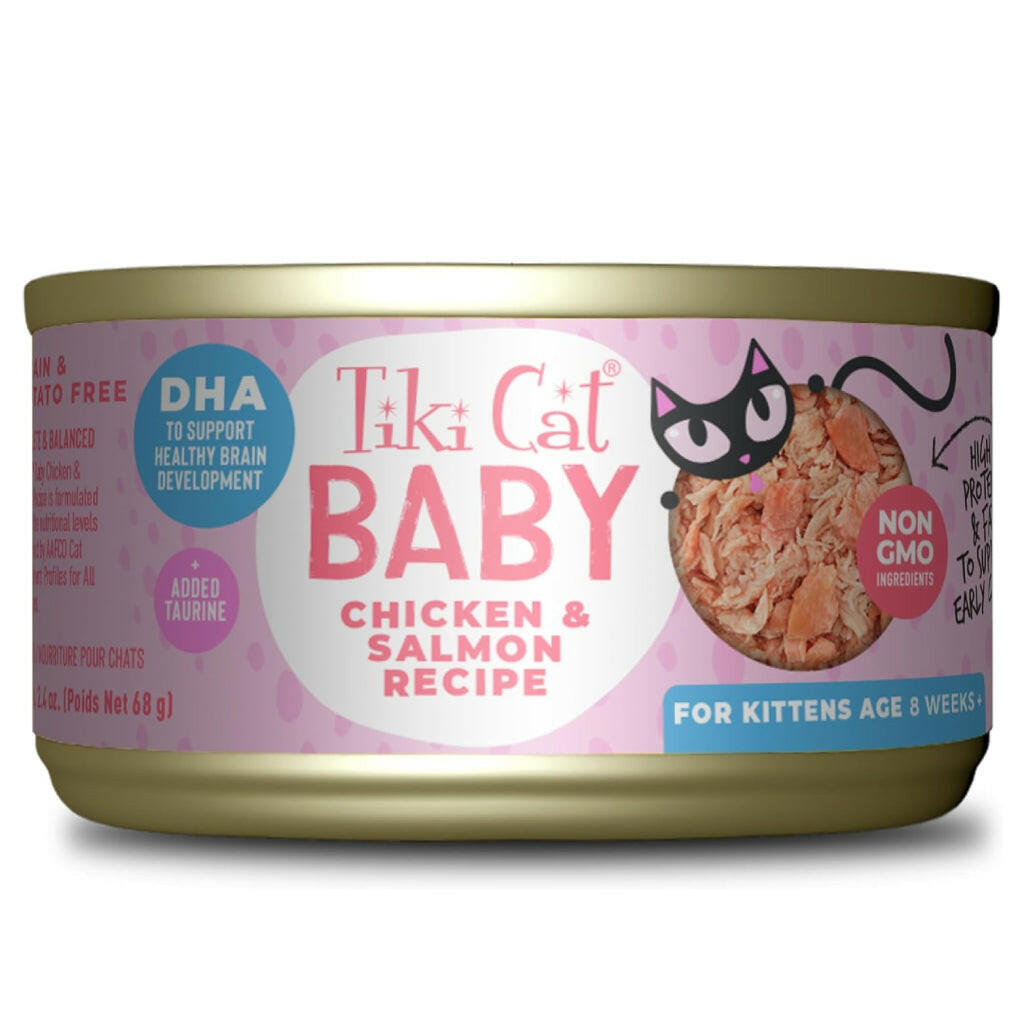
Credit: eltigresilencioso.mx
When Not To Feed Salmon
There are situations where you should avoid salmon entirely:
- Hedgehogs under 12 weeks: Young animals need a stable, consistent diet.
- Pregnant or nursing females: Extra fat can cause complications.
- Overweight hedgehogs: Any high-fat treat is risky.
- History of allergies: If your hedgehog has reacted to other proteins, be extra cautious.
Final Thoughts
Salmon can be a safe and interesting treat for hedgehogs if given correctly. The key is moderation, plain preparation, and careful observation. Remember, a hedgehog’s main diet should be high-quality, balanced, and focused on insect-based proteins or lean poultry. Treats like salmon can add variety but should never replace staple foods.
If you’re ever in doubt about your hedgehog’s diet, consult a veterinarian or check trusted resources such as the Wikipedia Hedgehog page.
Frequently Asked Questions
Can Hedgehogs Eat Raw Salmon?
No, raw salmon is not safe for hedgehogs. It can contain harmful bacteria and parasites that might make your pet sick. Always cook salmon thoroughly before offering it.
How Often Can I Give Salmon To My Hedgehog?
Salmon should be an occasional treat, not a regular food. Once every 2–3 weeks is enough. Small portions are key to prevent digestive or weight problems.
What Are Signs That Salmon Did Not Agree With My Hedgehog?
Watch for diarrhea, vomiting, loss of appetite, or unusual behavior. If you see these signs after feeding salmon, stop giving it and contact your vet if symptoms persist.
Is Canned Salmon Safe For Hedgehogs?
No, canned salmon is usually too salty and may have preservatives that are harmful to hedgehogs. Only plain, cooked, fresh salmon is suitable, and even then, in tiny amounts.
What Other Fish Can Hedgehogs Eat?
Most oily fish like tuna, mackerel, or sardines are too fatty or salty for hedgehogs. If you want to offer fish, stick with plain, lean types, and always cook thoroughly. Even then, fish should never be a big part of a hedgehog’s diet.
By making informed choices, you can keep your hedgehog happy, healthy, and safe while occasionally enjoying new flavors like salmon.