Can Hedgehogs Eat Hornworms? Safe Feeding Guide for Owners
Can Hedgehogs Eat Hornworms?
Keeping a hedgehog as a pet comes with many questions about what they can and cannot eat. One food that often causes curiosity is the hornworm. These bright green caterpillars are common feeders for reptiles, but are they safe for hedgehogs? As more hedgehog owners look for ways to enrich their pets’ diets, understanding the safety and benefits of hornworms is important. This article will examine whether hedgehogs can eat hornworms, the risks, nutritional values, and how to feed them safely.
What Are Hornworms?
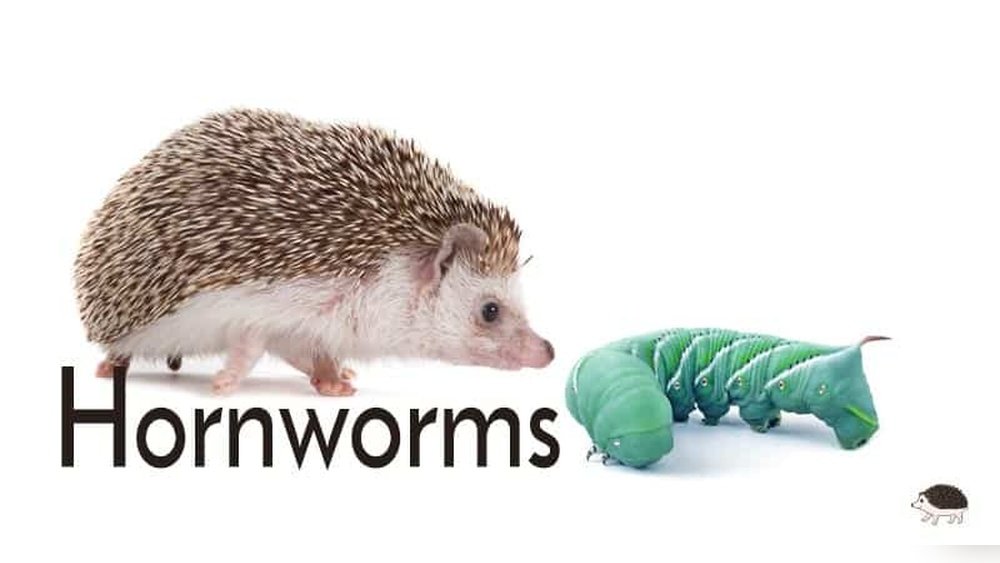
Hornworms are the larvae of hawk moths, especially the tomato hornworm (Manduca quinquemaculata) and the tobacco hornworm (Manduca sexta). These caterpillars are known for their large size, soft body, and a distinctive horn on their rear end. Hornworms are often bred as feeder insects for reptiles, amphibians, and sometimes birds.
Hornworms have a high water content and are rich in certain nutrients. However, their nutritional profile is different from other feeder insects like mealworms or crickets. Some hornworms in the wild feed on tomato or tobacco plants and can contain toxins from these plants, which is a key concern for pet owners.
Nutritional Value Of Hornworms
To understand if hornworms are suitable for hedgehogs, it’s important to look at their nutrition. Here’s a comparison between hornworms and other common feeder insects:
| Insect | Protein (%) | Fat (%) | Moisture (%) | Calcium (mg/kg) | Phosphorus (mg/kg) |
|---|---|---|---|---|---|
| Hornworm | 9.0 | 3.0 | 85.0 | 225 | 1750 |
| Mealworm | 20.3 | 13.4 | 61.9 | 133 | 3450 |
| Cricket | 20.5 | 6.8 | 70.8 | 275 | 2520 |
Hornworms are high in moisture, making them good for hydration but low in protein and fat compared to mealworms and crickets. Their calcium content is better than mealworms but still not ideal for all pets.

Credit: www.whatsthatbug.com
Can Hedgehogs Eat Hornworms Safely?
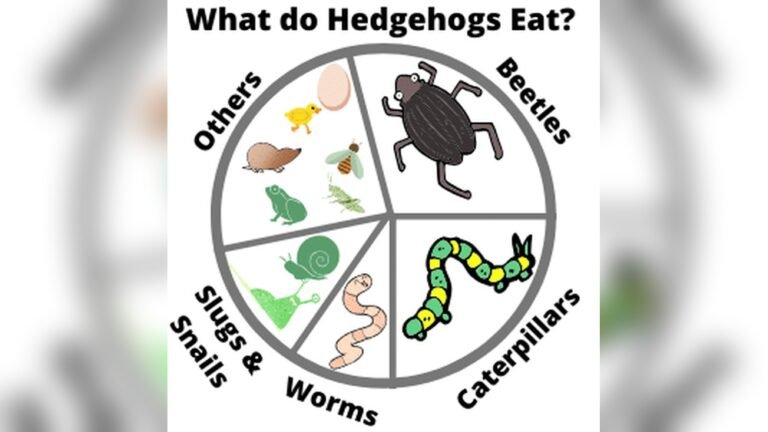
Hedgehogs are insectivores, meaning insects are a natural part of their diet. In the wild, they eat a variety of bugs, worms, and sometimes small vertebrates. For pet hedgehogs, the goal is to mimic this diet as closely as possible while ensuring safety.
Key Safety Concerns
- Pesticides and Toxins: Wild hornworms can contain harmful chemicals if they have eaten leaves sprayed with pesticides. Additionally, those that eat tomato or tobacco plants may contain toxins. Only captive-bred hornworms raised on safe diets should be considered.
- Choking Hazard: Hornworms are large and soft, but their size can make them difficult for small hedgehogs to chew and swallow. Cutting them into smaller pieces can reduce this risk.
- Digestive Issues: The high water content in hornworms can cause loose stools if fed in large amounts.
Benefits
- Hydration: Hornworms help keep hedgehogs hydrated, especially during hot weather or if the hedgehog does not drink enough water.
- Variety: Adding hornworms to the diet can offer mental stimulation and prevent boredom.
- Low Fat: For overweight hedgehogs, hornworms are a lower-fat treat compared to mealworms.
Drawbacks
- Low Protein: Hedgehogs need a protein-rich diet. Hornworms do not provide enough protein as a staple food.
- Imbalance of Calcium to Phosphorus: Like many feeder insects, hornworms are not balanced perfectly for hedgehogs and should not be the main food source.
How To Feed Hornworms To Hedgehogs
If you decide to feed hornworms to your hedgehog, follow these steps for safety and nutrition:
Choosing The Right Hornworms
- Buy only from reputable breeders or pet stores that guarantee their hornworms are pesticide-free.
- Never collect hornworms from the wild.
Preparation
- Rinse the hornworm gently with water to remove any substrate.
- For small hedgehogs, cut the hornworm into smaller bite-sized pieces.
- Feed hornworms as an occasional treat, not a regular part of the diet.
How Much To Feed
Pet hedgehogs should get hornworms no more than once or twice a week. Limit the serving to one medium hornworm or half a large one per feeding. Monitor for any digestive changes.
Feeding Table Example
Here’s a practical feeding guideline:
| Hedgehog Age/Size | Hornworm Size | Serving Frequency |
|---|---|---|
| Juvenile (under 6 months) | Small (cut if needed) | Once a week |
| Adult (normal weight) | Medium | Once or twice a week |
| Overweight Adult | Small/medium | Once a week or less |

Credit: exoticdirect.co.uk
Comparing Hornworms To Other Treats
Pet owners often consider different insects as treats. Here’s how hornworms stack up against other common options for hedgehogs:
| Treat Type | Protein | Fat | Hydration | Safety for Hedgehogs |
|---|---|---|---|---|
| Hornworms | Low | Low | High | Safe (if captive bred) |
| Mealworms | High | High | Low | Moderation (high fat) |
| Waxworms | Medium | Very high | Low | Rare treat only |
| Crickets | High | Low | Medium | Safe |
Hornworms stand out for their hydration but are not as nutritious as crickets or mealworms.
Common Mistakes When Feeding Hornworms
Many new hedgehog owners make similar errors with hornworms. Here are some to avoid:
- Feeding Wild Hornworms: These may carry pesticides or plant toxins. Only offer captive-bred hornworms.
- Overfeeding: Hornworms can cause diarrhea if given too often because of their high moisture content.
- Using Hornworms as Main Food: They do not meet the protein and fat requirements of hedgehogs.
- Ignoring Size: Large hornworms can be a choking hazard for small or young hedgehogs.
- Not Observing Reactions: Always watch for changes in stool or appetite after introducing new foods.
Signs Your Hedgehog Enjoys Or Reacts Badly To Hornworms
Every hedgehog is different. Signs your pet enjoys hornworms include:
- Eager sniffing and eating
- Searching for more after finishing
Negative reactions can include:
- Diarrhea or very soft stools
- Lack of interest in food
- Lethargy or discomfort
If you notice any bad reactions, stop feeding hornworms and consult a vet.
Are Hornworms A Good Choice For All Hedgehogs?
Hornworms are not essential for a hedgehog’s diet. They are a safe treat when sourced and fed correctly, but not all hedgehogs like them. Some may ignore hornworms entirely. Owners should consider their pet’s preferences and health needs.
When To Avoid Hornworms
- If your hedgehog has a sensitive stomach or past digestive issues
- If you cannot source captive-bred, pesticide-free hornworms
- If your pet is extremely small or weak
Other Healthy Treats For Hedgehogs
If hornworms are not a good fit, there are other healthy treats:
- Cooked lean chicken or turkey (no seasoning)
- Chopped boiled egg
- Baby food (plain meat, no onion/garlic)
- Small amounts of fruit (like banana or apple, rarely)
- Other insects like crickets or silkworms
Always introduce any new treat slowly and monitor your hedgehog’s reaction.
When To Contact A Veterinarian
If your hedgehog vomits, has persistent diarrhea, becomes lethargic, or stops eating after consuming hornworms, contact your veterinarian immediately. It’s also wise to consult a vet before making major changes to your hedgehog’s diet.

Credit: www.whatsthatbug.com
Final Thoughts
Hornworms can be a safe and fun treat for pet hedgehogs if you follow the right precautions. Only use captive-bred hornworms, feed in moderation, and observe your pet for any changes. They are not a substitute for a balanced diet, but they can add variety and help with hydration.
Remember, every hedgehog is unique—what works for one may not work for another. Responsible pet ownership means understanding your animal’s needs and making informed choices.
For further reading on safe feeder insects, you can check the Wikipedia page on hornworms.
Frequently Asked Questions
Can Baby Hedgehogs Eat Hornworms?
Yes, but only in very small amounts and always cut into tiny pieces. Baby hedgehogs have sensitive stomachs and smaller throats, so start with small bits and watch for any digestive issues.
Are Wild Hornworms Ever Safe For Hedgehogs?
No. Wild hornworms may contain pesticides or toxins from plants. Only feed captive-bred hornworms from trusted sources to avoid health risks.
How Often Can I Give My Hedgehog Hornworms?
Once or twice a week is enough. Overfeeding can cause diarrhea and unbalance your pet’s nutrition. Hornworms should be a treat, not a staple.
What Should I Do If My Hedgehog Has Diarrhea After Eating Hornworms?
Stop feeding hornworms immediately and switch back to their regular diet. If diarrhea lasts more than a day or is severe, contact your veterinarian for advice.
Are There Better Insect Treats Than Hornworms For Hedgehogs?
Crickets and mealworms are more balanced for protein and fat but should still be fed in moderation. Silkworms and dubia roaches are also safe options. Always choose feeder insects raised specifically for pets.