Can Hedgehogs Eat Asparagus: Safe, Healthy, and Nutritious Tips
If you’re a hedgehog owner, you want to make sure your little friend stays healthy and happy. You might be wondering if asparagus is a safe and tasty treat for your hedgehog.
After all, asparagus is a popular vegetable packed with nutrients for humans—but what about hedgehogs? Can they eat asparagus without any problems? You’ll discover the truth about feeding asparagus to your hedgehog, learn about the benefits and risks, and find out how to introduce new foods safely.
Keep reading to give your pet the best care possible!
Hedgehog Diet Basics
Hedgehogs have specific dietary needs to stay healthy and active. Their diet should mimic what they eat in the wild. A balanced mix of protein, vegetables, and occasional fruits works best. Understanding the basics of their diet helps pet owners provide the right foods.
Natural Foods For Hedgehogs
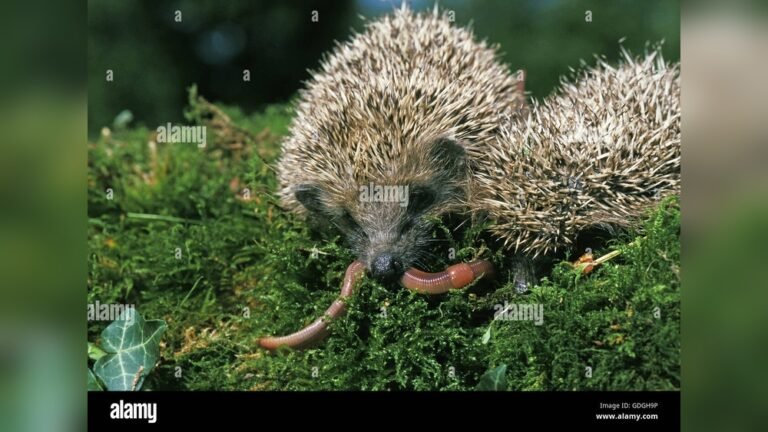
In the wild, hedgehogs mainly eat insects and small invertebrates. Beetles, worms, and earwigs are common staples. These provide essential protein and nutrients. Hedgehogs also eat some fruits and vegetables for vitamins. This natural diet keeps them energetic and strong.
Common Safe Vegetables
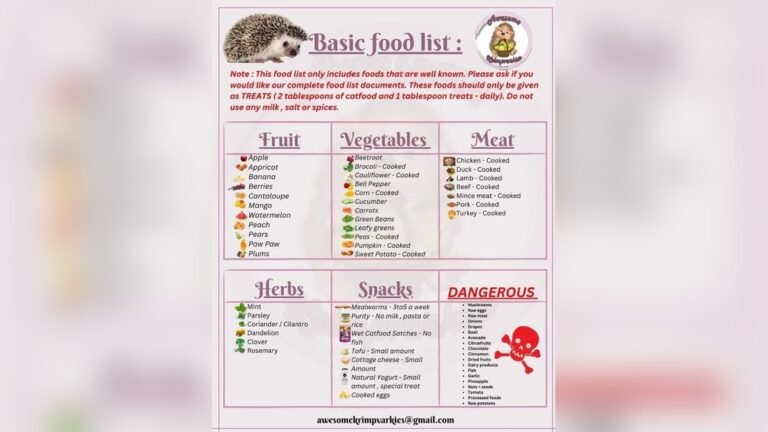
Hedgehogs can safely eat several vegetables in small amounts. Asparagus is one such vegetable, offering fiber and vitamins. Others include carrots, green beans, and squash. Always chop vegetables into small pieces. This prevents choking and aids digestion.
Foods To Avoid
Certain foods can harm hedgehogs and must be avoided. Grapes, avocados, and raw eggs are toxic to them. Nuts and seeds can cause choking or digestive issues. Avoid giving dairy products or raw meats. Also, steer clear of starchy or sugary vegetables like potatoes or corn.
Asparagus And Hedgehogs
Asparagus is a common vegetable in many kitchens. Some pet owners wonder if hedgehogs can safely eat it. Understanding the connection between asparagus and hedgehogs helps keep your pet healthy. Hedgehogs enjoy a varied diet with small amounts of fruits and vegetables. Asparagus can be a part of this diet if given properly.
Nutritional Profile Of Asparagus
Asparagus contains vitamins A, C, and K. It also has fiber and folate. These nutrients support good digestion and immune health. Asparagus is low in calories and fat. It provides antioxidants that help fight free radicals. This vegetable is mostly water, which helps with hydration.
Benefits Of Asparagus For Hedgehogs
Small amounts of asparagus offer fiber to aid digestion. It can add variety to a hedgehog’s diet. The vitamins help maintain healthy skin and eyes. Antioxidants support overall health and may reduce disease risks. Offering cooked asparagus can be a tasty treat for your pet.
Potential Risks And Precautions
Raw asparagus can be tough and hard to chew. It may cause choking or stomach upset. Always cook asparagus until soft before serving. Avoid adding salt or seasonings. Introduce asparagus slowly and in small amounts. Monitor your hedgehog for any allergic reactions or digestive issues. Never replace their main diet with asparagus alone.
Feeding Asparagus Safely
Feeding asparagus to your hedgehog requires careful preparation to keep it safe and healthy. Asparagus contains nutrients hedgehogs can enjoy, but it must be served correctly. Small adjustments make a big difference in your pet’s digestion and well-being.
Proper preparation and portion control are key. Avoid any parts that could cause choking or upset stomach. Follow clear guidelines to give your hedgehog a tasty, safe treat.
Preparing Asparagus For Hedgehogs
Wash asparagus thoroughly to remove dirt and pesticides. Cut it into small, bite-sized pieces. Cook the asparagus by steaming or boiling without any seasoning. Raw asparagus is harder to digest and may cause stomach upset. Remove tough ends and fibrous parts before serving.
Recommended Serving Sizes
Offer only one or two small pieces per serving. Hedgehogs have tiny stomachs and cannot handle large amounts. Keep portions small to avoid digestive problems. Always observe your pet after feeding new foods to check for any reactions.
Frequency Of Asparagus Treats
Limit asparagus treats to once or twice a week. Too much can cause gas or diarrhea. Variety is important, so mix asparagus with other safe vegetables. Treats should not replace the main diet of insects and protein.
Credit: medium.com
Alternatives To Asparagus
Finding alternatives to asparagus helps keep your hedgehog’s diet balanced and exciting. Many vegetables offer important nutrients and flavors your pet will enjoy. Introducing new foods also supports a healthy appetite and digestion. Choose safe options and feed in small amounts for best results.
Other Safe Vegetables
Hedgehogs can eat a range of vegetables besides asparagus. Cooked carrots are soft and easy to chew. Green beans provide fiber and vitamins. Zucchini is gentle on the stomach and hydrating. Small pieces of cucumber add crunch without being harsh. Bell peppers offer vitamin C but remove seeds first. Radishes and peas are good for variety but feed sparingly.
Incorporating Variety In Diet
Variety prevents boredom and nutrient gaps in your hedgehog’s meals. Mix vegetables with protein like insects or cooked lean meat. Rotate different safe veggies every few days. Keep portions small to avoid digestive issues. Observe your pet’s reaction to new foods. A diverse diet supports overall health and activity.
Avoiding Toxic Foods
Some foods are harmful or toxic to hedgehogs and must be avoided. Never feed grapes, avocado, or raw eggs. Nuts and seeds can cause choking or digestive problems. Avoid starchy vegetables like raw carrots or celery. Dairy products may upset digestion. Always research before introducing any new food to your pet.
Monitoring Hedgehog Health
Monitoring your hedgehog’s health is key to keeping it happy and safe. Hedgehogs can react differently to new foods like asparagus. Observing their behavior and physical condition helps catch problems early. Regular checks ensure they stay healthy and enjoy their meals without issues.
Watch your pet closely after introducing asparagus or any new food. Small signs can signal if something is wrong. Keeping a food diary helps track reactions and patterns. This practice supports better care and quick adjustments to their diet.
Signs Of Food Allergies Or Intolerance
Look for redness or swelling around the mouth or eyes. Sneezing or coughing may also occur. Excessive itching or scratching can mean discomfort. Digestive issues like diarrhea or vomiting are important to note. Sudden changes in appetite or energy levels can be warning signs too.
Digestive Health Tips
Introduce asparagus in very small amounts first. Chop it finely to avoid choking hazards. Avoid feeding raw asparagus; cook it lightly without seasoning. Ensure your hedgehog has fresh water available at all times. Include fiber-rich foods to help digestion. Monitor droppings for consistency and color changes.
When To Consult A Vet
Seek veterinary help if your hedgehog shows severe vomiting or diarrhea. Persistent lethargy or refusal to eat are serious signs. Unusual breathing or swelling requires immediate attention. If allergic reactions worsen or do not improve, contact your vet. Early treatment prevents complications and keeps your pet safe.
:strip_icc()/can-dogs-eat-asparagus-c715f688a6d14cee9669906600da172b.jpg "Can Hedgehogs Eat Asparagus: Safe, Healthy, and Nutritious Tips")
Credit: www.thesprucepets.com

Credit: a-z-animals.com
Frequently Asked Questions
What Foods Are Toxic To Hedgehogs?
Grapes, avocados, raw eggs, raw meats, nuts, seeds, dairy, celery, and lettuce are toxic or harmful to hedgehogs. Avoid feeding wild-caught insects due to potential toxins. Hard raw foods like carrots can also pose risks. Always provide safe, hedgehog-friendly foods to ensure their health.
What Vegetables Are Safe For Hedgehogs?
Safe vegetables for hedgehogs include cooked carrots, peas, squash, asparagus, bell peppers, cucumber, green beans, zucchini, and radishes. Chop them into small pieces and introduce gradually. Avoid starchy or high-sugar vegetables to keep your hedgehog healthy.
What Are Three Things You Should Not Feed A Pet Hedgehog?
Do not feed pet hedgehogs avocados, raw meats, or nuts. These can be toxic, cause choking, or digestive issues.
What’s A Hedgehog’s Favorite Food?
Hedgehogs favor insects like beetles and earwigs as their main food. They also enjoy small amounts of vegetables such as asparagus and carrots.
Conclusion
Hedgehogs can safely eat asparagus in small amounts. It provides some vitamins and fiber. Always chop asparagus into tiny pieces to avoid choking. Avoid feeding large portions to prevent stomach upset. Remember, insects remain their main food source. Introduce new foods slowly to watch for any reactions.
Keep your hedgehog’s diet balanced and varied. This helps keep them happy and healthy. Feeding asparagus as an occasional treat works best. Your pet will enjoy a little extra variety.