Can Hedgehogs Eat Crackers? What Every Owner Should Know
Can Hedgehogs Eat Crackers?
Hedgehogs are becoming popular pets, and their care raises many questions, especially about their diet. Many owners want to share snacks with their hedgehogs, but not all human foods are safe. One common question is: Can hedgehogs eat crackers? It seems harmless to give a small piece while you snack, but understanding what’s safe and healthy for your hedgehog is essential. This article gives you a clear, evidence-based answer, explains what happens if your hedgehog eats crackers, and offers safe alternatives.
Hedgehog Diet Basics
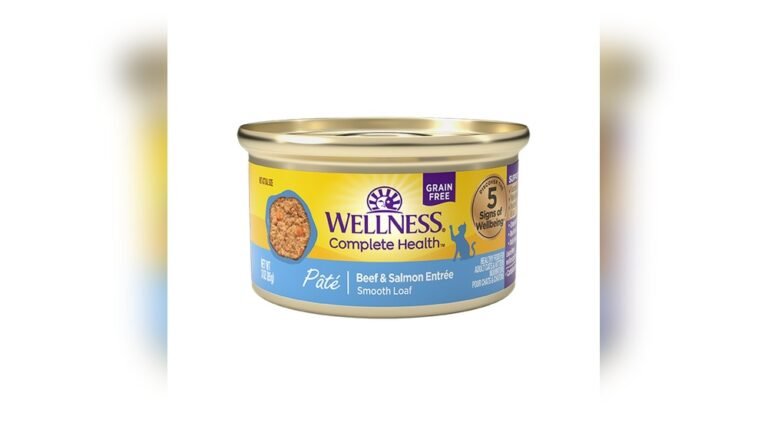
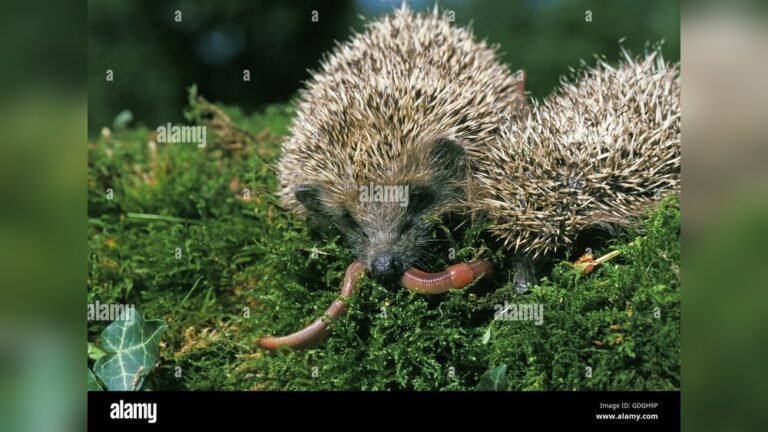
Wild hedgehogs eat insects, worms, and sometimes small plants or fruits. Their bodies are designed for a high-protein, low-fat, and low-carb diet. Pet hedgehogs need a balanced diet to stay healthy, often based on high-quality cat food, special hedgehog food, and some fresh foods.
Their digestive system is not made for many human foods, especially processed items.
Here’s a quick comparison of what wild vs. pet hedgehogs typically eat:
| Food Type | Wild Hedgehogs | Pet Hedgehogs |
|---|---|---|
| Protein | Insects, worms, eggs | Cat food, insects, eggs |
| Fat | Insects, small animals | Cat food, mealworms (in moderation) |
| Carbohydrates | Berries, plants (rarely) | Fruits, vegetables (rarely) |
| Processed Foods | Never | Should be avoided |
What Are Crackers Made Of?
Crackers come in many varieties, but most share basic ingredients:
- Wheat flour or other grains
- Water
- Salt
- Oil or fat
- Leavening agents (like baking powder)
- Sometimes sugar, cheese, herbs, or seeds
Some crackers are plain, while others are flavored with cheese, garlic, or even chocolate. Many contain preservatives or artificial flavors. All these ingredients are made for humans, not animals.
Typical Nutritional Profile
Most crackers are high in carbohydrates and sodium, with little protein or fiber. For example, a common serving (about 5 crackers) may contain:
- 70–90 calories
- 12–15 grams of carbs
- 2–3 grams of fat
- 1–2 grams of protein
- 100–200 mg sodium
These numbers may look small for a person, but for a hedgehog, even tiny amounts can have a big impact. Their small bodies are not built to process a lot of salt, sugar, or fat.
Credit: www.thecrackercompany.co.uk
Can Hedgehogs Safely Eat Crackers?
The short answer: Crackers are not a good food choice for hedgehogs. Here’s why:
- High Carbohydrate Content: Hedgehogs cannot digest large amounts of starch or sugar. Crackers, made mostly from flour, are nearly all starch. Too many carbs can cause digestive upset, obesity, and even diabetes in hedgehogs.
- Salt and Additives: Even plain crackers have sodium. Flavored crackers can have onion, garlic, or cheese, which are toxic for hedgehogs. Artificial additives may cause allergic reactions or long-term health problems.
- Low Nutritional Value: Crackers offer almost no protein or fiber. Hedgehogs need protein for muscle and immune health. Eating crackers fills them up with empty calories, leaving less room for healthy food.
- Choking Hazard: Hedgehogs have small mouths and can choke on hard, dry pieces. This is especially risky with larger or flavored crackers.
Scientific Data On Hedgehog Nutrition
A 2018 study published in the Journal of Animal Physiology found that hedgehogs fed high-carb diets developed fatty liver disease and insulin resistance. Another research paper from the British Hedgehog Preservation Society points out that processed human foods, even in small amounts, can lead to long-term metabolic problems.
What Happens If Your Hedgehog Eats A Cracker?
Most hedgehogs won’t get sick from a tiny nibble, but problems can happen if they eat crackers regularly or in larger amounts.
Possible Immediate Effects
- Upset stomach: Diarrhea or constipation may occur, especially if it’s the first time.
- Lethargy: Too much salt or sugar can make a hedgehog sluggish.
- Choking: Especially if they try to swallow large pieces.
Long-term Risks
- Obesity: Crackers are calorie-dense and low in nutrition.
- Diabetes: High sugar and starch can contribute to blood sugar problems.
- Liver or kidney issues: Salt and additives put extra strain on these organs.
- Malnutrition: If crackers replace proper food, your hedgehog won’t get the nutrients they need.

Credit: exoticdirect.co.uk
How Much Is Too Much?
Even a small cracker is too much for a hedgehog. Unlike dogs or cats, hedgehogs cannot handle many “treats. ” If your hedgehog ate a crumb or two, don’t panic, but don’t make it a habit.
Occasional Tiny Bites
If your hedgehog accidentally eats a tiny piece (smaller than a pea), watch for changes in behavior or stool. If you notice diarrhea, vomiting, or lethargy, contact a vet.
| Amount Eaten | Risk Level | Recommended Action |
|---|---|---|
| Tiny crumb (less than a pea) | Low | Monitor, no action unless symptoms appear |
| Small piece (pea-sized) | Moderate | Watch closely, offer water, call vet if symptoms develop |
| Multiple pieces | High | Contact vet, especially if symptoms appear |
Safe Treats For Hedgehogs
Just because crackers aren’t safe doesn’t mean your hedgehog can’t enjoy a treat. There are safe alternatives that are both tasty and healthy.
Good Treat Options
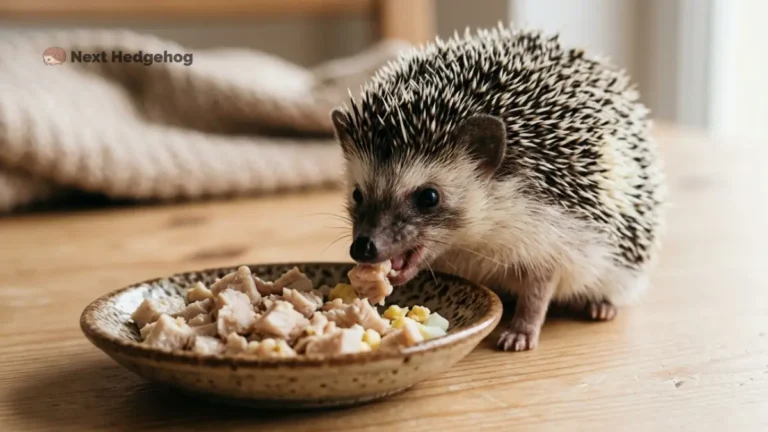
- Cooked chicken or turkey: Plain, no salt or seasoning.
- Boiled egg: Small pieces, without added salt.
- Mealworms or crickets: In moderation, as too many are high in fat.
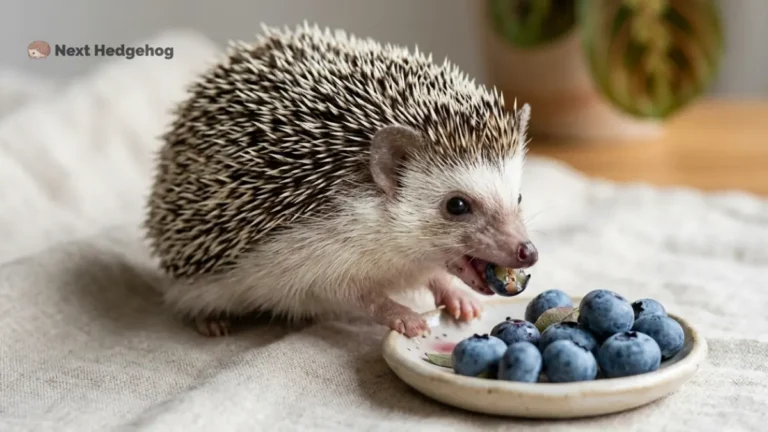
- Small amounts of fruit: Like banana, apple, or berries (remove seeds and give rarely).
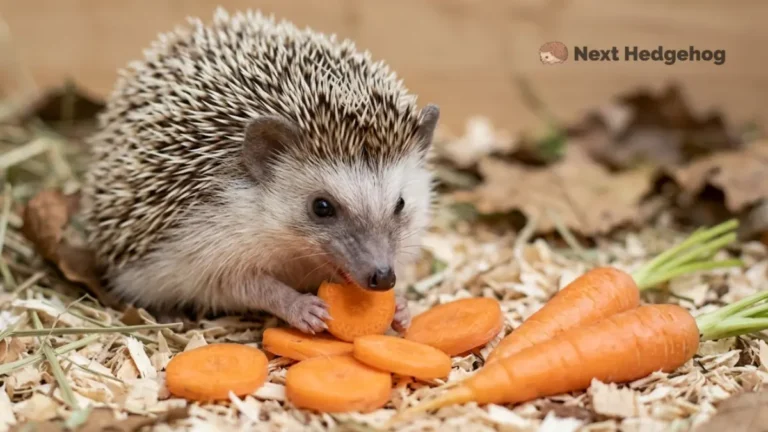
- Cooked vegetables: Like sweet potato or carrot, in tiny pieces.
Foods To Avoid
Some foods are dangerous or toxic for hedgehogs:
- Chocolate
- Onion, garlic
- Avocado
- Grapes, raisins
- Raw potato
- Dairy products (hedgehogs are lactose intolerant)
- Nuts and seeds (choking hazard)
For a more complete list, visit the Hedgehog Street resource.
Reading Food Labels: What To Look For
If you’re ever unsure whether a food is safe for your hedgehog, reading the label can help. Here are some key things to check:
- Protein content: Should be high in their main food (over 30% for cat food).
- Fat content: Should be moderate (around 10–15%).
- Carbohydrates: Keep low, especially in treats.
- Ingredients: Avoid salt, sugar, dairy, onions, garlic, preservatives, and artificial flavors.
If a food label lists more than 5–6 ingredients, it’s probably not a good treat for your hedgehog.
Common Mistakes When Feeding Hedgehogs
Caring for a hedgehog can be confusing, and even well-meaning owners can make mistakes. Here are a few to avoid:
- Offering too many human foods: Even if your hedgehog seems interested, their stomachs are sensitive.
- Giving treats too often: Treats should be less than 10% of their overall diet.
- Ignoring portion size: Hedgehogs are small—what seems tiny to you could be a lot for them.
- Not watching for reactions: Always check for signs of upset stomach, lethargy, or changes in stool after a new food.

Credit: a-z-animals.com
What To Do If Your Hedgehog Eats Crackers
If your hedgehog accidentally eats a cracker, stay calm. Here are steps to follow:
- Assess the amount: Was it a tiny crumb or a bigger piece?
- Remove leftovers: Make sure no more is available.
- Observe your pet: Look for signs of distress, diarrhea, or vomiting over the next 24 hours.
- Provide water: Extra water helps flush out salt and other additives.
- Contact your vet: If symptoms appear or if your hedgehog ate a large amount, call your vet for advice.
Why Some Owners Still Offer Crackers
Some hedgehog owners give crackers as treats because their pets seem to enjoy the crunch or taste. But a hedgehog’s interest does not mean the food is healthy or safe. Like children, hedgehogs do not know what is good for them.
Owners must be responsible and prioritize health over momentary enjoyment.
Table: Hedgehog-safe Foods Compared To Unsafe Foods
To summarize, here’s a side-by-side look at safe and unsafe foods for hedgehogs:
| Safe Foods | Unsafe Foods |
|---|---|
| Cooked chicken/turkey (plain) | Crackers |
| Boiled egg (plain) | Chocolate |
| Mealworms/crickets (limited) | Onion, garlic |
| Small pieces of banana, apple | Grapes, raisins |
| Cooked sweet potato/carrot | Dairy, nuts, seeds |
Final Thoughts
Crackers are not a safe or healthy food for hedgehogs, no matter how small the portion. Their ingredients—mainly flour, salt, and additives—do not fit the nutritional needs of hedgehogs and can even cause harm over time. If you want to share a treat with your hedgehog, stick to protein-rich, unseasoned foods or tiny amounts of safe fruits and vegetables.
Remember, a healthy hedgehog is a happy hedgehog. When in doubt, always check with a veterinarian before introducing new foods.
Frequently Asked Questions
Can Hedgehogs Eat Unsalted Plain Crackers?
Even unsalted, plain crackers are not healthy for hedgehogs. They are still high in starch and offer little nutrition. It’s best to avoid giving any kind of cracker.
What Should I Do If My Hedgehog Ate A Flavored Cracker?
Flavored crackers can contain toxic ingredients like garlic or onion powder. Monitor your hedgehog closely for signs of illness such as vomiting, diarrhea, or lethargy. Contact your vet if you see any symptoms.
Are There Any Human Foods That Are Safe For Hedgehogs?
A few human foods, like cooked plain chicken or turkey and small pieces of certain fruits, are safe in tiny amounts. Avoid giving processed or seasoned foods.
How Often Can Hedgehogs Have Treats?
Treats should make up less than 10% of your hedgehog’s diet and should be given only a few times a week. Always use safe, healthy foods as treats.
Can Hedgehogs Eat Bread Or Other Baked Goods?
No, hedgehogs should not eat bread or baked goods. Like crackers, these foods are high in carbohydrates, often contain salt and sugar, and lack the nutrition hedgehogs need.