Can Hedgehogs Eat Carrots? Raw or Cooked Is Safe for Them?
Hedgehogs are curious little foragers, and their diet often raises a lot of questions for pet owners—especially when it comes to fruits and vegetables.
One common question is: can hedgehogs eat carrots? Since carrots are packed with nutrients and are a popular snack for many animals, it’s natural to wonder whether they are safe and beneficial for hedgehogs too.
The short answer is yes, hedgehogs can eat carrots—but that doesn’t automatically mean they should be a regular part of their diet. Like many vegetables, carrots come with both benefits and limitations when it comes to hedgehog nutrition, portion size, and feeding frequency.
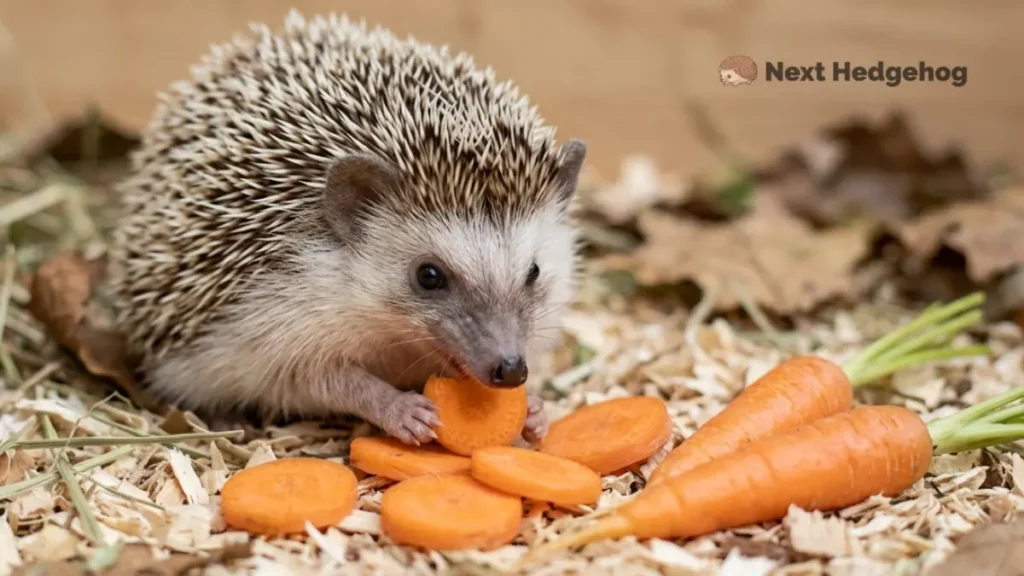
In this guide, we’ll break down everything you need to know about feeding carrots to hedgehogs, including whether they’re safe, how much is appropriate, potential risks, and the best way to serve them.
What is Carrot?
Carrot is a crunchy, sweet-tasting root vegetable that grows underground and is widely eaten all over the world. It is usually orange in color, but it can also be found in purple, yellow, red, and white varieties.
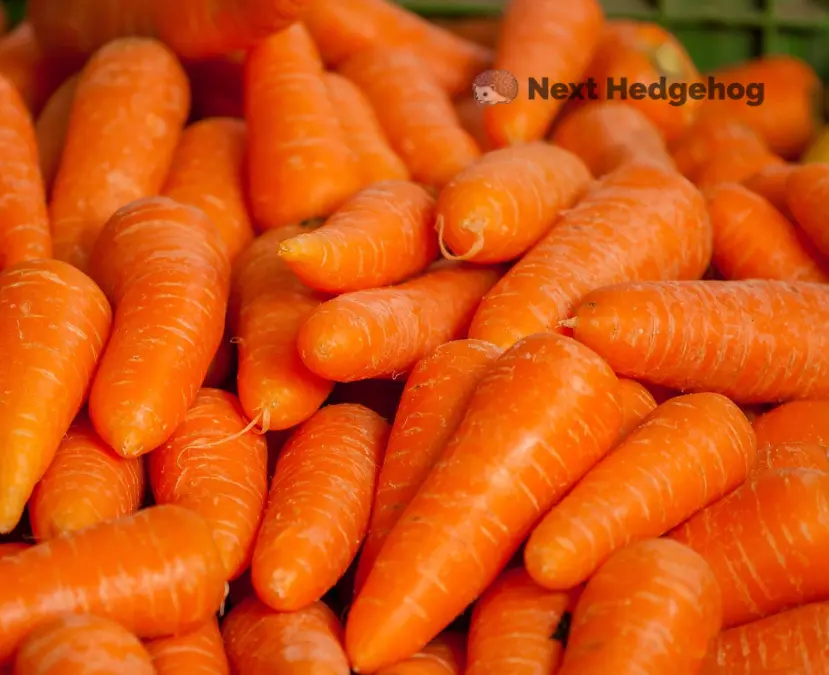
Scientifically known as Daucus carota, carrots belong to the Apiaceae family, which also includes parsley, celery, and fennel. The part we eat is the taproot of the plant, which stores nutrients for growth.
Carrots are especially popular because they are rich in beta-carotene, which the body converts into vitamin A—an important nutrient for vision, immune health, and skin. They also contain fiber, antioxidants, and small amounts of vitamins like K and C.
Because of their natural sweetness and crunch, carrots are commonly used in salads, soups, snacks, and even pet foods.
Different Types of Carrot
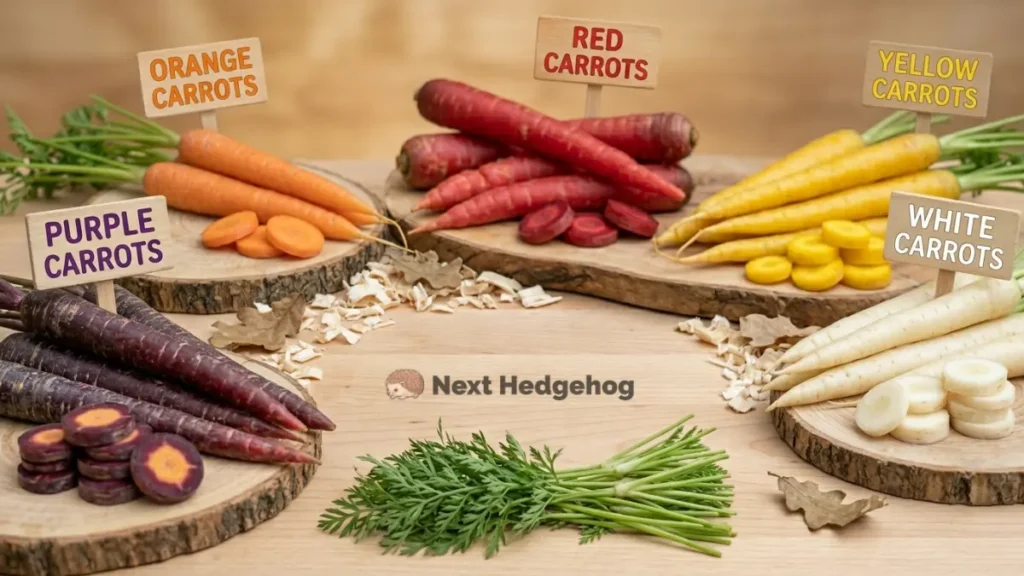
Carrots come in several different types, each varying in color, shape, size, and taste. While the orange carrot is the most common, there are actually many varieties that offer unique nutrients and culinary uses.
Here are the main types of carrots:
Orange Carrots
These are the most widely known and commonly consumed carrots. They are rich in beta-carotene, which gives them their bright orange color. Orange carrots are sweet, crunchy, and ideal for both raw eating and cooking.
Purple Carrots
Purple carrots have a deep violet skin with an orange or yellow core. They contain anthocyanins, powerful antioxidants that support overall health. They often taste slightly earthier compared to orange carrots.
Red Carrots
Red carrots are less common and have a rich reddish color due to lycopene, the same antioxidant found in tomatoes. They tend to be slightly sweeter and are often used for their vibrant appearance in dishes.
Yellow Carrots
Yellow carrots are mild in flavor and contain higher levels of lutein, which is beneficial for eye health. They are less sweet than orange carrots but still very nutritious.
White Carrots
White carrots lack pigment, which means they don’t contain as many antioxidants as colored varieties. However, they still provide fiber and a mild, slightly earthy taste.
Baby Carrots
Baby carrots are either naturally small carrots harvested early or larger carrots cut and shaped into small snack-sized pieces. They are convenient and popular for snacking but may sometimes be less nutrient-dense than full-sized varieties.
Each type of carrot offers slightly different nutritional benefits, but all of them share one thing in common—they are healthy, fiber-rich vegetables that can be enjoyed in many ways.
Do Hedgehogs Like Carrots?
Yes, some hedgehogs do like carrots, especially when they are lightly cooked or finely grated, because the soft texture and mild sweetness can make them more appealing.
While not all hedgehogs show interest in vegetables, many will happily nibble on small carrot pieces out of curiosity or taste preference.
However, even if your hedgehog seems to enjoy carrots, they should still be given only in small amounts since their main diet should focus on protein-rich foods like insects and specialized hedgehog food rather than vegetables.
Is Carrot Safe for Hedgehogs?
Yes, carrots are generally safe for hedgehogs, but only when fed in moderation.
Hedgehogs are primarily insectivores, which means their main diet should consist of insects and high-protein foods rather than vegetables. However, small amounts of carrots can be given as an occasional treat.
Carrots are not toxic to hedgehogs and can provide some benefits like fiber and small amounts of vitamins, especially vitamin A. But because carrots are naturally high in sugar compared to other vegetables, overfeeding can lead to digestive issues or unwanted weight gain in hedgehogs.
Key Safety Points:
- Safe in small, bite-sized portions
- Best served cooked or finely grated for easier digestion
- Should not be a daily food item
- Avoid feeding large chunks or excessive amounts
Nutritional Value Of Carrot
Carrots are often praised for their rich nutrient profile, especially considering how simple and affordable they are. They are low in calories but packed with essential vitamins, minerals, and antioxidants that support overall health.
For hedgehog owners, understanding this nutritional breakdown helps explain why carrots can be a small occasional treat rather than a dietary staple.
Here’s a clear look at the nutritional value of raw carrots:
| Nutrient | Amount | Benefit |
|---|---|---|
| Calories | 41 kcal | Low-energy food, good for light snacking |
| Water | 88% | Helps with hydration |
| Carbohydrates | 9.6 g | Provides natural energy |
| Sugars | 4.7 g | Gives mild sweetness |
| Fiber | 2.8 g | Supports digestion |
| Protein | 0.9 g | Minimal but essential for body functions |
| Fat | 0.2 g | Very low fat content |
| Vitamin A (Beta-carotene) | 835 µg | Supports vision and immune health |
| Vitamin C | 5.9 mg | Helps immunity and tissue repair |
| Vitamin K | 13.2 µg | Supports blood clotting and bone health |
| Potassium | 320 mg | Maintains fluid balance and heart function |
Benefits of Feeding Carrot to Hedgehogs
Carrots are not a primary food for hedgehogs, but when given in small, controlled amounts, they can offer a few useful benefits. Since hedgehogs are mainly insect-eaters, treats like carrots should always be occasional additions rather than a regular part of their diet.
Here are the main benefits of feeding carrots to hedgehogs:
- Provides Natural Fiber: Carrots contain dietary fiber, which can help support healthy digestion when given in small amounts.
- Rich in Beta-Carotene (Vitamin A Source): The beta-carotene in carrots supports eye health, immune function, and overall cellular health.
- Low in Fat: Carrots are naturally low in fat, making them a light treat that won’t contribute heavily to weight gain when fed properly.
- Hydration Support: With high water content, carrots can contribute slightly to hydration, especially in warm conditions.
- Enrichment & Variety: Offering small bits of carrot can add dietary variety and mental stimulation, encouraging natural foraging behavior.
- Easy to Prepare: Carrots are simple to wash, peel, and cut into tiny pieces or grate, making them convenient for occasional feeding.
While these benefits are helpful, it’s important to remember that hedgehogs don’t need vegetables regularly. Their main nutrition should still come from protein-rich foods like insects and specially formulated hedgehog or high-quality cat food.
Risks Factors of Overfeeding Carrot
While carrots are safe for hedgehogs in small amounts, overfeeding them can cause several health issues. Since hedgehogs have very specific dietary needs as insectivores, too much plant-based food like carrots can quickly disrupt their balance.
Here are the main risk factors of overfeeding carrot to hedgehogs:
- High Sugar Content Issues: Carrots contain natural sugars. Feeding too much can lead to weight gain and increase the risk of obesity in hedgehogs.
- Digestive Upset: Overeating carrots may cause diarrhea, bloating, or an upset stomach since hedgehogs are not designed to digest large amounts of vegetables.
- Nutritional Imbalance: A carrot-heavy diet can replace essential protein sources, leading to deficiencies over time.
- Risk of Fatty Liver Disease: Excess carbohydrates and sugars from overfeeding can contribute to long-term liver stress and health complications.
- Reduced Appetite for Protein Foods: If hedgehogs fill up on carrots, they may eat less of the insects or protein-based foods they actually need.
- Dental Issues (Indirect Risk): While carrots are crunchy, frequent sugary foods can still contribute to poor oral health if overall diet is unbalanced.
Hedgehogs Carrot Feeding Guide
Feeding carrots to hedgehogs can be safe and even beneficial in small amounts, but it needs to be done carefully. Since hedgehogs are insectivores by nature, their digestive system is built for protein-rich foods, not vegetables.
That’s why a proper feeding approach matters if you want to include carrots as an occasional treat without risking their health.
Below is a practical, expert-style feeding guide to help you do it the right way.
Choose Fresh, Plain Carrots Only
Always use fresh, raw carrots without any seasoning, salt, sugar, or oil. Avoid canned or processed carrots, as they often contain additives that are not safe for hedgehogs. Organic carrots are a good option if available, but regular washed carrots are perfectly fine.
Prepare in Very Small Portions
Hedgehogs have small mouths and delicate digestive systems. Carrots should be finely grated or cut into tiny, soft pieces. Large chunks can be difficult to chew and may pose a choking risk.
Feed Only as an Occasional Treat
Carrots should not be part of the daily diet. Offering a small portion 1–2 times per week at most is enough. Their main diet should still be high-quality insect-based protein or specially formulated hedgehog food.
Serve in the Evening (Active Time)
Hedgehogs are nocturnal, so the best time to offer food is in the evening when they are naturally active and ready to eat. This also helps ensure they eat fresh food before it spoils.
Remove Leftovers Quickly
Any uneaten carrot should be removed within a few hours. Leftover vegetables can spoil quickly and attract bacteria or insects, which can harm your hedgehog.
Observe for Digestive Reactions
After introducing carrot, monitor your hedgehog for any signs of soft stool, reduced appetite, or discomfort. If any issues appear, stop feeding carrots immediately and stick to their regular diet.
Maintain a Balanced Diet First
Carrots are only a supplement. A healthy hedgehog diet should mainly include protein sources like insects (mealworms, crickets) and high-quality hedgehog or cat food with proper nutrition balance.
By following these simple guidelines, you can safely offer carrots as a small enrichment treat without compromising your hedgehog’s health or dietary needs.
Feeding Frequency Guidelines: By Age & Amount
Feeding carrots to hedgehogs should always be carefully controlled, and the right amount depends on their age and overall dietary needs. Since hedgehogs are primarily insectivores, vegetables like carrots should only make up a very small part of their diet—more like an occasional treat than a regular food item.
Here’s a practical feeding guide based on age and safe portion sizes:
| Age of Hedgehog | Feeding Frequency | Safe Amount of Carrot | Notes |
|---|---|---|---|
| Baby (0–6 weeks) | Not recommended | 0 | Digestive system is too sensitive; stick to mother’s milk or formula |
| Juvenile (6–12 weeks) | Rarely (if needed) | Tiny pinch (grated) | Only introduce after main diet is established |
| Young Adult (3–12 months) | 1 time per week max | 1–2 small teaspoons (grated or finely chopped) | Monitor digestion closely |
| Adult (1–4 years) | 1–2 times per week max | 1–2 teaspoons | Safe as occasional treat, not daily food |
| Senior (4+ years) | 1 time per week or less | Small pinch | Older hedgehogs may have slower digestion |
Raw vs Boiled Carrot
Carrots can be a healthy occasional treat for hedgehogs when offered correctly, but the way they are prepared makes a big difference in safety and digestibility. Because hedgehogs are primarily insect-eaters with sensitive digestive systems, even simple vegetables like carrots need careful handling before feeding.
Raw Carrot for Hedgehogs
Raw carrots are naturally crunchy and nutrient-rich, containing fiber and vitamins in their most intact form. However, their hard texture can be difficult for hedgehogs to chew properly unless they are finely grated or chopped into very small pieces. Even then, raw carrots may still be slightly harder to digest, especially for young, old, or sensitive hedgehogs. They should always be offered in very small amounts if used at all.
Boiled Carrot for Hedgehogs
Boiled carrots become soft and much easier to break down, making them gentler on a hedgehog’s digestive system. This reduces the risk of choking and stomach discomfort. Although boiling can slightly reduce some nutrients, the improved safety and digestibility make boiled carrots a more practical option. They must always be served plain, without salt, oil, or seasoning.
Final Recommendation
If you are choosing between raw and boiled, lightly boiled carrot is the safer option for hedgehogs. It is easier to digest and reduces feeding risks. Raw carrot can still be given occasionally, but only in very small, finely grated amounts and only to healthy adult hedgehogs.
Alternative Items You Can Offer
If you want to give your hedgehog a bit of variety beyond carrots, there are several other safe fruits and vegetables you can offer as occasional treats.
These alternatives are similar in texture or nutrition and can help provide enrichment while still keeping your hedgehog’s diet balanced. Just remember—these should only be small additions, not regular meals.
Alternative Items You Can Offer
- Pumpkin (Cooked, Plain): Soft and easy to digest, pumpkin is gentle on the stomach and contains fiber that supports digestion. It’s one of the safest vegetable treats for hedgehogs in small amounts.
- Sweet Potato (Boiled or Steamed): Naturally sweet and soft when cooked, sweet potato is rich in vitamins and energy. It should always be served plain and in tiny portions due to its carbohydrate content.
- Zucchini (Raw or Lightly Cooked): Zucchini is mild, low in calories, and easy to digest. It can be grated raw or lightly steamed for a softer texture, making it a good alternative to carrots.
- Peas (Cooked and Mashed): Soft peas are easy for hedgehogs to eat and digest. They provide a bit of plant-based protein and fiber, but should only be given occasionally.
- Apple (Small Pieces, No Seeds): A tiny piece of apple can be a sweet treat. It must be seed-free and offered very sparingly due to its sugar content.
- Green Beans (Cooked, Plain): Soft-cooked green beans are low in calories and gentle on digestion. They are a safe vegetable option when chopped into small pieces.
These alternatives can add variety and enrichment to your hedgehog’s diet, but always keep portions small and prioritize their main protein-based food sources.