Can Hedgehogs Eat Tomatoes? Safe Feeding Guide and Risks
Tomatoes are a staple in many kitchens—juicy, colorful, and packed with nutrients. But when it comes to feeding your tiny, insect-loving pet, not everything on your plate is automatically safe.
If you’ve ever caught your hedgehog sniffing around your salad or wondered whether a small piece of tomato could be a healthy treat, you’re not alone.
Hedgehogs have delicate digestive systems and very specific dietary needs, which makes introducing new foods a bit tricky. Some fruits and vegetables can offer hydration and vitamins, while others may cause digestive upset—or worse.
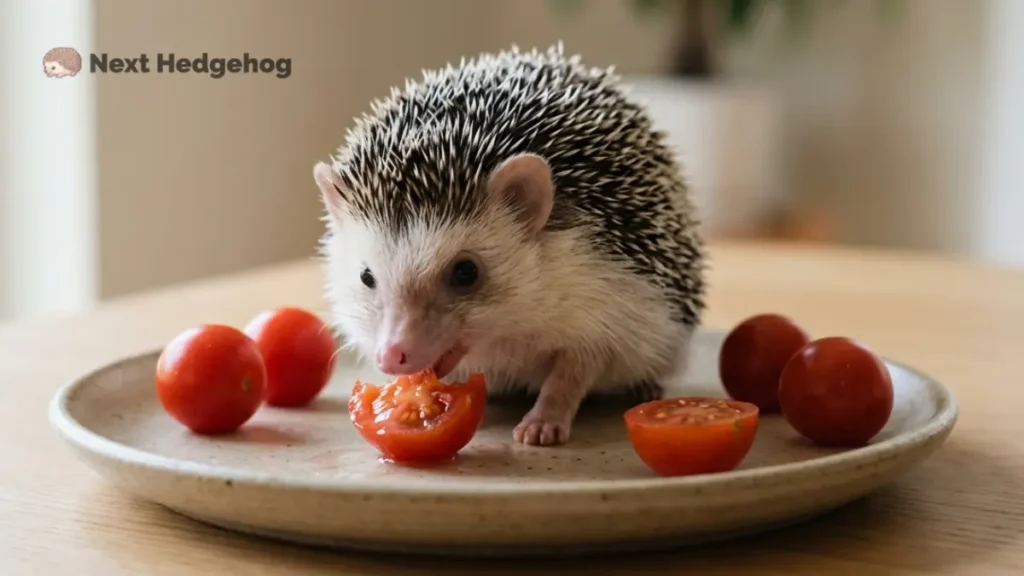
So where do tomatoes fall on that spectrum?
In this guide, we’ll break down whether hedgehogs can safely eat tomatoes, which parts (if any) are safe, potential risks to watch out for, and how to serve them properly if they’re suitable.
What is Tomato?
Tomato is a bright red (sometimes yellow, orange, or green) edible fruit that is widely used as a vegetable in cooking. It comes from the plant Solanum lycopersicum, which belongs to the nightshade family, the same plant family as potatoes, eggplants, and peppers.
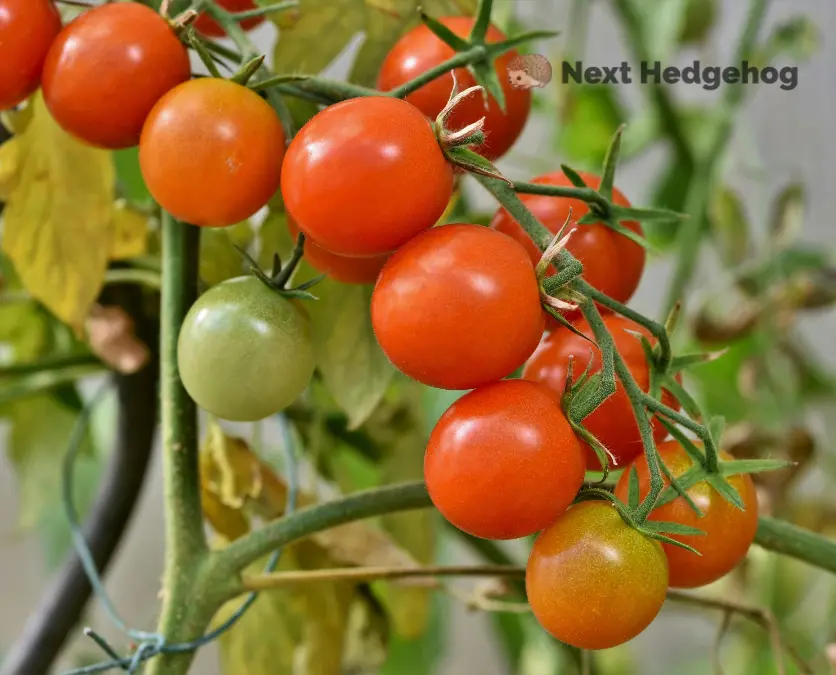
Although botanically a fruit because it develops from the flower of the plant and contains seeds, tomatoes are commonly treated as a vegetable in everyday cooking due to their savory flavor profile. They are used in salads, sauces, soups, and countless dishes around the world.
Tomatoes are rich in nutrients like vitamin C, potassium, folate, and antioxidants such as lycopene, which is known for supporting heart health and reducing inflammation in humans.
However, while they are generally healthy for people, their suitability for pets—like hedgehogs—requires a closer look at specific parts of the fruit and how they are served.
Different Types of Tomato
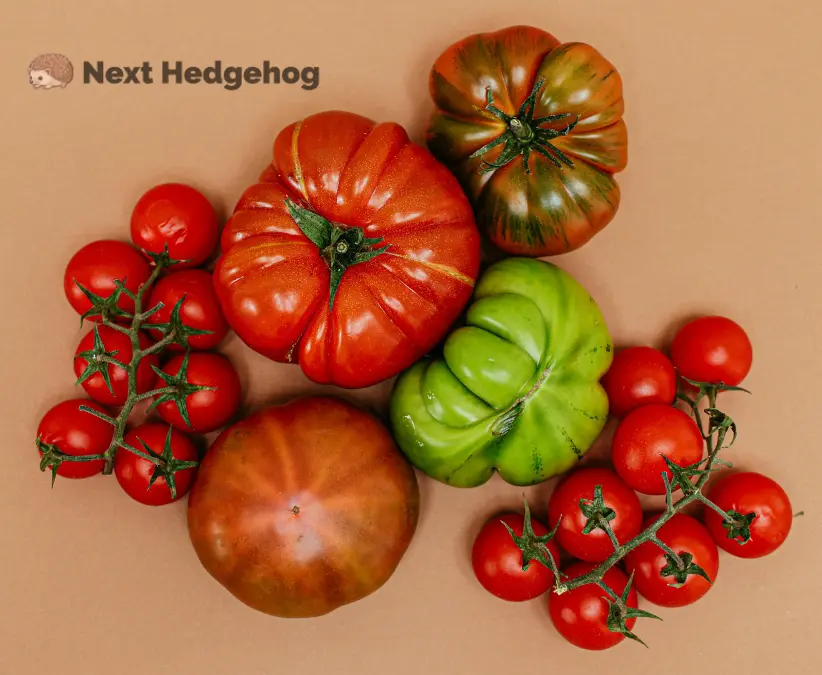
Tomatoes come in many shapes, sizes, colors, and flavors. Understanding the different types can help you better evaluate what you’re feeding—even if you’re just exploring foods for curiosity or pet safety research.
1. Cherry Tomatoes
Small, round, and very juicy, cherry tomatoes are one of the sweetest varieties. They’re often used in salads or eaten raw as snacks. Their size makes them popular, but they are also quite acidic compared to some larger varieties.
2. Grape Tomatoes
Similar to cherry tomatoes but slightly more oval in shape, grape tomatoes are firmer, less juicy, and usually less acidic. They have a mildly sweet taste and are often preferred for snacking and roasting.
3. Roma Tomatoes (Plum Tomatoes)
Roma tomatoes are elongated and have thick flesh with fewer seeds. They are less watery, making them ideal for sauces and cooking. Their lower moisture content gives them a more concentrated tomato flavor.
4. Beefsteak Tomatoes
These are large, heavy tomatoes with lots of juice and seeds. They are commonly used in burgers and sandwiches due to their size and mild taste. However, their high water content makes them less ideal for certain preparations.
5. Heirloom Tomatoes
Heirloom tomatoes come in a wide variety of colors like purple, green, yellow, and striped patterns. They are known for their rich, complex flavors and are often grown from traditional, non-hybrid seeds.
6. Yellow and Orange Tomatoes
These varieties are slightly less acidic than red tomatoes and often taste milder or sweeter. They’re visually appealing and commonly used in salads for color variety.
Each type of tomato shares similar core nutrients, but differences in acidity, water content, and sweetness can affect how they are used in diets—both for humans and when considering pet-safe foods.
Is Tomato Safe for Hedgehogs?
Tomatoes are not considered a natural or essential part of a hedgehog’s diet, but they are not strictly toxic in all cases either. In general, small amounts of ripe tomato flesh are unlikely to cause serious harm to a hedgehog.
However, this does not mean tomatoes are a safe or recommended regular food for them.
One of the main concerns with tomatoes is their acidity. Hedgehogs have very sensitive digestive systems, and acidic foods can sometimes lead to stomach upset, diarrhea, or a loss of appetite.
Because of this, even a small amount of tomato may not sit well with some hedgehogs, depending on their individual tolerance.
Another important factor is that tomatoes belong to the nightshade family of plants. While the ripe fruit is relatively safer, other parts of the plant are not. The leaves, stems, and especially unripe green tomatoes contain compounds such as solanine, which can be harmful if consumed. These parts should always be completely avoided when it comes to hedgehogs or any pets.
Tomatoes also contain a small amount of natural sugar. Although not high compared to many fruits, hedgehogs do not require sugary foods in their diet. Their bodies are designed mainly for protein-rich foods like insects, so sugary or plant-heavy foods are not ideal for regular feeding.
Nutritional Value Of Tomato
Tomatoes are often praised for being low in calories yet rich in essential vitamins, minerals, and antioxidants. While they are not a core food for hedgehogs, understanding their nutritional profile helps explain both their benefits and limitations when offered as an occasional treat.
Below is a simple breakdown of the key nutrients found in raw tomatoes:
| Nutrient | Amount (per 100g) | Benefit |
|---|---|---|
| Calories | ~18 kcal | Very low-calorie fruit, light on energy intake |
| Water | ~94% | Helps with hydration |
| Carbohydrates | ~3.9 g | Provides small amount of natural energy |
| Sugars | ~2.6 g | Natural sweetness (not ideal in excess for hedgehogs) |
| Fiber | ~1.2 g | Supports digestion (in humans; limited benefit for hedgehogs) |
| Protein | ~0.9 g | Minimal protein content |
| Vitamin C | ~13 mg | Supports immune function and skin health |
| Vitamin A | Moderate | Important for vision and immune support |
| Potassium | ~237 mg | Helps muscle and nerve function |
| Lycopene | High antioxidant | May support heart health and reduce inflammation |
Benefits of Feeding Tomato to Hedgehogs
Although tomatoes are not a natural or necessary part of a hedgehog’s diet, offering a very small amount of ripe tomato flesh occasionally may provide a few mild benefits.
These should always be considered secondary, and tomatoes should never replace a hedgehog’s main protein-based diet.
- Hydration Support: Tomatoes have a very high water content, which can help provide a small hydration boost, especially in warm weather. However, hedgehogs should still rely on fresh water as their main source of hydration.
- Source of Antioxidants: Tomatoes contain antioxidants like lycopene, which help fight oxidative stress in the body. While the benefit for hedgehogs is not fully studied, antioxidants are generally supportive of overall cellular health.
- Small Amount of Vitamins: They offer vitamins such as vitamin C and vitamin A, which contribute to immune support and eye health in general animal nutrition contexts.
- Low-Calorie Treat Option: Tomatoes are very low in calories, so a tiny portion does not significantly affect a hedgehog’s energy intake or weight when given occasionally.
- Variety in Taste Experience: Some hedgehogs may enjoy exploring new flavors and textures. A small taste of tomato can add mild enrichment to their diet, even if it is not nutritionally necessary.
- Easy to Prepare: Tomatoes are simple to wash, peel, and cut into small pieces, making them easy to serve safely in very controlled portions.
Even with these potential benefits, tomatoes should only be offered rarely and in very small amounts, as hedgehogs thrive best on a diet focused on insects and specially formulated hedgehog foods rather than fruits or vegetables.
Risks Factors of Overfeeding Tomato
Overfeeding tomatoes to hedgehogs can lead to more harm than benefit, mainly because their digestive system is not designed to handle large amounts of fruit or acidic foods. Even though a small piece of ripe tomato is generally not dangerous, excessive feeding can create several health issues over time.
- Digestive Upset: Too much tomato can irritate a hedgehog’s sensitive stomach, leading to diarrhea, soft stools, or general digestive discomfort. Their system is better suited for protein-rich insects rather than watery fruits.
- High Acidity Effects: Tomatoes are naturally acidic. Overconsumption can increase stomach acidity, which may cause bloating, discomfort, or reduced appetite in hedgehogs.
- Nutritional Imbalance: If tomatoes are fed too often, they can replace more important foods in the diet. This may lead to a lack of essential proteins and fats that hedgehogs need for energy and growth.
- Excess Water Intake: Since tomatoes are over 90% water, overfeeding can lead to overly loose stools or dehydration-like symptoms due to electrolyte imbalance.
- Sugar Exposure: Although tomatoes are not very sweet, frequent feeding still introduces unnecessary natural sugars, which hedgehogs do not require and may not process efficiently.
- Risk from Improper Parts: Overfeeding increases the chance of accidentally including harmful parts like seeds, stems, or unripe sections, which may contain compounds that are unsafe for hedgehogs.
- Loss of Appetite for Proper Food: If hedgehogs become used to soft or juicy foods like tomatoes, they may start ignoring their primary diet of insects and high-protein kibble, which can affect their long-term health.
Overall, moderation is key. Tomatoes should only be an occasional treat in very small amounts, not a regular part of a hedgehog’s diet.
Hedgehogs Tomato Feeding Guide
Feeding tomatoes to hedgehogs requires careful handling because their digestive system is not designed for fruits as a regular food source. Even though ripe tomato flesh is not highly toxic, it should only be offered as an occasional treat and in very controlled amounts.
Proper preparation and strict portion control are essential to avoid digestive issues or nutritional imbalance.
1. Choose a fully ripe tomato
Select a fresh, ripe tomato that is soft and free from any green or unripe areas. Avoid tomatoes that are overripe, damaged, or moldy, as these can upset your hedgehog’s stomach or introduce harmful bacteria.
2. Wash thoroughly before use
Always wash the tomato carefully under clean water to remove pesticides, dirt, or chemical residues. This step is important even if the tomato is organic, as hedgehogs are very sensitive to contaminants.
3. Remove unsafe parts
Cut away the stem, leaves, and any green sections. These parts of the tomato plant belong to the nightshade family and may contain compounds that are not safe for hedgehogs. Only the soft, red flesh should be used.
4. Cut into a very small piece
Take only a tiny portion of the tomato flesh—about the size of a fingernail or smaller. Hedgehogs do not need large amounts, and overfeeding can quickly lead to stomach upset.
5. Serve plain and unseasoned
Do not add salt, spices, oil, or any seasoning. Tomatoes should always be served in their natural form to avoid harming your hedgehog’s digestive system.
6. Offer occasionally, not regularly
Tomatoes should be given only as a rare treat, not part of a weekly diet. A hedgehog’s main nutrition should come from insects and high-quality hedgehog food.
7. Monitor after feeding
After giving a small piece, watch your hedgehog for the next 24 hours. If you notice diarrhea, reduced appetite, or unusual behavior, avoid feeding tomatoes in the future and stick to safer food options.
Feeding Frequency Guidelines: By Age & Amount
Feeding tomatoes to hedgehogs should always be done with caution, and the amount must vary depending on their age, size, and overall health. Since tomatoes are not a natural part of their diet, they should only be treated as an occasional enrichment food rather than a regular feeding option.
Overfeeding can quickly lead to digestive issues, so strict portion control is important.
| Hedgehog Age | Safe Amount of Tomato | Feeding Frequency | Notes |
|---|---|---|---|
| Baby (0–3 months) | Not recommended | Avoid completely | Their digestive system is too sensitive for fruits |
| Juvenile (3–6 months) | Very tiny piece (pea-sized max) | Rare (once a month or less) | Only if already tolerating solid foods well |
| Adult (6 months–3 years) | Small piece (fingernail size) | Very occasional (1–2 times per month max) | Monitor for any digestive upset |
| Senior (3+ years) | Very small piece (optional) | Rare, only if healthy | Avoid if any health or digestive issues exist |
Raw vs Cooked Tomato
Tomatoes can be offered to hedgehogs in different forms, but not all forms are equally safe or suitable. The way a tomato is prepared—raw or cooked—can significantly affect its acidity, texture, and digestibility.
Since hedgehogs have very sensitive digestive systems, it’s important to understand how each form impacts their health before offering even a small bite.
Raw Tomato
Raw tomato is the most common form people consider feeding, but it is also the most acidic. In its raw state, tomato retains all of its natural acids and water content, which can sometimes irritate a hedgehog’s stomach.
While a tiny piece of ripe raw tomato flesh may not be harmful, it can still cause mild digestive issues like soft stool or reduced appetite in sensitive hedgehogs. Additionally, raw tomato seeds and skins can be harder to digest, so only a very small, seed-free piece of flesh is ever considered.
Cooked Tomato
Cooking tomatoes slightly reduces their acidity and makes them softer and easier to chew. However, cooking often changes the nutritional profile and may concentrate sugars depending on the method used.
More importantly, cooked tomatoes are often prepared with salt, oil, or spices in human food, which are unsafe for hedgehogs. Even plain cooked tomato is not commonly recommended because hedgehogs do not need plant-based cooked foods in their diet, and it still lacks the protein they require.
Which is Safe?
Between the two, neither raw nor cooked tomato is an ideal or necessary food for hedgehogs. If ever offered, a tiny piece of fresh, ripe raw tomato flesh is generally the safer option compared to cooked versions, simply because it avoids added ingredients.
However, even this should be extremely rare. A hedgehog’s diet should primarily consist of insects and specially formulated hedgehog food, with tomatoes—regardless of form—treated as an occasional and non-essential treat.
Alternative Items You Can Offer
If you’re considering alternatives to tomatoes, it’s best to stay within foods that offer similar texture or hydration benefits but are safer and more suitable for a hedgehog’s digestive system.
Since tomatoes are juicy, soft, and mildly sweet, the alternatives below are chosen to match those qualities while being more appropriate for occasional feeding.
- Cucumber (small pieces): Cucumber has a very high water content similar to tomatoes but is much less acidic. A tiny peeled piece can help with hydration and is generally gentler on a hedgehog’s stomach when offered rarely.
- Zucchini (raw, small bits): Zucchini is soft, mild in flavor, and low in acidity, making it a safer vegetable alternative to tomato. It is easy to digest when given in very small, raw portions.
- Pumpkin (plain, cooked): Plain boiled or steamed pumpkin is gentle on digestion and offers a soft texture similar to tomato flesh. It also contains fiber that can support gut health when given occasionally.
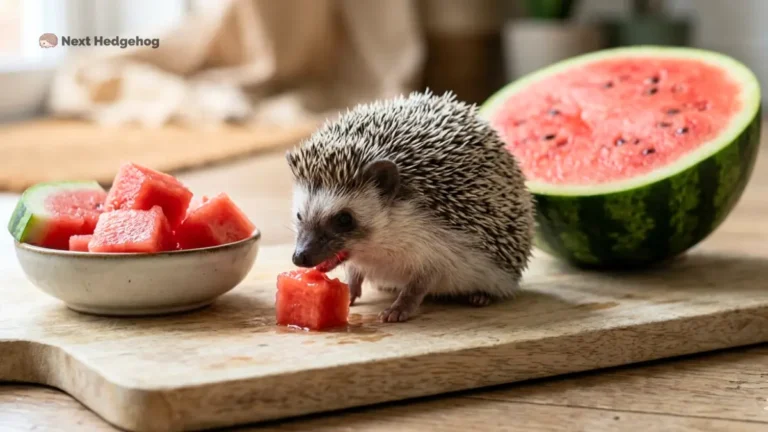
- Watermelon (tiny seedless piece): Watermelon is juicy like tomato and can provide hydration, but it should be seedless and given in very small amounts due to its natural sugar content.
These alternatives mimic some of the hydration and softness of tomatoes but are generally safer and better tolerated by hedgehogs when offered sparingly.