Do Hedgehogs Eat Snails? (6+ Risks to Avoid)
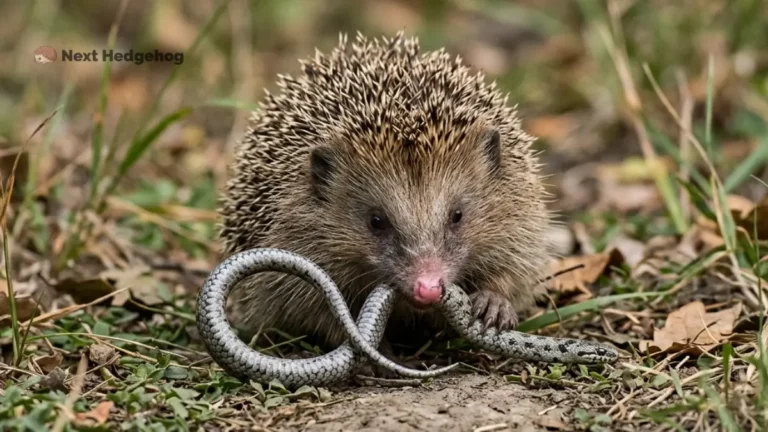
Yes, pet hedgehogs can eat snails, but it’s not something they should rely on or be regularly offered.
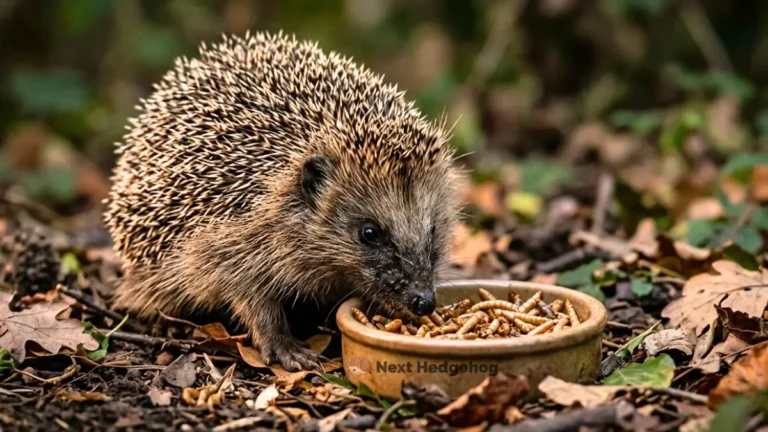
In the wild, hedgehogs are natural insect-eaters and will sometimes catch snails or slugs if they find them while foraging. However, for a pet hedgehog, things are different. Their diet should be carefully managed with high-quality hedgehog food, insects, and approved protein sources to keep them healthy and safe.
Snails can carry parasites or pesticides, especially if collected from outdoors, which makes them risky for pet hedgehogs. Even if they are eaten in nature, that doesn’t always mean they are safe in a домаш environment.
In this guide, we’ll look at whether snails are safe for pet hedgehogs, the risks involved, and what healthier alternatives you can offer instead.
Are Snails Safe for Hedgehogs?
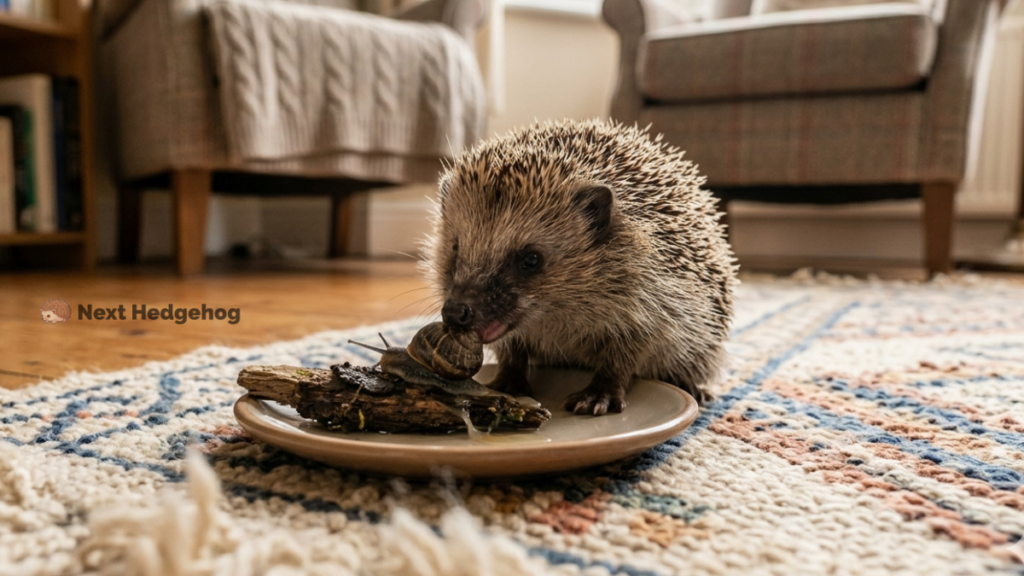
Snails are not considered a safe or recommended food for pet hedgehogs.
While wild hedgehogs may occasionally eat snails in nature, that doesn’t automatically make them safe in a home environment. The biggest issue is risk, not nutrition.
Snails can carry parasites, bacteria, and pesticide residue, especially if they are collected from gardens or outdoor areas. These contaminants can easily make a pet hedgehog sick, leading to digestive problems or even more serious health issues.
Another concern is that snails are not a reliable or balanced food source. Pet hedgehogs need a controlled diet that supports their protein needs, usually from insects like mealworms, crickets, or specially formulated hedgehog food.
Because of these risks, most hedgehog care experts recommend avoiding snails completely unless they are from a strictly controlled, parasite-free environment—which is very hard to guarantee at home.
What Are Snails?
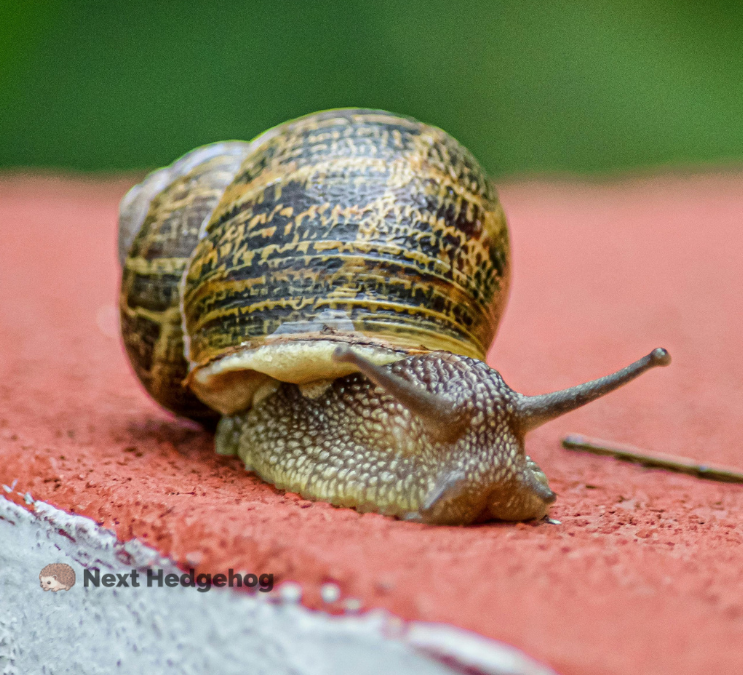
Snails are small, soft-bodied animals that belong to a group called mollusks. They are most easily recognized by their spiral-shaped shell, which they carry on their back for protection. Snails move very slowly using a muscular “foot” and leave behind a slimy trail as they travel.
They are found almost everywhere in the world—gardens, forests, riversides, and even urban areas. Snails usually come out during cool, damp conditions because they need moisture to survive.
In nature, snails play an important role in the ecosystem. They feed on decaying plants, algae, and organic matter, helping to recycle nutrients back into the soil. At the same time, they also become food for many animals, including birds, frogs, and sometimes hedgehogs.
Even though they look simple, snails are quite sensitive creatures. Their diet, environment, and health can vary depending on where they live, which is why wild snails are not always safe for pets to eat.
Different Types of Snails Hedgehogs Can Eat
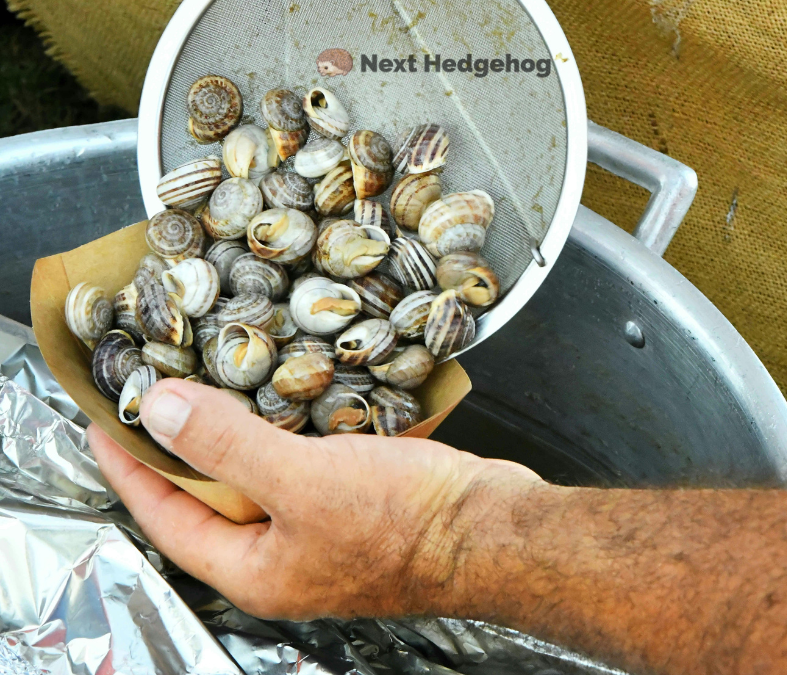
Even though hedgehogs may eat snails in the wild, not all snails are equally safe or suitable—especially for pet hedgehogs. Here’s a simple breakdown:
- Garden snails (wild snails): These are the most commonly found snails in yards and gardens. While hedgehogs might eat them naturally, they are not safe for pets because they often carry parasites and pesticide exposure.
- Freshwater snails: Found in ponds, lakes, or aquariums. These snails are also not recommended, as they can carry parasites or waterborne bacteria that may harm hedgehogs.
- Land snails (non-toxic species in controlled environments): In theory, clean and captive-bred land snails could be safer, but they are still rarely used as pet food and are difficult to guarantee parasite-free.
- Young or small snails: In the wild, hedgehogs may target smaller snails because they are easier to eat. However, size doesn’t remove the health risks, especially contamination concerns.
- Dead or decaying snails: Hedgehogs may sometimes scavenge them in nature, but these are unsafe for pet hedgehogs due to bacterial growth and spoilage.
Parts of Snails Hedgehogs Can & Can’t Eat
Snails are made up of a few different parts, and while wild hedgehogs may eat them in nature, not every part is equally suitable or safe—especially for pet hedgehogs.
- Soft body (the main flesh): This is the part hedgehogs are most likely to eat in the wild. It contains protein and moisture, but for pet hedgehogs it still carries risks like parasites and bacteria, so it’s not recommended as a regular food.
- Shell: The hard shell is made of calcium. Hedgehogs may nibble around it, but they cannot properly digest it, and it offers little nutritional value. It should not be considered food.
- Slimy mucus layer: This is the protective coating snails produce to move around. It is not harmful in nature, but it carries germs, dirt, and potential pesticides, making it unsafe for pet hedgehogs.
- Internal organs (inside the snail body): These are sometimes consumed when hedgehogs eat snails in the wild. However, they can also carry parasites and harmful microorganisms, so they are unsafe for captive pets.
- Eggs (snail eggs, rarely encountered): Hedgehogs do not usually target these, and they are not a suitable or safe food source for pet hedgehogs.
Nutritional Value of Snails
Snails contain several nutrients that make them a natural food source in the wild for many animals, including hedgehogs. They are rich in moisture and provide some protein, but their overall nutritional profile is not ideal or consistent for pet hedgehogs due to safety risks and variability in wild snails.
Here’s a simple breakdown of what snails typically contain:
| Nutrient / Component | Approximate Value (per 100g) | What It Means for Hedgehogs |
|---|---|---|
| Protein | 12–16g | Helps muscle growth, but better sources exist (insects, commercial diets) |
| Fat | 1–2g | Very low fat, which is good but not energy-dense enough alone |
| Moisture | 75–85% | Helps hydration, especially in the wild |
| Calcium | Moderate (varies by species) | Important for bones, but shell is not digestible |
| Iron & Minerals | Small amounts | Supports basic body functions |
| Fiber | Very low | Not a significant dietary benefit |
Benefits of Feeding Snails to Hedgehogs
Snails are not a common or recommended food for pet hedgehogs, but in the wild they can sometimes provide certain benefits. These benefits are more relevant to natural foraging than domestic feeding.
- Natural protein source: Snails contain a moderate amount of protein, which can help support a hedgehog’s energy and muscle maintenance during wild foraging.
- Hydration boost: With high moisture content, snails can help hedgehogs stay hydrated, especially in dry or warm conditions.
- Easily available prey in the wild: In damp environments, snails are slow-moving and easy for hedgehogs to catch, making them a convenient occasional snack.
- Variety in diet (wild behavior): Eating snails adds diversity to a hedgehog’s natural diet, which mainly consists of insects, worms, and other small invertebrates.
- Supports natural hunting instincts: Catching snails allows hedgehogs to practice foraging and hunting behaviors that are important for their survival in the wild.
Risks Factors of Overfeeding Snails
Even though snails may seem like a natural snack for hedgehogs, feeding them too often—especially to pet hedgehogs—can lead to serious health risks.
- Parasite infections: Snails commonly carry internal parasites that can transfer to hedgehogs and cause digestive problems, weakness, or long-term illness.
- Bacterial contamination: Wild snails often contain harmful bacteria from soil, waste, or decaying matter, which can lead to stomach infections or diarrhea.
- Pesticide poisoning: Snails collected from gardens or outdoor areas may have traces of pesticides or chemicals, which are highly dangerous for small animals like hedgehogs.
- Digestive issues: Overfeeding snails can upset a hedgehog’s digestive system, leading to bloating, loss of appetite, or irregular stool.
- Unbalanced diet: Relying too much on snails reduces intake of proper hedgehog foods like insects and formulated diets, leading to nutritional imbalance.
- Low nutritional reliability: Snails vary widely in nutrient content, so overfeeding them does not provide consistent or dependable nutrition.
Hedgehogs Snails Feeding Guide
Feeding snails to hedgehogs is generally not recommended, but if you are trying to understand how it would be done safely, it must be approached very carefully. Pet hedgehogs have sensitive digestive systems, so every step matters.
Step 1: Avoid Wild Collection Whenever Possible
Never pick snails directly from gardens, roadsides, or parks. Wild snails often carry parasites, bacteria, and pesticide traces that can seriously harm your hedgehog. This step alone is enough reason why most experts recommend avoiding snails completely.
Step 2: Ensure a Controlled Source (If Absolutely Necessary)
If snails are ever considered, they must come from a clean, pesticide-free, and controlled environment. Even then, safety is not guaranteed, so this step should only apply in very rare and controlled situations.
Step 3: Clean and Prepare Carefully
The snail would need to be thoroughly cleaned to remove external dirt and slime. However, cleaning does not remove internal parasites, which is why risks still remain high even after preparation.
Step 4: Offer a Very Small Amount Only
If you proceed, offer only a tiny portion of the snail’s soft body. Do not feed the shell, and never make it a regular food. This should be treated as a rare experimental treat, not part of the diet.
Step 5: Observe Your Hedgehog Closely
After feeding, monitor your hedgehog for any signs of digestive issues such as diarrhea, loss of appetite, or unusual behavior. Any negative reaction means you should stop immediately.
Step 6: Prefer Safer Alternatives
Instead of continuing with snails, switch back to safer foods like mealworms, crickets, or commercial hedgehog food, which provide proper nutrition without health risks.
Feeding Frequency Guidelines: By Age & Amount
Feeding a pet hedgehog properly depends heavily on its age, size, and activity level. Since hedgehogs have fast metabolisms and are mostly insectivores, their feeding schedule should be consistent but carefully portioned. Overfeeding or irregular feeding can quickly lead to obesity or digestive issues.
Here’s a simple guide to help you understand how much and how often a hedgehog should eat at different life stages:
| Age of Hedgehog | Feeding Frequency | Portion Size | Diet Focus |
|---|---|---|---|
| Baby (4–12 weeks) | 2–3 times daily | Small, soft portions | High-protein insects, starter formula |
| Juvenile (3–6 months) | 2 times daily | Moderate portions | Insects + quality hedgehog kibble |
| Adult (6 months–3 years) | Once daily (evening) | 1–2 tablespoons | Balanced diet: insects + pellets |
| Senior (3+ years) | Once daily | Smaller portions | Easily digestible, low-fat foods |
Live vs Cooked Snails
When it comes to hedgehogs and snails, one common question is whether they are safer live or cooked. While hedgehogs may eat snails in the wild, both live and cooked options come with important risks—especially for pet hedgehogs.
Understanding the difference helps you make safer feeding choices.
Live Snails
Live snails are what hedgehogs might naturally encounter in the wild. They can move slowly, making them easy prey for a hedgehog’s hunting instincts. However, for pet hedgehogs, live snails are not safe to feed.
They often carry parasites, bacteria, and pesticide residue from soil or garden environments. There is also no way to control what the snail has been exposed to, which makes live snails a high-risk food option.
Cooked Snails
Cooking snails may reduce some bacteria and parasites, but it does not make them a suitable food for hedgehogs. Even after cooking, snails are not part of a balanced hedgehog diet and can still cause digestive issues.
Additionally, cooked food may lose any natural structure hedgehogs would recognize, and there is still uncertainty about proper preparation for safe consumption.
Final Decision
For pet hedgehogs, both live and cooked snails are not recommended feeding options. The risks outweigh any potential benefits, and safer protein sources like insects (mealworms, crickets) and quality hedgehog food are far better choices. Snails are best left as part of a hedgehog’s natural wild behavior—not a pet diet.
Alternative Items You Can Offer
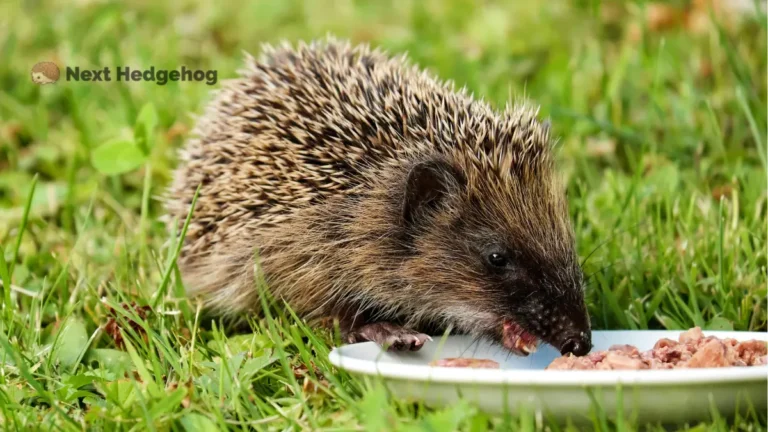
Instead of feeding snails to your pet hedgehog, it’s much safer to choose foods that are specifically suitable for their digestive system and nutritional needs. These alternatives provide protein, energy, and essential nutrients without the risks of parasites or contamination.
- Mealworms: A popular hedgehog treat, mealworms are rich in protein and easy for hedgehogs to eat. They should be given in moderation due to their fat content.
- Crickets: Crickets are one of the best staple insect foods for hedgehogs. They are high in protein, low in fat, and closely match their natural diet.
- Waxworms: These are softer insects that hedgehogs enjoy as an occasional treat. Because they are high in fat, they should not be overfed.
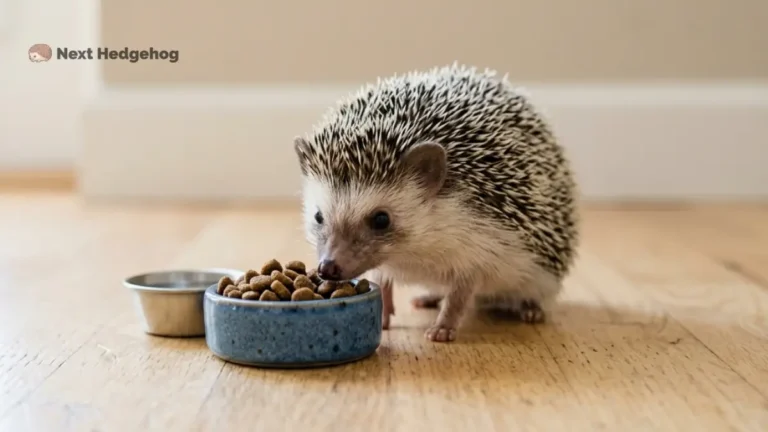
- High-quality hedgehog kibble: Specially formulated hedgehog or insectivore pellets provide balanced nutrition and should form the base of a pet hedgehog’s diet.