What Can Hedgehogs Not Eat? Toxic Foods to Avoid in 2026
Hedgehogs may look like low-maintenance, easygoing pets, but their diet is far more sensitive than it seems. One wrong snack can quickly lead to serious health issues, digestive trouble, or even long-term complications.
If you’re a hedgehog owner—or planning to become one—knowing what they should never eat is just as important as knowing what they can safely enjoy.
In the wild, hedgehogs are insectivores with very specific nutritional needs, and their pet diet must carefully mimic that balance. Unfortunately, many common human foods and even some pet treats can be harmful or toxic to them.
In this guide, we’ll break down exactly what hedgehogs cannot eat, why these foods are dangerous, and what risks they pose to your pet’s health.
Whether you’re a beginner or an experienced owner, this list will help you avoid common feeding mistakes and keep your hedgehog safe, healthy, and thriving.
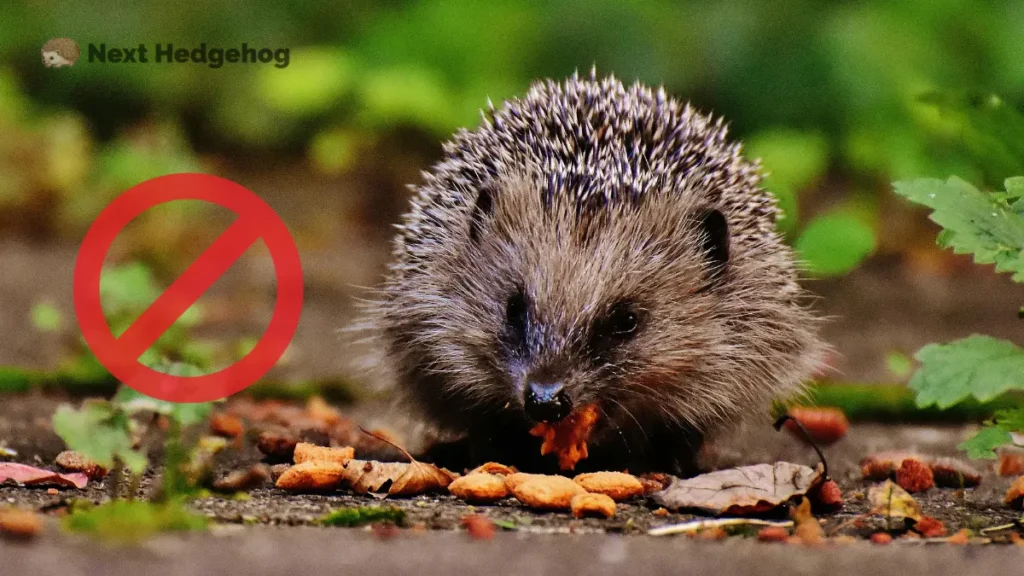
Foods That Are Toxic to Hedgehogs
Not all foods that seem “healthy” or harmless are safe for hedgehogs. Some everyday human snacks and ingredients can be highly toxic or cause serious digestive issues. It’s important to clearly separate safe foods from dangerous ones.
Below is a breakdown of foods hedgehogs should never eat and why they can be harmful.
- Chocolate – Contains theobromine and caffeine, which are toxic and can be fatal to hedgehogs.
- Grapes – Can cause kidney failure in some animals and are considered unsafe for hedgehogs as well.
- Milk – Hedgehogs are lactose intolerant, leading to severe digestive upset and diarrhea.
- Avocado – Contains persin, which can be toxic and may cause heart and respiratory issues.
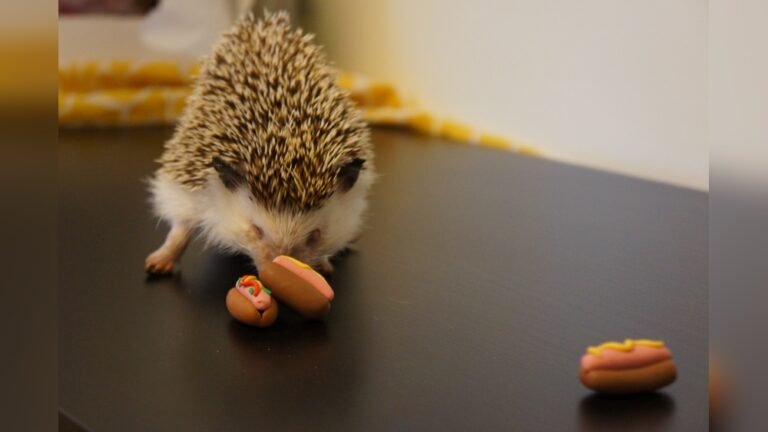
- Onion/garlic-based foods (e.g., chili dogs) – Damages red blood cells and can lead to anemia.
- Nuts (including almonds, peanuts) – High fat and choking risk; also hard to digest properly.
- Cereal & crackers – Highly processed, sugary, and lacking nutrition, leading to obesity and gut issues.
- Bread – Offers no nutritional value and can cause bloating and digestive discomfort.
- Bacon & sausage – Extremely high in fat and salt, increasing risk of organ stress and obesity.
- Dog food (low-quality types) – Often too fatty or imbalanced for hedgehogs’ specific dietary needs.
- Guinea pig food – Herbivore-based formula, not suitable for insectivorous hedgehogs.
- Citrus fruits (like oranges) – High acidity can irritate the digestive system.
- Cabbage – Can cause gas and bloating, leading to discomfort.
- Mushrooms – Some varieties may be toxic and are generally unsafe due to uncertainty.
- Cereal insects mix (unbalanced insects like ants/snakes) – Risk of parasites or toxins from wild sources.
Why Avoid Toxic Foods?
Toxic foods can affect hedgehogs in many different ways, from mild stomach upset to severe internal damage. What makes it even more dangerous is that symptoms are not always immediate, so owners may not realize the harm until it becomes serious.
Below are the key reasons why these foods should always be avoided:
- Digestive system damage – Many toxic or unsafe foods are too fatty, acidic, or complex for hedgehogs to digest properly, leading to vomiting, diarrhea, or gut imbalance.
- Organ stress and failure risk – Certain ingredients like toxins or excess fat can put pressure on the liver, kidneys, and heart over time.
- Lactose and sugar intolerance – Hedgehogs cannot properly process dairy or high-sugar foods, causing bloating, dehydration, and energy crashes.
- Choking hazards – Hard or sticky foods like nuts, seeds, or processed snacks can easily get stuck in their small throat.
- Nutritional imbalance – Many human foods lack the protein-heavy, insect-based nutrition hedgehogs need to stay healthy.
- Hidden toxicity effects – Some foods (like chocolate or grapes) can cause internal damage before visible symptoms appear.
What If You Feed Toxic Food by Mistake?
Accidents can happen, especially when you’re still learning what hedgehogs can and cannot eat. A small bite of the wrong food doesn’t always lead to immediate danger, but it should never be ignored.
If your hedgehog accidentally eats something toxic, the first step is to stay calm and quickly remove any remaining food. Monitor your pet closely for unusual behavior such as lethargy, diarrhea, loss of appetite, drooling, or difficulty moving.
In more serious cases or if you’re unsure about the food, it’s always safest to contact a veterinarian as soon as possible. Early action can make a big difference in preventing complications and ensuring your hedgehog recovers safely.
How to Identify Toxic Foods?
Not all harmful foods for hedgehogs are obvious at first glance. Some look completely normal or even “healthy,” but still contain ingredients that can be dangerous for their small and sensitive bodies. Learning how to spot risky foods is key to preventing accidental feeding mistakes.
Here are the main signs that a food may be toxic or unsafe for hedgehogs:
- Contains sugar, salt, or artificial additives – Highly processed ingredients can overload a hedgehog’s digestive system and lead to long-term health issues.
- Includes dairy products – Milk, cheese, and similar foods are difficult for hedgehogs to digest due to lactose intolerance.
- Has spicy or seasoned ingredients – Spices, garlic, onion, and sauces can be toxic or irritating to internal organs.
- High-fat processed meats – Foods like bacon or sausage can strain the liver and cause obesity.
- Unknown wild ingredients or foraged food – Items collected from outdoors may contain pesticides, parasites, or toxins.
- Foods toxic to other animals – If a food is known to be dangerous for cats or dogs (like chocolate or grapes), it is usually unsafe for hedgehogs too.
- Highly acidic fruits or vegetables – Some produce can upset digestion and cause stomach discomfort.
- Long ingredient list with preservatives – The more processed the food, the higher the risk it is unsuitable for hedgehogs.
Common Toxic Feeding Myths
Hedgehog diets are often misunderstood, and many unsafe feeding habits come from assumptions based on other pets or human food trends. Believing these myths can accidentally put your hedgehog at risk.
Below are some of the most common toxic feeding myths you should avoid:
- “If it’s healthy for humans, it’s safe for hedgehogs” – Many human “healthy” foods like avocado or nuts can actually be toxic or dangerous for hedgehogs.
- “Dairy is fine in small amounts” – Even tiny amounts of milk or cheese can cause digestive issues because hedgehogs are lactose intolerant.
- “Fruit is always a safe treat” – Some fruits like grapes and citrus can be harmful due to toxicity or high acidity levels.
- “Insects from anywhere are safe protein” – Wild-caught bugs may carry parasites or pesticides that can seriously harm hedgehogs.
- “Processed pet foods are all the same” – Not all cat or dog foods meet hedgehog nutritional needs; some are too fatty or unbalanced.
- “A small bite won’t matter” – Even small amounts of toxic foods can build up or trigger sudden reactions in sensitive hedgehogs.
How to Keep Your Hedgehogs Safe from Toxic Foods?
Keeping your hedgehog safe starts with being intentional about every bite they eat. Since hedgehogs are curious and will often try to taste anything offered, prevention is much easier than treatment.
Below are simple but effective ways to protect your hedgehog from toxic foods:
- Stick to a consistent diet plan – Feed a proper hedgehog-safe diet or vet-approved insectivore food instead of experimenting with random human foods.
- Avoid table scraps completely – Even small leftovers from your plate can contain salt, spices, or ingredients that are harmful.
- Check every new food carefully – Always research before introducing anything new, even fruits, vegetables, or insects.
- Use safe treat options only – Limit treats to approved insects or hedgehog-safe fruits in very small portions.
- Store food securely – Keep human food and pet food separate so your hedgehog cannot access unsafe items accidentally.
- Educate everyone in the household – Make sure family members or visitors know not to feed the hedgehog without permission.
- Monitor feeding time – Supervise your hedgehog during feeding to prevent accidental ingestion of unsafe items.
Safest Foods to Feed Hedgehogs
While hedgehogs have a sensitive diet, there are still several safe and nutritious foods that can be offered in moderation. These options provide essential protein, vitamins, and hydration without putting your pet at risk.
Below are some of the safest foods you can feed your hedgehog:
- Chicken (plain, cooked) – A great lean protein source that supports muscle health and is easy to digest when unseasoned.
- Eggs (cooked) – Rich in protein and healthy fats, eggs are highly nutritious when served boiled or scrambled without oil or salt.
- Mealworms – A natural insect protein that closely matches a hedgehog’s wild diet and supports healthy energy levels.
- Crickets – Low-fat, high-protein insects that help maintain a balanced and species-appropriate diet.
- Dubia roaches – Excellent insect protein source with good nutritional balance and easy digestibility.
- Earthworms – Soft-bodied and protein-rich, they are generally safe when sourced from pesticide-free environments.
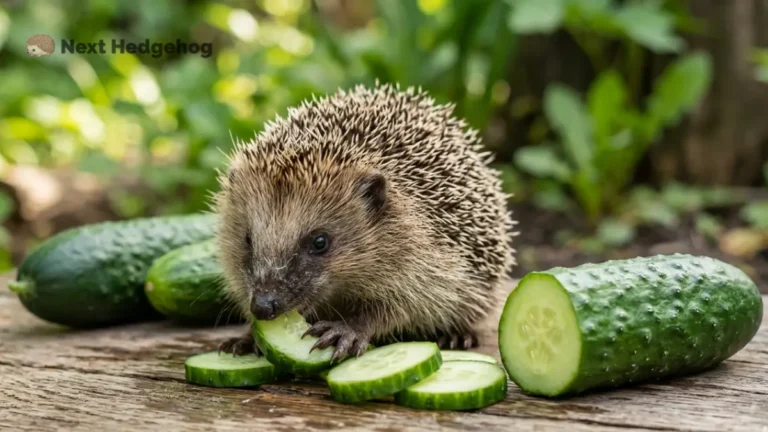
- Cucumber – High in water content, it helps with hydration when given as an occasional small treat.
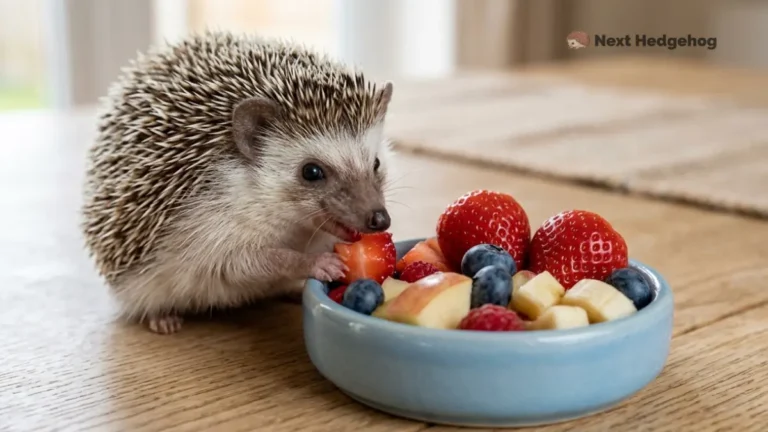
- Blueberries – A safe fruit option in small amounts, offering antioxidants without excessive sugar.
To discover more safest foods hedgehogs can eat, read the safe food guide for better ideas!