Can Hedgehogs Eat Cat Food? (STOP Before Feeding)
Yes, hedgehogs can eat cat food—but with some important conditions.
Cat food is actually one of the most commonly used alternatives to hedgehog food, especially dry kibble. This is because hedgehogs are insectivores, and they need a diet that is high in protein and moderate in fat. Many good-quality cat foods can meet these basic needs.
However, not every cat food is suitable. You need to be careful about what type you choose. The best option is high-protein, low-carb dry cat food, preferably made with real meat as the first ingredient. Look for protein levels around 30–40% and fat around 10–15%.
Wet cat food is generally not recommended as a staple diet. It spoils quickly and can lead to dental issues or digestive problems if fed regularly.
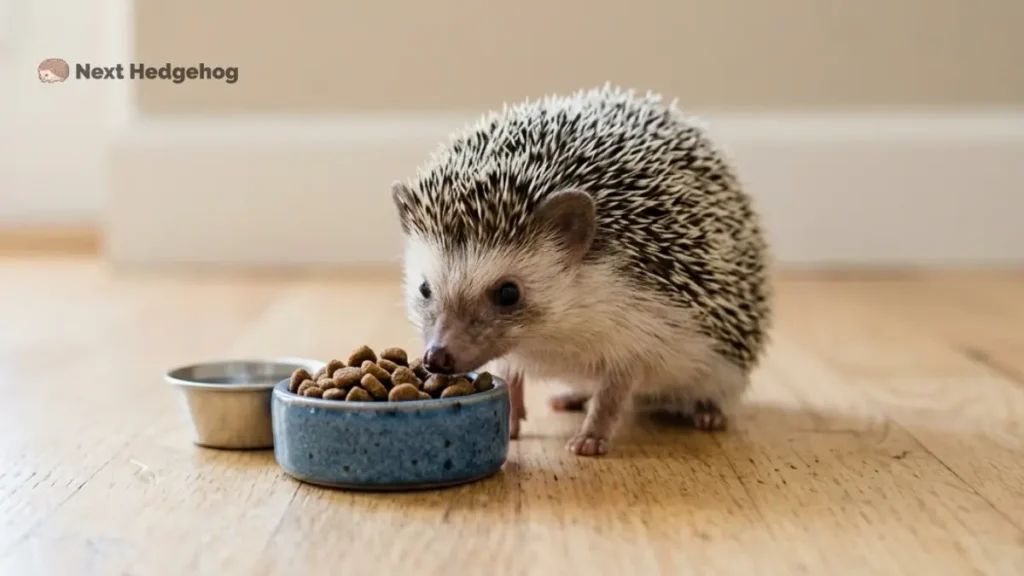
Also, avoid cat foods that are high in fillers like corn, wheat, or soy. These ingredients don’t provide much nutritional value for hedgehogs and can lead to obesity over time.
So, while cat food can be a practical and affordable option, it should be chosen carefully and used wisely—not as a random replacement for proper hedgehog nutrition.
What is Cat Food?
Cat food is a specially formulated pet food designed to meet the nutritional needs of domestic cats. It comes in two main forms: dry kibble and wet (canned or pouch) food.
Cats are obligate carnivores, which means they need a diet that is rich in animal protein to stay healthy. Because of this, cat food is usually made from ingredients like chicken, fish, beef, or other meat-based proteins. It also includes added vitamins, minerals, and fats to support things like energy, coat health, and immune function.
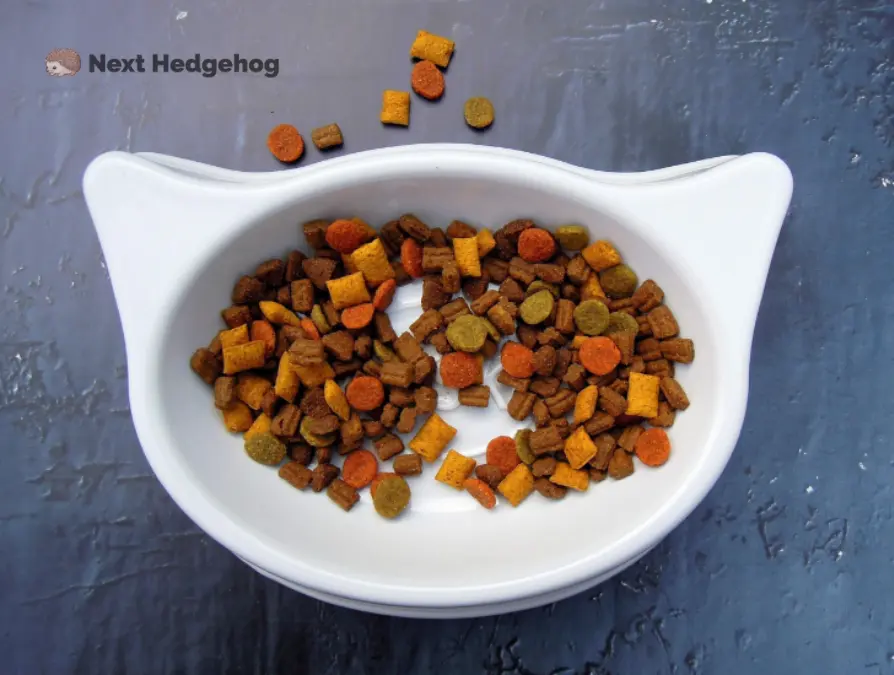
Dry cat food is processed into small crunchy pieces (kibble), while wet cat food has a softer texture with higher moisture content.
Even though it’s made for cats, cat food is often used by hedgehog owners as a convenient alternative diet option—especially dry kibble—because the protein content can match a hedgehog’s needs quite closely when chosen correctly.
Cat Food Hedgehogs Can Eat
Not all cat foods are suitable for hedgehogs, but a few high-quality options can work well as part of a balanced diet. The key is choosing foods that are high in animal protein, low in fillers, and not overloaded with carbohydrates.
Here are some commonly recommended cat foods that hedgehog owners often use safely:
- Royal Canin Adult Cat Food (Indoor / Fit 32): This is a popular option because it offers balanced protein and fat levels. It’s easy to digest and usually has consistent ingredient quality, making it a safe occasional staple for hedgehogs.
- Hill’s Science Diet Adult Chicken Recipe: Known for its veterinary-backed formulas, this food provides good-quality animal protein and controlled fat levels. It’s a solid choice if you want something reliable and widely trusted.
- Purina Pro Plan Savor Adult Shredded Blend Chicken & Rice: This option is high in protein and tends to be very palatable. Just make sure to pick varieties that are not too high in grains or fillers.
- Iams ProActive Health Adult Minichunks: A budget-friendly but decent-quality option. It provides enough protein for hedgehogs when used as a base kibble, especially if combined with insects.
- Wellness CORE Grain-Free Original Formula: This is one of the better grain-free options, offering high protein with fewer unnecessary carbohydrates, which is closer to a hedgehog’s natural diet.
Avoid Giving the Following Cat Foods
Not all cat foods are safe for hedgehogs, even if they are labeled as “complete nutrition” for cats. Some formulas contain ingredients that are too high in carbs, too low in protein, or filled with unnecessary additives that can harm a hedgehog over time.
Here are a few types of cat food you should avoid:
- Low-quality budget cat foods with heavy fillers: Avoid brands that list corn, wheat, or soy as the main ingredients. These fillers offer little nutritional value and are hard for hedgehogs to digest. Over time, they can lead to obesity and poor health.
- Foods with artificial colors, flavors, or preservatives: Some cat foods contain chemical additives that improve taste or appearance but provide no real nutrition. These are unnecessary for hedgehogs and may cause digestive sensitivity.
- High-carb “grain-heavy” dry cat foods: Certain formulas use grains or starches as major ingredients. Since hedgehogs need a protein-rich diet, too many carbs can lead to weight gain and metabolic issues.
- Generic “meat by-products” or unnamed protein meals: If the label doesn’t clearly state the meat source (like chicken or turkey), it’s best to avoid it. Vague protein sources usually indicate lower-quality ingredients with inconsistent nutrition.
Is Cat Food Safe for Hedgehogs?
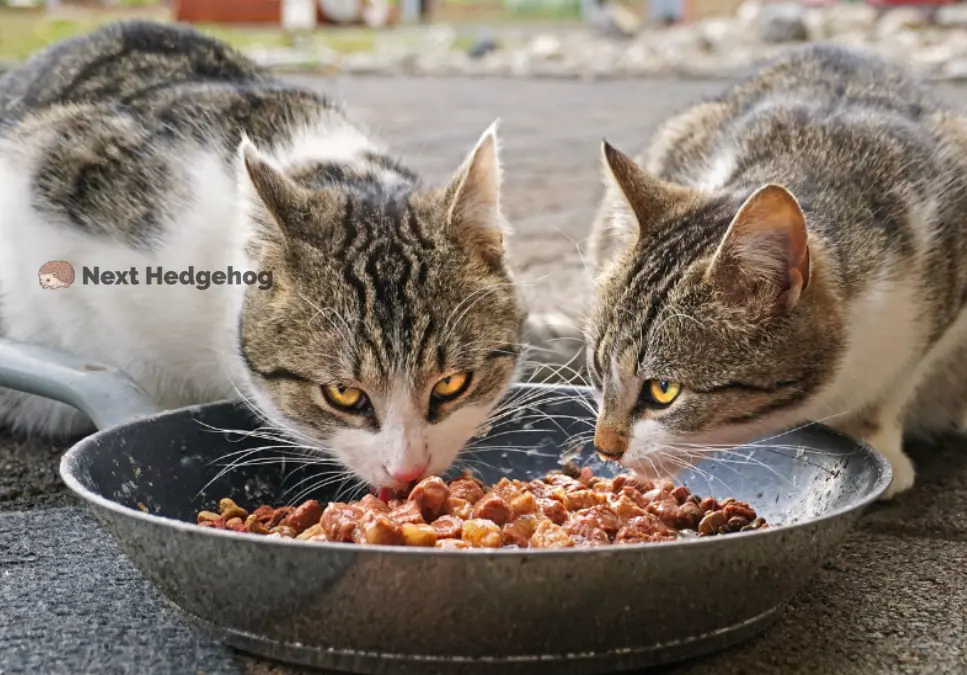
Cat food can be safe for hedgehogs, but only when it is chosen and used carefully. In many cases, high-quality dry cat food is used by hedgehog owners as a practical alternative to specialized hedgehog diets. This is because it often contains the right balance of protein and fat that hedgehogs need to stay healthy.
However, safety depends heavily on the ingredients. Hedgehogs are insectivores, so their digestive systems are not designed for high amounts of carbohydrates, grains, or artificial additives. If the cat food contains too many fillers or low-quality protein sources, it can lead to obesity, digestive issues, and long-term health problems.
Another important factor is portion control and variety. Even a good cat food should not be the only food in a hedgehog’s diet. It works best when combined with insects like mealworms, crickets, or other protein-rich treats that mimic their natural diet.
So, while cat food is generally safe as a part-time or base diet option, it should never replace a properly balanced hedgehog diet. Choosing high-quality kibble and maintaining variety is the key to keeping your hedgehog healthy and active.
Nutritional Value of Cat Food
Cat food is designed to meet the dietary needs of cats, but its nutritional profile is also why it’s often used for hedgehogs. Since hedgehogs need a high-protein, moderate-fat diet, certain cat foods can match their requirements quite closely when chosen correctly.
Most dry cat foods contain a mix of animal protein, fats, carbohydrates, vitamins, and minerals. However, the exact balance can vary a lot depending on the brand and quality. Here’s a general breakdown of what you’ll typically find in dry cat food:
| Nutrient | Typical Range in Dry Cat Food | Why It Matters for Hedgehogs |
|---|---|---|
| Protein | 30% – 40% | Essential for growth, muscle health, and energy |
| Fat | 10% – 20% | Provides energy and supports healthy skin and quills |
| Fiber | 2% – 5% | Helps digestion, but too much can reduce nutrient absorption |
| Carbohydrates | 20% – 40% | Should be kept moderate; too much can lead to obesity |
| Moisture | 8% – 12% (dry food) | Low moisture means fresh water is essential |
| Ash (Minerals) | 5% – 8% | Supports bone and overall body function in small amounts |
Benefits of Feeding Cat Food to Hedgehogs
When chosen carefully, cat food can be a practical and affordable option for hedgehog owners. While it should not replace a fully balanced hedgehog diet, it does offer several useful advantages, especially as a base food.
- Easily available and affordable: Cat food is widely sold in pet stores and supermarkets. This makes it one of the most convenient options for hedgehog owners, especially when specialized hedgehog food is hard to find.
- Good source of animal protein: High-quality dry cat food contains a solid amount of animal-based protein, which is essential for a hedgehog’s muscle development, energy, and overall health.
- Balanced basic nutrition: Many premium cat foods are formulated to include fats, vitamins, and minerals in a balanced way. This helps support skin health, digestion, and immune function in hedgehogs.
- Long shelf life (especially dry kibble): Dry cat food can be stored for a long time without spoiling, making it practical for daily feeding and bulk purchasing.
- Easy to mix with other foods: Cat food can be combined with insects like mealworms or crickets to create a more natural and enriched diet for hedgehogs.
Risks Factors of Overfeeding Cat Food
Cat food can be useful for hedgehogs, but overfeeding it—or relying on it too heavily—can lead to serious health issues over time. Since hedgehogs have specific dietary needs, balance is everything.
- Obesity and weight gain: Many cat foods contain moderate to high fat and carbohydrate levels. If fed in large amounts, hedgehogs can quickly become overweight, which reduces their activity and shortens their lifespan.
- Nutritional imbalance: Cat food is formulated for cats, not hedgehogs. Overfeeding it can lead to an imbalance in calcium, fiber, and protein ratios, which may affect bone health and digestion.
- Digestive issues: Hedgehogs have sensitive digestive systems. Excess kibble or low-quality cat food can cause bloating, loose stools, or discomfort.
- Reduced natural feeding behavior: Hedgehogs naturally eat insects and small invertebrates. Too much cat food can reduce their interest in insects, which are an important part of a healthy diet.
- Long-term health problems: Consistently overeating unsuitable cat food may contribute to fatty liver disease, weakened immunity, and overall poor condition in hedgehogs.
Hedgehogs Cat Food Feeding Guide
Feeding cat food to hedgehogs can work well, but only if it’s done with the right balance, portion control, and consistency. Think of cat food as a base diet, not the complete menu. A proper feeding routine helps prevent obesity, nutrition gaps, and digestive issues while keeping your hedgehog active and healthy.
Choose the Right Type of Cat Food
Always start with high-quality dry cat kibble. Look for food with high animal protein (around 30–40%) and moderate fat (10–15%). Avoid grain-heavy or filler-based formulas. The ingredient list should clearly show meat as the first ingredient.
Portion Size Matters
Adult hedgehogs usually need a small daily portion of kibble. On average, 1–2 tablespoons per day is enough, depending on their size, age, and activity level. Overfeeding—even with good food—can quickly lead to weight gain.
Feeding Schedule Consistency
Hedgehogs are nocturnal, so feeding should be done in the evening. Place fresh kibble at night and remove leftovers in the morning to prevent spoilage or attracting pests. Consistency in timing helps regulate their eating habits.
Always Add Protein Variety
Cat food alone is not enough. Mix in insects like mealworms, crickets, or waxworms a few times a week. This mimics their natural diet and ensures better nutrition and mental stimulation.
Fresh Water is Essential
Since dry cat food contains very low moisture, always provide clean, fresh water. A small bowl or drip bottle should be available at all times to prevent dehydration.
Monitor Weight and Health Regularly
Check your hedgehog’s weight every 1–2 weeks. If you notice rapid weight gain or loss, adjust the diet immediately. Healthy hedgehogs should stay active, alert, and not feel overly soft around the belly.
A well-managed feeding routine keeps cat food useful without turning it into a health risk. Balance is the key to long-term hedgehog care.
Feeding Frequency Guidelines: By Age & Amount
Hedgehog feeding needs change as they grow. A baby hedgehog has a much higher energy requirement than an adult, while older hedgehogs need more controlled portions to avoid obesity. Using cat food as part of their diet works best when you adjust frequency and amount based on age, activity level, and health condition.
Here’s a simple guideline to help you feed your hedgehog properly:
| Age Group | Feeding Frequency | Recommended Amount (Dry Cat Food) | Notes |
|---|---|---|---|
| Baby Hedgehog (4–12 weeks) | 2–3 times daily (small portions) | 1–2 teaspoons per feeding | High energy needs; may need added insects |
| Juvenile (3–6 months) | 1–2 times daily | 1–1.5 tablespoons per day | Growth phase; balanced protein is important |
| Adult (6 months – 3 years) | 1 time daily (evening) | 1–2 tablespoons per day | Maintain stable weight and activity level |
| Senior (3+ years) | 1 time daily (small controlled portion) | 1 tablespoon or less | Lower metabolism; avoid overfeeding |
Alternative Items You Can Offer
While cat food can be a helpful base diet, hedgehogs thrive best when their meals include variety. Adding natural protein sources and hedgehog-safe foods not only improves nutrition but also keeps them mentally stimulated and closer to their wild feeding behavior.
- Mealworms (dried or live): Mealworms are one of the most popular hedgehog foods. They are rich in protein and fat, making them a great energy booster. However, they should be given in moderation to avoid excessive fat intake.
- Crickets: Crickets are highly nutritious and closer to a hedgehog’s natural diet. They provide lean protein and help support healthy muscle development and activity levels.
- Waxworms (occasional treat): Waxworms are very high in fat, so they should only be offered as an occasional treat. They are useful for underweight hedgehogs or as a high-reward snack.
- Boiled egg (small portions): Plain boiled egg is a simple, safe protein source. It’s easy to digest and can be offered occasionally as a soft food alternative, especially for older hedgehogs.