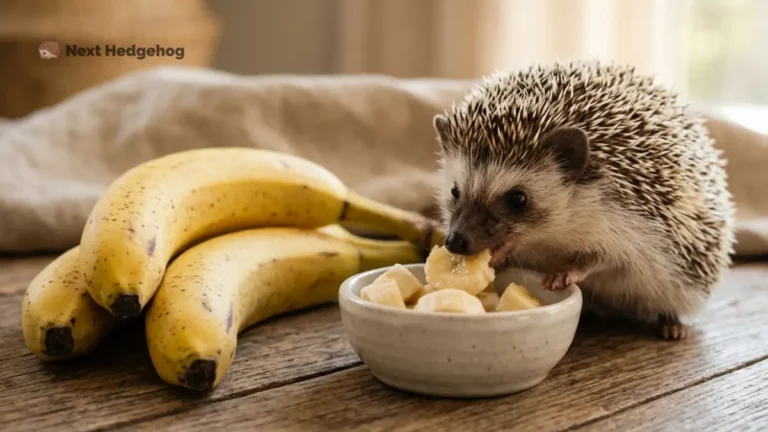
Can Hedgehogs Eat Apples? (The Safe Way to Feed Them)
Yes, hedgehogs can eat apples — but only in small, properly prepared amounts.
Apples are not toxic to hedgehogs and can be offered as an occasional treat, especially for pet hedgehogs like the African pygmy hedgehog. They provide a bit of hydration, natural sweetness, and small amounts of vitamins.
However, they are not a natural staple in a hedgehog’s diet, and too much fruit can lead to digestive upset due to their sensitive stomachs and inability to process high sugar well.
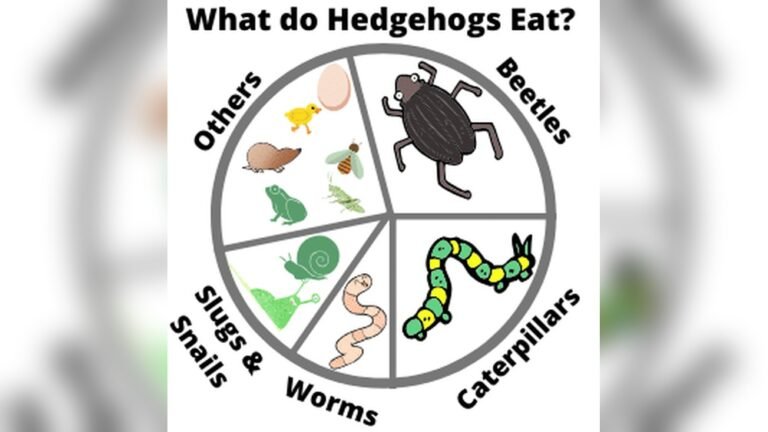
In the wild, hedgehogs are mostly insectivores, meaning their diet is built around insects, worms, and other protein-rich foods — not fruits. That’s why apples should always be treated as a “sometimes snack” rather than a regular food item.
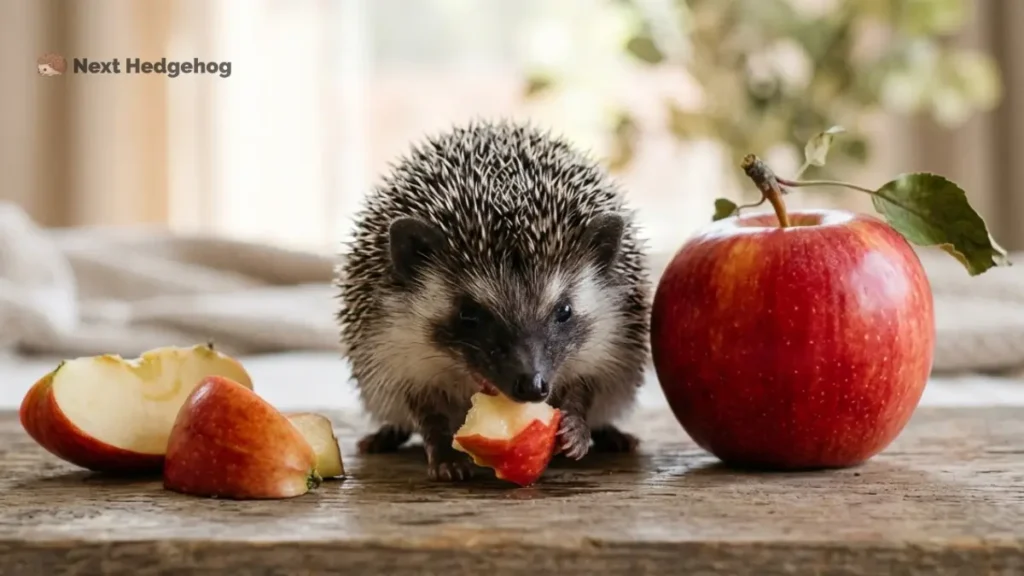
Before offering apples, it’s important to prepare them safely: remove seeds (they can be harmful), peel the skin if needed, and cut the fruit into tiny, easy-to-eat pieces.
So while apples are safe in moderation, understanding how, when, and how much to feed is key to keeping your hedgehog healthy and happy.
What is Apple?
Apple is a common edible fruit produced by the apple tree (Malus domestica). It is one of the most widely grown and consumed fruits in the world, known for its crisp texture, juicy flesh, and naturally sweet to slightly tart flavor.
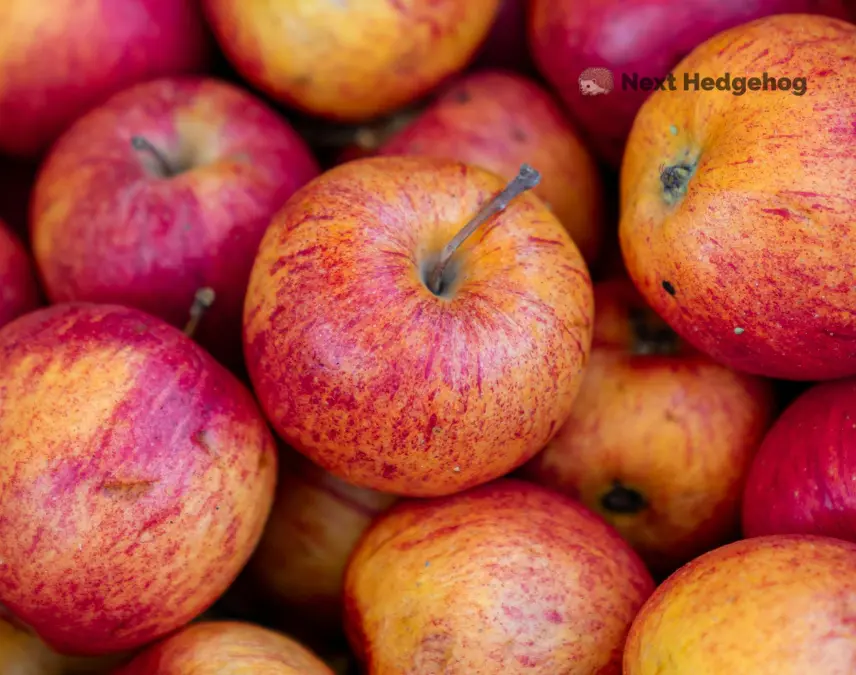
Apples typically come in different colors such as red, green, and yellow, and each variety has its own taste profile. For example, some apples are sweet and soft, while others are more acidic and crunchy.
From a nutritional point of view, apples are rich in fiber, vitamin C, and antioxidants, making them a healthy snack for humans. They are usually eaten raw, but can also be cooked into sauces, juices, desserts, and baked dishes.
Different Types of Apple
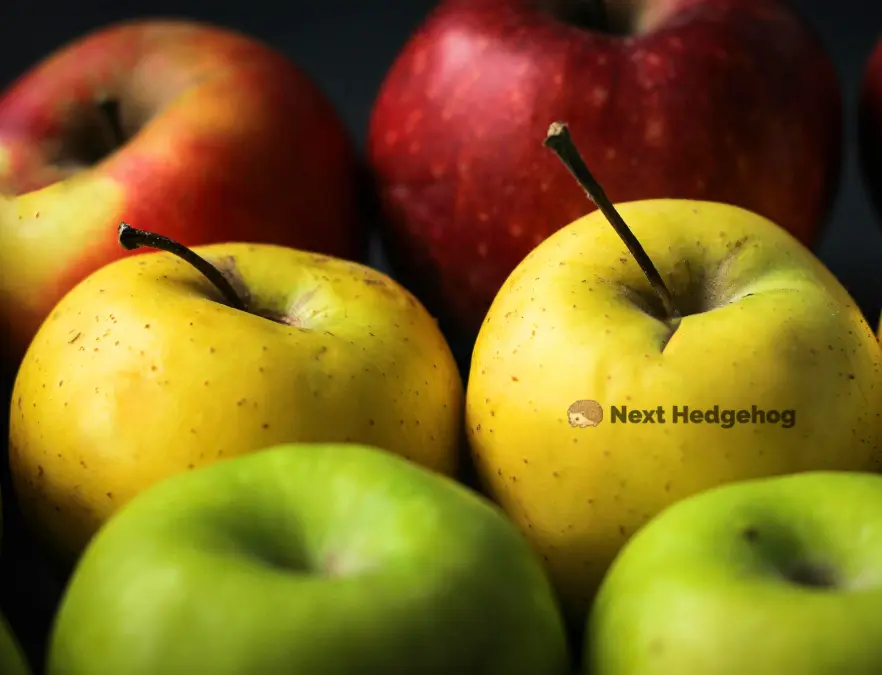
Apples come in many varieties, and each type has its own taste, texture, and best use (eating fresh, baking, or juicing). Here are some of the most common and popular types of apples:
Red Delicious
One of the most recognized apples. It has a deep red color and a mild, sweet flavor. The texture is soft and less crisp, making it best for fresh eating rather than cooking. It is often found in lunchboxes and grocery stores due to its attractive appearance.
Granny Smith
A bright green apple known for its strong tart and sour taste. It is very crisp and holds its shape well when baked, making it ideal for pies and cooking. It is also commonly used to balance sweetness in desserts.
Gala
Gala apples are sweet, slightly floral in flavor, and have a thin skin. They are great for snacking and are often liked by children because of their mild sweetness. They are also one of the earliest harvested apple varieties.
Fuji
Fuji apples are very sweet, juicy, and crunchy. They are one of the sweetest apple varieties and are perfect for eating fresh. Their long shelf life makes them popular for storage and export.
Golden Delicious
Despite the name, it is different from Red Delicious. It has a yellow skin, soft texture, and a balanced sweet flavor. It is also good for baking and salads. It is one of the most versatile apples in cooking.
Honeycrisp
Known for its extremely crisp texture and perfect balance of sweet and tart flavors. It is one of the most popular modern apple varieties. Its juicy crunch makes it highly preferred for fresh eating.
McIntosh
Soft, juicy, and slightly tart. It breaks down easily when cooked, making it great for applesauce. It has a strong aroma that gives a distinct apple flavor to recipes.
Pink Lady (Cripps Pink)
A firm apple with a sweet-tart flavor. It has a refreshing crunch and is often used for snacking and salads. It also stays fresh longer than many other apple varieties when stored properly.
Is Apple Safe for Hedgehogs?
Yes, apples are generally safe for hedgehogs when offered correctly and in moderation.
Apples are non-toxic and can be given as an occasional treat to pet hedgehogs, especially African pygmy hedgehogs. They contain water, fiber, and small amounts of vitamins, which can add a little variety to their diet. However, hedgehogs are primarily insectivores, so fruit like apples should never become a regular food source.
The key is how you serve them. Apples must always be washed properly, seeds removed (since apple seeds can be harmful), and cut into very small, bite-sized pieces to prevent choking. It’s also better to offer them without skin if your hedgehog has a sensitive stomach.
Because apples contain natural sugar, overfeeding can lead to digestive issues, obesity, or diarrhea in hedgehogs. A tiny portion once in a while is more than enough.
Do Hedgehogs Like Apples?
Hedgehogs can like Apples because of their mild sweetness, juicy texture, and fresh smell. Many hedgehogs are curious eaters, so they may sniff, lick, or nibble a small piece when it is offered.
Some hedgehogs enjoy the taste right away, while others may ignore it completely since every pet has different preferences.
Although hedgehogs may like apples, they should only have them as an occasional treat. Apples contain natural sugar, which is fine in tiny amounts but not ideal as a regular part of a hedgehog’s diet.
Their main nutrition should come from high-protein foods such as quality hedgehog food, insects, or other recommended staples. Fruit should always stay a small extra snack.
If you want to offer apple, wash it well, remove the seeds and core, and cut it into very tiny soft pieces. You can also peel the skin to make chewing easier.
Giving too much apple at once may cause stomach upset or loose stool, so start with a tiny amount and see how your hedgehog reacts.
Nutritional Value of Apple
Apples are a nutrient-rich fruit that provide a good balance of hydration, fiber, and natural sugars. While they are not a primary food for hedgehogs, understanding their nutritional profile helps explain why they are sometimes offered as an occasional treat.
Most of the benefits come from fiber and antioxidants, but they should still be fed in very small amounts due to their sugar content.
| Nutrient | Amount (Approx.) | Benefit |
|---|---|---|
| Calories | 52 kcal | Low-calorie fruit suitable for light snacking |
| Water | 85% | Helps with hydration |
| Carbohydrates | 13.8 g | Main energy source (natural sugars) |
| Sugars | 10.4 g | Provides sweetness but should be limited for pets |
| Fiber | 2.4 g | Supports digestion and gut health |
| Protein | 0.3 g | Very minimal |
| Fat | 0.2 g | Almost fat-free |
| Vitamin C | 4.6 mg | Supports immunity and tissue repair |
| Potassium | 107 mg | Helps with muscle and nerve function |
| Antioxidants | Present | Helps protect cells from damage |
Benefits of Feeding Apple to Hedgehogs
Apples can be a small but useful occasional treat for hedgehogs when fed properly. While they should never replace their main insect-based diet, a tiny portion of apple can offer some nutritional and enrichment benefits.
The key is moderation and correct preparation to keep your hedgehog safe and healthy.
- Provides Hydration: Apples have high water content, which can help support hydration, especially in warm weather or dry environments.
- Adds Dietary Variety: A small taste of apple can break the monotony of a regular insect-based diet and add variety to feeding time.
- Source of Natural Fiber: The fiber in apples may help support gentle digestion when given in very small amounts.
- Contains Vitamins and Antioxidants: Apples offer small amounts of vitamin C and antioxidants that help support overall health and immune function.
- Enrichment and Mental Stimulation: Trying new foods like apple pieces can stimulate a hedgehog’s curiosity and natural foraging behavior.
- Low in Fat and Calories: Apples are naturally low in fat, making them a light treat option when compared to many other snacks.
Risks Factors of Overfeeding Apple
Although apples are safe for hedgehogs in small amounts, overfeeding can cause several health problems. Since hedgehogs are not naturally adapted to high-sugar foods, too much apple can quickly disrupt their digestive balance and overall wellbeing.
- Digestive Upset (Diarrhea or Loose Stools): Excess apple can overwhelm a hedgehog’s sensitive digestive system, leading to diarrhea or stomach discomfort.
- High Sugar Intake: Apples contain natural sugars, and too much can lead to unhealthy weight gain and long-term metabolic issues.
- Obesity Risk: Regular overfeeding of sugary fruits can contribute to obesity, which increases the risk of heart and liver problems in hedgehogs.
- Loss of Appetite for Protein Foods: If hedgehogs eat too much fruit, they may start refusing their main diet of insects and protein-rich foods, leading to nutritional imbalance.
- Tooth and Gum Problems: Frequent exposure to sugary foods can increase the risk of dental issues over time.
- Unbalanced Nutrition: Apples lack essential nutrients needed for hedgehogs, so over-reliance can lead to deficiencies in protein and fat.
Hedgehogs Apple Feeding Guide
Feeding apples to hedgehogs can be safe and enjoyable when done correctly, but it requires careful attention to portion size, preparation, and frequency. As a hedgehog-friendly food choice, apple should always be treated as an occasional treat rather than a dietary staple.
Frequency of Feeding
Apples should be given only 1–2 times per week at most. Daily feeding is not recommended due to their natural sugar content, which can harm a hedgehog’s digestive balance.
Keeping a gap between servings helps maintain a healthy diet.
Proper Portion Size
Offer only a very small piece (pea-sized or smaller) at a time. A hedgehog’s stomach is tiny, so even a little bit is enough. Overfeeding even small fruits can quickly lead to digestive issues.
Safe Preparation Method
Always wash the apple thoroughly, remove all seeds, and cut it into tiny, soft pieces. You may peel the skin if your hedgehog has a sensitive stomach. Proper preparation reduces choking and toxin risks.
Best Time to Feed
Give apple treats during the evening, as hedgehogs are nocturnal and more active at night, making digestion smoother. This also aligns with their natural feeding behavior.
Monitor Reactions
After feeding, observe your hedgehog for any signs of diarrhea, bloating, or discomfort. If any issues appear, stop feeding apples immediately. Early observation helps prevent serious health problems.
Combine with a Balanced Diet
Apples should only complement a diet rich in insects, high-quality hedgehog food, and protein sources—not replace them. A balanced diet is essential for long-term hedgehog health.
Feeding Frequency Guidelines: By Age & Amount
Apples can be a tasty occasional treat for hedgehogs, but the right feeding frequency depends on their age, size, and overall health. Younger hedgehogs need more controlled portions, while adults can handle slightly more variety—still in very limited amounts.
The key is always moderation, as hedgehogs are not designed to process sugary fruits regularly.
| Age of Hedgehog | Feeding Frequency | Recommended Amount | Notes |
|---|---|---|---|
| Baby (0–3 months) | Not recommended | Avoid apples | Focus only on mother’s milk or protein-based diet |
| Juvenile (3–6 months) | Rarely (once every 10–14 days) | Tiny bite (smaller than pea) | Introduce only if digestion is stable |
| Young Adult (6–12 months) | 1 time per week | 1–2 small pieces | Monitor closely for any stomach issues |
| Adult (1–4 years) | 1–2 times per week | 2–3 small pieces | Can tolerate slightly more but still limited |
| Senior (4+ years) | Once per week or less | 1 small piece | Easier digestion support needed, avoid overfeeding |
Raw vs Boiled Apple
Apples can be offered to hedgehogs in different forms, but not all preparation methods are equally safe or suitable. The texture, sugar concentration, and digestibility can change depending on whether the apple is raw or cooked. Since hedgehogs have sensitive digestive systems, choosing the right form is important for their health.
Raw Apple
Raw apple is the most common way to feed hedgehogs. It is crunchy, fresh, and retains all its natural nutrients, including fiber and vitamins.
However, it also contains natural sugars in full strength, which can be harder for hedgehogs to handle if given too often. Raw apple should always be served in very small, soft pieces with seeds completely removed.
Boiled Apple
Boiled apple (soft-cooked without sugar or additives) becomes much softer and easier to digest. It reduces crunchiness and can be gentler on a hedgehog’s stomach, especially for older or sensitive individuals.
However, boiling can slightly reduce vitamin content and may concentrate sugars if overcooked, so it should still be offered in very small portions.
Recommendation
For most hedgehogs, raw apple in tiny, seed-free pieces is the best option, as it provides natural nutrition and enrichment. Boiled apple can be used occasionally for hedgehogs with sensitive digestion or dental issues, but it should not replace raw fruit entirely. In both cases, moderation is essential to avoid sugar-related health problems.
Alternative Items You Can Offer
Apples can be part of a wider group of safe, fruit-based treats that are sometimes offered to hedgehogs in very small amounts. These options are chosen because they are soft, mildly sweet, and easier to digest when compared to many other fruits and vegetables.
- Pears: Similar in texture and sweetness to apples, pears can be offered in tiny peeled pieces as an occasional treat.
- Blueberries: Small, soft, and nutrient-rich fruits that are easy for hedgehogs to chew and digest in moderation.
- Bananas: Soft and naturally sweet, but should be given very sparingly due to their high sugar content.
- Melons (Watermelon or Cantaloupe): High water content fruits that help with hydration and can be offered in small, seedless chunks.
- Pumpkin (Cooked and Plain): Gentle on digestion and sometimes used in tiny amounts to support gut health and variety.