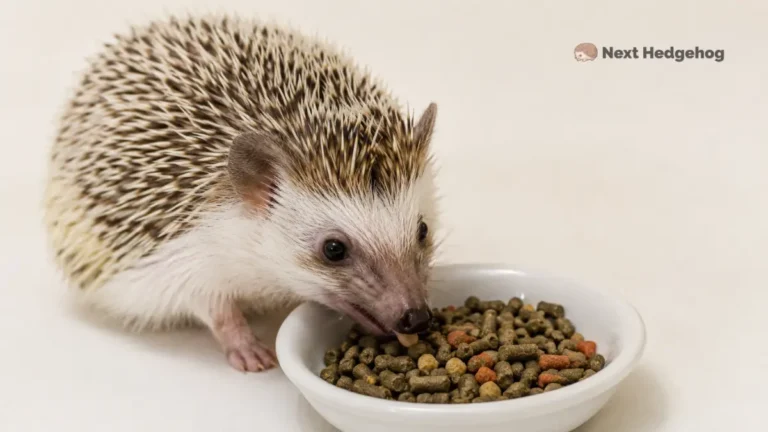
Can Hedgehogs Eat Cucumber? Is It Safe or Toxic to Feed?
If you’ve ever been eating a fresh cucumber and seen your pet hedgehog sniffing around, you might have asked yourself: can hedgehogs eat cucumber? It’s a common question for hedgehog owners who want to safely add variety to their pet’s diet.
Cucumbers are light, crunchy, and full of water—but that doesn’t automatically mean they’re ideal for hedgehogs. While pet hedgehogs mainly rely on protein-rich foods like insects and specially formulated diets, small amounts of certain fruits and vegetables can sometimes be offered as treats.
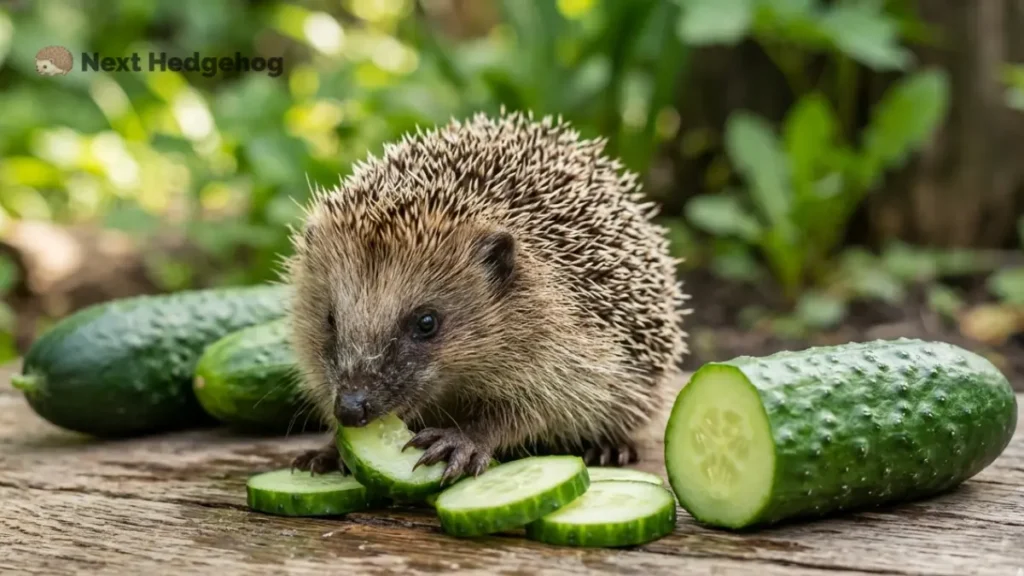
In this article, we’ll explore whether cucumber is safe for hedgehogs, how much they can eat, and the best way to serve it.
What is Cucumber?
Cucumber is a refreshing, edible vegetable from the gourd family that is widely eaten around the world. It is typically long, green, and crisp with a high water content—about 95%—which makes it especially hydrating and low in calories.
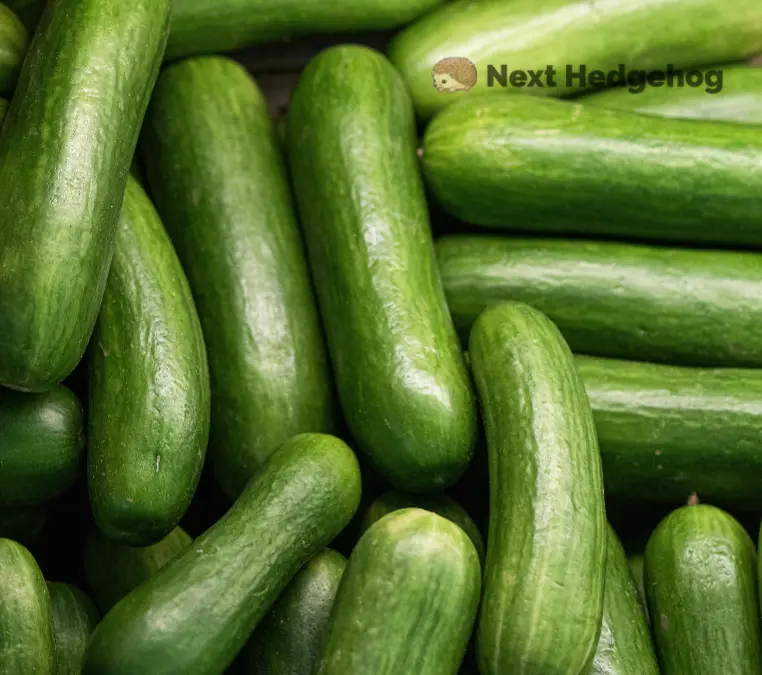
People often enjoy cucumbers raw in salads, snacks, or juices because of their mild taste and cooling effect. Since it contains vitamins, minerals, and fiber in small amounts, it is considered a healthy food for humans.
Cucumber is also known for being light and easy to digest, which is why many pet owners wonder if it can be safely shared with animals like hedgehogs.
Different Types of Cucumber
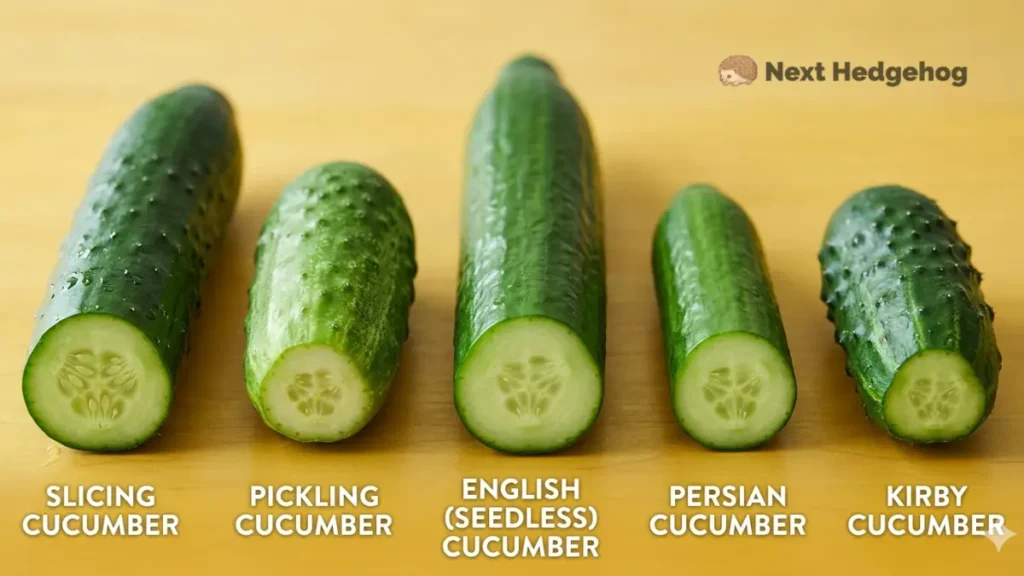
Cucumbers come in several varieties, and while they all share a similar refreshing taste and high water content, they can differ in size, texture, and best uses. Here are the most common types:
- Slicing Cucumber: This is the most common type found in grocery stores. It is long, dark green, and has a smooth skin. Slicing cucumbers are usually eaten fresh in salads or sandwiches.
- Pickling Cucumber: Pickling cucumbers are shorter, thicker, and have a slightly bumpy skin. They are mainly used for making pickles because they stay crisp even after being preserved in vinegar or brine.
- English (Seedless) Cucumber: Also known as hothouse cucumbers, these are long, thin, and usually sold wrapped in plastic. They have very small seeds and a mild, less bitter taste, making them great for salads and raw eating.
- Persian Cucumber: Smaller than slicing cucumbers, Persian cucumbers are crisp, sweet, and almost seedless. They are perfect for snacking and salads due to their tender texture.
- Kirby Cucumber: Kirby cucumbers are short, bumpy, and crunchy. They are often used for pickling but can also be eaten fresh for a satisfying crunch.
All these varieties belong to the same plant family, commonly known as Cucumber, but they differ slightly in texture, taste, and culinary use.
Is Cucumber Safe for Hedgehogs?
Yes, cucumber is generally safe for pet hedgehogs—but only in small, occasional amounts.
Cucumber is non-toxic and easy to digest, which makes it one of the safer vegetable options you can offer your hedgehog as a treat. Its high water content can also help with hydration, especially in warmer weather. However, it doesn’t provide much nutrition for hedgehogs, so it should never replace their main diet.
Pet hedgehogs primarily need protein-rich foods like insects and specially formulated hedgehog or high-quality cat food. Cucumber should only be an occasional add-on, not a regular part of their meals.
Nutritional Value Of Cucumber
Cucumber is often considered a “light” vegetable, but it still contains a small amount of useful nutrients. While it’s not a major source of calories or protein, it does provide hydration, fiber, and a few essential vitamins and minerals.
This is why it’s commonly used as a refreshing snack—and occasionally offered in tiny amounts as a treat for pet hedgehogs.
Below is a simple breakdown of the nutritional value of raw cucumber (per 100g).
| Nutrient | Amount |
|---|---|
| Calories | 15 kcal |
| Water | 95% |
| Carbohydrates | 3.6 g |
| Protein | 0.7 g |
| Fat | 0.1 g |
| Fiber | 0.5–1 g |
| Vitamin C | 2.8 mg |
| Vitamin K | 16.4 µg |
| Potassium | 147 mg |
| Magnesium | 13 mg |
Benefits of Feeding Cucumber to Hedgehogs
Feeding cucumber to your pet hedgehog can offer several small but useful benefits when given in moderation. While it should never be a major part of their diet, it can be a healthy, refreshing treat that adds variety. Here are the key benefits explained in detail.
Supports Hydration
Cucumber has an extremely high water content, which can help contribute to your hedgehog’s hydration. This is especially useful during hot weather or in dry indoor environments. However, it should only supplement—not replace—fresh drinking water.
Low in Calories (Weight-Friendly Treat)
One of the biggest advantages of cucumber is that it is very low in calories. This makes it a safe treat option for pet hedgehogs that are prone to weight gain. You can offer a small piece without worrying about excessive calorie intake.
Easy to Digest
Cucumber is soft and gentle on the stomach when served in small, properly prepared pieces. Unlike heavier fruits or processed foods, it is less likely to cause digestive strain when given occasionally.
Adds Variety to Diet
Hedgehogs can get bored with the same foods over time. Offering cucumber occasionally introduces texture and variety, which can encourage more active eating behavior and make feeding time more engaging.
Provides Small Amounts of Nutrients
Although not nutrient-dense, cucumber still contains small amounts of vitamins like vitamin K and vitamin C, along with minerals such as potassium and magnesium. These contribute slightly to overall nutrition when included as a treat.
Helps with Heat Stress Comfort
Because cucumber is cool and watery, it can have a mildly refreshing effect. While it doesn’t directly “cool” a hedgehog’s body, it can be a soothing snack during warmer months when appetite may decrease.
Safe Alternative to Sugary Treats
Compared to fruits that are high in sugar, cucumber is a safer option. Many hedgehogs should avoid sugary foods, so cucumber can serve as a better occasional treat choice with minimal sugar content.
Risks Factors of Overfeeding Cucumber
Even though cucumber is safe for pet hedgehogs in small amounts, overfeeding can lead to several problems. Since it is mostly water and very low in nutrients, too much can actually do more harm than good if it becomes a regular or large part of their diet.
Here are the main risk factors of overfeeding cucumber:
Digestive Upset (Diarrhea)
Overfeeding cucumber can cause loose stools or diarrhea in hedgehogs. This happens because their digestive system is not designed to handle large amounts of watery foods. Too much moisture can quickly disrupt their gut balance.
Nutritional Imbalance
Cucumber contains very little protein and fat—both of which are essential for hedgehogs. If cucumber replaces proper food too often, it can lead to nutritional deficiencies and poor overall health.
Reduced Appetite for Proper Food
If hedgehogs eat too much cucumber, they may feel full due to its water content and refuse their main diet. This can reduce their intake of essential protein-rich foods like insects or high-quality hedgehog food.
Weight and Energy Issues
While cucumber is low in calories, overfeeding it can still indirectly affect energy levels. A hedgehog that eats too much low-energy food may not get enough nutrition, leading to weakness or reduced activity over time.
Possible Bloating or Gas
In some cases, excess watery vegetables can cause mild bloating or gas discomfort in hedgehogs. This can make them feel uneasy and less active.
Spoilage and Bacterial Risk
If cucumber is left in the cage for too long, it can spoil quickly due to its high water content. Eating spoiled pieces may expose hedgehogs to harmful bacteria and stomach issues.
Hedgehogs Cucumber Feeding Guide
Feeding cucumber to your pet hedgehog can be safe and even enjoyable, but it needs to be done carefully and in moderation. As an exotic pet with a sensitive digestive system, hedgehogs require a protein-based diet, so treats like cucumber should only play a very small supporting role.
Here’s a clear, expert-level feeding guide to help you do it the right way.
Frequency of Feeding
Cucumber should only be given 1–2 times per week at most. It is not a daily food item. Think of it as an occasional treat, not a dietary requirement.
Proper Portion Size
Offer only a small piece (about pea-sized to fingernail-sized). Overfeeding even a harmless vegetable can upset your hedgehog’s stomach.
Preparation Method
Always prepare cucumber safely before feeding:
- Wash thoroughly to remove pesticides
- Peel the skin if it is waxed or chemically treated
- Cut into very small, soft pieces
- Remove seeds if the cucumber is large or overripe
Best Time to Feed
The ideal time is during your hedgehog’s active evening hours, when they naturally wake up and look for food. This helps them eat comfortably and digest properly.
Mixing with Regular Diet
Cucumber should never replace staple foods. Always serve it alongside their main diet, such as high-quality hedgehog food or protein sources like insects. Treats should make up only a small fraction of their overall intake.
Monitor After Feeding
After offering cucumber for the first time or occasionally:
- Check stool consistency
- Watch for bloating or discomfort
- Ensure they still eat their normal food properly
If any digestive issues appear, stop feeding cucumber immediately.
Remove Leftovers Quickly
Any uneaten cucumber should be removed within a few hours. Because it is high in water, it spoils quickly and can attract bacteria or insects inside the cage.
Expert Advice: Cucumber is a safe, hydrating treat when used correctly, but it should always stay in the “occasional snack” category. A balanced, protein-rich diet is far more important for your hedgehog’s long-term health than any vegetable addition.
Feeding Frequency Guidelines: By Age & Amount
Feeding cucumber to hedgehogs should always depend on their age, size, and overall health. Younger hedgehogs need more controlled portions because their digestive system is still developing, while adults can handle slightly larger—but still limited—amounts. Since cucumber is only a treat, frequency and portion control are more important than anything else.
Below is a simple, expert-style guideline to help you feed Cucumber safely based on age and amount.
| Hedgehog Age Stage | Feeding Frequency | Recommended Amount | Notes |
|---|---|---|---|
| Baby (Under 3 months) | Not recommended | Avoid or tiny taste only | Digestive system is very sensitive |
| Juvenile (3–6 months) | 1 time per week | Very small piece (pea-sized) | Introduce slowly and monitor stool |
| Young Adult (6–12 months) | 1–2 times per week | Small piece (pea to fingernail size) | Can handle small treats safely |
| Adult (1–4 years) | 1–2 times per week | Small to moderate piece | Best tolerance stage, still in moderation |
| Senior (4+ years) | 1 time per week | Small piece only | Easier digestion, avoid overfeeding |
Raw vs Cooked Cucumber
When feeding cucumber to your pet hedgehog, the way you prepare it does matter. Since hedgehogs have sensitive digestive systems, choosing the right form helps ensure safety, comfort, and proper digestion.
Raw Cucumber
Raw cucumber is naturally crisp, fresh, and high in water content, making it easy for hedgehogs to nibble in very small pieces. It keeps its natural structure and is closer to how it would be encountered in a natural setting.
It is also quick to prepare—just wash thoroughly, peel if needed, and cut into tiny bite-sized pieces. Because it stays fresh longer in its raw form, it’s more convenient for occasional feeding.
Boiled (Cooked) Cucumber
Boiling cucumber softens it significantly and turns it mushy. While it remains safe if served plain (without salt, oil, or spices), it doesn’t offer any real benefit over raw cucumber.
Cooking also reduces texture and can make it less appealing to hedgehogs. In addition, boiled cucumber spoils faster once served, especially in warm environments.
Final Recommendation
Cucumber is best served raw, fresh, and in small pieces for pet hedgehogs. Boiling is optional but not recommended unless there is a specific health reason advised by a vet.
In most cases, raw cucumber is simpler, safer, and better suited to your hedgehog’s natural eating behavior.
Alternative Items You Can Offer
While cucumber can be a safe occasional treat for your pet hedgehog, it should never be the main part of their diet. To keep things balanced and interesting, you can offer other hedgehog-safe fruits and vegetables in small amounts. These alternatives provide slightly different nutrients and textures while still being gentle on their digestion.
Here are some safe options you can try:
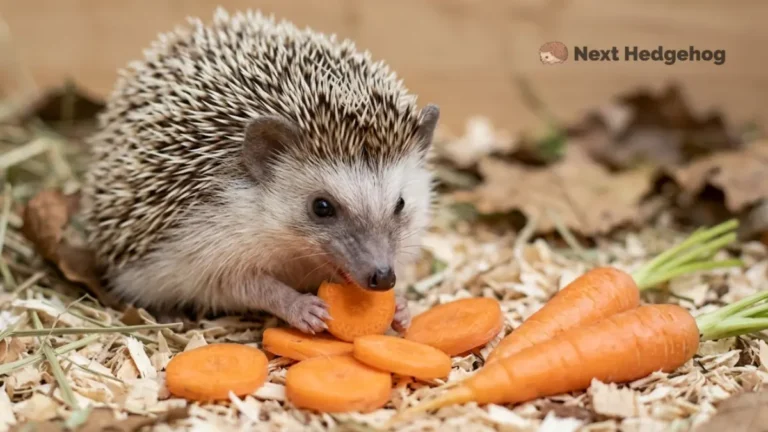
- Carrot (small cooked or raw pieces): Carrots are crunchy and mildly sweet, making them a good occasional snack. They contain beta-carotene but should be given in very small portions due to natural sugars.
- Pumpkin (plain, cooked): Pumpkin is easy to digest and gentle on the stomach. It can also help support healthy digestion when offered occasionally without any seasoning.
- Zucchini (raw or lightly steamed): Similar to cucumber, zucchini is soft, hydrating, and low in calories. It is one of the safest vegetable alternatives for hedgehogs.
- Apple (peeled, seedless pieces): Apples can be offered in tiny amounts as a sweet treat. Always remove seeds and skin, as they are not safe for hedgehogs.
- Blueberries (fresh, one or two pieces): Blueberries are rich in antioxidants and make a safe fruity treat. However, due to sugar content, they should be limited.
- Mealworms (dried or live): A great protein-rich option that closely matches a hedgehog’s natural diet. Mealworms are often preferred over fruits and vegetables for nutritional value.