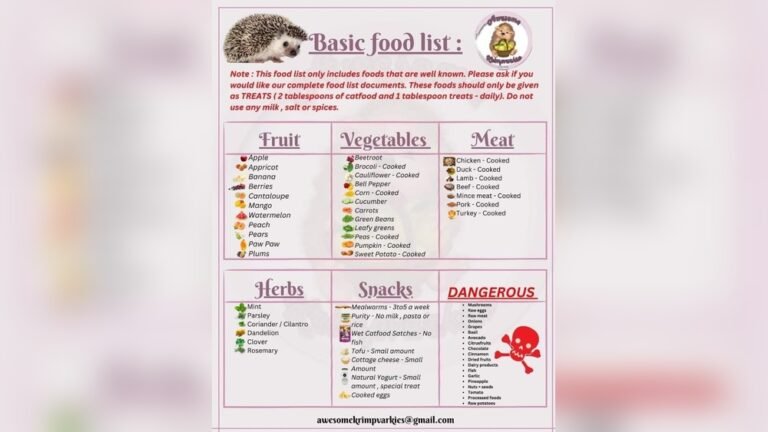
Can Hedgehogs Eat Eggs? (Raw, Boiled or Scrambled Eggs)
Yes, hedgehogs can eat eggs—and in moderation, they can actually be a nutritious treat for them. Cooked eggs, especially boiled or scrambled without oil, salt, or seasoning, are generally safe and provide protein and healthy fats that support a hedgehog’s diet.
However, eggs should never become a daily food, as hedgehogs primarily need a balanced insect-based or high-quality hedgehog kibble diet to stay healthy.
Hedgehogs are insectivores by nature, so their digestive system is not designed for large amounts of rich or fatty foods like eggs. That’s why eggs should only be offered occasionally, more like a supplement or occasional snack rather than a staple meal.
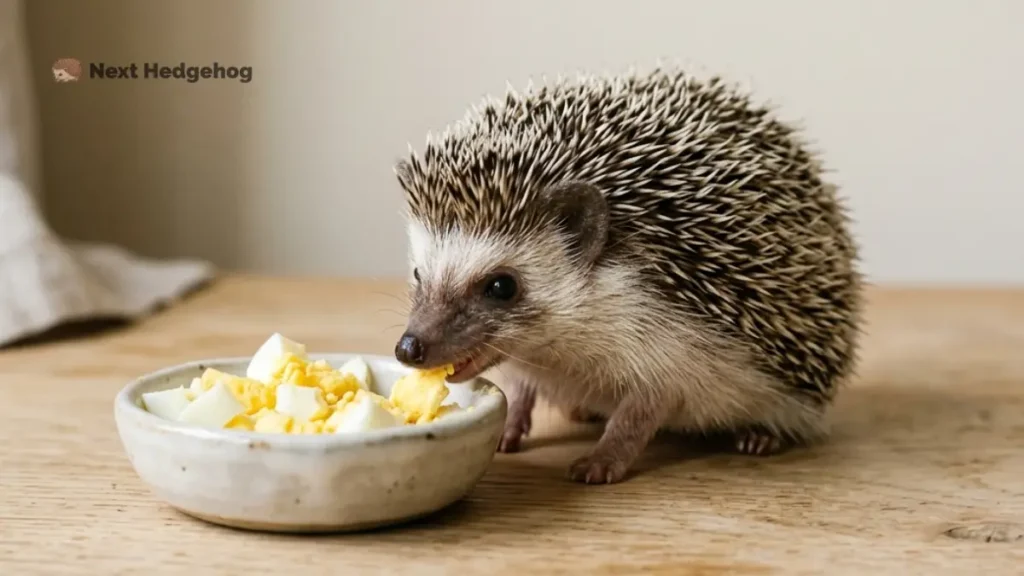
In this guide, we’ll break down whether hedgehogs can safely eat eggs, the best ways to prepare them, portion sizes, and what risks you should watch out for—so you can confidently decide if eggs belong in your hedgehog’s diet.
What Are Eggs?
Eggs are a common animal-based food laid by birds, most often chickens, and are widely consumed by humans around the world. They are made up of three main parts: the shell, the egg white (albumen), and the yolk.
The shell protects the inside contents, while the egg white is rich in protein and water. The yolk contains fats, vitamins, and essential nutrients that support growth and energy.
In simple terms, eggs are a nutrient-dense food source that provides high-quality protein, healthy fats, and various vitamins like A, D, and B12. Because of this rich nutritional profile, eggs are often used in small amounts as an occasional supplement in animal diets—including for pets like hedgehogs—when prepared safely and without additives.
Different Types of Eggs Hedgehogs Can Eat
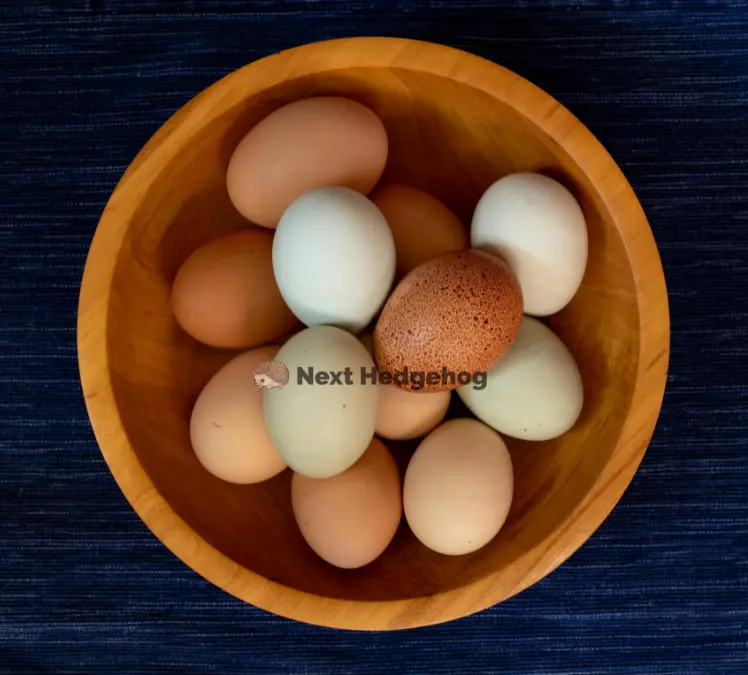
When it comes to feeding eggs to hedgehogs, not all eggs are equally suitable, and preparation matters just as much as the type. Hedgehogs can safely eat a few common varieties of eggs, as long as they are cooked properly and served plain without any seasoning, oil, or additives.
Since hedgehogs have sensitive digestive systems, choosing the right type in the right form helps ensure both safety and nutrition.
- Chicken eggs: The most common and widely available option. Chicken eggs are safe for hedgehogs when boiled or scrambled plain. They are rich in protein and healthy fats, making them a good occasional treat.
- Quail eggs: Smaller in size, quail eggs are often easier to portion for hedgehogs. Because of their size, they help prevent overfeeding and are a convenient option for controlled feeding.
- Duck eggs: Duck eggs are larger and richer than chicken eggs, containing more fat. While hedgehogs can eat them, they should be offered very rarely and in smaller amounts due to their richness.
- Boiled eggs (any safe bird egg): Boiled eggs are the safest preparation method overall. They are fully cooked, easy to digest, and free from added oils or spices that could upset a hedgehog’s stomach.
- Scrambled eggs (plain only): Plain scrambled eggs without butter, salt, or seasoning can also be offered occasionally. They should be cooked thoroughly to ensure safety and easier digestion.
Are Eggs Safe for Hedgehogs?
Yes, eggs are generally safe for hedgehogs when they are prepared correctly and fed in moderation. The key factor is how the eggs are cooked and how often they are given.
Plain, fully cooked eggs—such as boiled or unsalted scrambled eggs—can be a healthy occasional treat because they provide high-quality protein and essential nutrients.
However, hedgehogs have sensitive digestive systems, so raw eggs should always be avoided. Raw eggs carry a risk of bacteria like Salmonella, which can make hedgehogs very sick. In addition, any added ingredients like salt, oil, butter, or spices can cause digestive upset and should never be included.
Even though eggs are safe in small amounts, they should not become a regular part of a hedgehog’s diet.
Hedgehogs are naturally insectivores, meaning their primary nutrition should come from insects or specially formulated hedgehog food. Eggs should only be offered occasionally, more like a treat or a protein boost rather than a daily food.
Nutritional Value of Eggs
Eggs are considered one of the most nutrient-dense foods available, which is why they are often used as an occasional protein boost in many diets, including for small pets like hedgehogs.
They contain a balanced mix of protein, healthy fats, vitamins, and minerals that support energy, growth, and overall body function. Understanding their nutritional profile helps explain why eggs can be beneficial—but only in moderation.
Below is a simple breakdown of the key nutrients found in a standard chicken egg (per 100 grams):
| Nutrient | Amount (approx.) | Benefit |
|---|---|---|
| Calories | 140 kcal | Provides energy |
| Protein | 12–13 g | Supports muscle growth and repair |
| Fat | 9–10 g | Supplies energy and supports cell health |
| Carbohydrates | 1 g | Minimal energy source |
| Vitamin A | 140 mcg | Supports vision and immune health |
| Vitamin D | 2 mcg | Helps calcium absorption and bone health |
| Vitamin B12 | 1.1 mcg | Supports nervous system function |
| Iron | 1.8 mg | Helps red blood cell production |
| Selenium | 30 mcg | Supports immune system and antioxidant protection |
Benefits of Feeding Eggs to Hedgehogs
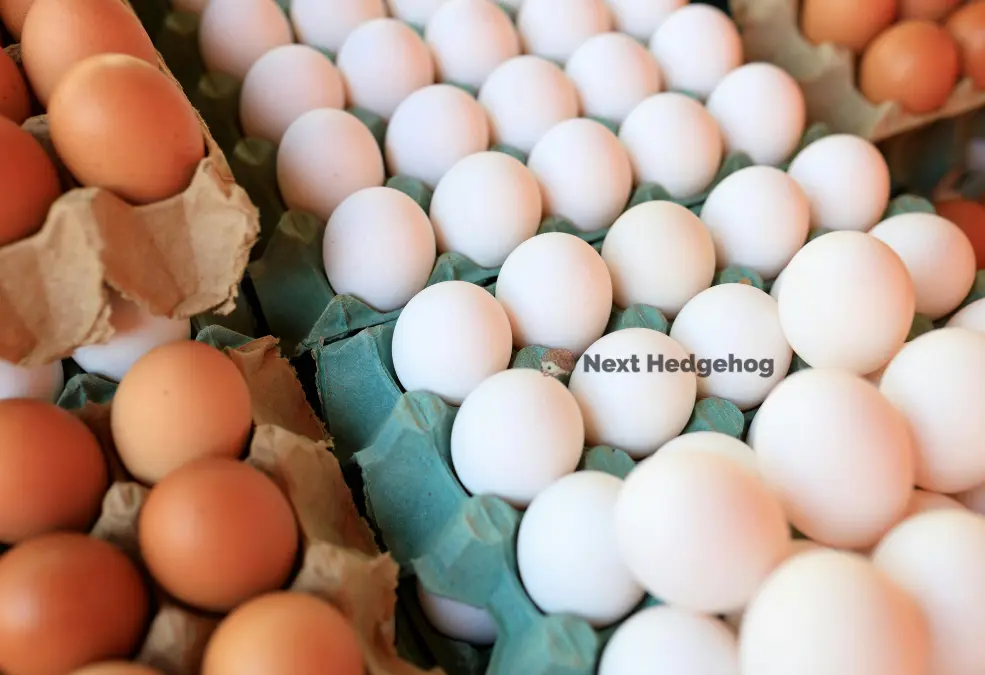
When given in small, occasional portions, eggs can offer several nutritional benefits for hedgehogs. They are not a staple food, but they can act as a useful supplement to support overall health, especially because they provide concentrated nutrients in an easily digestible form when properly cooked.
- High-quality protein source: Eggs contain complete protein, which helps support muscle development, tissue repair, and overall growth in hedgehogs.
- Energy boost: The natural fats and nutrients in eggs provide a quick energy source, which can be helpful for active hedgehogs or those recovering from stress or illness.
- Supports skin and quill health: The fatty acids and vitamins in eggs may contribute to healthier skin and stronger quills when fed occasionally as part of a balanced diet.
- Rich in essential vitamins: Eggs contain vitamins like A, B12, and D, which support immune function, nerve health, and bone strength.
- Easy to digest when cooked: Boiled or plain scrambled eggs are soft and simple for hedgehogs to eat, making them a gentle treat compared to some other protein sources.
- Useful dietary variety: Adding eggs occasionally can help diversify a hedgehog’s diet, preventing monotony and encouraging better appetite in some cases.
Risks Factors of Overfeeding Eggs
While eggs can be a healthy occasional treat for hedgehogs, overfeeding them can lead to several health problems. Because eggs are rich in fat and protein, too much of them can easily upset the natural dietary balance a hedgehog needs to stay healthy.
- Weight gain and obesity: Eggs are calorie-dense, and frequent feeding can quickly lead to excess weight, which puts stress on a hedgehog’s heart, joints, and overall mobility.
- Digestive issues: Overconsumption may cause stomach upset, including diarrhea or bloating, since hedgehogs are not designed to process large amounts of rich foods.
- Nutritional imbalance: If eggs replace insects or high-quality hedgehog food too often, it can lead to a lack of essential nutrients that hedgehogs normally get from a balanced diet.
- Fat overload: Too much fat intake can strain a hedgehog’s liver over time and may contribute to long-term health complications.
- Reduced appetite for proper food: Hedgehogs may start preferring eggs over their regular diet, which can lead to poor nutrition if this habit continues.
- Bacterial risk (if improperly handled): If eggs are not cooked properly or are left out too long, there is a risk of bacterial contamination that can make hedgehogs sick.
Hedgehogs Eggs Feeding Guide
Feeding eggs to hedgehogs can be safe and beneficial when done correctly, but it requires careful preparation and portion control. Since hedgehogs have sensitive digestive systems, even a nutritious food like eggs can cause problems if it is given in the wrong way or too often.
Following a proper feeding routine ensures your hedgehog gets the benefits without unnecessary health risks.
Choose the right type of egg
Start by selecting safe, plain eggs such as chicken or quail eggs. These are the most suitable options because they are widely available, easy to cook, and simple to portion for a small pet.
Avoid using raw eggs or any eggs that are seasoned, flavored, or processed, as these can introduce harmful bacteria or ingredients that may upset your hedgehog’s stomach.
It’s also important to avoid giving spoiled or old eggs, as freshness plays a big role in safety. Always check the egg before cooking and make sure it is clean and intact.
Choosing the right type of egg is the first and most important step in ensuring a safe feeding experience.
Cook the egg thoroughly
Eggs must always be fully cooked before offering them to a hedgehog. Boiled eggs are the safest option because they contain no added fats or ingredients. Plain scrambled eggs are also acceptable, but they should be cooked without oil, butter, salt, or spices. Proper cooking removes harmful bacteria and makes the egg easier for hedgehogs to digest.
Undercooked or raw eggs should never be fed, as they carry a risk of bacterial infection and can lead to serious health issues. Cooking also improves texture, making it softer and more suitable for a small animal like a hedgehog.
Cool it down completely
Once the egg is cooked, allow it to cool fully before serving. Feeding hot or warm eggs can cause burns in the mouth or discomfort during eating. Room-temperature food is always the safest choice for hedgehogs.
Cooling also helps stabilize the texture of the egg, making it easier to handle and cut into small pieces. This simple step ensures your hedgehog can enjoy the treat safely without any risk of injury.
Cut into small, bite-sized pieces
Hedgehogs have small mouths and delicate teeth, so the egg should always be chopped into tiny, manageable pieces. This reduces the risk of choking and makes it easier for them to chew and swallow.
Smaller pieces also help with portion control, ensuring your hedgehog doesn’t eat too much at once. Properly sized food encourages slower eating and better digestion, which is especially important for their sensitive stomachs.
Serve in very small portions
Eggs should only be given in small amounts—typically no more than a teaspoon for an adult hedgehog. Even though eggs are nutritious, they are also rich in fat and protein, so overfeeding can quickly lead to imbalance.
Keeping portions small ensures eggs remain a treat rather than a meal replacement. This helps maintain a balanced diet where insects and hedgehog-specific food remain the primary nutrition sources.
Feed occasionally, not daily
Eggs should be treated as an occasional snack, not a regular part of the diet. Offering them once or twice a week at most is enough to provide benefits without causing nutritional imbalance or weight gain.
Regular feeding of eggs can lead to health issues over time, so moderation is key. A varied diet that mainly includes insects and specialized hedgehog food will keep your pet healthier and more active in the long run.
Observe after feeding
After introducing eggs, always monitor your hedgehog for any changes in behavior or digestion. Signs like diarrhea, bloating, or loss of appetite may indicate that the food does not agree with them.
If any negative reactions occur, stop feeding eggs immediately and return to their normal diet. Careful observation helps ensure your hedgehog stays safe and allows you to adjust their diet based on their individual tolerance.
Feeding Frequency Guidelines: By Age & Amount
Eggs can be a healthy occasional treat for hedgehogs, but how often and how much you should feed them depends largely on their age, size, and overall health. Younger hedgehogs need more cautious portion control because their digestive systems are still developing, while adults can tolerate slightly larger, but still limited amounts.
Below is a simple guide to help you understand the safe feeding frequency and portion sizes based on age:
| Age Group | Portion Size | Feeding Frequency | Notes |
|---|---|---|---|
| Baby Hedgehogs (Under 8 weeks) | Not recommended | Avoid eggs | Digestive system is too sensitive; stick to mother’s milk or vet-approved diet |
| Juvenile Hedgehogs (8 weeks – 6 months) | Very small (pea-sized piece) | Once every 1–2 weeks | Introduce only if needed; monitor digestion closely |
| Adult Hedgehogs (6 months – 4 years) | Small (up to 1 teaspoon) | 1–2 times per week | Safe as an occasional treat when fully cooked and plain |
| Senior Hedgehogs (4+ years) | Small (½–1 teaspoon) | Once per week or less | Adjust based on health; easier-to-digest foods preferred |
| Sick or Recovering Hedgehogs | Vet-advised amount | Only if recommended | Eggs may help with protein intake but must be approved by a vet |
Raw vs Boiled Eggs: Which is Safe?
When it comes to feeding eggs to hedgehogs, preparation makes a huge difference in safety. While both raw and boiled eggs may seem similar nutritionally, they are not equally safe for small animals like hedgehogs.
Their sensitive digestive systems and low tolerance for harmful bacteria mean that one option is clearly much better than the other.
Raw Eggs
Raw eggs are not safe for hedgehogs like other unsafe foods and should always be avoided. They can carry harmful bacteria such as Salmonella, which can cause serious digestive infections, diarrhea, weakness, or even life-threatening illness in small pets. Hedgehogs also struggle to digest raw egg whites properly, which contain proteins that may interfere with nutrient absorption.
In addition to bacterial risks, raw eggs are messy and harder for hedgehogs to handle, increasing the chance of choking or refusal to eat. Even though raw eggs are sometimes discussed in pet nutrition, they are not suitable for hedgehogs under any normal feeding condition.
Boiled Eggs
Boiled eggs are the safest and most recommended option for hedgehogs. Cooking the egg thoroughly kills harmful bacteria and makes the nutrients easier to digest. The texture becomes soft and manageable, allowing hedgehogs to eat small pieces without difficulty.
Boiled eggs also contain no added fats or seasonings, making them a clean and simple protein source. When cooled and cut into tiny portions, they can be safely offered as an occasional treat without major health risks.
Final Decision
Between the two, boiled eggs are the clear winner in terms of safety and suitability. Raw eggs pose unnecessary health risks and should be completely avoided, while boiled eggs offer a controlled, nutritious option when fed occasionally. For hedgehog owners, the safest rule is simple: always cook eggs fully before feeding and never serve them raw.
Alternative Items You Can Offer
If you’re avoiding eggs entirely but still want to provide your hedgehog with good protein sources, there are several safe and suitable alternatives. Hedgehogs are insectivores by nature, so most of their ideal protein comes from insects and specially formulated foods rather than eggs or other animal products.
These options help maintain balanced nutrition while keeping their diet closer to what they would naturally eat.
- Mealworms (live or dried): A popular protein source for hedgehogs, mealworms are easy to digest in moderation and closely match their natural insect-based diet. They should be given as an occasional treat due to their fat content.
- Crickets: Crickets are high in protein and low in fat, making them one of the best insect-based staples. They also provide natural enrichment as hedgehogs enjoy hunting them.
- Silkworms or black soldier fly larvae: These insects are highly nutritious and easier to digest than some other options. They are often used in premium insect-based pet diets.
- High-quality hedgehog kibble: Formulated specifically for hedgehogs, good kibble provides a balanced mix of protein, fats, and essential vitamins. This should be the foundation of their diet.
- Plain cooked chicken (tiny portions): Occasionally, a small amount of unseasoned, boiled chicken can be offered as an extra protein boost. It should never replace insect-based foods but can be used as a rare treat.