Can Hedgehogs Eat Cabbage: Essential Facts Every Owner Must Know
If you’re a hedgehog owner, you want to make sure your little friend eats safe and healthy foods. You might have some cabbage sitting in your fridge and wonder, “Can hedgehogs eat cabbage?” It’s natural to want to share your veggies but also to worry about what might harm your pet.
Knowing exactly what’s safe to feed your hedgehog can save you stress and keep your pet happy. You’ll discover whether cabbage is a good choice for your hedgehog and how to offer it the right way. Keep reading to learn the facts and ensure your hedgehog’s diet is both tasty and safe!
Hedgehog Diet Basics
Hedgehogs need a balanced diet to stay healthy and active. Their food must include proteins, fats, and some fiber. Wild hedgehogs eat mostly insects but also enjoy a variety of plants and small animals. Pet hedgehogs require a diet that mimics their natural food as much as possible.
Understanding what a hedgehog eats naturally helps in choosing the right foods. Not all fruits and vegetables are safe or beneficial. This guide explains their natural eating habits and the common foods they enjoy.
Natural Eating Habits
In the wild, hedgehogs eat insects like beetles, caterpillars, and worms. They also consume small animals such as frogs and eggs. Occasionally, they nibble on fruits and leafy greens. Their diet is high in protein and low in sugar.
Hedgehogs are nocturnal hunters, searching for food at night. They prefer live prey because it moves and triggers their hunting instincts. Their digestive systems are adapted to handle animal protein better than plant matter.
Common Foods Hedgehogs Enjoy
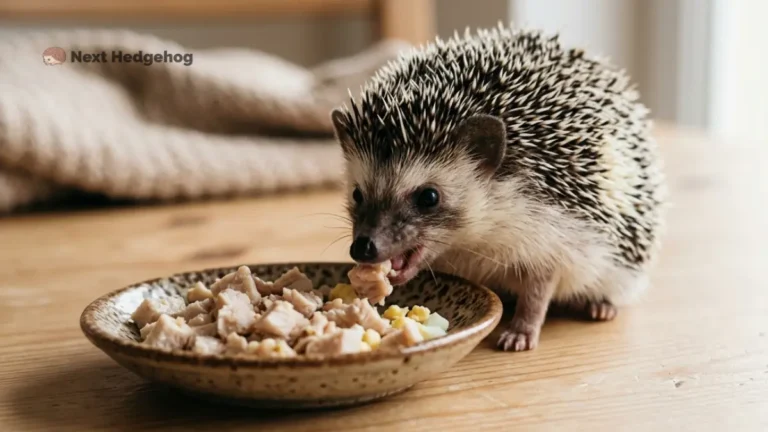
Pet hedgehogs thrive on high-quality insectivore food. Mealworms, crickets, and waxworms make excellent treats. Cooked lean meats like chicken or turkey provide necessary protein. Some fruits and vegetables are safe but should be given in small amounts.
Leafy greens such as spinach and dandelion leaves are popular choices. Vegetables like carrots and peas offer vitamins and fiber. Cabbage can be given sparingly, as it is safe but may cause gas if fed too much.

Credit: www.youtube.com
Cabbage And Hedgehogs
Cabbage is a common vegetable many pet owners consider feeding their hedgehogs. It belongs to the cruciferous family, which includes broccoli and kale. Hedgehogs enjoy a varied diet, but it’s essential to know which vegetables are safe.
Understanding the relationship between cabbage and hedgehogs helps keep your pet healthy. Offering the right foods supports their digestion and overall well-being.
Is Cabbage Safe?
Cabbage is generally safe for hedgehogs in small amounts. It should be given as an occasional treat, not a daily food. Large portions can cause gas and bloating in hedgehogs. Always serve cabbage raw and chopped into small, manageable pieces. Avoid cooked cabbage with added spices or oils.
Watch your hedgehog after feeding cabbage for any signs of discomfort. If your pet shows digestive issues, stop feeding cabbage immediately.
Nutritional Value Of Cabbage For Hedgehogs
Cabbage contains vitamins C and K, which support immune health. It also has fiber to aid digestion. The vegetable is low in calories, making it a light snack. Cabbage offers antioxidants that help protect cells from damage. Despite these benefits, cabbage should not replace protein-rich foods in a hedgehog’s diet.
Feeding a balanced diet with insects, fruits, and vegetables is best for hedgehogs. Cabbage adds variety but must be limited to keep your pet healthy.
Feeding Cabbage To Hedgehogs
Feeding cabbage to hedgehogs can add variety to their diet. Cabbage offers vitamins and fiber, which support digestion. It is important to prepare it properly and serve in the right amounts. This helps keep your hedgehog healthy and happy.
Preparation Tips
Wash cabbage leaves thoroughly to remove dirt and pesticides. Cut the leaves into small, manageable pieces for easy eating. Avoid cooked or seasoned cabbage, as spices can harm hedgehogs. Serve raw cabbage to maintain nutrients and freshness. Remove tough stems to prevent choking risks.
Portion Size And Frequency
Offer cabbage in small portions to avoid digestive upset. A few small pieces once or twice a week is enough. Too much cabbage can cause gas or bloating. Balance cabbage with other safe vegetables and protein sources. Monitor your hedgehog’s reaction to new foods carefully.
Vegetables Suitable For Hedgehogs
Hedgehogs can enjoy a variety of vegetables as part of their diet. Choosing the right vegetables helps keep them healthy and active. Not all vegetables suit hedgehogs, so selecting safe options is important. Vegetables provide vitamins, fiber, and moisture that hedgehogs need daily.
Leafy Greens And Others
Leafy greens like romaine lettuce, dandelion greens, and arugula are good for hedgehogs. These greens offer vitamins and fiber without too many calories. Collard greens and spinach are also suitable but should be given in small amounts. Some hedgehogs like small pieces of broccoli or cooked sweet potato. Avoid starchy or hard vegetables such as raw carrots or corn. These can be hard to digest and may cause digestive problems.
Cooked Vs Raw Vegetables
Cooked vegetables are easier for hedgehogs to digest than raw ones. Steaming or boiling vegetables softens them without adding harmful ingredients. Avoid adding salt, spices, or oils. Raw vegetables can be given but in very small amounts. Raw cabbage can cause gas or stomach upset in some hedgehogs. Always introduce new vegetables slowly to watch for any reactions.
Foods To Avoid
Knowing which foods to avoid is important for your hedgehog’s health. Some items can cause sickness or even be deadly. Feeding the wrong foods may harm their digestion and overall well-being.
Always choose safe and nutritious options. Avoid foods that offer little benefit or contain harmful substances. Careful selection keeps your hedgehog happy and healthy.
Toxic And Harmful Foods
Many common foods are toxic to hedgehogs. Avoid avocados because they contain harmful fats. Raw eggs and raw meats can cause infections. Dairy products often upset their stomachs. Also, nuts and seeds are not safe due to choking risks and poor digestion. Some vegetables like celery and lettuce have little nutritional value and may cause diarrhea.
Low Nutritional Value Items
Foods with low nutrients do not support your hedgehog’s health. Iceberg lettuce and celery fall into this group. These items fill the stomach but offer no vitamins or minerals. Feeding too much can lead to poor nutrition. Avoid giving hard, raw vegetables like carrots as they are difficult to chew and digest. Instead, focus on nutrient-rich greens and cooked vegetables.

Credit: safeguardeurope.com
Signs Of Food Reactions
Introducing new foods like cabbage to your hedgehog’s diet needs care. Watch your pet closely for any signs of food reactions. Reactions may show in different ways. Early detection helps keep your hedgehog safe and healthy.
Not all hedgehogs react the same to cabbage. Some may tolerate it well, while others could have issues. Spotting signs early prevents discomfort or illness. Knowing what to watch for makes feeding safer.
Digestive Issues To Watch For
Digestive trouble is a common sign of food reaction. Look for diarrhea or loose stools after eating cabbage. Constipation or bloating can also appear. These symptoms may indicate your hedgehog cannot handle cabbage well.
Vomiting is another serious sign to note. It shows the stomach is upset by something eaten. If your hedgehog vomits after cabbage, stop feeding it immediately. Keep an eye on appetite too. A sudden loss of interest in food could mean discomfort.
Behavioral Changes After Eating
Food reactions might change your hedgehog’s behavior. Watch for unusual tiredness or lethargy. A normally active hedgehog becoming quiet may signal a problem. Restlessness or pacing can also mean discomfort or pain.
Pay attention to scratching or rubbing the mouth. This can show irritation or allergic reaction. If your hedgehog acts anxious or hides more than usual, consider its diet. These changes help you spot food issues early and act fast.
Balancing A Hedgehog’s Diet
Balancing a hedgehog’s diet is essential for its health and happiness. Hedgehogs need a mix of foods to get all necessary nutrients. Their diet mainly consists of protein with some vegetables for fiber and vitamins. Too much of one food can cause problems. Feeding a variety helps keep your pet healthy and active.
Combining Protein And Vegetables
Protein is the base of a hedgehog’s diet. Insects, cooked lean meats, and specially made hedgehog food provide good protein. Vegetables add fiber and nutrients but should be given in small amounts. Cabbage can be offered occasionally but in moderation. Avoid starchy or hard vegetables that are hard to digest. Mixing protein with safe vegetables supports digestion and overall health.
Supplements And Treats
Supplements help fill any gaps in nutrition. Calcium and vitamin supplements keep bones and muscles strong. Treats like mealworms or small fruits provide variety and enjoyment. Treats should never be the main food. Keep treats to less than 10% of the diet. A balanced mix of protein, vegetables, and supplements keeps your hedgehog well nourished.
:strip_icc()/GettyImages-683732681-227cda09b86447afa6df7bcab9b90815.jpg "Can Hedgehogs Eat Cabbage: Essential Facts Every Owner Must Know")
Credit: www.thesprucepets.com
Frequently Asked Questions
What Vegetables Are Safe For Hedgehogs?
Safe vegetables for hedgehogs include cooked spinach, kale, broccoli, peas, and sweet potatoes. Avoid starchy or raw hard vegetables.
What Foods Are Toxic To Hedgehogs?
Avoid feeding hedgehogs avocado, raw meat, raw eggs, dairy, nuts, seeds, celery, lettuce, and hard raw foods like carrots.
What Are Three Things You Should Not Feed A Pet Hedgehog?
Do not feed a pet hedgehog avocados, raw meats, or raw eggs. These foods can harm their health.
What’s A Hedgehog’s Favorite Food?
A hedgehog’s favorite food is insects like mealworms and crickets. They also enjoy fruits and cooked vegetables.
Conclusion
Hedgehogs can eat cabbage, but only in small amounts. Too much cabbage may cause stomach upset. Always offer fresh, washed cabbage without seasoning. Variety in their diet keeps hedgehogs healthy and happy. Leafy greens like spinach and kale are better choices.
Watching your pet’s reaction helps prevent digestive issues. Feeding safe vegetables supports their natural needs. Remember, balance is key to a happy hedgehog diet.