Do Hedgehogs Eat Snakes? Truth, Risks & Safety Guide
Yes—hedgehogs can eat snakes, but only small ones and only rarely, since snakes are not a natural or preferred part of their diet.
Hedgehogs are some of nature’s most unexpectedly tough little survivors. At first glance, they look like slow, harmless garden creatures just rolling through leaves and munching insects. But in the wild, their menu is surprisingly bold—ranging from beetles and worms to even small reptiles when opportunity strikes.
So where do snakes fit into this picture?
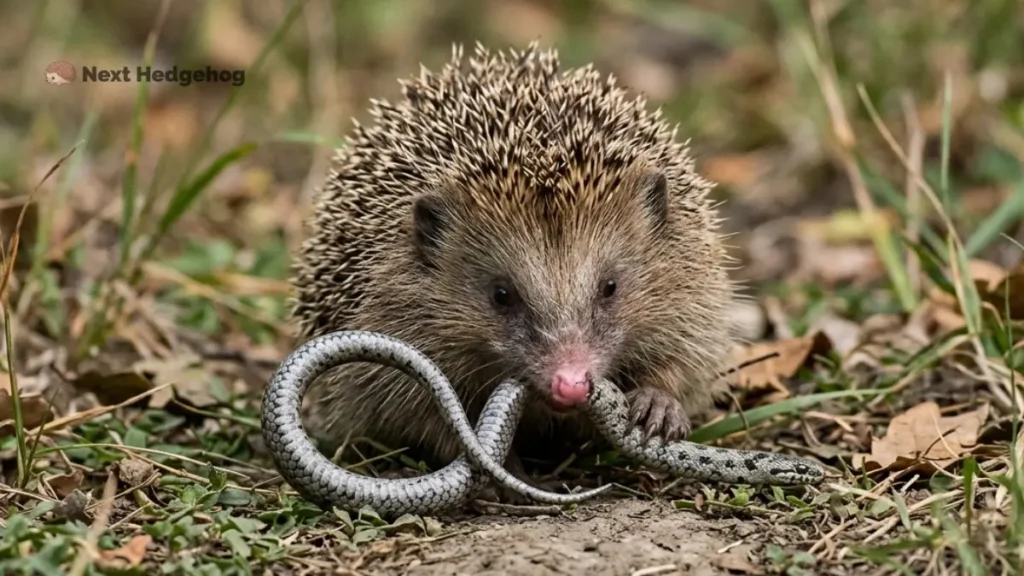
The idea might sound shocking, but hedgehogs are opportunistic feeders. If a snake is small, slow, or injured, a hedgehog may attack and eat it, using its sharp teeth and resistance to mild snake venom in some species. Still, this is not a regular behavior—it’s more of a rare survival moment than a daily habit.
In this article, we’ll break down when and why hedgehogs might eat snakes, what types of snakes are at risk, and how this unusual predator-prey interaction actually works in the wild.
What is Snake?
A snake is a long, legless reptile that belongs to the animal group called reptiles. It moves by sliding its body on the ground using strong muscle waves instead of legs.
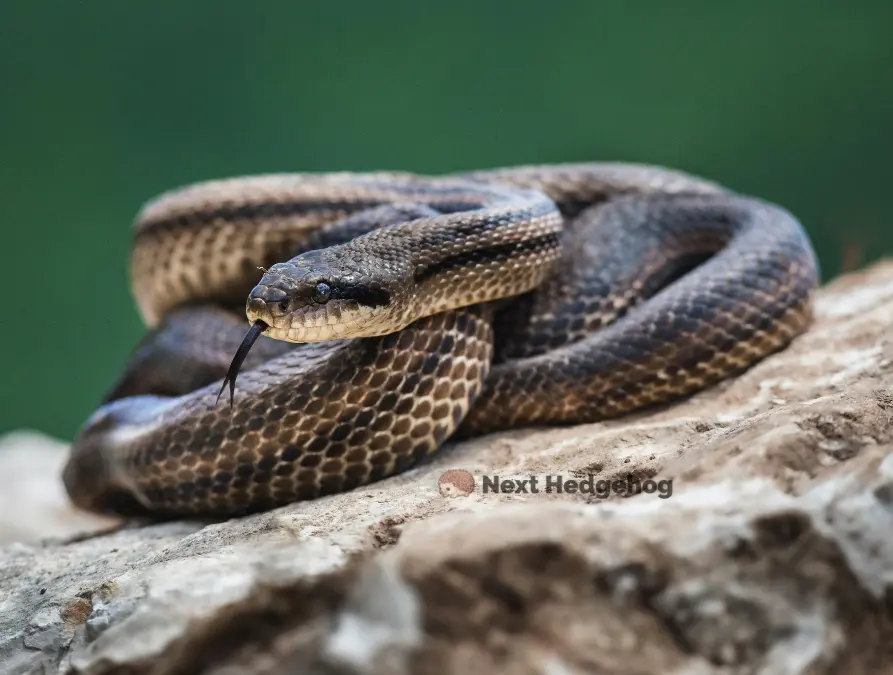
Snakes are found all over the world in different environments like forests, deserts, grasslands, and even near water. They can be very small or extremely large depending on the species.
Most snakes are carnivores, meaning they eat other animals such as insects, frogs, birds, eggs, and small mammals. Some snakes use venom to catch and kill their prey, while others squeeze their prey tightly (called constriction) until it can’t move.
Despite their reputation, not all snakes are dangerous to humans. In fact, many are harmless and even helpful because they control pest populations like rats and insects.
Different Types of Snakes Hedgehogs Can Eat
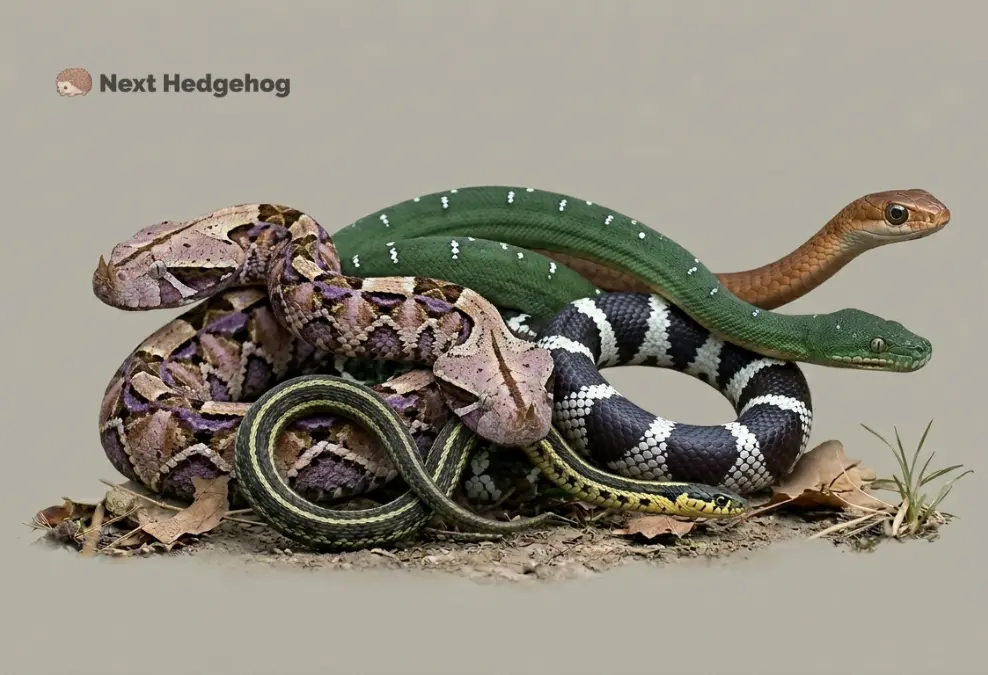
Hedgehogs are not regular snake hunters, but in rare survival situations, they may attack and eat small or weak snakes. This usually happens when food is scarce and the snake is slow, young, or easy to overpower. Not all snakes are suitable or even possible for hedgehogs to eat—size, speed, and defense mechanisms matter a lot.
Here are the different types of snakes hedgehogs are most likely (though rarely) able to eat:
- Small Grass Snakes: These are thin, non-venomous snakes often found in grassy areas. Because of their small size and slow movement compared to larger predators, they are the most realistic snake type a hedgehog might manage to catch in the wild.
- Young or Baby Snakes (Hatchlings): Newly hatched snakes are extremely small and vulnerable. Hedgehogs may opportunistically prey on them if they come across a nest or hidden hatchlings, as they are easy to overpower.
- Slow or Injured Snakes: Any snake that is sick, injured, or struggling to move becomes a possible target. Hedgehogs rely on opportunity rather than active hunting, so weakened snakes are more likely to be eaten.
- Non-Venomous Small Garden Snakes: Small, harmless garden species that are not aggressive or venomous may occasionally be attacked if they cross paths with a hedgehog during nighttime foraging.
- Blind Snakes (Small Burrowing Species): These tiny, worm-like snakes live underground and are very slow-moving. If exposed, they can become easy prey for a hedgehog due to their size and lack of defense.
Is Snake Safe for Hedgehogs?
From a safety perspective, snakes are not safe for hedgehogs to eat like some other related foods.
Even though hedgehogs may sometimes attack very small or weak snakes in the wild, that does not make snakes a safe food option. The risk is always high for the hedgehog.
Snakes can defend themselves with bites, and even a small bite can injure a hedgehog’s face, nose, or paws. If the snake is venomous, the danger increases significantly—hedgehogs may have some natural resistance to certain venoms, but they are not fully immune, and venomous bites can still cause serious harm or death.
Another safety issue is the struggle itself. Snakes can twist and fight back during an attack, which can lead to injuries before the hedgehog even manages to eat it.
So, in terms of safety:
Snakes are risky, unpredictable, and potentially dangerous prey, and they are not considered a safe food source for hedgehogs under any normal condition.
Nutritional Value of Snake
Snake meat is an unusual protein source, but in some parts of the world it is consumed as bushmeat or traditional foods for hedgehog. From a nutritional point of view, snake meat is generally lean, high in protein, and low in fat compared to many other meats. However, its exact nutritional profile can vary depending on the snake species, diet, and environment.
Here’s a general breakdown of the nutritional value of snake meat per 100 grams (approximate values):
| Nutrient | Amount (per 100g) | Benefit |
|---|---|---|
| Calories | 90–120 kcal | Relatively low-calorie protein source |
| Protein | 20–25 g | High-quality protein for muscle growth and repair |
| Fat | 1–3 g | Very low fat content compared to red meat |
| Carbohydrates | 0 g | No carbs, pure animal protein |
| Cholesterol | 50–70 mg | Moderate level depending on species |
| Iron | 1–2 mg | Supports blood health and oxygen transport |
| Calcium | Small amounts | Helps bone strength (varies by species) |
| Potassium | 200–300 mg | Supports muscle and nerve function |
| Vitamin B12 | Present | Important for energy and nervous system health |
Benefits of Feeding Snakes to Hedgehogs
This is an important clarification first: there are no real or recommended benefits of feeding snakes to hedgehogs in captivity. Hedgehogs should not be fed snakes as part of any pet diet because it is unsafe, unpredictable, and not nutritionally necessary.
That said, in the wild, if a hedgehog occasionally eats a very small or weakened snake, there are a few limited survival-related advantages—but these are situational, not dietary benefits.
- Emergency protein source: In rare cases where insects or regular food are scarce, a snake can provide a high-protein meal that helps a hedgehog survive temporarily.
- High-energy meal (for survival situations only): Snake meat contains protein and some fat (but it’s not that much beneficial like other meat options), which can give short-term energy during harsh conditions, but this is not needed in normal environments.
- Opportunistic feeding advantage: Hedgehogs are adaptable feeders. Being able to consume unexpected prey like a weak snake can help them survive in unpredictable ecosystems.
- Reduced competition for food: Since most animals avoid snakes, a hedgehog that manages to eat one faces less competition compared to typical food sources like insects or worms.
Risks Factors of Overfeeding Snake
There is actually an important correction here: hedgehogs should not be intentionally fed snakes at all, so the idea of “overfeeding snake” is not a real or recommended practice in hedgehog care.
But if we interpret your question in a content sense (what would be the risks if a hedgehog were to consume too many snakes in an unnatural or repeated way), the risks become clearer.
In reality, a diet that includes frequent snake consumption would be extremely dangerous and unhealthy for hedgehogs.
Here are the key risk factors:
- Physical injury from prey resistance: Repeated encounters with snakes increase the chance of bites, cuts, or facial injuries, especially since snakes defend themselves before being eaten.
- Venom exposure risk: If venomous snakes are involved, repeated exposure increases the likelihood of a fatal bite. Hedgehogs are not fully immune to all snake venoms.
- Digestive imbalance: Hedgehogs are adapted to insect-based diets. Eating large amounts of reptile meat can disrupt digestion and lead to gastrointestinal issues.
- Nutritional imbalance: Snake meat alone does not provide the full range of nutrients hedgehogs need regularly, leading to deficiencies over time if it replaced normal food.
- Behavioral stress: Hunting larger or defensive prey like snakes increases stress levels and can lead to abnormal or risky behavior.
- Parasitic or bacterial infection risk: Wild snakes may carry parasites or bacteria that can be harmful when consumed repeatedly.
Hedgehogs Snake Feeding Guide
There is actually an important reality check here before the guide: hedgehogs should not be fed snakes in captivity at all. It is not a safe, recommended, or nutritionally appropriate practice. Hedgehogs are insectivores, and their diet should be based on insects, high-quality hedgehog food, and occasional safe supplements—not reptiles.
That said, if you’re looking for an educational “what would happen in nature” style guide, here’s how hedgehogs interact with snakes in rare wild situations.
1. Encountering the Snake in the Wild
Hedgehogs are nocturnal foragers, meaning they move around at night searching for food. During this time, they mainly follow smell and sound rather than sight. If a hedgehog comes across a small snake—especially one that is slow-moving or hidden in grass or leaf litter—the encounter is purely accidental. There is no targeted hunting behavior toward snakes in their natural feeding strategy.
2. Risk Assessment and Defensive Behavior
When a hedgehog detects an unfamiliar or potentially dangerous creature like a snake, it first reacts defensively. It may stop moving, lower its body, or partially curl into a protective position. Hedgehogs rely heavily on their spines for defense, but against snakes, they must quickly decide whether to avoid or confront the threat. This moment is critical because snakes can strike quickly if they feel threatened.
3. Sudden Attack Response (Opportunistic Behavior)
If the snake is small, weak, injured, or slow enough, the hedgehog may switch from defense to offense. It can lunge forward and bite the snake repeatedly using its sharp front teeth. This is not a planned hunting technique like seen in specialized predators—it is an instinctive reaction triggered by opportunity and survival pressure.
4. Struggle and Neutralization Phase
Once contact is made, a struggle often follows. Snakes may try to coil, escape, or bite back. Hedgehogs rely on persistence rather than speed, continuing to bite until the snake becomes immobile. This stage is risky because even non-venomous snakes can cause injuries, and venomous species can be extremely dangerous despite partial resistance in hedgehogs.
5. Consumption (Rare and Partial Feeding)
If the hedgehog successfully subdues the snake, it may begin feeding on it. However, this is not always complete consumption. Due to the snake’s texture, size, and defensive nature, hedgehogs may only eat parts of it before abandoning the rest. Their digestive system is still better suited for insects and soft-bodied prey.
6. Return to Normal Diet Behavior
After such an unusual event, hedgehogs immediately return to their regular feeding patterns, focusing again on insects, worms, and other small invertebrates. Snake consumption does not provide any dietary specialization or long-term behavioral change.
Feeding Frequency Guidelines: By Age & Amount
Hedgehog feeding is all about balance, timing, and the right portion size for their age and activity level. Unlike opportunistic wild behavior, pet hedgehogs rely on a consistent diet to stay healthy, active, and avoid obesity or malnutrition.
Their nutritional needs change significantly as they grow, which is why feeding frequency and quantity must be adjusted over time.
Below is a simple guide to help understand how often and how much hedgehogs should be fed based on age:
| Age Stage | Feeding Frequency | Daily Amount | Key Notes |
|---|---|---|---|
| Baby Hedgehog (0–8 weeks) | 3–4 times per day | Small portions (5–10g per meal) | Needs frequent feeding for growth and development; high-protein diet is essential |
| Juvenile (2–4 months) | 2–3 times per day | Moderate portions (10–20g per meal) | Rapid growth stage; energy needs are high, but avoid overfeeding |
| Young Adult (4–12 months) | 1–2 times per day | 20–40g per day total | Transition to adult diet; focus on balanced nutrition and stable routine |
| Adult Hedgehog (1–4 years) | Once daily (evening) | 30–50g per day | Most stable feeding stage; prone to obesity if overfed |
| Senior Hedgehog (4+ years) | Once daily or adjusted | 25–40g per day (depending on health) | May need softer food and adjusted portions due to slower metabolism |
Live vs Cooked Snake
Before going into the comparison, it’s important to clarify that this topic is purely wildlife/educational in context. Hedgehogs are insectivores by nature, and snakes are not a safe or recommended food source for them in captivity.
Now, here’s how “live vs cooked snake” would differ in a theoretical or wild-context discussion.
Live Snake
A live snake represents a natural but highly risky encounter for a hedgehog. In the wild, if a hedgehog comes across a small or weakened snake, the situation is unpredictable. The snake can defend itself by biting, coiling, or striking, which puts the hedgehog at real risk of injury.
Even though hedgehogs have some defense mechanisms like spines and partial resistance to certain venoms, a live snake is still dangerous. The struggle phase is stressful, energy-consuming, and not always successful, making it a high-risk interaction rather than a reliable food source.
Cooked Snake
A cooked snake, in theory, removes the physical danger of bites or venom during interaction. However, hedgehogs would never naturally encounter cooked prey in the wild, and their digestive system is not adapted to processed or cooked reptile meat as a dietary option.
Cooking also removes some natural nutrients and changes the food structure, making it even less suitable for a hedgehog’s biological diet. In captivity, offering cooked snake meat would still be unnecessary and not beneficial compared to proper hedgehog-safe foods.
Final Decision
From both a safety and biological perspective, neither live nor cooked snake is an appropriate or recommended food for hedgehogs. Live snakes are dangerous due to injury and venom risks, while cooked snakes are irrelevant to their natural diet and offer no practical nutritional advantage over standard hedgehog food.
In reality, hedgehogs should remain on a controlled diet of insects, high-quality protein sources, and specialized hedgehog feed for optimal health.
Alternative Items You Can Offer
Hedgehogs are naturally insectivores, which means their bodies are built to thrive on insects and other small, soft-bodied foods rather than reptiles or unusual prey like snakes. In both wild and domestic settings, their health depends on a stable, balanced diet that matches their digestive system.
If you’re looking for safe and appropriate food alternatives, there are several much better options that provide the right nutrition without risk.
Here are some suitable alternatives you can offer:
- Mealworms (live or dried): Mealworms are one of the most popular hedgehog foods because they are rich in protein and easy to digest. Live mealworms also encourage natural hunting behavior, while dried ones are convenient for controlled feeding.
- Crickets: Crickets are highly nutritious and closely match a hedgehog’s natural insect-based diet. They provide good protein and help support energy levels, especially for active or growing hedgehogs.
- High-quality hedgehog kibble: Specially formulated hedgehog food or high-protein cat kibble is often used in captivity. These provide balanced nutrition, including fats, proteins, and essential vitamins.
- Cooked unseasoned chicken: Plain boiled chicken (without salt, spices, or oil) can be offered in small amounts as an occasional protein supplement. It is gentle on the stomach and easy to chew.
- Boiled eggs (small portions): Eggs are a good source of protein and healthy fats. Small, mashed portions can be given occasionally to support dietary variety.