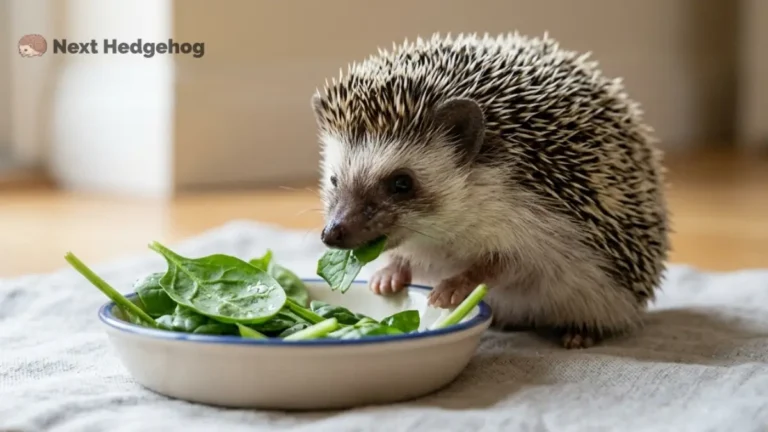
Can Hedgehogs Eat Dubia Roaches? Nutrition Facts & Risks
Can Hedgehogs Eat Dubia Roaches?
Hedgehogs are fascinating little creatures. They have unique behaviors, cute faces, and very particular diets. If you own a hedgehog, you probably know they are insectivores — animals that eat insects as a major part of their diet. But not all insects are safe or healthy for hedgehogs. Many owners ask: Can hedgehogs eat Dubia roaches? Is this feeder insect a good option, or could it harm your spiky friend? This article gives you clear, practical answers, as well as expert advice on feeding Dubia roaches safely.
Understanding Hedgehog Diets
Wild hedgehogs roam at night, searching for insects, worms, and small creatures. Their diet is high in protein and low in fat. In captivity, it’s important to mimic this natural diet to keep hedgehogs healthy. Commercial hedgehog food, high-quality cat food, and safe insects are common choices.
But not all insects are equal. Some are too fatty, carry parasites, or lack important nutrients. That’s why many owners look for safe feeder insects — and Dubia roaches are gaining popularity.
What Are Dubia Roaches?
Dubia roaches (Blaptica dubia) are tropical cockroaches. They are widely used as feeder insects for reptiles, amphibians, and sometimes exotic mammals. Dubia roaches are about 1. 5–2 inches long as adults, are easy to breed, and cannot climb smooth surfaces or fly.
Here’s a quick comparison of Dubia roaches with other popular feeder insects:
| Insect | Protein (%) | Fat (%) | Chitin Level | Common Risks |
|---|---|---|---|---|
| Dubia Roach | 20–23 | 7–9 | Low | Minimal |
| Mealworm | 18–20 | 13–15 | High | Impaction risk |
| Cricket | 16–21 | 4–6 | Medium | Parasites |
This table shows why Dubia roaches are getting more attention from hedgehog owners. They’re high in protein, moderate in fat, and have softer shells (chitin) than mealworms.

Credit: www.chewy.com
Nutritional Benefits Of Dubia Roaches For Hedgehogs
Feeding Dubia roaches to hedgehogs offers several nutritional advantages:
- High Protein Content: Hedgehogs need protein to build muscle, maintain energy, and support immune health. Dubia roaches provide 20–23% protein, which matches their dietary needs.
- Moderate Fat Levels: Too much fat can cause obesity and liver issues in hedgehogs. Dubia roaches have about 7–9% fat — lower than mealworms and superworms.
- Low Chitin: Chitin is the hard part of an insect’s shell. If a feeder insect has too much chitin, hedgehogs can struggle to digest it. Dubia roaches have softer exoskeletons, reducing the risk of digestive blockages.
- Balanced Calcium to Phosphorus Ratio: Hedgehogs need more calcium than phosphorus for strong bones. Dubia roaches have a better ratio than most insects, especially if they are gut-loaded (fed nutritious foods before being offered).
Key Micronutrients
Dubia roaches also contain:
- Vitamin B12 (supports the nervous system)
- Iron (prevents anemia)
- Magnesium and potassium (support muscle and nerve function)
Still, Dubia roaches are not a complete diet. They should be part of a varied feeding plan.
Are Dubia Roaches Safe For Hedgehogs?
For most hedgehogs, Dubia roaches are safe when sourced from reputable breeders and prepared properly. However, there are important safety checks:
- No Wild-Caught Roaches: Never feed wild insects. They can carry pesticides, parasites, or diseases. Only use captive-bred Dubia roaches.
- Size Matters: Pick roaches that are smaller than the hedgehog’s mouth. Large roaches can cause choking.
- Cleanliness: Feed only live, healthy, and clean roaches. Remove uneaten insects to avoid bites or contamination.
- Gut-Loading: Feed the Dubia roaches nutritious vegetables and grains 24–48 hours before giving them to your hedgehog. This increases their nutrient value.
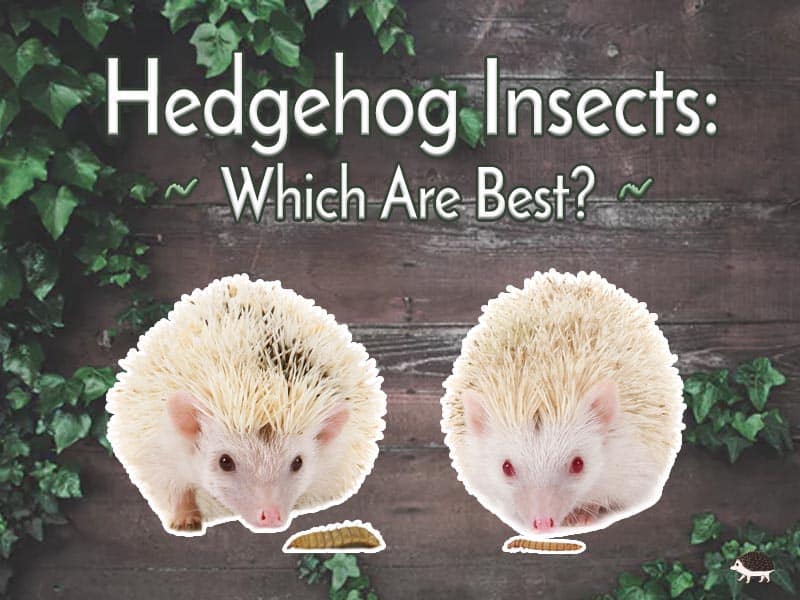
Credit: heavenlyhedgies.com
How To Feed Dubia Roaches To Hedgehogs
Feeding Dubia roaches is simple but requires attention to detail. Here’s a step-by-step guide:
- Select Healthy Roaches: Choose roaches that are active, not lethargic or damaged.
- Gut-Load First: Feed the roaches high-calcium vegetables (like kale, collard greens, or carrots) for 1–2 days before offering them to your hedgehog.
- Dust with Calcium (Optional): Lightly coat the roaches with a reptile-safe calcium powder. This step is extra insurance against calcium deficiency.
- Offer by Hand or in a Dish: Place 1–3 roaches in a shallow dish or hand-feed if your hedgehog is tame. Never leave large numbers in the cage.
- Watch Feeding: Supervise to prevent choking or hiding insects.
- Remove Leftovers: Clean up uneaten insects after 15–20 minutes.
How Many Dubia Roaches Should You Feed?
A typical adult hedgehog can have 2–3 medium Dubia roaches, 2–3 times a week, as a treat or supplement. Juveniles can have smaller roaches and less frequent feedings.
Comparing Dubia Roaches To Other Feeder Insects
Choosing the right feeder insect is important for hedgehog health. Here’s how Dubia roaches compare with other common choices:
| Feeder Insect | Digestibility | Fat Content | Calcium Content | Suitability |
|---|---|---|---|---|
| Dubia Roach | Easy | Moderate | Good (if gut-loaded) | Excellent |
| Mealworm | Harder (tough shell) | High | Poor | Occasional treat |
| Cricket | Moderate | Low | Variable | Good (if healthy) |
| Superworm | Harder (tough shell) | Very high | Poor | Rare treat |
This comparison shows that Dubia roaches are one of the best insect options for hedgehogs, as long as they are fed in moderation.
Common Mistakes When Feeding Dubia Roaches
Even with the best intentions, owners can make mistakes. Here are the most frequent issues and how to avoid them:
- Overfeeding: Too many Dubia roaches can add unwanted fat to your hedgehog’s diet. Stick to the recommended serving.
- Feeding Large Roaches: Large adult roaches can be difficult to chew and digest. Always choose appropriately sized insects.
- Skipping Gut-Loading: If you don’t gut-load, the roaches are less nutritious.
- Ignoring Cleanliness: Dirty or dead roaches can cause stomach upset.
- Neglecting Variety: No single insect should be the main food. Mix in other safe insects and a quality base diet.
The Role Of Variety In A Hedgehog’s Diet
Dubia roaches are a healthy addition, but hedgehogs need a balanced menu. Their base diet should include high-quality dry hedgehog food or low-fat cat food, with insects as treats. Here’s an example weekly feeding plan:
- Daily: High-quality kibble (main diet)
- 2–3 times/week: Dubia roaches (2–3 each time)
- 1–2 times/week: Crickets or waxworms (as treats)
- Occasional: Cooked chicken or scrambled egg (tiny pieces)
Never feed only insects. Hedgehogs need vitamins, minerals, and fiber from other foods. Too many insects can cause obesity or nutrition gaps.

Credit: www.reddit.com
Preparing And Storing Dubia Roaches
Proper preparation ensures safety and nutrition. Here’s what to keep in mind:
- Housing Roaches: Keep Dubia roaches in a ventilated plastic bin with egg cartons for hiding. Feed them vegetables and grains.
- Temperature: They prefer 75–85°F (24–29°C). Colder temperatures slow growth.
- No Chemicals: Never use bug sprays or chemical cleaners near their enclosure.
- Storage: Only keep as many roaches as you’ll use in 2–3 weeks, unless breeding.
If you buy Dubia roaches online, check for a healthy appearance and active movement.
Signs Of A Good Or Bad Reaction
Most hedgehogs enjoy hunting and eating Dubia roaches. Signs of a good reaction include:
- Eager eating
- Normal, firm stool
- No vomiting or choking
Watch for warning signs after feeding:
- Diarrhea or constipation
- Lethargy
- Loss of appetite
- Choking or coughing
If you see any of these, stop feeding Dubia roaches and consult a veterinarian. Rarely, an individual hedgehog may have a sensitive stomach or allergy.
Special Considerations: Baby, Sick, Or Elderly Hedgehogs
Young, sick, or old hedgehogs may have special needs:
- Babies: Offer only very small Dubia nymphs. Crush the head to slow movement if needed.
- Elderly: May need softer foods. Avoid large, tough roaches.
- Sick/Injured: Talk with your vet before adding new foods.
For most healthy adults, Dubia roaches are a safe, enriching treat.
Ethical And Practical Aspects Of Feeding Dubia Roaches
Some owners worry about feeding live insects. Dubia roaches are among the most humane feeder insects for several reasons:
- Easy to breed and keep clean
- Don’t bite or harm pets
- Don’t smell or make noise
- Cannot infest your home if they escape
If you feel uncomfortable handling live insects, use tongs or buy pre-killed, frozen Dubia roaches. However, movement does encourage natural hunting behaviors in hedgehogs.
For more details on insect nutrition and safe practices, the Wikipedia page on Dubia roaches offers additional background.
Frequently Asked Questions
Can Hedgehogs Eat Dubia Roaches Every Day?
It’s best not to offer Dubia roaches daily. While they are nutritious, too many insects can cause weight gain and nutrition imbalances. Feed them 2–3 times per week as part of a varied diet.
Are Dubia Roaches Better Than Mealworms For Hedgehogs?
Yes, in most cases. Dubia roaches have less fat and softer shells, making them easier to digest. Mealworms can be a treat, but Dubia roaches are healthier for regular feeding.
What Size Dubia Roach Is Safe For My Hedgehog?
Choose roaches smaller than your hedgehog’s mouth. For adults, medium-sized nymphs (about 0. 5–1 inch) are ideal. Avoid large adults to prevent choking.
Can I Breed Dubia Roaches At Home For My Hedgehog?
Yes, Dubia roaches are easy to breed at home. You need a warm, well-ventilated container, egg cartons for hiding, and a steady supply of vegetables and grains for food.
What Should I Do If My Hedgehog Refuses To Eat Dubia Roaches?
Some hedgehogs are picky. Try wiggling the roach with tongs to stimulate hunting instincts. If your pet still refuses, offer other insects or treats, and try again later. Never force-feed.
Hedgehog owners want the best for their pets, and diet is crucial for long-term health. Dubia roaches are a nutritious, safe feeder insect when prepared properly and fed in moderation. Always source insects from reputable sellers, gut-load them for extra nutrition, and observe your hedgehog for any signs of trouble.
Remember, variety is key—combine Dubia roaches with other foods to keep your hedgehog happy, healthy, and full of energy.