What Fruits Can Hedgehogs Eat Safely? And What to Avoid?
Hedgehogs can eat certain fruits in small amounts, but not all fruits are safe for them, and knowing the right ones is important for keeping your pet healthy.
These small, insect-eating animals have very specific dietary needs, and while fruits can be a tasty occasional treat, they should never replace their main protein-based diet.
Many new hedgehog owners assume fruits are always healthy, but some can cause digestive issues, weight gain, or even toxicity if fed incorrectly.
In this guide, you’ll learn exactly which fruits are safe, how much to feed, and which ones to avoid completely. By the end, you’ll have a clear, vet-informed understanding of how to safely include fruits in your hedgehog’s diet without risking their health.
Understanding a Hedgehog’s Natural Diet
Pet hedgehogs still carry the same biological traits as their wild counterparts, which means their digestive system is naturally designed for a high-protein, insect-based diet rather than sugary fruits or plant-heavy foods.
Even though they are kept as pets today, their core nutritional needs have not changed, and this is the foundation of a healthy feeding routine.
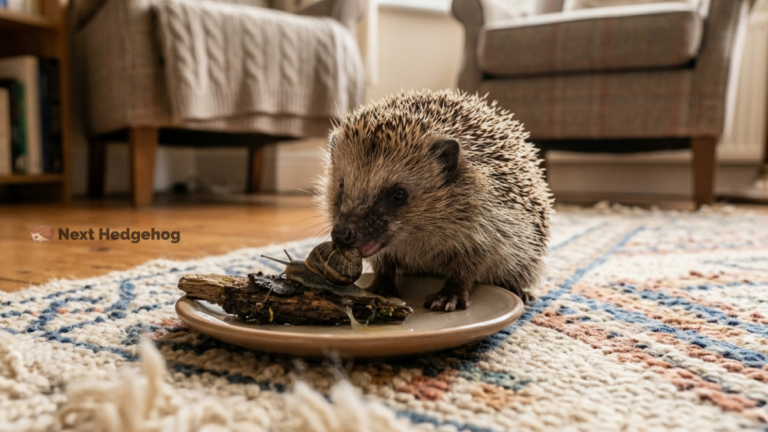
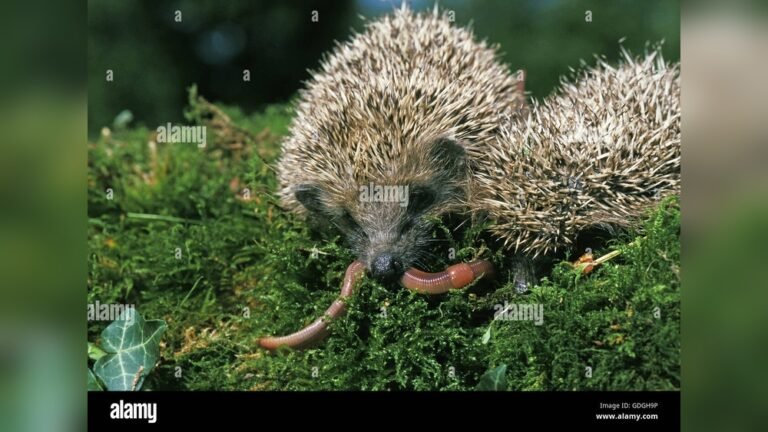
In the wild, hedgehogs mainly eat insects like beetles, worms, caterpillars, and other small invertebrates. These foods provide the protein and fat needed for energy, body repair, and overall survival.
This is why most vet-approved pet hedgehog diets are built around insect protein or specially formulated hedgehog food that mimics this nutritional profile.
When it comes to fruit, wild hedgehogs may occasionally nibble on fallen berries or soft fruits they find while foraging, but this is rare and not a significant part of their diet. For pet hedgehogs, this behavior should not be mistaken as a dietary requirement.
Their bodies are not designed to handle large amounts of sugar, and overfeeding fruits can lead to obesity, digestive upset, and long-term health issues.
Understanding this natural eating pattern is important for pet owners because it helps set the right expectations: fruits are optional treats, not essential food. A healthy pet hedgehog diet should always prioritize protein first, with fruits introduced only in very small, controlled portions.
Are Fruits Safe for Hedgehogs?
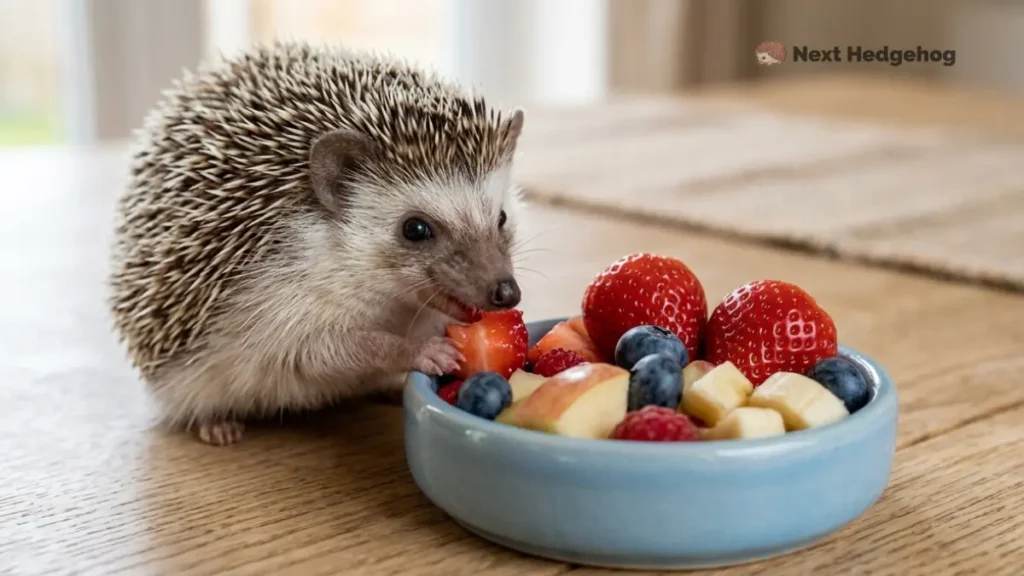
Fruits can be safe for hedgehogs when given in very small amounts and on an occasional basis, but they are not an essential part of their diet.
Pet hedgehogs are naturally insectivores, so their bodies are designed to process protein-rich foods rather than sugary or high-carbohydrate fruits. Because of this, fruits should always be treated as a small treat rather than a regular food item.
Some fruits, like apples, blueberries, and strawberries, can be offered safely in tiny portions as an occasional snack, provided they are fresh, properly washed, and free from seeds or pits.
However, even safe fruits contain natural sugars that can be difficult for hedgehogs to process if eaten too often. Overfeeding fruit may lead to weight gain, digestive upset, or an imbalance in their overall diet.
On the other hand, not all fruits are safe for hedgehogs. Certain fruits such as grapes, citrus fruits, and avocados can be harmful and should always be avoided.
This makes it important for pet owners to understand both the safe options and the risks before introducing any fruit into their hedgehog’s feeding routine.
Nutritional Needs of Hedgehogs
A healthy pet hedgehog diet is all about balance, but unlike many common pets, hedgehogs have very specific nutritional requirements that are heavily focused on animal-based protein.
Their bodies are built for a high-protein, low-sugar diet, which means the foundation of their nutrition should always come from insects or high-quality hedgehog food rather than fruits or vegetables. Understanding these needs is essential for preventing obesity, digestive issues, and long-term health problems.
Below is a simple breakdown of the key nutrients hedgehogs need and where they typically come from in a proper diet:
| Nutrient | Importance for Hedgehogs | Best Food Sources |
|---|---|---|
| Protein | Essential for growth, muscle repair, and energy | Insects (mealworms, crickets), high-quality hedgehog kibble |
| Fat | Provides energy and supports healthy skin and quills | Insects, specially formulated hedgehog food |
| Fiber | Aids digestion in small amounts | Limited fruits, insect exoskeletons |
| Vitamins (A, B, E) | Supports immunity, vision, and overall health | Balanced commercial hedgehog diets, occasional safe fruits |
| Calcium | Strengthens bones and supports body functions | Insect-based diets, calcium-fortified foods |
| Water | Hydration and organ function | Fresh clean water (always available) |
Safe Fruits Hedgehogs Can Eat
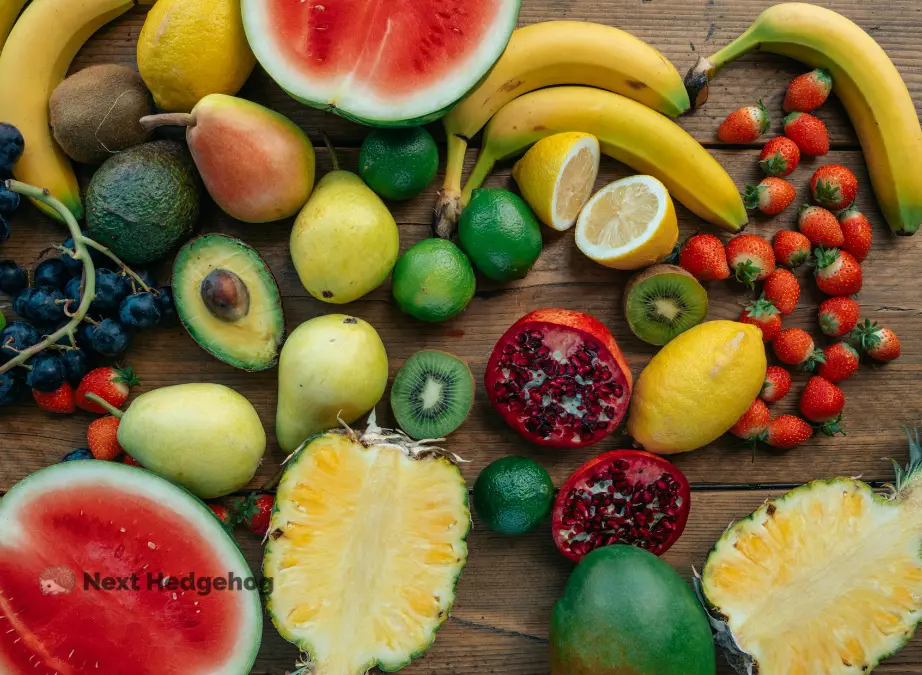
While fruits are not a natural or essential part of a hedgehog’s diet, some options can be safely offered as occasional treats in very small portions. The key is moderation, as hedgehogs are insectivores and their bodies are not designed to handle high sugar intake.
Always wash fruits properly, remove seeds or pits, and serve only fresh pieces in tiny amounts.
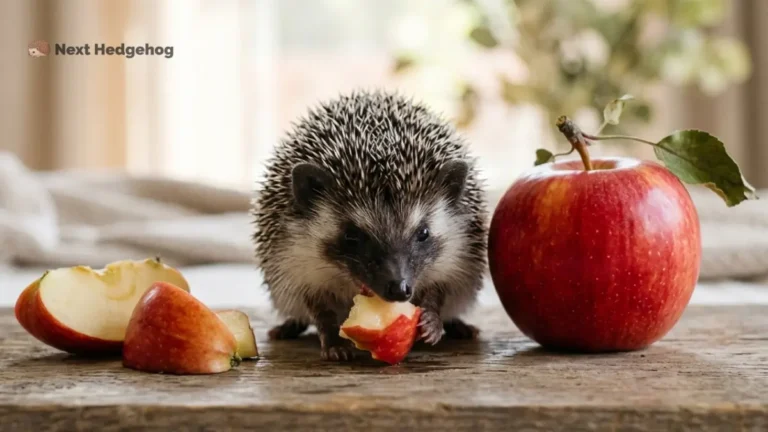
- Apples: Apples are one of the safest fruit options for hedgehogs when served without seeds or core. They provide a mild sweetness and some fiber, but should be given in very small, finely chopped pieces due to their sugar content.
- Bananas: Bananas are soft and easy for hedgehogs to eat, making them a popular occasional treat. However, they are high in sugar, so only a very small bite should be offered once in a while.
- Blueberries: Blueberries are a good low-calorie fruit option and contain antioxidants. They can be given whole or slightly mashed, but still only in small quantities to avoid overfeeding.
- Strawberries: Strawberries are safe when cut into small pieces and served fresh. They contain vitamin C but also natural sugars, so portion control is important.
- Watermelon: Watermelon is mostly water, making it a hydrating treat for hedgehogs in hot weather. Only a tiny seedless piece should be offered, and it should not be a regular snack.
- Pears: Pears are gentle on digestion when ripe and soft. They should be served without seeds or skin in very small portions due to their sugar content.
- Mango: Mango can be given occasionally as a sweet treat. It should be fully ripe, peeled, and cut into very small pieces, as it is quite high in natural sugars.
- Papaya: Papaya is one of the more digestive-friendly fruits and can be offered in small amounts. It is soft and easy to eat but still should be limited.
- Peaches: Peaches are safe only when the pit is completely removed. Small peeled slices can be offered occasionally, but they should not be a frequent treat.
- Melons (Cantaloupe & Honeydew): These melons are hydrating and soft, making them suitable in tiny portions. They should always be seedless and served fresh in moderation.
Fruits Hedgehogs Should Avoid
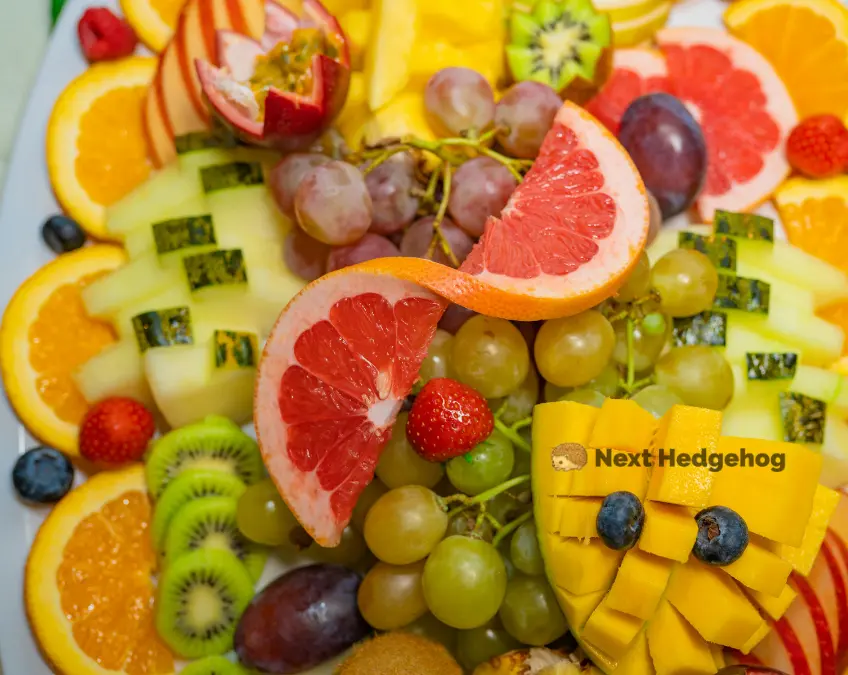
Not all fruits are safe for hedgehogs, and some can cause serious health problems even in small amounts. Since hedgehogs have a sensitive digestive system designed for insects and protein-rich foods, certain fruits that are common in human diets can be too acidic, toxic, or sugar-heavy for them.
Avoiding these fruits is just as important as knowing the safe ones.
- Citrus Fruits (Oranges, Lemons, Grapefruits): Citrus fruits are too acidic for hedgehogs and can cause stomach irritation, mouth discomfort, and digestive upset. Their high acidity makes them unsuitable even in small portions.
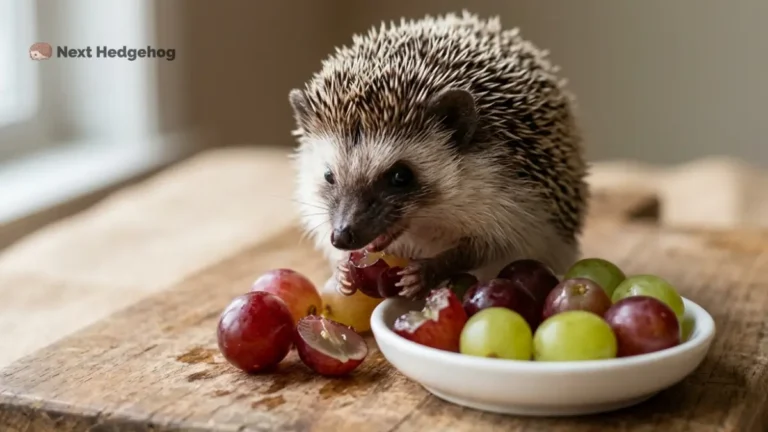
- Grapes and Raisins: Grapes and raisins are considered unsafe for many small animals and should be completely avoided. They may cause serious kidney issues, even in tiny amounts, making them a high-risk food for hedgehogs.
- Avocado: Avocado contains substances that can be toxic to small animals and is also very high in fat. It can lead to digestive problems and other health risks, so it should never be offered.
- Pineapple: Pineapple is highly acidic and can irritate a hedgehog’s digestive system. It may also cause mouth and stomach discomfort, making it unsuitable as a treat.
- Cherries: Cherries pose a danger mainly due to their pits, which are toxic and can cause choking hazards or poisoning. Even the flesh is not recommended due to potential digestive sensitivity.
How to Feed Fruits to Hedgehogs Safely?
Feeding fruits to hedgehogs can be safe when done correctly, but it requires careful preparation and strict portion control. Since hedgehogs have sensitive digestive systems designed mainly for protein-based foods, fruits should always be treated as an occasional treat.
Following the right steps helps reduce health risks like obesity, diarrhea, and sugar overload while still allowing your pet to enjoy a small variety of flavors.
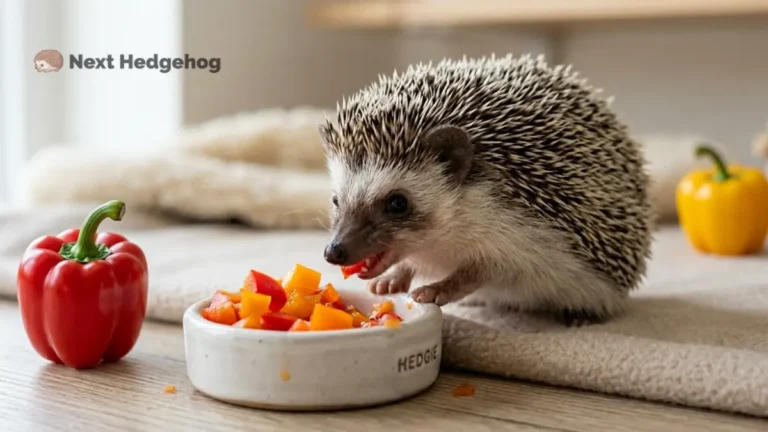
- Choose only safe fruits: Always stick to hedgehog-safe options like apples, blueberries, strawberries, or small pieces of melon. Avoid toxic or high-risk fruits such as grapes, citrus, and avocado.
- Wash fruits thoroughly: Clean all fruits properly before serving to remove pesticides, dirt, or chemical residues that could harm your hedgehog.
- Remove seeds, pits, and skins (when needed): Seeds and pits can be toxic or pose choking hazards. Always remove apple seeds, peach pits, and any hard or unsafe parts before feeding.
- Cut into very small pieces: Hedgehogs have small mouths, so fruits should be chopped into tiny bite-sized portions to make eating safe and easy.
- Serve in very small amounts: Limit fruit to a small bite-sized piece only. Overfeeding even safe fruits can lead to weight gain and digestive issues.
- Feed fruits occasionally, not daily: Fruits should only be given as an occasional treat, ideally once or twice a week at most, not as a regular part of the diet.
- Observe your hedgehog after feeding: Watch for any signs of digestive upset like diarrhea, bloating, or unusual behavior after introducing a new fruit.
- Always prioritize protein-based food: Fruits should never replace their main diet of insects or high-quality hedgehog food. They are only a small supplement.
Risks of Feeding Too Much Fruit
Feeding fruits to hedgehogs might seem harmless, but giving them in excess can quickly lead to health issues because their bodies are designed for a protein-rich, insect-based diet. Fruits contain natural sugars and fiber that, when overconsumed, can disrupt their digestion and overall nutritional balance.
That’s why understanding the risks is just as important as knowing the safe fruits.
- Obesity and weight gain: Too much fruit increases sugar and calorie intake, which can easily lead to obesity in hedgehogs. Since they are small animals with low energy requirements, even small extra amounts of sugar can cause rapid weight gain.
- Digestive problems: Overeating fruit can upset their sensitive digestive system, leading to diarrhea, bloating, or stomach discomfort. Their gut is not designed to handle frequent sugar-rich foods.
- Nutritional imbalance: If hedgehogs eat too much fruit, they may start refusing or eating less of their main protein food. This can result in a lack of essential nutrients like protein and fat, which are critical for their health.
- Tooth and oral issues (indirect risk): Frequent exposure to sugary fruits can contribute to dental problems over time, as sugar buildup may affect oral hygiene in small animals.
- Low energy and poor health condition: A fruit-heavy diet can reduce overall energy levels and weaken a hedgehog’s immune system due to improper nutrient intake.
- Long-term health complications: Consistently feeding too much fruit may increase the risk of chronic health issues such as metabolic disorders and reduced lifespan.
Age-Based Fruit Feeding Guide
Hedgehogs have different nutritional needs depending on their age, and this also affects how fruits should be introduced and fed. While fruits are never a core part of their diet, the amount and frequency can vary slightly between baby, adult, and senior hedgehogs.
Younger hedgehogs need stricter control, while adults and seniors may tolerate small treats more carefully when their diet is already well-balanced.
| Age Group | Fruit Feeding Recommendation | Key Guidelines |
|---|---|---|
| Baby Hedgehogs (0–6 months) | Not recommended | Avoid fruits completely during early development. Focus only on protein-rich, growth-supporting foods like insects and quality hedgehog food. |
| Young Adults (6–12 months) | Very minimal, occasional introduction | If needed, introduce only tiny amounts of safe fruits (like mashed apple or blueberry) once in a while to observe tolerance. |
| Adult Hedgehogs (1–4 years) | Small occasional treats | Can have safe fruits in very small portions (1–2 times per week maximum), always as a treat, not a diet staple. |
| Senior Hedgehogs (4+ years) | Limited and careful feeding | May be offered slightly softer fruits in very small amounts, but only if digestion is stable and weight is controlled. Monitor closely for health changes. |
Common Mistakes to Avoid While Feeding Fruits
Feeding fruits to hedgehogs may seem simple, but many pet owners unintentionally make mistakes that can harm their health. Since hedgehogs have a sensitive digestive system and specific nutritional needs, even small errors in fruit feeding can lead to long-term issues.
Knowing what to avoid is just as important as knowing what is safe.
- Feeding fruits too often: One of the biggest mistakes is giving fruits as a regular part of the diet. Hedgehogs should only have fruits occasionally, not daily, because their bodies are not designed for frequent sugar intake.
- Offering large portions: Even safe fruits can become harmful if given in large amounts. Overfeeding can quickly lead to obesity, digestive problems, and reduced appetite for essential protein foods.
- Ignoring fruit preparation (seeds, pits, and skins): Many owners forget to remove seeds or pits, which can be toxic or cause choking hazards. Proper preparation is essential before serving any fruit.
- Using unsafe fruits unknowingly: Feeding toxic or high-risk fruits like grapes, citrus, or avocado can cause serious health issues. Always verify safety before introducing any new fruit.
- Replacing main diet with fruits: Some owners mistakenly think fruits are healthy enough to be a major food source. In reality, hedgehogs need protein-rich foods as their primary diet, not fruits.
- Not monitoring for reactions: Failing to observe your hedgehog after introducing a new fruit can be risky. Signs like diarrhea, bloating, or unusual behavior should never be ignored.
- Feeding processed or sugary fruit products: Jam, canned fruits, or dried fruits often contain added sugar or preservatives, which are harmful to hedgehogs and should always be avoided.
Expert Tips for a Healthy Hedgehog Diet
A healthy hedgehog diet is all about balance, consistency, and understanding their natural needs as insectivores. While fruits can be offered occasionally, the foundation of their nutrition should always be high-quality protein.
Following expert-backed feeding practices helps prevent common health issues like obesity, digestive problems, and nutrient deficiencies, ensuring your hedgehog stays active and healthy.
Prioritize Protein as the Main Diet
The most important rule in hedgehog nutrition is to keep protein at the center of every meal. Insects like mealworms, crickets, and specially formulated hedgehog kibble should make up the majority of their diet. This matches their natural eating behavior and supports proper growth, energy levels, and immune function.
Keep Fruits as Occasional Treats Only
Fruits should never be a daily food item. Even safe options like apples or blueberries should be given only in very small portions once or twice a week. This helps prevent excess sugar intake and keeps their digestive system stable.
Maintain Strict Portion Control
Hedgehogs are small animals, so even a slight overfeeding can lead to weight gain. Every treat, including fruit, should be tiny—often just a few small bites. Monitoring portion size is key to avoiding long-term obesity and health complications.
Ensure a Balanced Commercial Diet
Using a high-quality hedgehog food or well-formulated insect-based diet helps provide essential nutrients like protein, fat, vitamins, and minerals. This ensures they are not dependent on fruits or unbalanced homemade diets.
Introduce New Foods Slowly
Any new fruit or food item should be introduced gradually and in very small amounts. This allows you to monitor for digestive reactions like diarrhea, bloating, or loss of appetite before making it a regular treat.
Always Provide Fresh Clean Water
Hydration is just as important as food. Fresh, clean water should always be available, especially when feeding fruits, as sugar content can increase thirst and affect digestion.
Monitor Weight and Health Regularly
Regularly checking your hedgehog’s weight and behavior helps detect early signs of diet-related issues. Sudden weight gain, lethargy, or digestive changes often indicate feeding imbalances that need correction.
Following these expert tips ensures your hedgehog maintains a natural, healthy diet while still enjoying safe fruits in moderation as occasional treats.