Can Hedgehogs Eat Grasshoppers? Safe Feeding Guide Explained
Can Hedgehogs Eat Grasshoppers
Hedgehogs are fascinating little creatures, popular in many homes as exotic pets. Owners want to provide the best care, including a healthy and natural diet. One common question is whether hedgehogs can eat grasshoppers. Understanding what hedgehogs eat in the wild, the benefits and risks of feeding grasshoppers, and the best practices for offering insects can help owners make confident choices.
This article explains everything you need to know, using clear language and real examples.
What Do Hedgehogs Eat In The Wild?
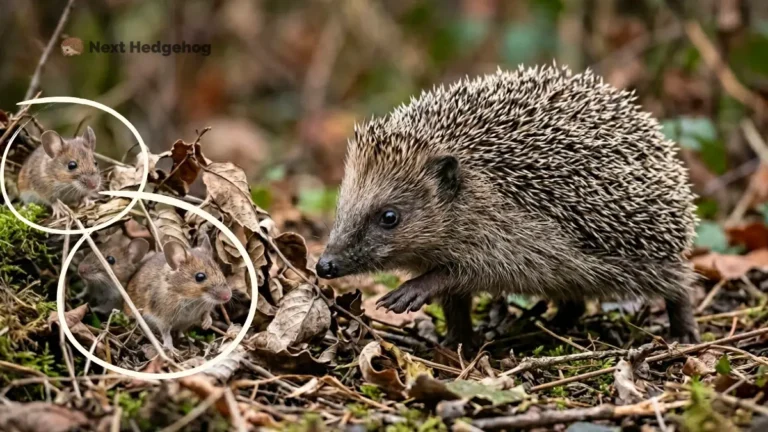
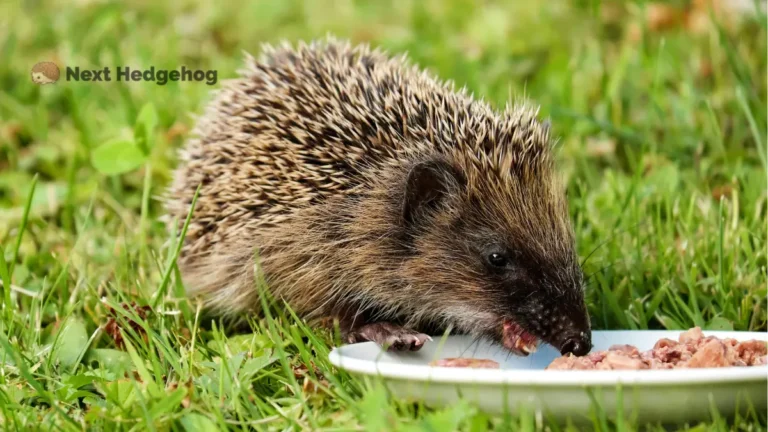
Wild hedgehogs are natural insect hunters. Their diet is broad, but insects are a major part. Hedgehogs are considered insectivores, but they are not strict — they eat a mix of foods.
| Food Type | Percentage of Diet | Examples |
|---|---|---|
| Insects & Invertebrates | 60-70% | Beetles, worms, caterpillars, grasshoppers, slugs |
| Plant Material | 10-20% | Berries, roots, mushrooms |
| Small Vertebrates | 5-10% | Frogs, eggs, small rodents |
| Other Foods | 5-10% | Bird eggs, carrion |
Grasshoppers are a natural prey for hedgehogs. In the wild, hedgehogs spend hours each night searching for insects like grasshoppers in gardens, fields, and forests.
Nutritional Value Of Grasshoppers
Grasshoppers are not only easy for hedgehogs to catch, but they also offer many nutrients.
Macronutrients
Grasshoppers are rich in protein and contain moderate amounts of fat. For example, 100 grams of grasshoppers provide about:
- 20 grams of protein
- 6 grams of fat
- 4 grams of carbohydrates
This high protein content supports muscle growth, energy, and tissue repair in hedgehogs. Most store-bought hedgehog foods try to copy this balance, but real insects like grasshoppers are closer to their wild diet.
Micronutrients
Grasshoppers supply important minerals and vitamins:
- Calcium (for bones)
- Iron (for blood health)
- Magnesium
- Zinc
- Vitamin B12
However, one common issue is the calcium-to-phosphorus ratio. Many insects, including grasshoppers, have more phosphorus than calcium. If a hedgehog eats too many phosphorus-rich insects without enough calcium, this can cause health problems over time.

Credit: heavenlyhedgies.com
Can Hedgehogs Eat Grasshoppers Safely?
The short answer: Yes, hedgehogs can eat grasshoppers. In fact, they are a natural and healthy treat when given properly. But there are important factors to consider for safety.
Health Benefits
Feeding grasshoppers can have several advantages:
- Natural enrichment: Chasing live insects stimulates a hedgehog’s hunting instincts.
- High-quality protein: Supports strong muscles, skin, and immune function.
- Digestive health: The chitin in grasshopper shells acts as fiber, helping digestion.
Potential Risks
There are some risks if you’re not careful:
- Pesticides and chemicals: Wild-caught grasshoppers may carry toxic chemicals from gardens or fields. These can harm or kill a hedgehog.
- Parasites and bacteria: Insects from outside may carry parasites or harmful bacteria.
- Choking hazard: Large or whole grasshoppers can be difficult for small hedgehogs to chew.
Most problems come from improper sourcing or overfeeding.
Safe Sourcing
For pet hedgehogs, use only commercially raised grasshoppers. These are bred specifically for reptiles and small mammals and are free from harmful chemicals. Never use grasshoppers caught from your yard or wild spaces.
| Source | Safety Level | Risks |
|---|---|---|
| Pet Store (Live or Dried) | High | Low risk if reputable seller |
| Wild-Caught | Low | Pesticides, parasites, disease |
| Online Insect Farms | High | Choose certified suppliers |
How To Feed Grasshoppers To Hedgehogs
Feeding grasshoppers is simple but requires some care.
Live Vs Dried
- Live grasshoppers: Offer the most enrichment but require supervision. Always choose the right size — avoid very large insects.
- Dried or freeze-dried grasshoppers: Convenient and safe, but less stimulating. They can be crumbled or broken into small pieces.
Preparation Steps
- Buy from reputable source: Use pet shops or insect farms.
- Check size: The grasshopper should not be larger than the hedgehog’s mouth.
- Remove legs/wings if needed: For small or young hedgehogs, remove hard parts to lower choking risk.
- Supervise feeding: Watch your hedgehog eat, especially with live insects.
Serving Frequency
Grasshoppers should be a treat, not the main diet. For most pet hedgehogs:
- Offer 1-2 grasshoppers, 2-3 times per week.
- Balance with high-quality hedgehog food, mealworms, and fruits.
Feeding too many insects can cause obesity or nutrient imbalance.
Mixing With Diet
Hedgehogs thrive on a varied diet. You can rotate grasshoppers with other safe insects like mealworms, crickets, or silkworms. Always provide fresh water.
Common Mistakes When Feeding Insects
Even well-meaning owners make mistakes. Here are some pitfalls to avoid:
- Feeding wild insects: Never give wild-caught insects due to unknown chemicals and parasites.
- Overfeeding: Too many insects can lead to weight gain and poor nutrition.
- Ignoring calcium: Insects have low calcium. Dust insects with calcium powder if your hedgehog’s main diet lacks it.
- Not watching for allergies: Some hedgehogs may react poorly to new foods. Start with a small amount and observe.
- Feeding spoiled or moldy insects: Always check dried insects for freshness.
Signs Of Problems After Eating Grasshoppers
Watch for these signs after giving grasshoppers:
- Vomiting or diarrhea
- Lack of energy
- Loss of appetite
- Difficulty swallowing
If you notice any of these, stop feeding grasshoppers and contact a veterinarian with exotic pet experience.
Alternatives To Grasshoppers
If you cannot find safe grasshoppers, there are other insects your hedgehog can enjoy.
Popular Insect Choices
| Insect Type | Protein (%) | Fat (%) | Notes |
|---|---|---|---|
| Mealworms | 20 | 13 | High fat, feed sparingly |
| Crickets | 18 | 6 | Widely available, easy to digest |
| Silkworms | 16 | 6 | Soft bodies, easy to eat |
| Waxworms | 15 | 21 | Very high fat, occasional treat only |
| Grasshoppers | 20 | 6 | Good balance, but watch for sources |
Mealworms and waxworms are popular but high in fat, so limit these. Crickets and silkworms are great alternatives to grasshoppers, offering similar benefits.
Non-obvious Insights Most Owners Miss
Many owners focus only on what hedgehogs like to eat, not what they need. Two key insights:
- Diversity is critical: No single insect provides all nutrients. Rotate different insects, fruits, and quality dry food.
- Gut-loading insects: Feed insects (like grasshoppers) with vegetables before giving them to your hedgehog. This boosts their nutrition.
Most pet shops do not gut-load insects. Doing this at home, even for one day, can make a real difference in your hedgehog’s vitamin intake.

Credit: homeandroost.co.uk
Expert Tips For Feeding Insects To Hedgehogs
- Start small: When giving grasshoppers for the first time, offer just a small piece and watch your hedgehog’s reaction.
- Calcium dusting: Lightly coat insects with a reptile calcium powder, especially if your pet eats mostly insects.
- Variety: Mix grasshoppers with crickets, mealworms, and high-quality hedgehog kibble.
- Safe handling: Always wash your hands before and after handling insects.
These simple steps can prevent health problems and keep your hedgehog happy.
When To Avoid Grasshoppers
Not every hedgehog should eat grasshoppers. Sometimes it’s better to skip them:
- If your hedgehog has allergies: Some hedgehogs develop food allergies. Signs include itching or digestive upset.
- If your pet is obese or diabetic: Insects are calorie-dense. Stick to lower-calorie treats.
- If you cannot source safe insects: Never risk wild-caught insects from unknown environments.
If in doubt, ask a vet with small animal or exotic experience before making changes to your hedgehog’s diet.

Credit: www.wildlifeonline.me.uk
Frequently Asked Questions
Can Baby Hedgehogs Eat Grasshoppers?
Baby hedgehogs (hoglets) can eat grasshoppers, but only small, soft-bodied ones. Remove hard parts like legs and wings. Offer tiny pieces and monitor closely to prevent choking.
How Many Grasshoppers Can I Give My Hedgehog Per Week?
For an adult hedgehog, 2 to 3 grasshoppers per week is safe. Always balance with other foods to prevent nutrient imbalance.
Are Dried Grasshoppers As Nutritious As Live Ones?
Dried grasshoppers lose some vitamins during processing but remain a good protein source. They are easier to store and serve. For enrichment, live grasshoppers are better, but both are acceptable if sourced safely.
What Should I Do If My Hedgehog Refuses To Eat Grasshoppers?
Not all hedgehogs like grasshoppers. Try offering a different insect or mixing a small piece with their usual food. If your hedgehog refuses all insects, check with a vet about their overall health.
Where Can I Buy Safe Grasshoppers For My Hedgehog?
Buy from pet stores specializing in reptiles or online insect farms. Look for suppliers with strong reviews and certifications. The Smithsonian Magazine provides guidance on finding safe insect suppliers: Smithsonian Magazine.
Hedgehogs can enjoy grasshoppers as part of a balanced diet when owners follow safety steps. By focusing on variety, proper sourcing, and attention to your pet’s individual needs, you can give your hedgehog a diet that is both natural and nourishing.
Always stay informed and observe your pet for the best results.