Can Hedgehogs Eat Bell Peppers? (and 4 Other Peepers)
If you’ve ever found yourself holding a colorful bell pepper and wondering whether it’s a safe snack for your prickly little companion, you’re not alone. Hedgehog owners often get curious about adding variety to their pet’s diet, especially when it comes to fresh vegetables that are packed with nutrients.
Among these, bell peppers stand out for their vibrant colors, crunch, and vitamin-rich profile—but are they actually suitable for hedgehogs?
Understanding what hedgehogs can and cannot eat is essential for their long-term health. These small insectivores have fairly specific dietary needs, and while they can enjoy occasional plant-based treats, not all fruits and vegetables are equally safe or beneficial.
That’s why bell peppers often spark debate among pet owners.
In this guide, we’ll break down whether hedgehogs can eat bell peppers, what benefits or risks they may bring, and how (or if) you should include them in your hedgehog’s diet.
What is Bell Pepper?
Bell pepper is a type of edible fruit from the plant species Capsicum annuum, commonly used as a vegetable in cooking. It is also known as sweet pepper or capsicum in many countries.
Unlike chili peppers, bell peppers do not contain capsaicin, the compound responsible for heat and spiciness, which makes them mild and safe for most people and many animals in small amounts.
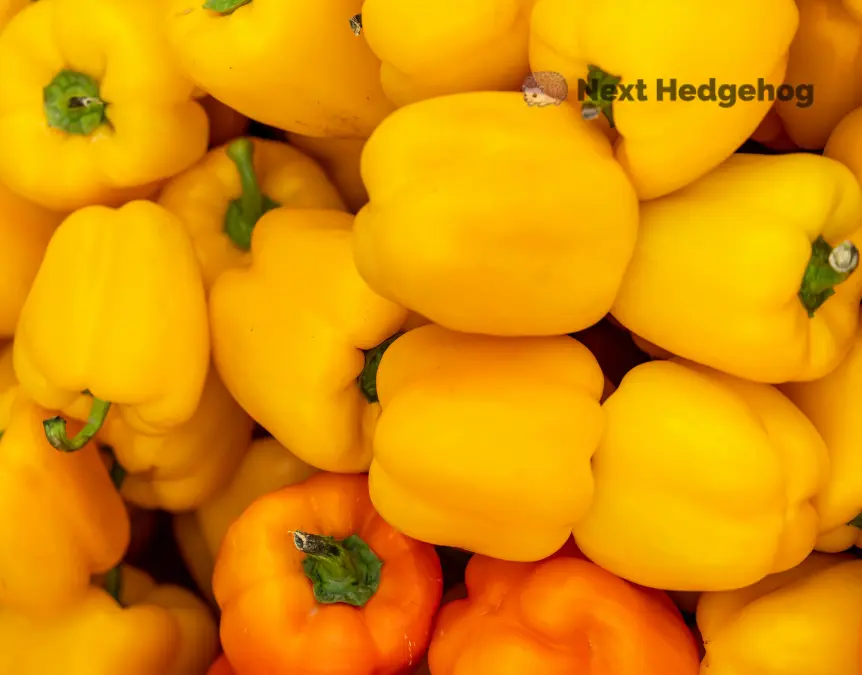
Bell peppers come in a variety of colors such as green, red, yellow, and orange. These colors are not different species but rather different stages of ripeness. For example, green bell peppers are harvested earlier, while red ones are fully ripened and generally sweeter and more nutrient-dense.
They are rich in essential nutrients like vitamin C, vitamin A, antioxidants, and dietary fiber, making them a popular choice in healthy diets. Because of their crunchy texture and mild taste, bell peppers are often included in salads, stir-fries, and cooked dishes around the world.
In the context of pet care, especially for small animals like hedgehogs, bell peppers are often discussed as a potential occasional treat due to their low calorie content and nutrient profile.
Different Types of Bell Pepper
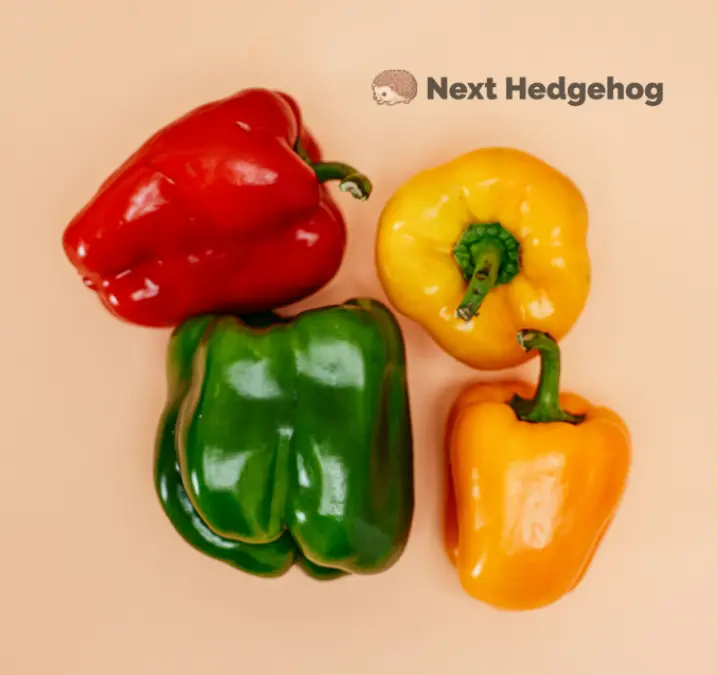
Bell peppers come in several different types, mainly distinguished by their color, flavor, and stage of ripeness. Although they all belong to the same plant species (Capsicum annuum), each type has slightly different nutritional qualities and taste profiles.
Green Bell Pepper
Green bell peppers are the least ripe version. They have a slightly bitter and more earthy taste compared to other types. Because they are harvested early, they contain slightly fewer natural sugars and are less sweet. However, they are still rich in vitamin C and fiber.
Red Bell Pepper
Red bell peppers are fully ripened green peppers. They are the sweetest variety and contain the highest levels of nutrients, especially vitamin A, vitamin C, and antioxidants like beta-carotene. Their bright color and mild sweetness make them the most popular type for both humans and occasionally pets in tiny amounts.
Yellow Bell Pepper
Yellow bell peppers fall between green and red in terms of ripeness. They have a mild, slightly sweet flavor and are rich in vitamin C. They are often considered gentler on digestion compared to green peppers.
Orange Bell Pepper
Orange bell peppers are similar to yellow ones but slightly sweeter and richer in certain antioxidants. They are fully ripe and provide a good balance of flavor and nutrition.
Purple Bell Pepper (Less Common)
Purple bell peppers are less common and have a slightly more bitter taste. They are often harvested before full ripeness, and while visually striking, they are not as sweet or nutrient-rich as red, yellow, or orange varieties.
Understanding these types is useful when considering bell peppers for hedgehogs, as ripeness and sugar content can influence how suitable they are as an occasional treat.
Is Bell Pepper Safe for Hedgehogs?
Bell peppers are generally considered safe for hedgehogs in small, occasional amounts, but they are not a necessary part of their diet.
Hedgehogs are primarily insectivores, which means their main nutrition should come from high-protein foods like insects and specially formulated hedgehog or cat food. Fruits and vegetables, including bell peppers, are only supplementary treats and should be given carefully.
Bell peppers (especially red, yellow, and orange varieties) are non-toxic to hedgehogs and do not contain harmful compounds like capsaicin (the spicy chemical found in chili peppers). This makes them much safer than many other vegetables that might upset a hedgehog’s digestion.
However, there are a few important considerations:
- Sugar content: Riper bell peppers (like red ones) contain more natural sugars, which should be limited in a hedgehog’s diet.
- Digestive sensitivity: Hedgehogs have sensitive stomachs, and too many vegetables can cause diarrhea or discomfort.
- Portion size matters: Even safe foods can become harmful if given in large amounts or too frequently.
Nutritional Value of Bell Pepper
Bell peppers are often praised for being low in calories but rich in essential vitamins and antioxidants. While they are not a staple food for hedgehogs, understanding their nutritional profile helps pet owners decide whether they are suitable as an occasional treat.
Their high water content, vitamins, and fiber make them a nutrient-dense vegetable for humans—and potentially a light, safe snack in very small amounts for hedgehogs.
Below is a simple breakdown of the nutritional value of bell peppers per 100 grams:
| Nutrient | Amount (per 100g) | Benefit |
|---|---|---|
| Calories | ~20 kcal | Very low-calorie food, helps prevent weight gain |
| Water | ~92% | Helps with hydration |
| Carbohydrates | ~4.6 g | Provides small amount of energy |
| Sugars | ~2.4 g | Natural sugars, higher in red/yellow peppers |
| Fiber | ~1.7 g | Supports digestion (in small amounts for hedgehogs) |
| Protein | ~0.9 g | Minimal protein content |
| Fat | ~0.2 g | Extremely low fat |
| Vitamin C | ~80–120 mg | Strong antioxidant, supports immunity |
| Vitamin A (Beta-carotene) | High (especially red peppers) | Supports eye and skin health |
| Vitamin B6 | ~0.3 mg | Supports metabolism and nervous system |
| Potassium | ~200 mg | Helps with muscle and nerve function |
| Antioxidants | High | Helps reduce oxidative stress |
Benefits of Feeding Bell Pepper to Hedgehogs
Bell peppers are not a core part of a hedgehog’s diet, but when offered occasionally and in very small amounts, they can provide a few mild nutritional benefits. Because hedgehogs are primarily insectivores, these benefits are secondary—but still worth understanding for safe treat variety.
Follow the below part to understand key benefits of bell pepper for hedgehogs:
- Rich in Vitamin C (immune support): Bell peppers contain a good amount of vitamin C, which acts as an antioxidant. While hedgehogs can produce their own vitamin C, small dietary sources may still offer extra support for overall health.
- Low in calories and fat: Bell peppers are extremely low in calories and fat, making them a light treat that is unlikely to contribute to obesity when given occasionally.
- High water content (hydration support): With over 90% water content, bell peppers can help contribute to hydration, especially in warmer climates or for hedgehogs that drink less water.
- Contains antioxidants: The antioxidants in bell peppers (especially red and yellow varieties) may help reduce oxidative stress and support general cellular health.
- Adds dietary variety: Offering a small piece of bell pepper occasionally can add variety to a hedgehog’s diet, which may help with enrichment and prevent food boredom.
- Mild and non-spicy: Unlike chili peppers, bell peppers contain no capsaicin, making them safe and non-irritating for hedgehogs when given in proper portions.
Even though these benefits exist, bell peppers should always be treated as an occasional snack—not a regular food—since hedgehogs thrive best on a protein-focused diet.
Risks Factors of Overfeeding Bell Pepper
Even though bell peppers are non-toxic and generally safe for hedgehogs in small amounts, overfeeding can lead to several health issues. Because hedgehogs have sensitive digestive systems and very specific dietary needs, too much of even a “safe” food can cause problems.
Risks of overfeeding bell pepper to hedgehogs:
- Digestive upset (diarrhea or soft stools): Bell peppers contain fiber and a high water content. In excess, this can disrupt a hedgehog’s digestion and lead to loose stools or stomach discomfort.
- Nutritional imbalance: Hedgehogs require a diet high in protein and low in sugar and plant matter. Overfeeding bell peppers can reduce the intake of essential protein sources like insects and high-quality kibble.
- Excess natural sugar intake: Especially in red, yellow, and orange bell peppers, higher sugar levels can become problematic if consumed too often, potentially contributing to weight gain or metabolic stress over time.
- Reduced appetite for core diet: If hedgehogs get used to sweet or watery vegetables, they may become picky and refuse their main protein-based foods.
- Potential bloating or gas: Some hedgehogs may experience mild bloating or discomfort if they consume too many fibrous vegetables at once.
- Overhydration-related stool issues: The high water content in bell peppers can sometimes make stools overly soft if fed in large amounts.
Hedgehogs Bell Pepper Feeding Guide
Feeding bell pepper to hedgehogs is not complicated, but it does require careful control because their digestive system is built for protein-rich foods, not vegetables. The goal is not to “add nutrition” in large amounts, but to offer a safe, occasional enrichment treat without disturbing their core diet balance.
Choose the Right Type and Ripeness
All bell pepper colors are technically safe, but selection matters. Green bell peppers are less sweet and slightly easier on digestion, while red, yellow, and orange varieties contain more natural sugars and antioxidants.
From an expert feeding perspective, milder peppers (green or yellow) are generally safer for first introductions, especially for hedgehogs that have never eaten vegetables before.
Preparation is Non-Negotiable
Raw feeding must always be clean and simple. The bell pepper should be thoroughly washed to remove pesticide residues, then fully deseeded and de-stemmed. Seeds and internal membranes are not toxic but are unnecessary and can be harder to digest.
The flesh should be cut into very small, soft, bite-sized pieces to prevent choking and reduce digestive workload.
Portion Control is Critical
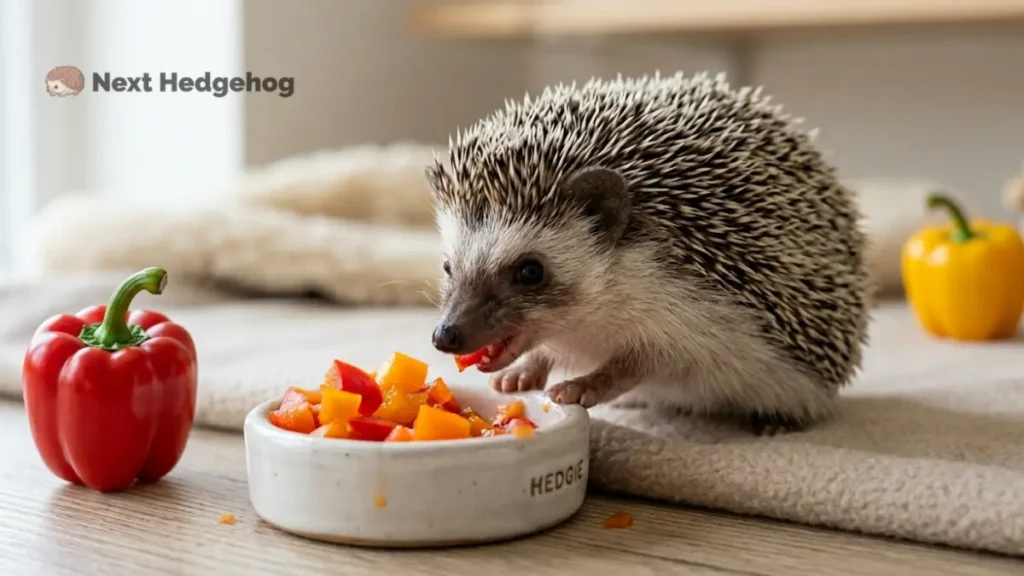
This is where most mistakes happen. A hedgehog’s stomach is extremely small, so even “healthy foods” can become harmful in excess. A safe portion is typically a piece no larger than a fingernail, offered as a standalone treat—not mixed into a large serving. Overfeeding even small vegetables can quickly shift gut balance and cause loose stools.
Feeding Frequency Should Stay Minimal
Bell pepper should never become a routine food. In a well-managed hedgehog diet, it should be limited to once a week at most, and in many cases even less frequently. The core diet must always remain high-protein (insects and formulated kibble), and vegetables should never replace that foundation.
Monitor Individual Tolerance
Hedgehogs vary significantly in digestive sensitivity. After the first introduction, careful observation is important for 24–48 hours. Signs like soft stool, reduced appetite, or mild bloating indicate that the vegetable is not well tolerated and should be removed from the diet completely.
Use as Enrichment, Not Nutrition
From an expert standpoint, bell pepper is best treated as sensory enrichment rather than a dietary necessity. The crunch, smell, and occasional taste variety can stimulate interest, but it should never be relied upon for vitamins or hydration.
Feeding Frequency Guidelines: By Age & Amount
Feeding frequency for bell pepper should always be adjusted based on a hedgehog’s age, size, and digestive maturity. Younger hedgehogs have more sensitive systems, while adults can tolerate slightly more variety—but in all cases, bell pepper remains an occasional treat, not a dietary staple.
Below is a practical expert guideline to help you understand safe frequency and portion control by age:
| Age Group | Recommended Frequency | Safe Amount | Notes |
|---|---|---|---|
| Baby Hedgehogs (0–8 weeks) | Not recommended | None | Their digestive system is still developing; stick to milk/formula and approved starter foods only. |
| Juveniles (2–4 months) | Very rarely (if at all) | Tiny crumb-sized piece | Only after stable diet is established; vegetables are generally unnecessary at this stage. |
| Young Adults (4–12 months) | 1 time per 10–14 days | 1 very small piece (fingernail size) | Introduce only if they tolerate core foods well; monitor stool closely. |
| Adult Hedgehogs (1–4 years) | 1 time per week (max) | 1–2 small pieces | Can handle slightly more variety, but protein should remain dominant. |
| Senior Hedgehogs (4+ years) | 1 time per 10–14 days | 1 small soft piece | Digestive sensitivity may increase with age; softer, smaller portions preferred. |
Alternative Items You Can Offer
If you’re replacing bell pepper as an occasional crunchy, watery, low-calorie treat, these options are closer in profile and safer for enrichment feeding.
- Cucumber (fresh, peeled, small piece): Very high in water and extremely low in sugar. It works as a light hydration snack, similar to bell pepper, but even milder.
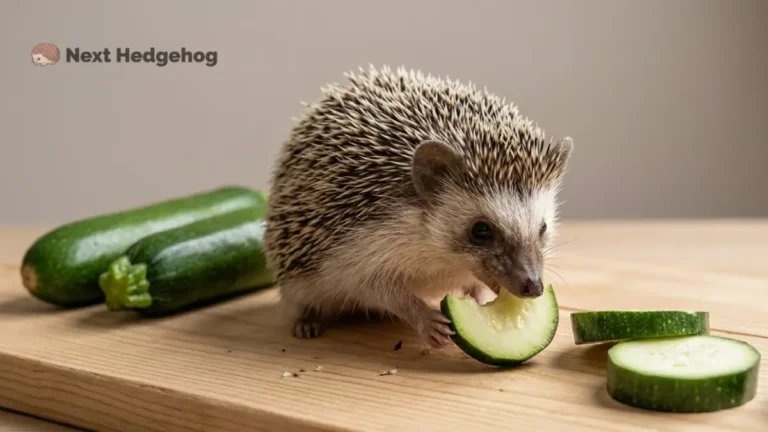
- Zucchini (raw or lightly steamed): Soft, low in sugar, and easy to digest when given in tiny amounts. A good alternative for variety without stressing digestion.
- Carrot (very small, finely grated or soft-boiled): Slightly sweeter than bell pepper, but still safe in moderation. Best used sparingly due to higher natural sugar content.
- Apple (tiny peeled piece, seedless): A mild fruit option with similar “occasional treat” value. Should be very limited due to sugar, but useful for rare variety.
- Green beans (plain, cooked): Low-calorie and gentle on the stomach. A decent substitute for crunchy vegetable texture when offered in small portions.