Do Hedgehogs Have Whiskers? Answer Will Surprise You!
Yes, hedgehogs do have whiskers. While most people notice their sharp spines first, whiskers are another important feature that helps these small mammals explore the world around them.
Hedgehog whiskers are highly sensitive hairs located around the face. They help hedgehogs detect objects, navigate in the dark, find food, and move safely through tight spaces.
Since hedgehogs are mainly active at night and have relatively poor eyesight, their whiskers play a major role in everyday life.
In this guide, you’ll learn everything about hedgehog whiskers, including their purpose, how they work, common whisker problems, and fascinating facts that most people don’t know.
What Are Hedgehog Whiskers?
Hedgehog whiskers are long, specialized hairs that grow mainly around the nose, cheeks, and mouth. These whiskers, also known as vibrissae, are much thicker and more sensitive than regular fur.

They are connected to nerve-rich follicles that allow hedgehogs to detect movement, nearby objects, and changes in their surroundings.
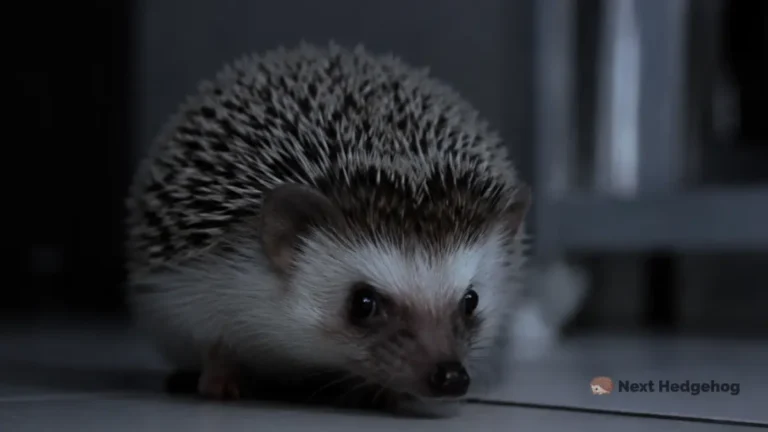
Because hedgehogs are nocturnal animals, they rely heavily on their whiskers when exploring at night. The whiskers act like natural sensors, helping them navigate through dark environments where their eyesight is less effective.
By brushing against objects, whiskers provide important information about space, distance, and obstacles.
Unlike the sharp spines that protect a hedgehog from predators, whiskers serve a sensory function. They help the animal locate food, move through narrow spaces, and better understand its environment. This makes whiskers an essential part of a hedgehog’s daily life and survival.
Read Also: Do Hedgehogs Carry Rabies
What Do Hedgehog Whiskers Look Like?
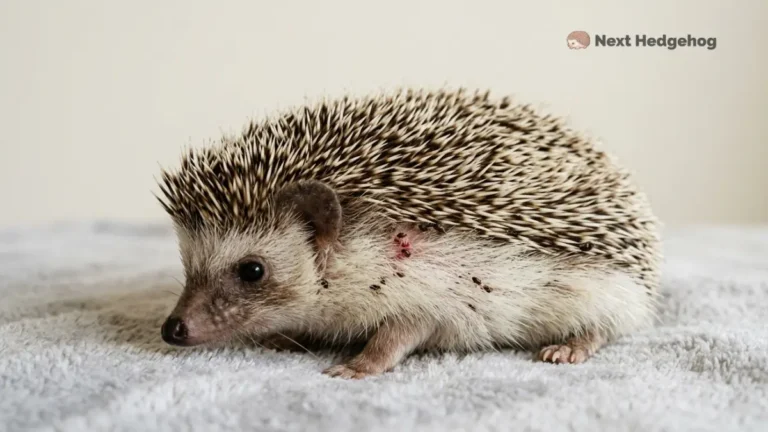
Hedgehog whiskers are long, thin, and slightly stiff hairs that stand out from the shorter fur on their face. They are most noticeable around the nose, cheeks, and mouth, where they extend outward to help the hedgehog sense its surroundings.
Most whiskers are darker than the surrounding fur, although their color can vary depending on the hedgehog’s coat. They are usually thicker at the base and taper to a fine point, making them highly effective at detecting even small touches or movements.
At first glance, hedgehog whiskers may look similar to those of a cat, but they are generally shorter and less prominent. Unlike the animal’s spines, which are thick, sharp, and used for protection, whiskers are flexible sensory hairs designed to gather information about the environment.
Why Do Hedgehogs Have Whiskers?
Hedgehogs have whiskers because they need a reliable way to sense their environment. These animals are mostly active at night and often move through dark, tight, or complex spaces.
Since their eyesight is not very strong, whiskers help fill that gap. They work like natural sensors that guide movement, detect danger, and support hunting.
- Navigation in the dark: Hedgehogs use whiskers to move safely at night when visibility is very low. The whiskers pick up tiny touches and help them avoid getting lost or stuck.
- Detecting obstacles and boundaries: Whiskers help hedgehogs feel walls, rocks, plants, and other objects before their body makes contact. This prevents injuries and helps smooth movement in tight areas.
- Finding and identifying food: When searching for insects, worms, or other small food, whiskers help detect movement and nearby prey. They also help confirm if an object is edible or not.
- Measuring gaps and tight spaces: Hedgehogs rely on whiskers to judge whether they can pass through holes, burrows, or narrow paths. This helps them avoid getting trapped.
- Enhancing spatial awareness: Whiskers constantly send signals to the brain about surroundings. This builds a mental map of the environment and improves overall coordination.
- Supporting predator avoidance: By sensing sudden changes or movements nearby, whiskers help hedgehogs react quickly to potential threats.
- Assisting exploration behavior: When hedgehogs explore new areas, whiskers act as the first line of contact, helping them safely investigate unknown objects and spaces.
How Hedgehogs Use Their Whiskers
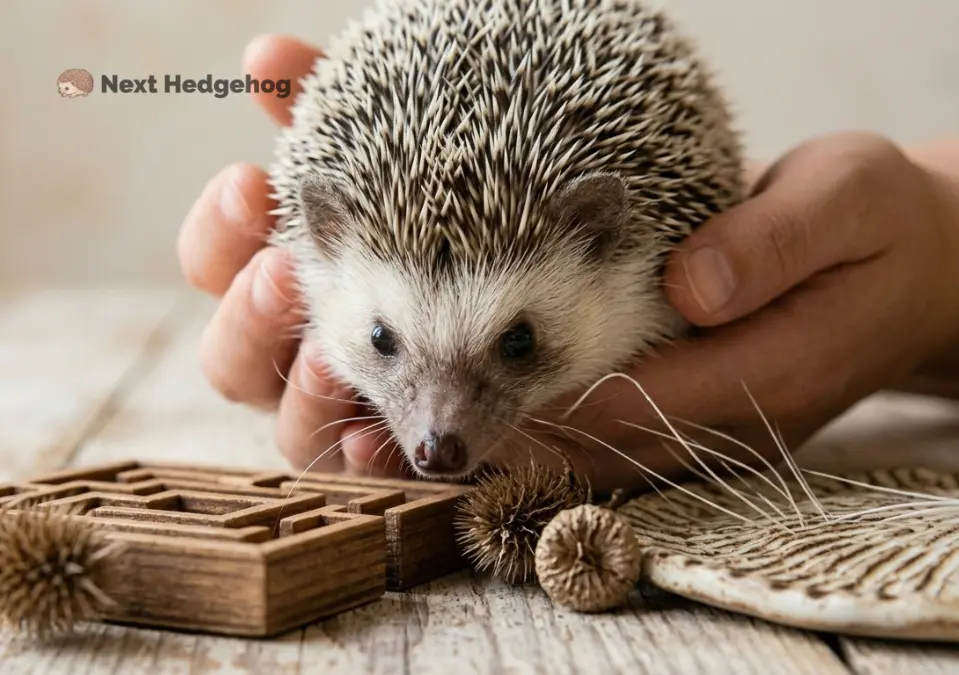
Hedgehogs rely on their whiskers as important sensory tools in daily life. Since they are active mostly at night and often move through dark or hidden spaces, whiskers help them understand their surroundings in real time.
These sensitive hairs constantly send signals to the brain, allowing hedgehogs to react quickly and safely to what is around them.
Nighttime Foraging
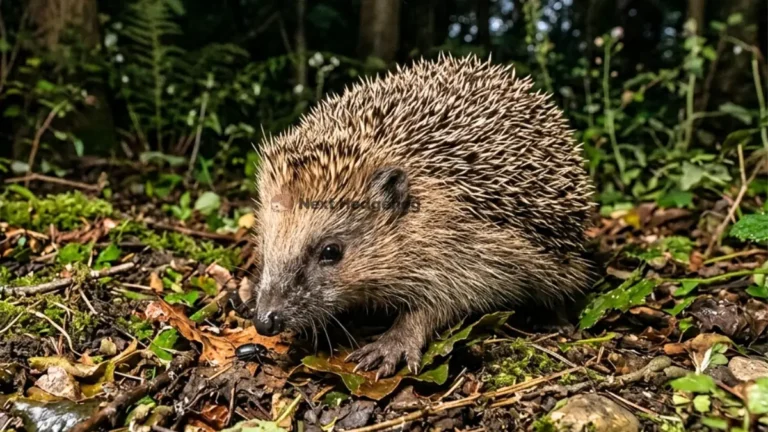
At night, hedgehogs search for food such as insects, worms, and small invertebrates. Their whiskers help detect slight movements in the soil or grass.
When something brushes against the whiskers, the hedgehog can quickly investigate and decide whether it is food. This makes hunting more accurate even in complete darkness.
Exploring Burrows and Tight Spaces
Hedgehogs often enter narrow spaces like burrows, leaf piles, or dense vegetation. Whiskers help them judge whether they can pass through safely.
By touching the sides of gaps, whiskers give instant feedback about space and distance, helping prevent them from getting stuck.
Avoiding Predators
Whiskers also help hedgehogs sense sudden movements nearby. If something approaches quickly, the whiskers pick up vibrations and physical changes in the air or surface. This early warning system allows hedgehogs to curl into a defensive ball or escape.
Navigating in Complete Darkness
In very low light or total darkness, hedgehogs depend heavily on whiskers instead of vision. The whiskers act like a guiding system, helping them map their surroundings step by step. This allows smooth movement without relying on sight.
Object Recognition and Environment Mapping
When hedgehogs explore new areas, whiskers help them identify objects by touch. Over time, this builds a mental map of their environment. This improves memory of safe routes, food spots, and shelter locations.
Are Hedgehog Whiskers Sensitive?
Yes, hedgehog whiskers are highly sensitive. They are not just simple hairs but specialized sensory tools connected to nerve-rich follicles.
Each whisker can detect even the slightest touch, vibration, or change in air movement. This sensitivity helps hedgehogs gather important information about their surroundings without needing to see clearly.
Because hedgehogs are nocturnal, this sensitivity is essential for survival. In low light or complete darkness, their whiskers act like an advanced sensing system.
When a whisker brushes against an object, it sends instant signals to the brain. This allows the hedgehog to quickly understand what is around it and respond appropriately.
The sensitivity of whiskers also helps hedgehogs avoid danger. They can detect obstacles, tight spaces, and even potential predators before making physical contact.
This reduces the risk of injury and improves their ability to move safely in unfamiliar environments.
Can Hedgehogs See Without Their Whiskers?
Hedgehogs can still see without their whiskers, but their ability to navigate and interact with their environment becomes much harder.
Their vision is naturally limited, especially in low light, which is when they are most active. Whiskers help fill this gap by providing touch-based information that eyesight alone cannot deliver.
Without whiskers, a hedgehog would rely more heavily on its eyes and sense of smell. However, this is not enough for precise movement in dark or tight spaces.
They may struggle to judge distances, detect obstacles, or move confidently through unfamiliar areas. This can lead to more hesitation, bumping into objects, or difficulty finding food.
Whiskers do not replace vision, but they work alongside it. When both senses are functioning together, hedgehogs can move more safely and efficiently.
Vision helps them detect general shapes and light, while whiskers provide close-range detail and confirmation.
Do Baby Hedgehogs Have Whiskers?
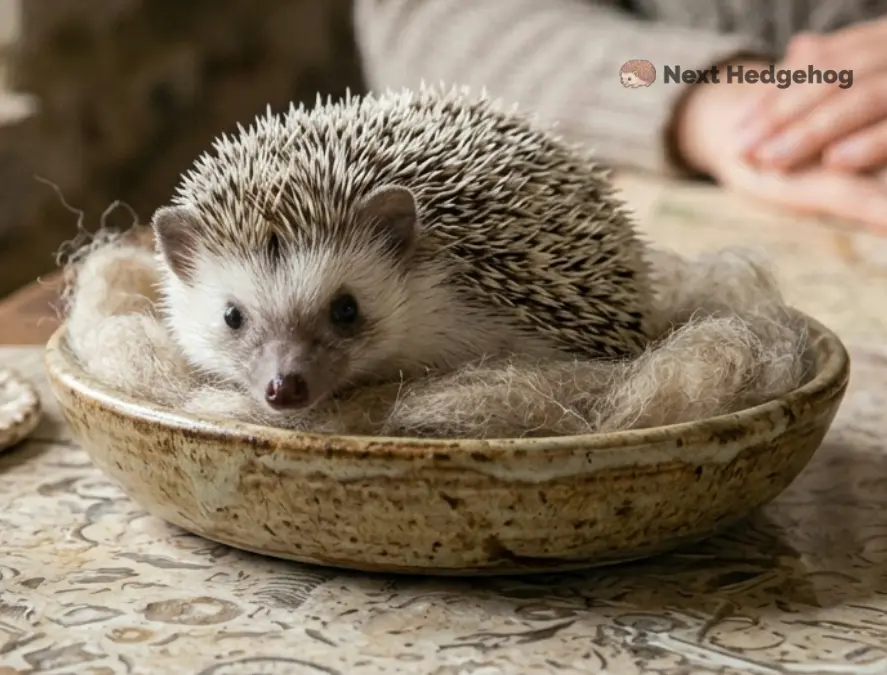
Yes, baby hedgehogs are born with whiskers. Even at a very early stage of life, these small sensory hairs are already present and functional.
Although they may look short and less noticeable compared to adult hedgehogs, they still play an important role from the beginning.
Newborn hedgehogs, also called hoglets, rely heavily on touch because their eyes and ears are not fully developed at birth. Their whiskers help them sense their mother, stay close to the nest, and feel their surroundings. This early sensory support is important for safety and survival.
As baby hedgehogs grow, their whiskers become longer and more noticeable. They gradually improve in sensitivity, helping the young hedgehog explore outside the nest, find food, and learn how to move through different environments.
Can Hedgehog Whiskers Grow Back?
Yes, hedgehog whiskers can grow back naturally. They are part of the normal hair cycle, so shedding and regrowth happens over time. The speed and quality of regrowth can vary depending on the hedgehog’s age and health.
| Age Stage | Whisker Growth Behavior | Regrowth Speed | Key Notes |
|---|---|---|---|
| Baby hedgehogs (hoglets) | Whiskers develop rapidly as part of early growth | Fast | Whiskers are actively forming and are replaced quickly if lost |
| Adult hedgehogs | Whiskers follow a normal shedding and regrowth cycle | Moderate | Regrowth depends on diet, health, and environment |
| Senior hedgehogs | Whisker growth may slow down with age | Slow | Whiskers may appear thinner or take longer to replace |
Is It Safe to Trim a Hedgehog’s Whiskers?
No, it is not safe to trim a hedgehog’s whiskers. Whiskers are not just regular hairs. They are important sensory tools that help hedgehogs understand their surroundings.
Cutting them can affect how they move, explore, and respond to their environment.
Hedgehogs use their whiskers to detect obstacles, measure space, and navigate in low light. If the whiskers are trimmed, the hedgehog may become confused or less confident when moving around. This can lead to bumping into objects, difficulty finding food, and stress in unfamiliar areas.
Trimming whiskers does not cause pain because the whisker itself has no nerve endings. However, the follicles at the base are connected to sensitive nerves.
More importantly, removing whiskers removes a key sense of environmental awareness. This can impact the hedgehog’s natural behavior and safety.
For these reasons, whiskers should always be left untouched. Proper care of a hedgehog focuses on providing a safe environment, good nutrition, and regular health monitoring rather than altering natural features like whiskers.
Read Also: Do Hedgehogs Have Ears
Common Problems Affecting Hedgehog Whiskers
Hedgehog whiskers are usually strong and healthy, but they can sometimes be affected by health, environment, or handling issues.
Since whiskers play an important sensory role, any damage or loss can temporarily impact how a hedgehog moves and explores. Most problems are not serious, but they should still be monitored.
Broken or Bent Whiskers
Broken or bent whiskers are common and usually happen due to rough contact with objects, cage accessories, or accidental handling.
In most cases, this is not dangerous. The whiskers will naturally regrow over time, but the hedgehog may be slightly less confident while navigating until new whiskers replace them.
Whisker Loss
Occasional whisker loss is normal as part of the natural shedding cycle. However, excessive loss can sometimes be linked to stress, poor diet, or underlying health issues.
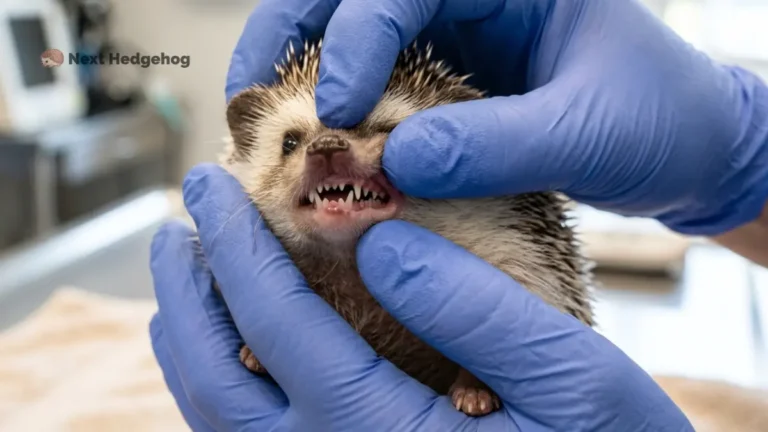
If many whiskers fall out at once or do not regrow, it may indicate that the hedgehog needs better care or veterinary attention.
Skin Irritation Around Whisker Follicles
The skin around whisker follicles can sometimes become irritated due to dryness, parasites, or infections. This may cause discomfort and may affect whisker growth.
In such cases, the hedgehog might show signs of scratching, reduced grooming, or sensitivity around the face.
Environmental Damage
Unsafe cage setups, sharp edges, or overly cluttered spaces can lead to whisker damage. When whiskers repeatedly brush against harsh surfaces, they can weaken or break. A safe and clean environment helps prevent this type of problem.
Slow or Irregular Regrowth
In some cases, whiskers may grow back slowly or unevenly. This can be influenced by age, nutrition, or general health. Balanced diet and proper care usually support normal regrowth, while persistent issues may require a vet check.
Interesting Facts About Hedgehog Whiskers
Hedgehog whiskers may look simple, but they are full of surprising functions and hidden abilities. These small sensory hairs play a big role in how hedgehogs experience the world, especially at night.
Here are some interesting facts that show just how important they really are.
- Whiskers act like natural radar: Hedgehog whiskers constantly detect nearby objects and send signals to the brain. This helps them “map” their surroundings without needing to see clearly.
- They are more sensitive than regular fur: Whiskers are deeply connected to nerve endings, making them far more sensitive than normal hairs on the body.
- They help in total darkness: Hedgehogs are nocturnal, and their whiskers allow them to move confidently even when there is no light at all.
- Each whisker has a specific role: Different whiskers around the face help detect objects at slightly different angles, improving spatial awareness.
- Whiskers can detect tiny vibrations: Even small movements in air or ground can be picked up by whiskers, helping hedgehogs sense prey or danger early.
- They work with smell and hearing: Whiskers do not work alone. They combine with strong smell and hearing senses to give a complete understanding of the environment.
- Whiskers are constantly updating information: As a hedgehog moves, its whiskers continuously send new data, helping it adjust direction in real time.
FAQs and Answers
Here are some quick answers to the most common questions about hedgehog whiskers. These will help you better understand how they work and why they matter.
Do hedgehogs really have whiskers?
Yes, hedgehogs have whiskers. They are located around the nose, mouth, and cheeks and help them sense their surroundings.
What are hedgehog whiskers used for?
They are used for navigation, finding food, detecting obstacles, and moving safely in the dark.
Can hedgehog whiskers fall out?
Yes, whiskers can fall out naturally as part of the normal growth cycle. They usually grow back over time.
Do hedgehog whiskers grow back if cut or lost?
Yes, they can grow back, but trimming is not recommended because it affects their ability to sense the environment.
Are hedgehog whiskers important for survival?
Yes, they are very important because hedgehogs rely on them heavily due to their limited vision.
Can I touch my hedgehog’s whiskers?
Light touch is not harmful, but frequent handling should be avoided since whiskers are sensitive sensory tools.