Can Hedgehogs Eat Earthworms: Safe Feeding Guide for Pet Owners
Can Hedgehogs Eat Earthworms?
=============================
Hedgehogs have become popular pets, thanks to their cute appearance and gentle nature. But caring for a hedgehog means understanding their natural diet, especially if you want them to thrive in your home. One common question is whether hedgehogs can eat earthworms.
After all, many wild hedgehogs dig for insects and worms. The answer is more complex than a simple yes or no. To keep your hedgehog healthy, you need to know the benefits, potential risks, and best practices for feeding earthworms.
Learning how to safely offer this natural treat can help you mimic your pet’s wild diet and provide extra enrichment. But, making the wrong choice or skipping safety steps could put your hedgehog at risk. Let’s look deeper into what you should consider.
Hedgehog Diet In The Wild Vs. Captivity
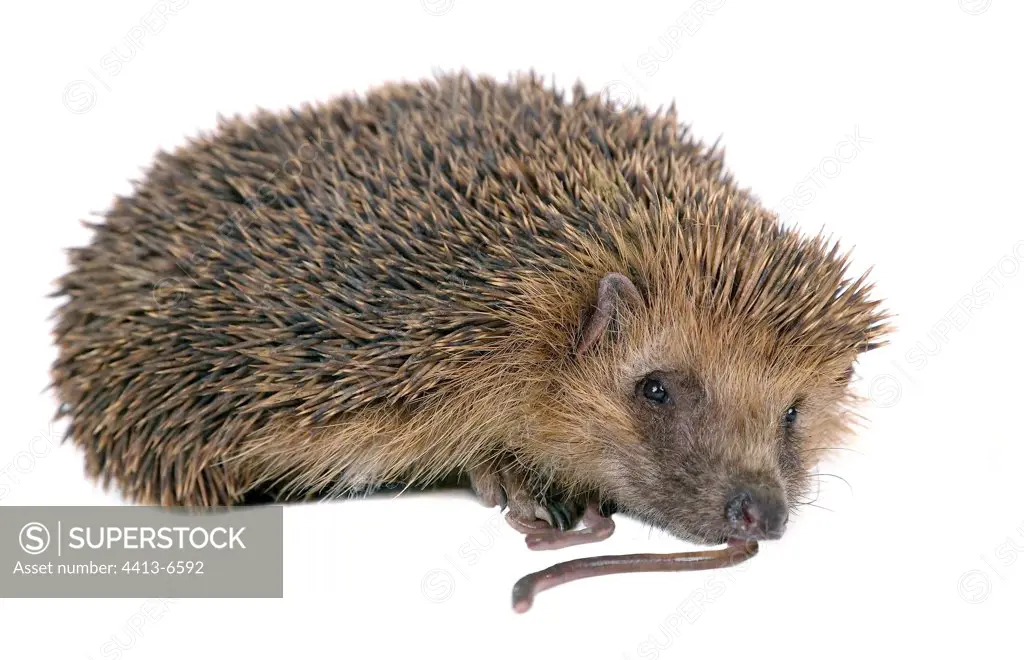
Wild hedgehogs are insectivores. Their diet is rich in insects, worms, and small invertebrates. They eat beetles, caterpillars, slugs, snails, and yes—earthworms. This protein-rich diet gives them the energy and nutrients they need. In the wild, hedgehogs are opportunistic feeders, meaning they eat what they find.
They often spend hours foraging at night, using their strong sense of smell to hunt for hidden prey under leaves and soil. Sometimes, they even eat small vertebrates or eggs if available, showing just how varied their natural menu can be.
In captivity, however, things change. Most pet hedgehogs are African pygmy hedgehogs, and their diet often includes high-quality commercial hedgehog food, insects (like mealworms and crickets), and some fruits or vegetables. Owners must balance nutrition, convenience, and safety, since captive environments are controlled and the risks of certain foods increase.
For example, while wild hedgehogs might handle a wider range of potential pathogens, pet hedgehogs can get sick more easily because they do not build the same natural immunity. Also, captive hedgehogs don’t get as much exercise, so their diet needs careful control to prevent obesity and digestive issues.
Nutritional Value Of Earthworms
Earthworms are a natural source of protein and moisture. For hedgehogs, they offer several nutrients:
- Protein: Earthworms contain about 60-70% protein (dry weight), which supports muscle growth and repair. Protein is also important for skin and quill health, especially during periods of growth or after injury.
- Fat: They are low in fat, which is good because captive hedgehogs are prone to obesity. Too much dietary fat can quickly lead to unhealthy weight gain and related illnesses in small pets.
- Calcium: Earthworms have a calcium-to-phosphorus ratio close to 1:1, which is suitable for hedgehog diets. Calcium is essential to prevent metabolic bone disease, a common issue in captive insectivores if their diet is unbalanced.
- Moisture: Live worms provide hydration, especially helpful for hedgehogs who do not drink enough water. This is particularly important in dry indoor environments.
Here’s a quick comparison between earthworms and mealworms, another popular insect food:
| Nutrient | Earthworms | Mealworms |
|---|---|---|
| Protein (dry weight) | 60–70% | 47–50% |
| Fat (dry weight) | 7–10% | 30–32% |
| Calcium:Phosphorus | ~1:1 | 1:14 |
| Moisture | 80–85% | 62–65% |
This table shows earthworms are a leaner, more balanced insect choice compared to mealworms. Many owners are surprised that mealworms, though popular, can contribute to obesity and even metabolic problems if fed too often. With earthworms, you get more protein and better mineral balance, which supports long-term health.

Credit: dorsethedgehogrescue.org
Benefits Of Feeding Earthworms To Hedgehogs
Feeding earthworms to pet hedgehogs can be beneficial if done safely:
- Natural food source: Earthworms mimic the natural diet of wild hedgehogs, helping your pet express their instinctive hunting behaviors.
- Good protein and calcium: Excellent for muscle and bone health. Especially helpful for juveniles and breeding females that need extra nutrition.
- Hydration: High moisture content supports kidney and urinary health. This is a hidden benefit for hedgehogs that tend to drink less water, which can happen in some individuals.
- Mental stimulation: Chasing and catching live worms offers enrichment and exercise. Active foraging can help prevent boredom and related stress behaviors, like pacing or biting.
- Low risk of obesity: Leaner than fatty insects, helping control weight. This makes earthworms a safer treat for overweight hedgehogs or those with a history of metabolic issues.
A less obvious benefit is that earthworms, due to their wiggly movement, can encourage a picky eater to try new foods. Some hedgehogs that refuse commercial diets may show interest when presented with live, moving food.
However, not all worms are safe, and there are risks to consider.
Risks And Dangers: What Owners Must Know
Hedgehogs can eat earthworms, but there are important dangers:
Parasites And Pathogens
Wild earthworms may carry harmful parasites and bacteria, such as:
- Roundworms
- Tapeworms
- Salmonella
These can cause illness in hedgehogs. Signs include diarrhea, weight loss, and lethargy. Captive-bred, commercially raised worms are much safer. Even a single wild-caught worm can introduce a parasite that quickly spreads in your pet’s body. Sometimes, the effects are not obvious right away, making early detection difficult.
Owners should never assume all worms are safe, even if they look clean.
Pesticides And Toxins
Earthworms from gardens or outdoor soil may have pesticide residues or fertilizer chemicals. These substances can be fatal to small animals. Never feed worms collected from treated lawns, farms, or unknown areas. Even organic gardens can have natural pesticides or fertilizers that are dangerous to hedgehogs. It’s also possible for earthworms to absorb heavy metals from contaminated soil, which can accumulate in your pet’s body over time.
Choking Hazard
Large worms can pose a choking risk, especially for young or small hedgehogs. Always check the size and cut larger worms into smaller pieces if needed. This is often overlooked, but even adult hedgehogs can choke if they try to swallow a worm that is too long or thick.
Make sure pieces are bite-sized and easy to manage.
Overfeeding
While worms are healthy, they should not replace a balanced diet. Too many can cause digestive upset or lead to an unbalanced diet. Excess worms can cause loose stool, making cage cleaning harder and possibly leading to dehydration. Remember, variety is key—earthworms are a supplement, not the main course.
Here’s a summary of safety factors:
| Risk Factor | Wild Earthworms | Commercial Earthworms |
|---|---|---|
| Parasites | High | Low |
| Pesticides/Chemicals | Possible | Unlikely |
| Size Control | Variable | Standardized |
| Consistency | Inconsistent | Reliable |

Credit: www.wildlifeonline.me.uk
Safe Feeding Practices
If you decide to feed earthworms, follow these steps to keep your hedgehog safe and healthy:
Choose The Right Source
- Buy from reputable suppliers who raise earthworms for reptile or pet food. These worms are raised in clean conditions and tested for safety.
- Avoid bait shops, as their worms may not be parasite-free. Bait worms are often kept in unsanitary conditions and may carry hidden risks.
- Never collect worms from your garden or wild areas. Even urban areas can have contaminated soil from past pesticide use.
Some owners choose to set up their own worm farms using clean, untreated soil and vegetable scraps. While this can work, it requires careful management and regular cleaning to avoid accidental contamination.
Prepare The Worms
- Rinse worms under clean water to remove dirt or bedding. This step helps reduce any surface bacteria.
- For large worms, cut them into smaller pieces. This is especially important for juvenile or small hedgehogs.
- Feed worms live for stimulation or pre-killed for safety, depending on your hedgehog’s preference. Some hedgehogs may be startled by live prey, so start with pre-killed if your pet is nervous.
If you use freeze-dried worms, always soak them in water before feeding. Dry worms can cause choking and don’t provide the hydration that live worms do.
Serving Size And Frequency
Earthworms should be a treat or supplement, not the main diet. A common guideline:
- Adult hedgehog: 1–2 small worms, 2–3 times a week.
- Juvenile hedgehog: 1 small worm, once or twice a week.
Too many worms can cause loose stools or reduce interest in regular food. If you notice your hedgehog leaving their regular food uneaten, cut back on treats.
Monitor Your Hedgehog
Watch for these signs after feeding earthworms:
- Increased activity (a good sign)
- Loose stool or diarrhea (reduce frequency)
- Vomiting, lethargy, or appetite loss (stop feeding worms and consult a vet)
Always keep a log of new foods and your hedgehog’s reactions. This will help you and your vet identify problems quickly if they arise.
Alternatives To Earthworms
Not all owners have access to safe earthworms. There are other options:
- Mealworms: Easy to buy, but higher in fat. Feed in moderation.
- Crickets: Good protein source; offer live for exercise. Crickets can also stimulate natural hunting behavior.
- Dubia roaches: Low in fat, high in nutrients. These are less common but an excellent choice if you can source them.
- Commercial insectivore diets: Pellet foods designed for insect-eating pets. These are usually balanced and convenient.
A comparison of popular insect treats:
| Insect | Protein (%) | Fat (%) | Calcium:Phosphorus |
|---|---|---|---|
| Earthworm | 60–70 | 7–10 | 1:1 |
| Mealworm | 47–50 | 30–32 | 1:14 |
| Cricket | 60–65 | 6–8 | 1:9 |
| Dubia roach | 36–38 | 6–7 | 1:3 |
Rotate these insects to give variety and cover different nutrients. Each type has strengths: for example, crickets offer more movement for foraging, while Dubia roaches are easy to digest and rarely cause allergies. Variety also prevents picky eating and ensures your hedgehog gets a full range of vitamins and minerals.
Credit: www.superstock.com
Practical Tips For Hedgehog Owners
- Start slow: If your hedgehog has never tried earthworms, offer a small piece and watch for any reaction. Some hedgehogs need time to recognize new foods as edible.
- Keep it clean: Always use tongs or gloves to handle live worms. This reduces the risk of transferring bacteria from your hands.
- Balance the diet: Use earthworms as a supplement, not a main meal. Combine with other insects and quality commercial foods for best results.
- Observe your pet: Every hedgehog is unique; adjust based on their health and preferences. Some hedgehogs may develop favorites, but don’t let them eat only treats.
- Consult your vet: Especially if your hedgehog has health problems or a sensitive stomach. A vet can help you spot hidden problems early.
Many new owners forget that even natural foods can carry risks. The biggest mistake is using wild-caught worms, which can introduce unseen diseases. Another common error is feeding too many worms, leading to loose stools and reduced appetite for healthier foods.
Also, don’t overlook the importance of hydration—sometimes a hedgehog eating a moist worm will drink less water, so keep track of their intake.
What The Experts Say
Veterinarians and experienced breeders agree: earthworms are safe for hedgehogs if sourced and prepared properly. The biggest risks come from poor sourcing and overfeeding. Experts recommend using earthworms as a treat, not as a staple.
Research has shown that hedgehogs enjoy hunting for live prey. This behavior helps keep them mentally engaged and active. But experts stress the importance of a varied diet. Relying on any single insect, even earthworms, can create nutritional gaps.
Some breeders note that hedgehogs raised with a variety of insects tend to be healthier and less prone to obesity. They also report fewer behavioral problems, like excessive chewing or cage climbing, when enrichment foods are part of the routine.
For more details about hedgehog nutrition, consult resources like the Hedgehog Wikipedia page.
Frequently Asked Questions
Can Hedgehogs Eat Earthworms From My Garden?
It is not safe to feed wild earthworms from your garden. These worms may have parasites, pesticides, or harmful bacteria. Always use worms bred specifically for pet food. Even if your garden is organic, there’s no way to know what the worms have been exposed to in the past.
How Many Earthworms Should I Feed My Hedgehog?
Feed 1–2 small earthworms, 2–3 times per week as a treat. Overfeeding can cause digestive upset and reduce interest in other foods. You can adjust the amount if your hedgehog is very active or a little larger, but always monitor their health and stool quality.
Are Freeze-dried Earthworms Safe For Hedgehogs?
Freeze-dried earthworms are safer than wild-caught worms but lack moisture. Always rehydrate freeze-dried worms before feeding to prevent choking and dehydration. Soaking them in water for a few minutes is usually enough.
What Are The Symptoms Of Parasite Infection From Earthworms?
Signs include diarrhea, weight loss, appetite loss, and lethargy. If you suspect your hedgehog is sick after eating worms, see a veterinarian immediately. Parasite problems can worsen quickly, so don’t wait for symptoms to resolve on their own.
Can Baby Hedgehogs Eat Earthworms?
Yes, but only in small amounts and from safe sources. Cut worms into tiny pieces for baby hedgehogs, and introduce slowly to monitor for any reaction. Young hedgehogs have delicate stomachs, so be extra cautious with new foods.
Final Thoughts
Hedgehogs can eat earthworms, and these worms offer excellent nutrition when included carefully in their diet. The key is safety: only feed worms from trusted pet food suppliers, prepare them properly, and use them as a supplement, not a staple. Always watch your hedgehog for changes in health or behavior and keep their diet balanced with a mix of insects, quality commercial food, and occasional fruits or vegetables. Informed, careful feeding keeps your hedgehog happy, healthy, and full of energy. With the right approach, earthworms can be a rewarding and healthy treat for your prickly friend.