Can Hedgehogs Eat Pineapple? STOP Feeding Right Now!
Pineapple is generally not considered a safe fruit for hedgehogs, especially compared to other fruits.
Hedgehogs have sensitive digestive systems, and pineapple is highly acidic and rich in natural sugar. This combination can easily cause stomach upset, diarrhea, and irritation in their mouth or digestive tract. Even small amounts may trigger discomfort in some hedgehogs.
Because of these risks, many hedgehog care guides recommend avoiding pineapple completely rather than offering it as a treat. Unlike safer fruits such as small pieces of apple or pear, pineapple does not provide enough benefit to outweigh the potential digestive issues.
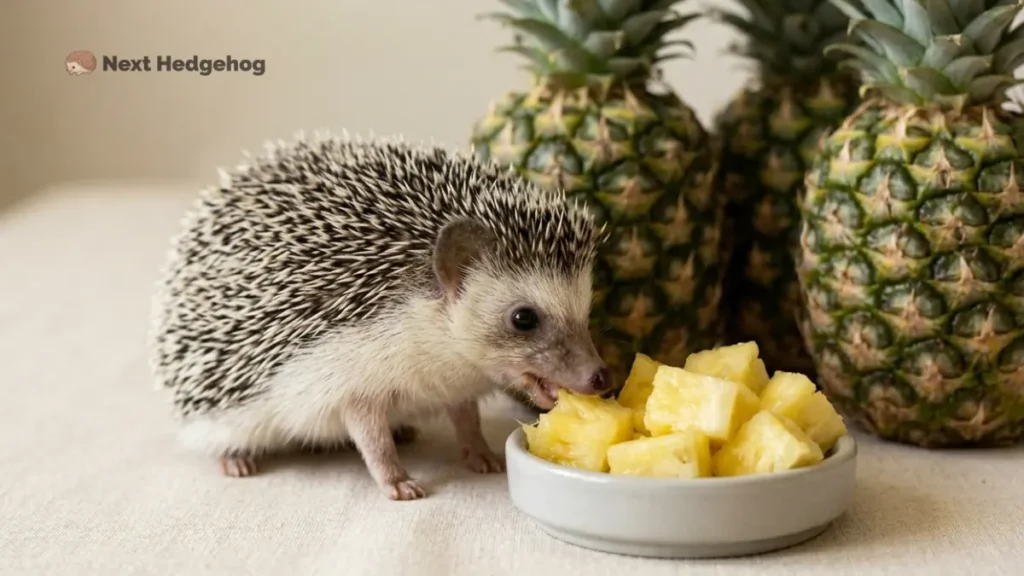
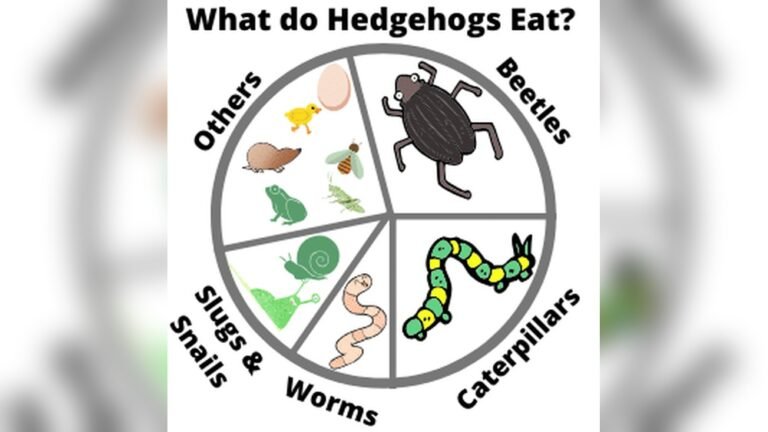
Hedgehogs are primarily insectivores, so their diet should focus on insects and specially formulated hedgehog or high-quality cat food. Fruits should only be occasional and carefully chosen—and pineapple usually does not make the safe list.
What is Pineapple?
Pineapple is a tropical fruit known for its sweet, tangy taste and spiky, rough outer skin. It grows on a plant called Ananas comosus, which is commonly found in warm climates.
Inside, pineapple has bright yellow flesh that is juicy and naturally acidic. It is rich in vitamin C, antioxidants, and enzymes like bromelain, which help with digestion in humans.
While pineapple is healthy for people when eaten in moderation, its high acidity and sugar content make it unsuitable for some small animals, including hedgehogs.
In short, pineapple is a tropical fruit that is refreshing and nutritious for humans, but not always safe for every animal.
Different Types of Pineapple
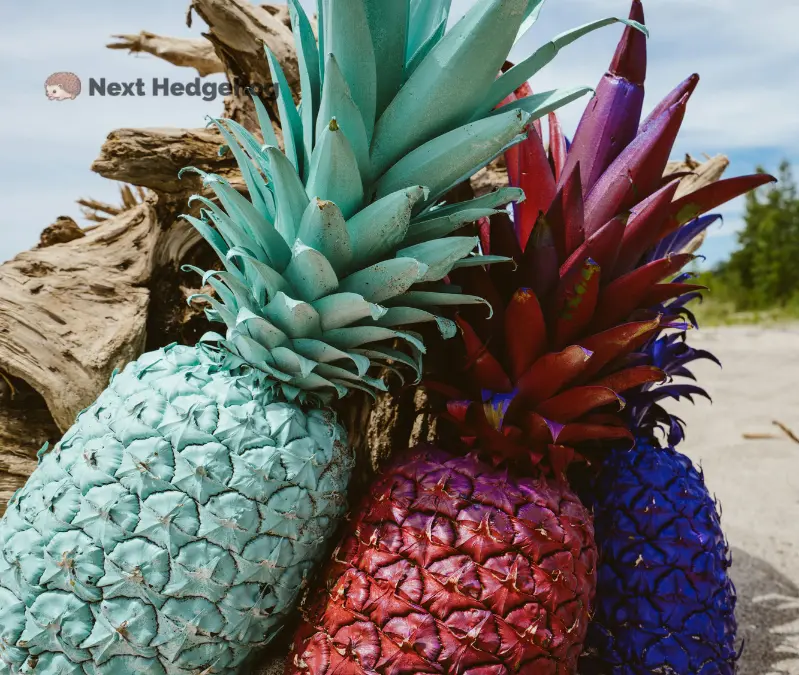
Pineapples come in several varieties, and each type has a slightly different taste, size, and level of sweetness. While they all belong to the same species (Ananas comosus), their growing conditions and flavor profiles can vary.
Here are some of the most common types of pineapple:
- Smooth Cayenne: This is the most widely grown pineapple variety in the world. It is large, juicy, and has a balanced sweet-tangy flavor. It is commonly used for canning and juice production.
- Red Spanish: A slightly smaller and more fibrous variety with a stronger aroma. It is more resistant to pests and is often grown in the Caribbean and parts of Central America.
- Queen Pineapple: Smaller in size but very sweet and fragrant. It has deep yellow flesh and a rich flavor, often preferred for fresh eating.
- MD2 (Gold Pineapple): Known for its high sweetness, low acidity, and golden color. This variety is popular in global export markets because of its long shelf life and consistent taste.
- Sugarloaf Pineapple: A less common variety with very soft, white-to-light yellow flesh. It is extremely sweet and has almost no acidity compared to other types.
Is Pineapple Toxic for Hedgehogs?
Yes, pineapple is not toxic to hedgehogs, but it is still not a safe or recommended food for them.
The main concern is not toxicity, but its high acidity and sugar content. Hedgehogs have very sensitive digestive systems, and pineapple can easily cause stomach irritation, diarrhea, or discomfort. Even small amounts may lead to digestive upset in some hedgehogs.
Another issue is the natural enzyme bromelain found in pineapple. While it is beneficial for humans in small amounts, it can be too harsh for a hedgehog’s digestive tract and may contribute to mouth or gut irritation.
Because of these risks, most hedgehog care guidelines suggest avoiding pineapple altogether instead of offering it as an occasional treat. Safer food options, such as appropriate insects and specially formulated hedgehog or high-quality cat food, are much better for their long-term health.
Ingredients Included in Pineapple
Pineapple is made up of several natural compounds that give it its sweet taste, juicy texture, and nutritional value. While it is mostly water, it also contains sugars, acids, vitamins, and plant enzymes that make it unique among fruits.
Here is a simple breakdown of the main ingredients found in pineapple:
| Component | Description | Role in Pineapple |
|---|---|---|
| Water | Makes up the majority of pineapple content | Keeps the fruit juicy and hydrating |
| Natural Sugars (Fructose, Glucose, Sucrose) | Simple carbohydrates | Provide sweetness and quick energy |
| Citric Acid & Malic Acid | Natural fruit acids | Give pineapple its tangy, sour taste |
| Vitamin C | Essential nutrient | Supports immunity and skin health |
| Manganese | Trace mineral | Helps bone development and metabolism |
| Bromelain | Natural enzyme | Aids digestion and breaks down proteins |
| Fiber | Plant-based carbohydrate | Supports digestion and gut health |
| Antioxidants | Plant compounds | Help protect cells from damage |
Why Pineapple Is Not Safe for Hedgehogs?
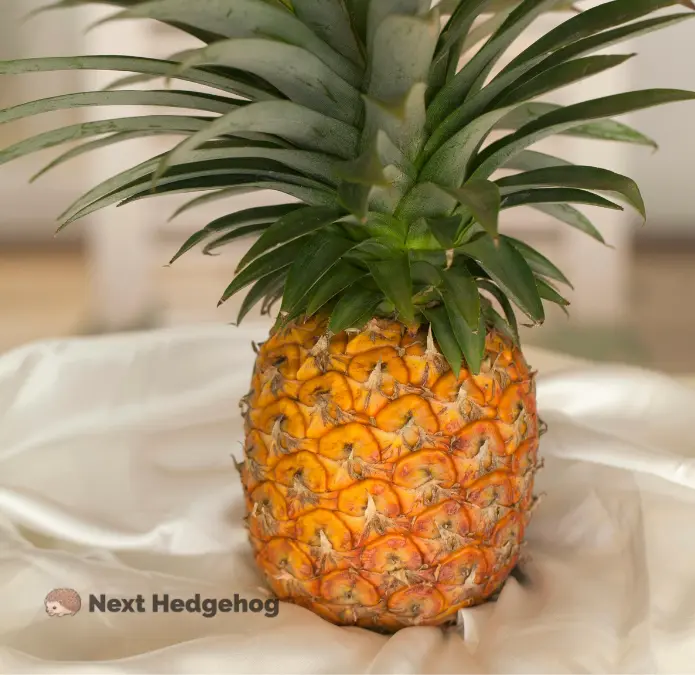
Pineapple is not safe for hedgehogs because its natural acidity, high sugar content, and digestive enzymes can easily upset their sensitive stomachs.
Even though it is a healthy fruit for humans, hedgehogs have a very different digestive system. Their bodies are not designed to handle acidic or sugary foods, which makes pineapple a risky choice for them.
Here are the main reasons why pineapple should be avoided:
- High acidity: Pineapple contains citric and malic acids that can irritate a hedgehog’s stomach and mouth, leading to discomfort or digestive upset.
- High natural sugar: The sugar content can disturb their gut balance and may contribute to diarrhea or long-term digestive issues if eaten even in small amounts.
- Bromelain enzyme: This protein-digesting enzyme can be too strong for hedgehogs and may cause irritation in the digestive tract.
- Risk of diarrhea: Due to the combination of sugar and acid, even a small portion of pineapple can trigger loose stools or stomach upset.
- No nutritional necessity: Hedgehogs do not need fruit in their diet, so pineapple offers no essential benefit compared to safer foods like insects and proper hedgehog food.
- Sensitive digestive system: Hedgehogs are insectivores, meaning their bodies are built mainly for protein-based diets, not acidic fruits.
What Happens If a Hedgehog Eats Pineapple?
If a hedgehog eats pineapple, it will most likely experience digestive discomfort rather than any immediate life-threatening effect.
Pineapple is not poisonous to hedgehogs, but their stomachs are very sensitive to acidic and sugary foods. Even a small amount can trigger unwanted reactions depending on the individual hedgehog.
Here is what may happen if a hedgehog eats pineapple:
- Stomach upset: The acidity in pineapple can irritate the digestive tract, leading to discomfort or mild pain.
- Diarrhea: The high sugar and acid content can disrupt gut balance and cause loose stools.
- Mouth irritation: Bromelain and fruit acids may cause slight burning or irritation in the mouth or tongue.
- Loss of appetite: After eating something irritating, a hedgehog may temporarily refuse food.
- Dehydration risk (if diarrhea occurs): Ongoing loose stools can lead to mild dehydration if not managed properly.
In most cases, a small accidental bite will not cause severe harm, but repeated exposure or larger amounts can increase health risks.
Why Hedgehogs Cannot Digest Pineapple Properly?
Hedgehogs cannot digest pineapple properly because their digestive system is not designed to handle highly acidic, sugary, and enzyme-rich fruits.
Hedgehogs are insectivores, which means their bodies are built mainly to process protein from insects and animal-based foods. Their gut is relatively short and efficient for digesting protein and fat, but not well adapted for breaking down large amounts of natural fruit sugars or acidic plant matter like pineapple.
Pineapple contains strong natural acids such as citric and malic acid. These acids can irritate the stomach lining of hedgehogs and disrupt normal digestion. Unlike humans, hedgehogs do not have a strong tolerance for acidic foods, so even small amounts can cause discomfort.
Another issue is bromelain, a powerful enzyme found in pineapple that breaks down proteins. While this is useful in human digestion, it can be too harsh for a hedgehog’s sensitive digestive tract and may lead to irritation.
In addition, the high sugar content in pineapple can disturb the balance of gut bacteria in hedgehogs, leading to diarrhea or digestive stress. Since their system is not adapted to process fruit regularly, they struggle to break it down efficiently.
Common Myths About Hedgehogs Eating Pineapple
There are many misconceptions about hedgehogs eating fruits like pineapple. While it may seem harmless or even healthy, not all information online is accurate. Understanding the facts helps you keep your hedgehog safe and properly nourished.
Here are some common myths about hedgehogs eating pineapple:
- Pineapple is a safe treat for hedgehogs in small amounts: Many people believe a tiny bite is fine, but even small amounts can cause digestive upset due to acidity and sugar.
- Hedgehogs naturally enjoy eating fruits like pineapple: Hedgehogs are insectivores by nature. They do not naturally seek out or rely on fruit in the wild.
- Pineapple helps digestion in hedgehogs because it contains enzymes: While bromelain helps human digestion, it can irritate a hedgehog’s sensitive stomach instead of helping it.
- Fresh pineapple is always healthy for all animals: Healthy for humans does not automatically mean safe for animals. Hedgehogs have very different dietary needs.
- Removing the skin makes pineapple safe for hedgehogs: Even without the skin, the fruit itself still contains high acid and sugar levels that can cause problems.
- Hedgehogs can eat pineapple like other fruits such as apples or pears: Not all fruits are equal. Some, like apples in tiny portions, may be safer, but pineapple is generally not recommended.
Foods That Are Similar to Pineapple but Safe
Some fruits have a similar sweet, juicy taste or refreshing texture like pineapple, but are much safer for hedgehogs when given in very small amounts. While hedgehogs do not need fruit in their diet, these options are generally considered less risky compared to pineapple.
Here are some safer fruit alternatives that are similar in “sweet and soft” profile:
- Apple (small pieces, no seeds): Mild, slightly sweet, and easy to digest. Always remove seeds and offer only a tiny portion.
- Pear: Soft and juicy with a gentle sweetness. It is less acidic than pineapple and usually easier on the stomach.
- Banana: Very soft and sweet, with a texture that some hedgehogs may accept. Should be given only occasionally due to high sugar content.
- Blueberries: Small, soft, and antioxidant-rich. A few pieces are enough as a treat.
- Watermelon (seedless): High in water content and refreshing. Can be offered in tiny amounts, especially in warm weather.
- Melon (like cantaloupe): Mild sweetness with a soft texture, similar refreshing feel without strong acidity.
- Papaya: Soft tropical fruit with a gentle sweetness and lower acidity compared to pineapple.
Expert Recommendation on Pineapple for Hedgehogs
Experts generally do not recommend feeding pineapple to hedgehogs. While it is not toxic, most veterinarians and exotic pet care guides agree that the risks outweigh any possible benefit.
Hedgehogs have a very sensitive digestive system, and their diet should remain focused on protein-rich foods rather than acidic or sugary fruits.
Avoid Pineapple Completely
Many hedgehog care experts strongly advise avoiding pineapple altogether. The fruit’s high acidity and natural sugar can quickly disrupt a hedgehog’s gut balance. Even a small portion may lead to soft stools, bloating, or general digestive discomfort.
Since hedgehogs do not naturally consume fruit in the wild, pineapple is considered an unnecessary and risky addition to their diet.
Risk of Digestive Irritation
Exotic pet veterinarians often point out that pineapple contains bromelain and organic acids that can irritate sensitive tissues in the mouth and digestive tract.
This can cause mild burning sensations, drooling, or temporary loss of appetite in some hedgehogs. Repeated exposure increases the chance of ongoing gut imbalance and stress on the digestive system.
No Essential Nutritional Value
From a nutritional standpoint, experts highlight that pineapple does not provide any essential benefit for hedgehogs. Their bodies are designed to process animal-based protein, fats, and insects, not fruit sugars.
As a result, pineapple adds calories without meaningful nutritional support, making it unsuitable for a balanced hedgehog diet.
Safer Treat Alternatives Recommended
Instead of pineapple, professionals recommend safer, low-risk treats such as small portions of apple, pear, or occasional insects like mealworms. These options are far easier for hedgehogs to digest and are less likely to trigger stomach issues. Even these should be given sparingly to maintain a healthy diet balance.
Final Expert Opinion
Overall, the expert consensus remains consistent: pineapple should be avoided in hedgehog diets. While accidental nibbling is usually not dangerous, intentional feeding is discouraged.
Keeping a hedgehog’s diet simple, protein-based, and low in sugar is the best way to support long-term digestive health and wellbeing.