Can Hedgehogs Eat Broccoli? Safe or Risky? Feeding Guide
If you’ve ever found yourself standing in the kitchen with a few broccoli florets in hand and a curious hedgehog staring back at you, you’re not alone. These tiny, spiky companions have a way of making us question almost everything we put in front of them—especially when it comes to “people food.”
Broccoli, in particular, is one of those vegetables that feels healthy, harmless, and almost universally safe for humans. But when it comes to hedgehogs, things aren’t always so straightforward. Their digestive systems are delicate, their dietary needs are quite specific, and what seems like a nutritious snack for us can sometimes be unnecessary—or even problematic—for them.
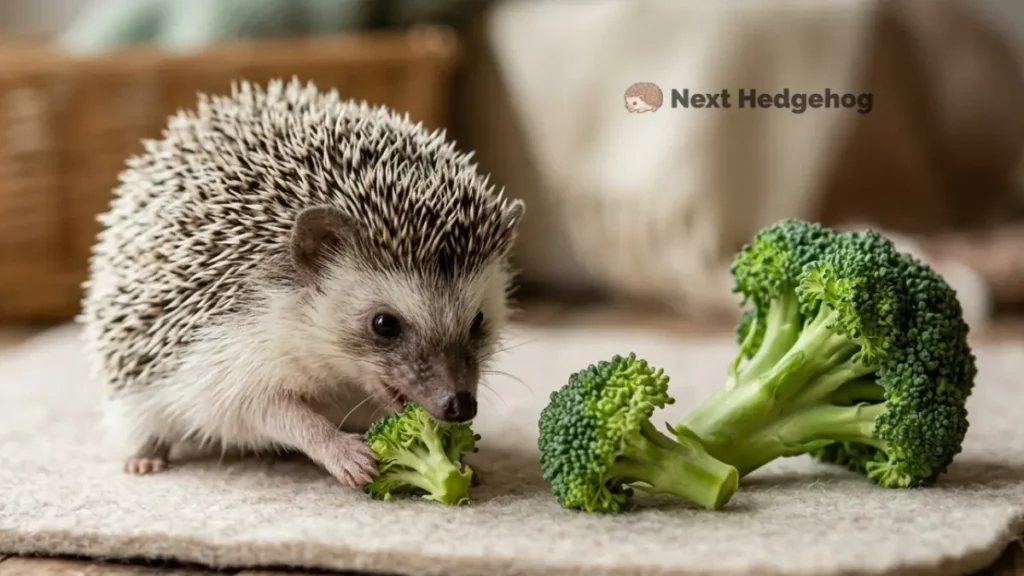
So, can hedgehogs actually eat broccoli, or is it one of those foods better left off their tiny dinner plates?
In this article, we’ll break it all down in a simple, practical way—looking at whether broccoli is safe, how much (if any) is appropriate, the potential benefits and risks, and what you should consider before sharing a bite with your prickly little friend.
What is Broccoli?
Broccoli is a green vegetable that belongs to the cabbage family (Brassicaceae), along with cauliflower, kale, and Brussels sprouts. It’s known for its tree-like structure, with a thick stalk and tightly packed green florets that are actually immature flower buds.
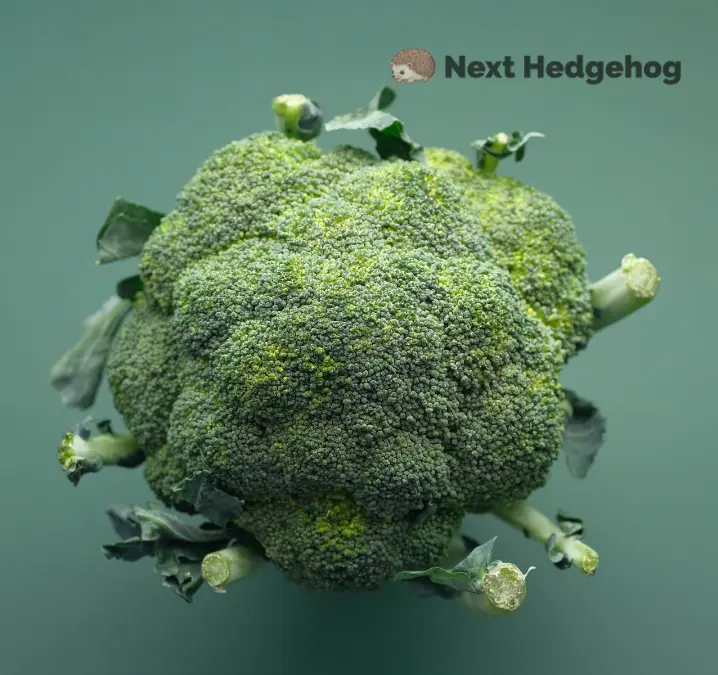
Originally cultivated from wild cabbage in the Mediterranean region, broccoli has become a popular food around the world due to its rich nutritional profile. It’s packed with vitamins like vitamin C, vitamin K, folate, fiber, and various antioxidants that support overall health in humans.
People usually eat broccoli in different ways—steamed, boiled, roasted, stir-fried, or even raw in salads. Its mild, slightly earthy taste and crunchy texture make it a versatile ingredient in many cuisines.
However, while broccoli is considered a super-healthy vegetable for humans, its effects on small animals like hedgehogs can be quite different—which is why understanding its nature is important before sharing it with them.
Different Types of Broccoli
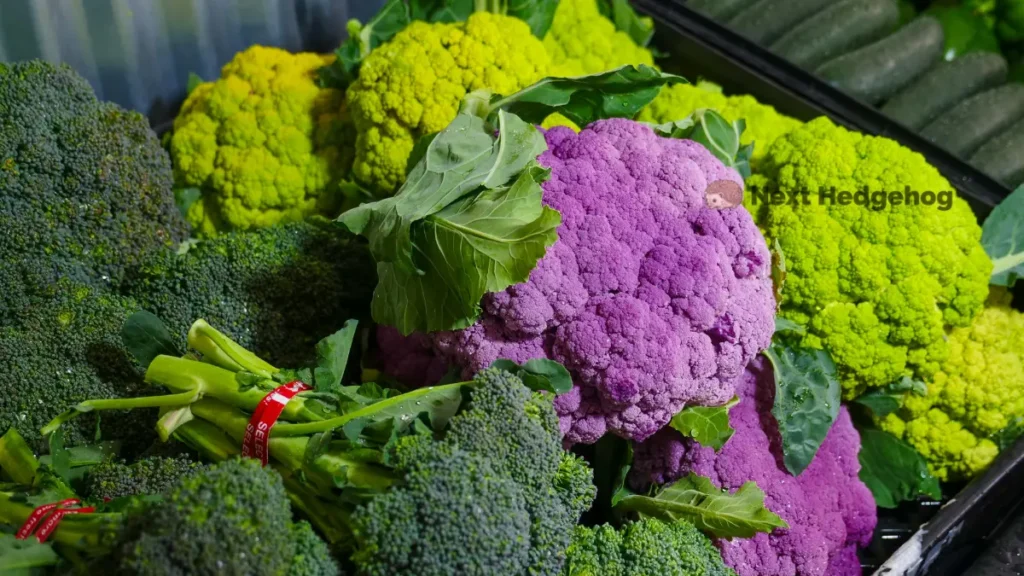
Broccoli isn’t just a single “one-size-fits-all” vegetable. In fact, there are several different types of broccoli, each with its own look, texture, and slightly different taste. Knowing these variations helps you understand the vegetable better—especially if you’re thinking about whether it’s suitable for small pets like hedgehogs.
Calabrese Broccoli (Common Green Broccoli)
This is the most widely found type in supermarkets. It has thick green stalks and dense, tightly packed florets. Calabrese broccoli is what most people simply call “broccoli.” It has a mild, slightly bitter taste and is the most commonly eaten variety in everyday meals.
Sprouting Broccoli
Sprouting broccoli has thinner stalks and many smaller florets instead of one large head. It’s often more tender and has a slightly sweeter flavor. This type is especially popular in the UK and is usually harvested over a longer period as multiple small shoots grow.
Purple Broccoli
As the name suggests, this variety has a deep purple color instead of green. It contains the same nutrients as green broccoli but is richer in antioxidants called anthocyanins, which give it its vibrant color. Interestingly, it turns green when cooked.
Romanesco Broccoli
Romanesco is the most visually striking type. It has a bright green color and a naturally spiral, fractal-like pattern that looks almost mathematical. Its flavor is milder and slightly nuttier compared to regular broccoli, and its texture is firmer and crunchier.
Broccolini (Tenderstem Broccoli)
Often mistaken as baby broccoli, broccolini is actually a hybrid between broccoli and Chinese kale. It has long, thin stems and smaller florets. It’s more tender, slightly sweeter, and cooks very quickly.
Each of these types falls under the broader “broccoli family,” but they differ in texture, flavor, and nutrient density. When it comes to feeding animals like hedgehogs, these differences can matter—especially in terms of fiber content and digestibility.
Is Broccoli Safe for Hedgehogs?
Broccoli is not toxic to hedgehogs, so they can safely eat a very small amount occasionally. However, it is not an ideal or necessary part of their diet. Hedgehogs are insect-eating animals, and their digestive systems are better suited to animal protein than fibrous vegetables like broccoli.
If offered in tiny portions, broccoli is unlikely to cause serious harm and may simply pass through their system without issues. For this reason, some owners treat it as an occasional snack rather than a regular food item.
The main concern is digestion. Broccoli, like other cruciferous vegetables, can cause gas, bloating, or mild stomach upset in hedgehogs if given too much. Their sensitive stomachs do not handle high-fiber vegetables as well as humans do.
It’s also important to note that broccoli is not nutritionally required for hedgehogs. They get all essential nutrients from protein-based foods like insects and quality hedgehog or cat food, so vegetables should never replace their main diet.
If you do offer broccoli, it should be plain, unseasoned, and given only in a very small piece on rare occasions.
Nutritional Value Of Broccoli
Broccoli is widely known as one of the most nutrient-dense vegetables, which is why it often appears in “superfood” lists. It’s low in calories but packed with essential vitamins, minerals, fiber, and antioxidants that support overall health in humans.
Understanding its nutritional profile helps explain why it is considered healthy—but also why its effects on small animals like hedgehogs need careful consideration.
Nutritional Value of Broccoli (per 100g, raw)
| Nutrient | Amount | Benefit |
|---|---|---|
| Calories | 34 kcal | Low-energy food, good for weight control |
| Carbohydrates | 6.6 g | Provides small amount of energy |
| Protein | 2.8 g | Plant-based protein source |
| Fat | 0.4 g | Very low fat content |
| Fiber | 2.6 g | Supports digestion (can be heavy for small animals) |
| Vitamin C | 89 mg | Boosts immunity and skin health |
| Vitamin K | 101 mcg | Important for blood clotting and bone health |
| Vitamin A | 623 IU | Supports vision and immune system |
| Folate (B9) | 63 mcg | Helps cell growth and repair |
| Potassium | 316 mg | Supports heart and muscle function |
| Calcium | 47 mg | Important for bones and teeth |
| Iron | 0.7 mg | Helps oxygen transport in blood |
Benefits of Feeding Broccoli to Hedgehogs
Broccoli is not a core part of a hedgehog’s diet, but when offered in very small, occasional amounts, it can provide a few mild benefits. These benefits are limited and should always be weighed against the animal’s primary need for protein-based foods. Still, understanding them helps explain why some owners consider it as a rare treat.
- Provides small amounts of vitamins: Broccoli contains vitamins like C and K, which may offer minor nutritional support. However, hedgehogs naturally produce or obtain most of what they need from their main diet, so this is not essential.
- Adds dietary variety: A tiny piece of broccoli can introduce slight variation in texture and taste, which may be useful for enrichment. Still, hedgehogs do not require vegetable variety the way omnivores do.
- Low in calories and fat: Broccoli is very low in fat and calories, so it won’t contribute to weight gain when given in tiny amounts. This makes it a “light” occasional snack option if tolerated well.
- Contains fiber (in moderation): The fiber in broccoli can support digestion in very small amounts, but too much may actually cause gas or bloating in hedgehogs, so balance is important.
- Hydration support (small amount): Broccoli has a high water content, which can slightly contribute to hydration. However, fresh water should always remain the main source of hydration.
Overall, the benefits are minimal and should only be seen as occasional extras, not reasons to include broccoli regularly in a hedgehog’s diet.
Risks Factors of Overfeeding Broccoli
Feeding broccoli to hedgehogs in very small amounts is usually harmless, but overfeeding can quickly lead to health issues. Because hedgehogs have sensitive digestive systems and are not built to handle large amounts of fibrous vegetables, too much broccoli can create more problems than benefits.
- Digestive upset: Overfeeding broccoli can irritate a hedgehog’s stomach, leading to diarrhea, soft stool, or general discomfort. Their bodies are not adapted to process high-fiber vegetables in large quantities.
- Gas and bloating: Broccoli is a cruciferous vegetable that can produce gas during digestion. In hedgehogs, this may cause bloating, pain, and visible discomfort, making them less active or restless.
- Nutritional imbalance: If broccoli replaces too much of their main diet, it can reduce intake of essential animal protein. This may lead to long-term nutritional deficiencies since hedgehogs rely heavily on protein for energy and health.
- Reduced appetite for proper food: Overfeeding vegetables like broccoli can make hedgehogs less interested in their regular food, such as insects or high-quality hedgehog/cat food, which are crucial for their diet.
- Thyroid-related concerns (long-term overuse): Like other cruciferous vegetables, broccoli contains compounds that may interfere with thyroid function if consumed excessively over time, although this is mainly a concern with repeated overfeeding.
Hedgehogs Broccoli Feeding Guide
Feeding broccoli to hedgehogs requires a cautious and informed approach because their digestive system is not designed for fibrous vegetables. While broccoli is not toxic, it should only ever be an occasional treat, and proper feeding practices are essential to avoid health issues.
Choose only small, fresh portions
When offering broccoli, always keep the portion extremely small—no larger than a fingernail-sized piece. Hedgehogs have tiny stomachs, and even a moderate amount of vegetable matter can overwhelm their digestion.
Fresh broccoli is always the safest option because it retains its natural structure and nutrients. Avoid giving old, wilted, or spoiled pieces, as these can carry bacteria or cause digestive irritation.
Serve plain and unseasoned
Broccoli must always be served completely plain, without any salt, oil, butter, spices, or sauces. Even small traces of seasoning used in human cooking can be harmful to hedgehogs and may cause toxicity or stomach upset.
Their bodies are highly sensitive to additives, so anything beyond plain vegetable material should be avoided entirely. The safest approach is to treat it like a raw, untouched food straight from the vegetable itself.
Prefer raw or lightly steamed
You can offer broccoli either raw or lightly steamed, depending on your hedgehog’s preference. Raw broccoli maintains its natural crunch and fiber, while light steaming can soften it slightly, making it easier to chew and digest.
However, avoid overcooking it, as boiling or heavy steaming can break down nutrients and create a mushy texture that may not suit their digestion. The goal is to keep it simple and as close to its natural form as possible.
Offer only occasionally
Broccoli should never be part of a regular feeding schedule for hedgehogs. It should be treated strictly as an occasional enrichment treat rather than a dietary component. Feeding it too frequently can lead to digestive imbalance and reduce interest in their main food sources.
A good rule is to offer it rarely and only in small experimental amounts to see how your hedgehog reacts.
Observe after feeding
After giving broccoli, closely monitor your hedgehog for any signs of discomfort such as bloating, reduced activity, soft stool, or loss of appetite. Since hedgehogs are small animals, even mild digestive upset can escalate quickly.
If you notice any negative reaction, discontinue broccoli immediately and return to their regular diet. Careful observation is key to ensuring their safety.
Prioritize their main diet first
A hedgehog’s nutrition should always be centered around high-protein foods like insects or specially formulated hedgehog and cat food. These provide the essential nutrients, energy, and amino acids they need to stay healthy.
Vegetables like broccoli do not contribute significantly to their dietary requirements and should never replace protein-based meals. Think of broccoli only as an optional extra, not a meaningful part of their nutrition plan.
Feeding Frequency Guidelines: By Age & Amount
Feeding hedgehogs requires careful attention to their age, size, and overall dietary needs. Since their digestive system is built mainly for protein-rich foods, any vegetable—including broccoli—should only be given in very controlled amounts and not as a regular part of their diet.
The following guidelines help clarify how often and how much broccoli (if any) can be safely offered at different life stages.
| Age Group | Feeding Frequency | Safe Amount (Broccoli) | Notes |
|---|---|---|---|
| Baby Hedgehogs (0–8 weeks) | Not recommended | 0 (avoid completely) | Their digestive system is extremely sensitive and should only consume mother’s milk or specialized formula. Vegetables can be harmful at this stage. |
| Juveniles (8 weeks–6 months) | Very rarely (if at all) | Tiny crumb-sized piece | Only introduce if necessary and after observing tolerance. Protein should dominate their diet for proper growth. |
| Adults (6 months–4 years) | Occasionally (once every 2–3 weeks max) | Small fingernail-sized piece | Can be offered as a rare treat if the hedgehog shows no digestive issues. Monitor closely after feeding. |
| Senior Hedgehogs (4+ years) | Rarely and cautiously | Very small soft piece | Older hedgehogs may have weaker digestion, so any vegetable should be introduced with extra care or avoided if sensitivity is observed. |
Raw vs Cooked Broccoli
Broccoli can be offered to hedgehogs in both raw and cooked forms, but each option comes with different effects on digestion and safety. Since hedgehogs have sensitive stomachs and are not natural vegetable eaters, the preparation method plays an important role in how well they tolerate it.
Raw Broccoli
Raw broccoli is the closest to its natural form, which means it retains its full fiber content, nutrients, and crunchy texture. For hedgehogs, this can be both a benefit and a risk. The crunchiness may encourage chewing, but the high fiber content can sometimes be difficult for their digestive system to handle.
In very small amounts, raw broccoli may pass through without issues, but overfeeding can easily lead to gas, bloating, or mild digestive discomfort. Because of its firmness, it should always be given in extremely tiny pieces to reduce choking risk.
Cooked Broccoli
Cooked broccoli, especially when lightly steamed, becomes softer and easier for hedgehogs to chew and digest. The cooking process slightly reduces fiber toughness, which may make it gentler on their stomach.
However, overcooking or boiling for too long can strip away nutrients and create a mushy texture that is less appealing and not very beneficial. Importantly, cooked broccoli must always be served plain, without salt, oil, butter, or seasoning, as even small additives can be harmful to hedgehogs.
Final Suggestion & Precautions
If broccoli is offered at all, lightly steamed and plain is usually the safer option compared to raw, but both should only be given in very small amounts and very rarely.
- Always serve in tiny, bite-sized pieces
- Avoid any seasoning, oil, or spices completely
- Prefer light steaming over boiling or frying
- Never make broccoli a regular part of the diet
- Stop feeding immediately if signs of bloating or diarrhea appear
- Always prioritize protein-based foods as the main diet
Alternative Items You Can Offer
Broccoli is not a required food for hedgehogs, so if you’re looking for safer and more suitable treat options, there are several alternatives that better match their natural dietary needs. Hedgehogs thrive on protein-based foods, so most good alternatives focus on insects or specially formulated diets rather than vegetables.
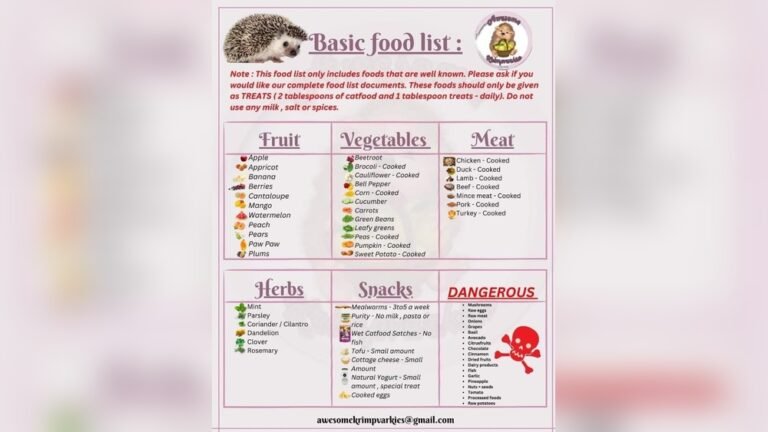
- Carrot (small amounts): Carrot is one of the safer vegetable options in very small portions. It is mildly sweet, easy to digest when finely chopped or lightly steamed, and less likely to cause gas compared to cruciferous vegetables like broccoli. However, it should still be given only occasionally.
- Apple (tiny pieces, no seeds): Small pieces of apple can be offered as an occasional treat. It provides natural sweetness and hydration, but the sugar content means it should be very limited. Always remove seeds, as they are not safe for hedgehogs.
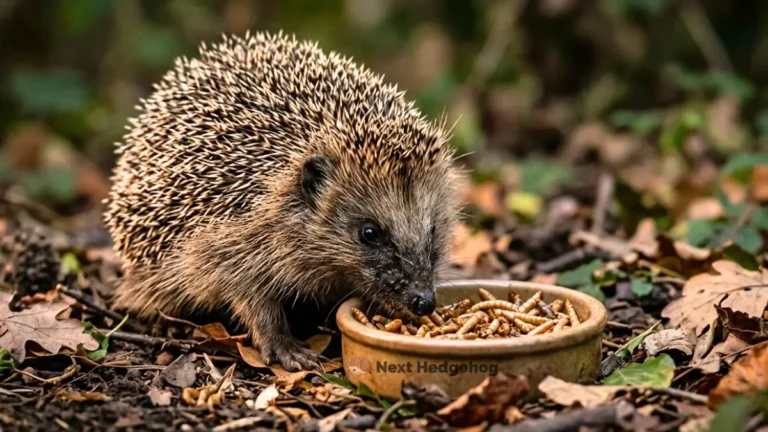
- Mealworms and crickets: Insects are the most natural and suitable food group for hedgehogs. Mealworms and crickets provide high-quality protein and essential nutrients that support growth, energy, and overall health. These should form the core of any treat-based diet.
- Boiled egg (plain): A small portion of plain boiled egg can be given occasionally. It is soft, easy to digest, and rich in protein. However, due to its fat content, it should not be offered too frequently.
These alternatives are far more aligned with a hedgehog’s natural diet compared to vegetables like broccoli, making them safer and more nutritionally appropriate choices.