Can Hedgehogs Eat Celery? Hidden Danger Exposed!
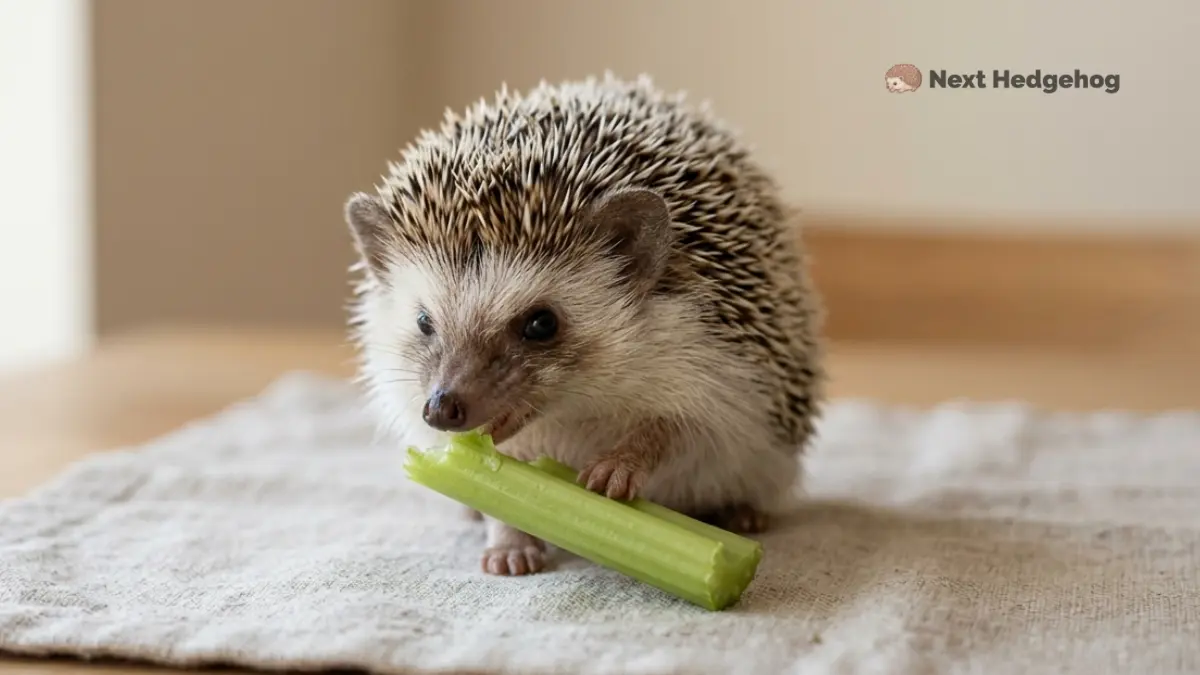
Yes hedgehogs can eat celery but only in very small amounts and not as a regular food.
Celery is not toxic for hedgehogs so it is safe in theory. But it is not an ideal food for them. Hedgehogs are insect eaters and their body is built to handle protein rich foods like insects and specially made hedgehog or high quality cat food. Celery has very low nutrition for them and it is mostly water and fiber.
Because of its tough and stringy texture celery can also be hard for hedgehogs to chew and digest. If it is offered it should be cut into very tiny soft pieces and given only as a rare treat.
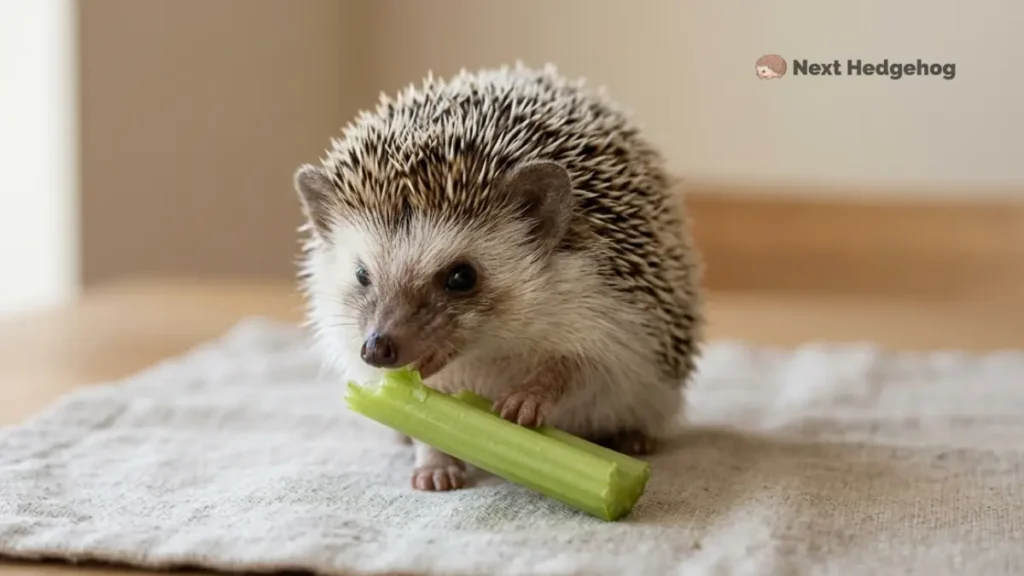
In this article we will look at whether celery is safe for hedgehogs how much they can eat and what better vegetable options you can offer instead.
What is Celery?
Celery is a crunchy green vegetable that comes from a plant in the carrot family. It has long light green stalks with leafy tops and a mild fresh taste.
It is mostly made up of water so it is very low in calories. People often eat celery raw in salads or as a snack and sometimes cook it in soups and stews for flavor.
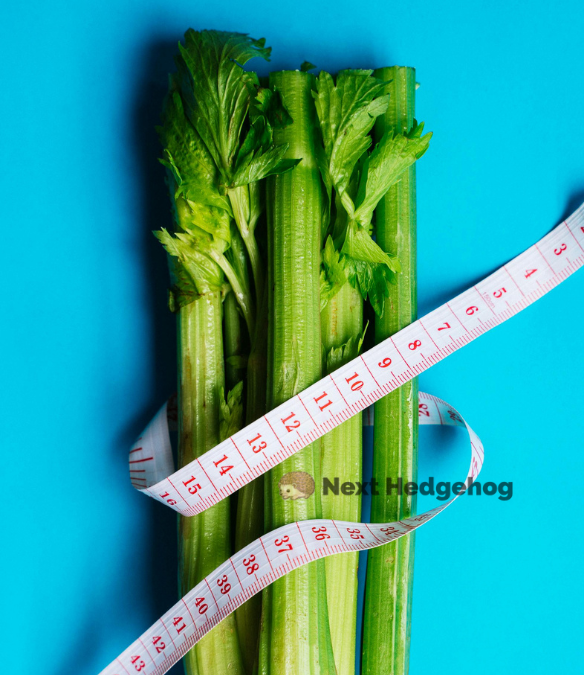
Celery also contains a small amount of fiber, vitamins like vitamin K, and some minerals. Even though it is healthy for humans, it does not provide strong nutrition for animals like hedgehogs who need more protein based foods.
Different Types of Celery
Celery may look like a simple vegetable but it actually comes in a few different types. Each type has a slightly different taste, texture, and use in cooking. All of them share the same basic crunchy structure but vary in color and strength of flavor.
- Pascal Celery: This is the most common type found in stores. It has thick green stalks and a crisp texture. It is mild in taste and widely used in salads, soups, and snacks.
- Golden Celery: This type is grown away from sunlight so it has a lighter yellow color. It is softer than green celery and has a slightly sweeter and less bitter taste.
- Leaf Celery: This variety is grown more for its leaves than its stalks. The stalks are thinner but the leaves are very flavorful and often used as a herb in cooking.
- Wild Celery: This is a stronger and more bitter version of celery. It is not commonly eaten raw but is sometimes used in traditional recipes or for flavoring dishes.
Is Celery Toxic for Hedgehogs?
Celery is not toxic for hedgehogs so it will not poison them if they eat a small piece. In that sense it is safe.
However safe does not always mean suitable. Celery does not provide much nutrition for hedgehogs and their bodies are not designed to digest large amounts of plant fiber. Hedgehogs are insect eaters and need protein rich food to stay healthy.
Celery is also very stringy and watery. The tough fibers can be difficult for hedgehogs to chew and may cause mild digestive discomfort if eaten too much.
So while celery is not dangerous in a toxic way it should only be treated as an occasional tiny snack and not a regular part of their diet.
Ingredients Included in Celery
Celery may look simple but it contains a mix of water, fiber, vitamins, and minerals. Most of it is made up of water, which is why it feels so light and crunchy. The rest is a small amount of nutrients that support basic health, but not enough to be a main food for animals like hedgehogs.
Here is a simple breakdown of what celery contains (per 100 gram):
| Ingredient | Approximate Amount (per 100g celery) | What It Does |
|---|---|---|
| Water | About 95 g | Keeps celery very hydrating |
| Fiber | About 1.6 g | Aids digestion but can be tough in large amounts |
| Vitamin K | About 29 mcg | Supports blood clotting and bone health |
| Vitamin C | About 3 mg | Helps immune system support |
| Potassium | About 260 mg | Supports muscle and nerve function |
| Folate | About 36 mcg | Helps cell growth and repair |
| Calories | About 14 kcal | Very low energy food |
Why Celery Is Not 100% Safe for Hedgehogs?
Celery is not 100% safe for hedgehogs mainly because it is not naturally suited to their digestive system and nutritional needs. While a tiny piece is unlikely to cause serious harm, it still comes with a few risks.
First, celery is very fibrous and stringy. Hedgehogs have small mouths and simple digestion, so tough plant fibers can be hard for them to chew and break down properly. This can sometimes lead to mild stomach upset or discomfort.
Second, celery has almost no protein. Hedgehogs need a protein rich diet to stay healthy, and foods like celery do not support their natural nutritional needs. If given too often, it can replace more important foods.
Third, celery contains a high amount of water and fiber, which may cause loose stool or digestive imbalance if eaten in larger amounts.
Finally, there is a slight choking risk if it is not cut into very small soft pieces, especially for young or small hedgehogs.
What Happens If a Hedgehog Eats Celery?
If a hedgehog eats a small piece of celery, nothing serious usually happens. In most cases it will pass through their system without causing harm.
However the effect depends on how much they eat and how it is prepared. A tiny soft piece may just be digested normally. But if a hedgehog eats a larger amount, it can lead to some mild problems.
Because celery is very high in water and fiber, it may cause loose stool or mild diarrhea. Some hedgehogs may also feel slight stomach discomfort since their bodies are not designed to handle strong plant fibers.
There is also a small risk of choking if the celery is given in long or hard pieces. This is more likely in young or smaller hedgehogs.
Overall, eating celery once in a very small amount is not dangerous, but it should never become a regular part of their diet. Hedgehogs do much better with protein rich foods like insects or specially formulated hedgehog food.
Why Hedgehogs Cannot Digest Celery Properly?
Hedgehogs are not built to digest celery efficiently because their digestive system is designed for animal based protein, not fibrous vegetables. In the wild they mainly eat insects, so foods like celery can be difficult for their body to process properly.
- Short and simple digestive tract: Hedgehogs have a short gut that works best for digesting insects and meat based foods. High fiber vegetables like celery move through quickly and are not fully broken down.
- Low ability to break down plant fiber: Celery is rich in tough cellulose fibers. Hedgehogs do not have the strong enzymes needed to break down this type of plant material effectively.
- Designed for high protein diet: Their system is built to absorb nutrients from protein sources. Celery offers very little protein, so it does not match their nutritional needs.
- Water rich but nutrient poor food: Celery is mostly water, which can pass through the system too quickly and sometimes lead to soft stool or mild digestive imbalance.
- Natural diet mismatch: In the wild hedgehogs rarely eat plants like celery. Their bodies are simply not adapted to process large amounts of vegetable matter.
Common Myths About Hedgehogs Eating Celery
There are many misunderstandings about what hedgehogs can eat, and celery is one of those foods that often gets confused. Some people think it is a healthy snack for them, but that is not always true.
- Celery is sometimes believed to be a perfect healthy treat for hedgehogs because it is natural and low in calories, but hedgehogs actually need protein based foods instead of vegetables.
- Some people assume that if a food is safe for humans it is also safe and equally beneficial for hedgehogs, but their digestive systems are very different.
- There is a common belief that crunchy vegetables help hedgehogs clean their teeth, but celery does not replace proper dental care or suitable chewing foods.
- Many think hedgehogs can eat any vegetable in small amounts without issues, but even small amounts of fibrous foods like celery can sometimes cause mild digestive discomfort.
- Some owners believe celery can be a regular part of a hedgehog diet, but in reality it should only be an occasional and very tiny treat.
Foods That Are Similar to Celery but Safe
Celery is not the best choice for hedgehogs, but there are a few other foods with similar texture or freshness that are safer when given in very small amounts. Even then, these should only be occasional treats and not a main part of their diet.
- Cucumber: Cucumber is very watery and soft, similar to celery, but easier to chew. A tiny peeled piece can be safer for hedgehogs in rare cases.
- Zucchini: Zucchini has a mild taste and soft texture. It is easier to digest than celery but still should be given only in very small amounts.
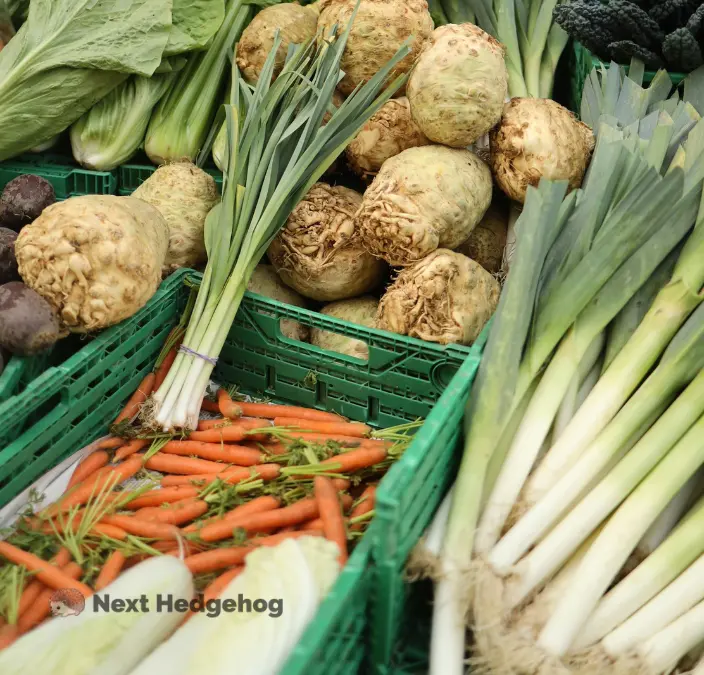
- Cooked carrot: Carrot is similar in crunch when raw, but cooked carrot is softer and safer for digestion. It should be plain and unseasoned.
- Pumpkin: Plain cooked pumpkin is gentle on the stomach and can help digestion when given occasionally in tiny portions.
- Apple (without seeds): Apple is not similar in texture but offers a mild, sweet alternative snack. It should be peeled and given in very small pieces.
Expert Recommendation on Celery for Hedgehogs
Experts generally agree that celery is not a recommended food for hedgehogs, even though it is not toxic. The main concern is not safety in a poisonous sense, but suitability for their natural diet and digestion.
Celery Should Only Be an Occasional Treat
Experts suggest that celery, if offered at all, should only be given in very tiny pieces and only once in a while. It should never be part of a regular feeding routine. Hedgehogs get no real nutritional benefit from celery, so it adds unnecessary risk without real value.
Not Suitable for Long Term Diet
Veterinarians and exotic pet specialists emphasize that hedgehogs require a high protein diet. Foods like insects and specially formulated hedgehog or high quality cat food are much more appropriate. Celery does not meet these needs and can slowly affect diet balance if overused.
Digestive Sensitivity Concerns
Experts also point out that hedgehogs have sensitive digestive systems. The fibrous texture of celery can sometimes lead to mild stomach issues such as soft stool or discomfort, especially if eaten in larger amounts.
Better Alternatives Are Recommended
Instead of celery, experts often recommend safer vegetable treats like small amounts of cucumber or cooked pumpkin. Even then, these should be occasional additions, not dietary staples.
Final Expert View
Overall, the expert consensus is clear. Celery is not harmful in tiny amounts, but it is not beneficial and should not be a regular part of a hedgehog’s diet. A protein focused diet remains the healthiest choice.
FAQS and Answers
Can hedgehogs eat celery leaves?
Celery leaves are not toxic for hedgehogs, but they are not recommended either. They are still plant based and fibrous, which can be hard for hedgehogs to digest. If offered, it should be in a very tiny amount and only rarely.
How much celery can a hedgehog eat?
Only a very small bite sized piece is safe, and even that should be given rarely. Too much celery can cause digestive issues like soft stool or discomfort.
Is celery good for hedgehogs?
No, celery is not good for hedgehogs in terms of nutrition. It does not provide the protein and nutrients they need to stay healthy.
What happens if a hedgehog eats too much celery?
Eating too much celery can lead to mild digestive problems such as diarrhea or stomach upset due to its high fiber and water content.
What should hedgehogs eat instead of celery?
Hedgehogs should mainly eat insects, mealworms, and specially formulated hedgehog or high quality cat food. These foods provide the protein they need for proper health.