Do Hedgehogs Eat Mice? Truth & Risks Revealed for 2026
Yes— Hedgehogs can eat mice but only rarely and usually not in the way most people imagine.
Hedgehogs are naturally insectivores, meaning their diet mainly consists of insects, worms, beetles, and other small invertebrates.
However, in the wild, they are also opportunistic feeders. This means that if the opportunity arises, a hedgehog may eat a mouse, especially if it is already dead, weak, or in the case of very small baby mice.
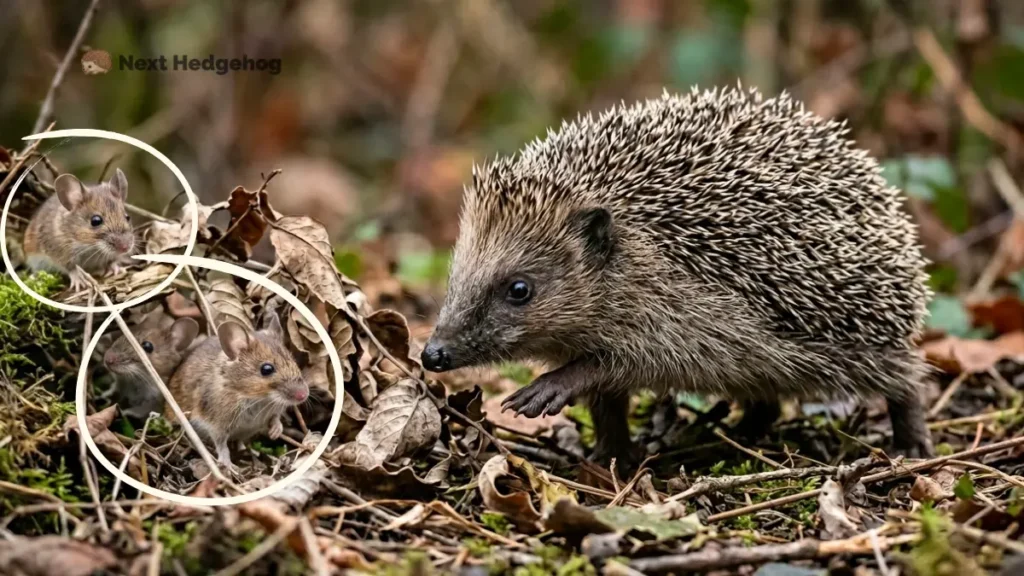
That said, mice are not a natural or preferred food source for hedgehogs. They don’t actively hunt healthy adult mice, and it’s not a regular part of their diet. Instead, hedgehogs focus on easier, softer prey that requires less energy to catch and consume.
What is Mice?
Mice are small mammals belonging to the rodent family. They are typically characterized by their small size, pointed snouts, round ears, long thin tails, and quick movements. Most commonly, the word “mice” refers to species in the genus Mus, with the house mouse being the most well-known.
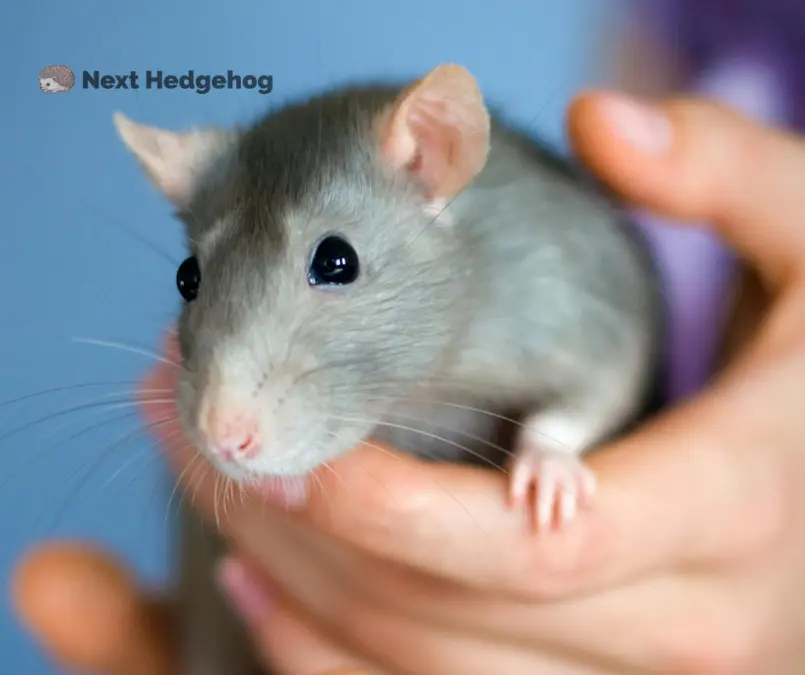
Mice are highly adaptable and can live in a wide range of environments, including fields, forests, and human homes. They are omnivores, meaning they eat both plant-based and animal-based food such as grains, seeds, fruits, and occasionally insects.
Because of their small size and fast reproduction rate, mice are common in both urban and rural areas. In the context of nature, they often serve as prey for many predators like owls, snakes, cats—and occasionally opportunistic animals such as hedgehogs.
Do Hedgehogs Actually Hunt Mice?
Hedgehogs do not actively hunt mice as a regular part of their behavior. They are not natural rodent hunters like cats, owls, or snakes. Instead, hedgehogs are foraging animals, meaning they slowly search the ground for insects, worms, beetles, and other small invertebrates.
A hedgehog’s hunting style is based on smell and hearing rather than speed or pursuit. Because mice are fast, alert, and capable of escaping quickly, they are not easy targets for hedgehogs to catch. In most cases, a healthy mouse would simply outrun or avoid a hedgehog entirely.
However, hedgehogs are opportunistic feeders. This means that if they come across a weak, injured, or already dead mouse, they may eat it. In rare situations, very young or helpless baby mice could also be consumed if encountered.
Types of Mice Hedgehogs Can Eat
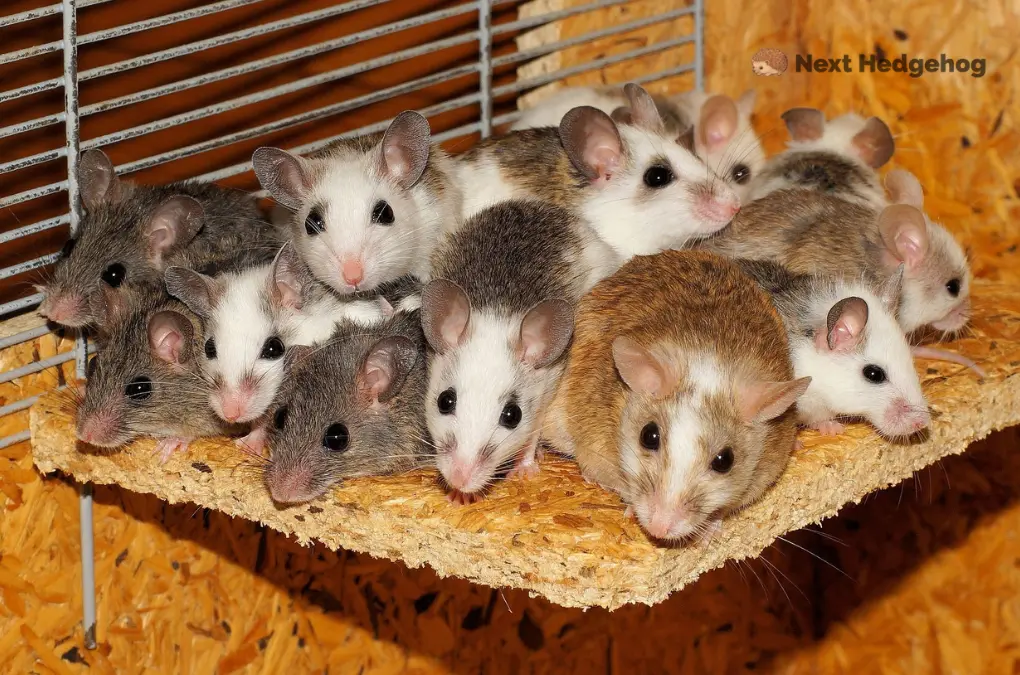
Hedgehogs are not specialized rodent hunters, but as opportunistic feeders, they may occasionally consume mice under the right conditions. This usually happens in rare or unusual situations rather than as part of their normal diet.
When it comes to mice, not all types are equally likely to be eaten—most cases depend on availability, condition of the mouse, and whether it is already dead or vulnerable.
House Mouse (Mus musculus)
The house mouse is the most common type of mouse hedgehogs might encounter, especially in rural or semi-urban environments. These mice often live close to human settlements, which increases the chance of accidental encounters.
Hedgehogs may eat a house mouse only if it is already dead, injured, or extremely weak. Healthy adult house mice are too fast and alert for hedgehogs to catch. In most cases, this is an opportunistic feeding situation rather than active hunting.
Field Mouse (Apodemus species)
Field mice are typically found in gardens, grasslands, and agricultural areas. They are slightly more cautious and agile compared to house mice, making them even harder for hedgehogs to capture.
If a hedgehog comes across a field mouse, it is far more likely to ignore it unless the mouse is already dead or immobile. Even then, consumption is rare and depends on availability of easier food sources like insects and worms.
Baby Mice (Pups)
Baby mice, or pups, are the most vulnerable type and the only ones hedgehogs might realistically consume if encountered. Because they are blind, hairless, and unable to escape, they can become easy opportunistic prey.
However, such situations are extremely uncommon in nature and would only occur in very specific environments where hedgehogs and nesting mice overlap.
Injured or Dead Mice
This is the most realistic scenario in which hedgehogs may eat mice. If a hedgehog finds a dead or severely injured mouse, it may consume it as a source of protein.
Still, even in this case, mice are not preferred food. Hedgehogs will usually prioritize insects, worms, and other softer prey before turning to carrion.
Are Mice Safe for Hedgehogs?
Mice are generally not a safe or suitable food for hedgehogs. Although a hedgehog might occasionally eat a dead or weak mouse in the wild, this is rare and not part of their natural diet.
The main concern is that wild mice can carry parasites and bacteria that may harm hedgehogs. Even if the mouse is safe to eat, it still doesn’t provide the right nutrition for them compared to their usual diet of insects and worms.
In simple terms, hedgehogs may eat mice in very rare situations, but they are not a safe or recommended food for them.
Nutritional Value of Mice
Mice do contain a decent amount of protein and fat, which is why they can technically provide energy for carnivorous or opportunistic animals. However, for hedgehogs, they are not an ideal or balanced food source compared to insects and specially formulated diets.
Here’s a simple breakdown of the nutritional value of mice:
| Nutrient | Approx. Value (per 100g) | Notes |
|---|---|---|
| Protein | High (~18–20g) | Supports muscle and energy, but not balanced for hedgehogs |
| Fat | Moderate (~7–10g) | Provides energy but can be heavy if overconsumed |
| Water | ~65–70% | Helps hydration but varies by mouse type |
| Fiber | Very low | Not suitable for hedgehog digestive needs |
| Vitamins & Minerals | Moderate | Present, but not in optimal ratios for hedgehogs |
Benefits of Feeding Mice to Hedgehogs
Feeding mice to hedgehogs is not common, but in very rare cases—mostly in the wild—it can provide some short-term nutritional benefits. However, it is important to remember that this is not a natural or recommended diet for them. Still, here are a few potential benefits:
- High protein content: Mice provide a good amount of protein, which can help with energy and body maintenance in emergency situations.
- Quick energy source: The fat content in mice can give a temporary energy boost if no other food is available.
- Survival food option: In rare wild conditions, a hedgehog may use mice as an alternative food when insects are scarce.
- Natural scavenging behavior: Eating small animal remains fits their opportunistic feeding nature in extreme environments.
Overall, while mice can offer some nutritional value, they are not necessary or ideal for hedgehogs, and their normal insect-based diet is much healthier and safer.
Risks Factors of Overfeeding Mice
Feeding mice to hedgehogs too often can create more problems than benefits. While it may seem like a protein-rich option, it is not suitable as a regular part of their diet and can negatively affect their health over time.
- Nutritional imbalance: Overfeeding mice can reduce intake of insects and other natural foods, leading to an unbalanced diet.
- Digestive issues: Hedgehogs are not built to process large amounts of rodent meat, which may cause stomach discomfort or irregular digestion.
- Risk of parasites and disease: Wild mice can carry harmful bacteria, worms, or infections that may affect hedgehogs.
- Excess fat intake: Mice contain more fat than hedgehogs typically need, which can contribute to unhealthy weight gain.
- Behavioral changes: Relying on unusual prey may disrupt natural foraging habits over time.
Hedgehogs Mice Feeding Guide
Hedgehogs are not meant to be fed mice as part of any normal diet, but in rare or accidental situations—especially in the wild—it can help to understand how such feeding scenarios are viewed.
Below is a more detailed guide explaining those uncommon cases.
Step 1: Identify Whether Feeding Mice Is Necessary
Before anything else, it’s important to understand that hedgehogs do not require mice for nutrition. Their natural diet is made up of insects, worms, beetles, and other invertebrates.
Mice only become relevant in extreme or accidental situations, such as food scarcity in the wild. In captivity, there is almost never a valid reason to include mice in their diet.
Step 2: Assess the Condition and Source of the Mouse
If a hedgehog encounters a mouse, it is usually already dead, injured, or extremely weak. Healthy mice are fast and capable of escaping, making them unrealistic prey. Even then, the source matters—wild mice may carry parasites or diseases, which increases health risks. This is why such feeding situations are considered accidental rather than intentional.
Step 3: Consider the Environment (Wild vs. Captivity)
In the wild, hedgehogs may opportunistically consume a dead mouse if nothing better is available. However, in captivity, this should be avoided entirely. Controlled diets are designed to meet their nutritional needs safely, and introducing rodents can create unnecessary health risks and imbalance in their diet.
Step 4: Limit and Avoid Regular Feeding
Even in rare cases where a hedgehog eats a mouse, it should never become a repeated food source. Mice are not nutritionally balanced for hedgehogs and are higher in fat and protein than needed.
A proper diet should always prioritize insects and specially formulated hedgehog or insect-based foods.
Step 5: Monitor for Any Health Changes (If Applicable)
If a hedgehog accidentally consumes a mouse, especially in captivity, it should be observed for any unusual symptoms such as lethargy, loss of appetite, or digestive upset.
While most healthy hedgehogs may not show immediate issues, any concerning signs should be addressed with a veterinarian experienced in small animals.
Feeding Frequency Guidelines: By Age & Amount
Hedgehogs have different feeding needs depending on their age, size, and activity level. Since they are mainly insectivores, their diet should be consistent, balanced, and portion-controlled rather than heavy or irregular feeding.
Below is a simple guide to help understand how often and how much they should eat.
| Age Group | Feeding Frequency | Daily Amount | Notes |
|---|---|---|---|
| Baby Hedgehogs (4–8 weeks) | 3–4 times per day | Small, soft portions | High energy needs, growing rapidly |
| Juveniles (2–6 months) | 2–3 times per day | Moderate portions | Focus on protein-rich insects and starter food |
| Adults (6 months–3 years) | 1–2 times per day | 1–2 tablespoons (dry food + insects) | Balanced diet is important for weight control |
| Senior Hedgehogs (3+ years) | 1 time per day | Smaller portions | Lower metabolism, avoid overfeeding |
Live vs Dead vs Cooked Mice
Hedgehogs are not natural rodent hunters, so the idea of feeding them mice in different forms is mostly theoretical and based on rare or unusual situations. Still, it helps to understand the differences between live, dead, and cooked mice when discussing safety and suitability for hedgehogs.
Live Mice
Live mice are not suitable for hedgehogs at all. Hedgehogs are slow, methodical foragers, not active hunters. They rely on smell and hearing to locate insects rather than chasing fast-moving prey. A healthy mouse would almost always escape before any interaction occurs.
Even if a hedgehog attempted to engage, it is not built to safely kill or handle live rodents. There is also a risk of injury to the hedgehog from defensive bites or scratches. For these reasons, live mice are neither natural nor appropriate food and should never be considered in captivity.
Dead Mice
Dead mice are the only form a hedgehog might realistically encounter in nature. In rare cases, if food is scarce, a hedgehog may nibble on a carcass. However, this is opportunistic rather than preferred behavior.
The main concern with dead mice is safety. They may carry bacteria, parasites, or begin decomposing quickly, especially in warm environments. Even if consumed, they do not offer a clean or reliable nutritional profile compared to insects, which are much safer and easier to digest for hedgehogs.
Cooked Mice
Cooked mice remove some biological risks like parasites, but they still do not become a suitable hedgehog food. Cooking changes texture and nutrient balance, but it does not make rodents a natural part of their diet.
Hedgehogs require a specific balance of protein, fiber, and micronutrients that is best provided through insects and specially formulated hedgehog or insect-based diets. Cooked mice are still too fatty, not behaviorally natural, and unnecessary for their health.
Final Decision
In all cases—live, dead, or cooked—mice are not an appropriate or recommended food for hedgehogs. While a dead mouse might occasionally be consumed in the wild out of necessity, it is not part of their natural dietary pattern. A healthy hedgehog diet should always prioritize insects, worms, and safe formulated foods designed specifically for their nutritional needs.
Alternative Items You Can Offer
Hedgehogs don’t need mice or any rodent-based food to stay healthy. In fact, their ideal diet is much simpler and closer to what they naturally eat in the wild.
If you’re looking for safe and nutritious alternatives, there are several better options that support their health, energy, and digestion.
- Mealworms: One of the most popular hedgehog foods, mealworms are rich in protein and closely match their natural insect-based diet. They should be given in moderation due to their fat content.
- Crickets: Crickets are highly nutritious and easy for hedgehogs to digest. They also encourage natural hunting behavior, making feeding more engaging.
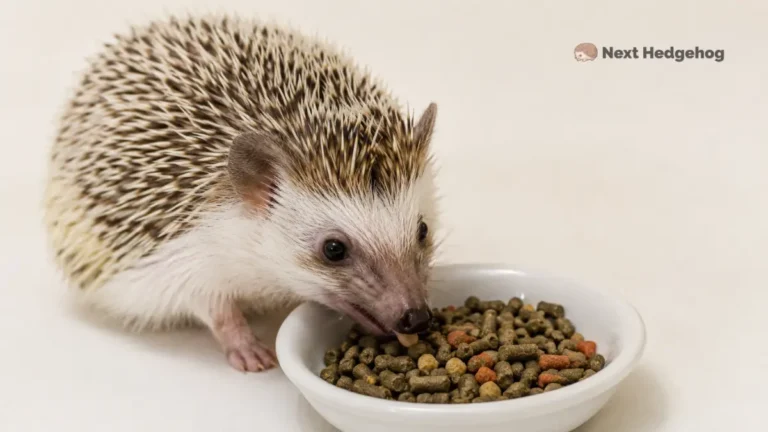
- High-quality hedgehog or cat kibble: Specially formulated dry food provides balanced nutrition, including protein, vitamins, and minerals that hedgehogs need for daily health.
- Earthworms: A natural food source for wild hedgehogs, earthworms are soft, protein-rich, and easy to digest, making them an excellent staple addition.
- Cooked lean meats (occasional use): Small amounts of plain, cooked chicken or turkey can be offered occasionally as a protein boost, but they should never replace insects in the diet.