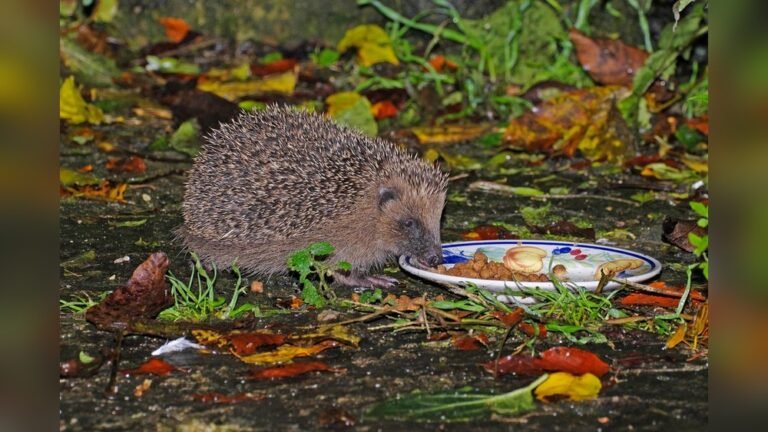
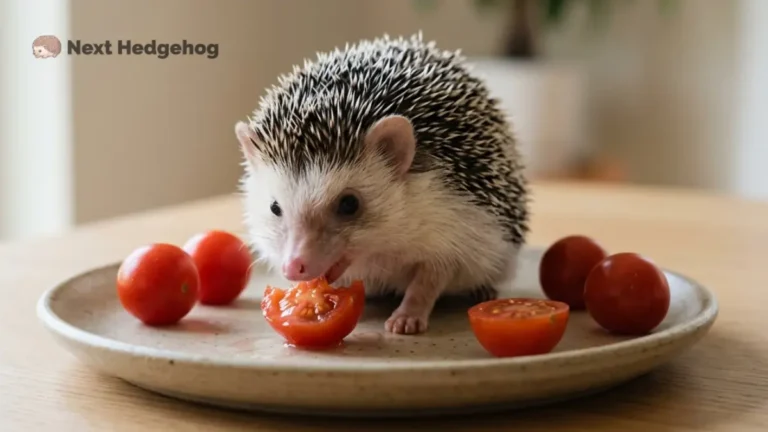
Can Hedgehogs Eat Ants? Are They Safe or Dangerous?
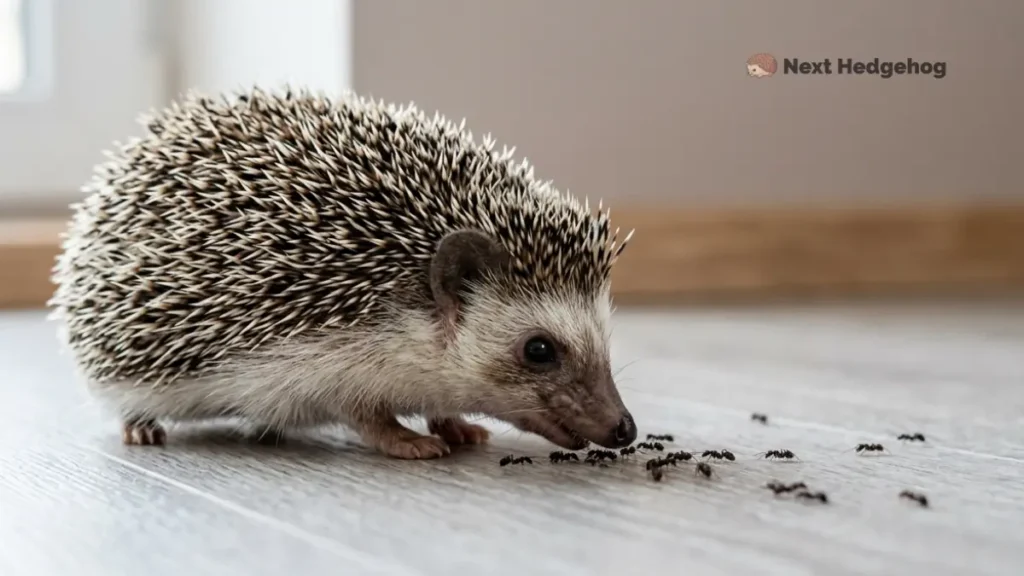
Yes, hedgehogs can eat ants—but only in small amounts and not as a regular part of their diet.
Hedgehogs are natural insect-eaters, which means their diet in the wild mainly includes insects like beetles, worms, and other small invertebrates. Ants fall into that category, so it might seem like a perfect snack for them.
However, not all ants are equally safe or nutritious for hedgehogs, and in some cases, ants can even cause mild irritation or digestive discomfort if eaten in large numbers.
If you’re a hedgehog owner or just curious about their eating habits, understanding what insects are safe, and which should be limited for keeping these adorable spiky pets healthy.
In this article, we’ll explore whether ants are a safe treat, how often hedgehogs can eat them, and what better insect alternatives you should consider for a
What is Ant?
An ant is a very small insect that belongs to the family Formicidae. Ants live in large groups called colonies and are found almost everywhere in the world, except extremely cold places like Antarctica.
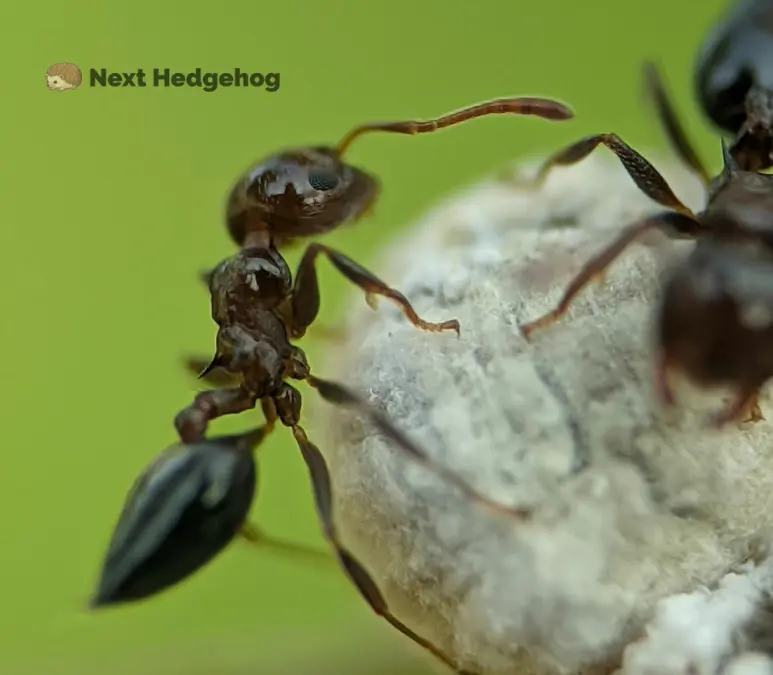
Each ant colony usually has different roles:
- Queen ant – lays eggs and grows the colony
- Worker ants – search for food, build nests, and protect the colony
- Male ants – mainly exist to reproduce with the queen
Ants are known for their strong teamwork and ability to carry objects much heavier than their own body weight. They commonly feed on things like sugar, seeds, plants, and small insects.
Because they are so common and widely available in nature, ants sometimes become part of the diet of insect-eating animals like hedgehogs, birds, and lizards.
Can Ants Bite Hedgehogs?
Yes, ants can bite hedgehogs—but it usually doesn’t cause serious harm.
Some ant species are capable of biting or even stinging when they feel threatened. When a hedgehog tries to eat ants, especially in large numbers or near an active ant colony, the ants may defend themselves by biting the hedgehog’s snout, feet, or soft skin areas.
However, hedgehogs are naturally well-protected by their spines, and their tough skin makes them less vulnerable compared to many other small animals. A few ant bites may cause minor irritation, but they are rarely dangerous.
The real concern comes from certain aggressive or venomous ant species. These can cause more discomfort, swelling, or stress if a hedgehog disturbs a nest.
So while ants can bite hedgehogs, in most cases it’s more of a mild nuisance than a serious threat.
Different Types of Ants Hedgehogs Can Eat
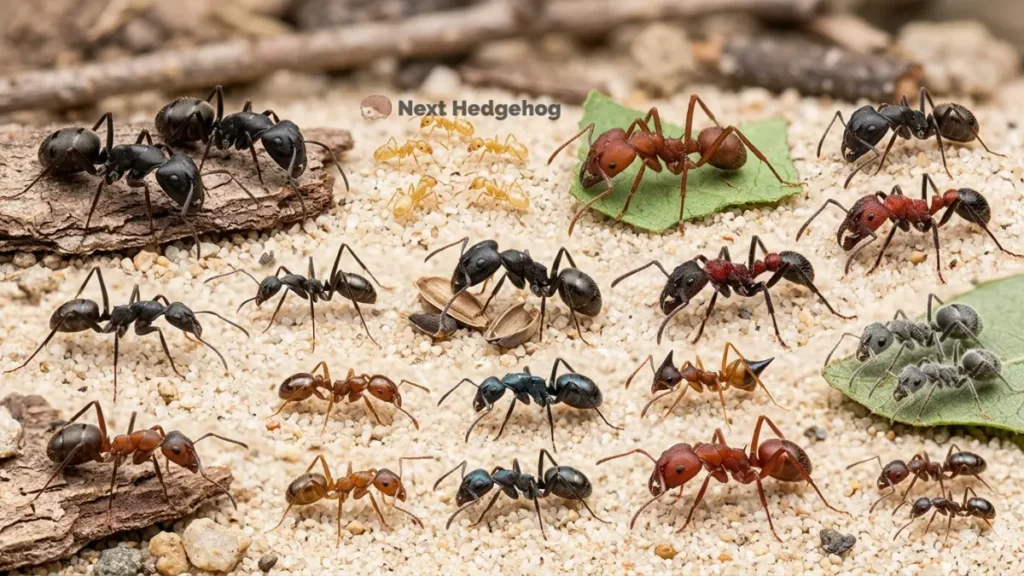
Hedgehogs are opportunistic insect-eaters, which means they may snack on different types of ants if they come across them in the wild. However, not all ants are equally safe or suitable for them.
Some are relatively harmless in small amounts, while others can cause irritation or stress due to biting or chemical defenses.
Here are the different types of ants hedgehogs may encounter and potentially eat:
Small Black Garden Ants
These are the most common ants found in gardens and homes. They are generally harmless and are often eaten accidentally or intentionally by hedgehogs while foraging. Because of their small size and mild defense, they pose minimal risk in small quantities.
Sugar Ants
Sugar ants are attracted to sweet foods and plant material. They are also relatively small and non-aggressive. Hedgehogs may eat them without much issue, especially when hunting insects at night. Still, they don’t provide much nutritional value compared to other insects.
Carpenter Ants
Carpenter ants are larger and stronger than typical garden ants. They can bite more noticeably if disturbed. While hedgehogs can eat them, they are not ideal due to their size and stronger defense behavior, which may cause discomfort.
Fire Ants (Not Recommended)
Fire ants are aggressive and can sting repeatedly. If a hedgehog disturbs a fire ant colony, it may experience painful bites and irritation. These ants are not safe and should be avoided completely.
Leafcutter Ants
Leafcutter ants are more commonly found in tropical regions. They are not typically part of a hedgehog’s natural diet. Their strong jaws and colony defense behavior make them unsuitable as food.
Are Ants Safe for Hedgehogs?
Ants are only partially safe for hedgehogs (not a regular safe food item), and they are not an ideal or recommended food source.
In the wild, hedgehogs may occasionally eat ants without serious problems, especially when other insects are scarce. Small, non-aggressive ants like garden ants are usually harmless in tiny amounts and are simply treated as part of their natural foraging behavior.
However, this does not mean ants are a safe or nutritious regular food for hedgehogs.
The main concern is that ants can bite or sting, and some species release defensive chemicals that may irritate a hedgehog’s mouth, nose, or sensitive skin. While a hedgehog’s spines offer protection, repeated encounters with aggressive ants can still cause discomfort, stress, or mild inflammation.
From a nutritional perspective, ants are also not very beneficial compared to other insects. They don’t provide the balanced protein and fat content that hedgehogs need for a healthy diet. For pet hedgehogs especially, relying on ants is not recommended at all.
Nutritional Value of Ants
Ants might look like tiny snacks for hedgehogs, but nutritionally they are quite basic compared to other feeder insects. They contain some protein and essential nutrients, but the overall value depends heavily on the species, size, and what the ants have been feeding on in their environment.
In most cases, ants are more of an incidental food source rather than a meaningful part of a hedgehog’s diet.
Here’s a simple breakdown of the general nutritional profile of ants:
| Nutrient Component | Approximate Value (General Ants) | Notes |
|---|---|---|
| Protein | Moderate (10–20%) | Helps muscle growth, but lower than crickets or mealworms |
| Fat | Low to moderate | Varies by species and diet |
| Fiber (Chitin) | High | Hard exoskeleton can be difficult to digest in large amounts |
| Vitamins | Small amounts | Depends on environment and diet of ants |
| Minerals | Trace amounts | Includes calcium, iron, and magnesium in minimal levels |
| Water Content | Moderate | Fresh ants contain some moisture |
Benefits of Feeding Ants to Hedgehogs
Feeding ants to hedgehogs is not something that is usually recommended as a regular practice, but in very small and occasional amounts, it can offer a few minor benefits—especially in a natural or wild foraging setting. However, these benefits are quite limited compared to other insects like crickets or mealworms.
Here are a few potential benefits of ants for hedgehogs:
- Natural foraging behavior stimulation: Ants can encourage hedgehogs to engage in natural hunting and sniffing behaviors, which is mentally stimulating and good for their instincts.
- Easy availability in the wild: Ants are everywhere, making them an accessible food source when other insects are not available.
- Low-calorie snack option: Because ants are small and low in fat, they do not contribute heavily to weight gain, which can be useful in very controlled natural conditions.
- Variety in diet (occasional): In the wild, hedgehogs benefit from dietary variety, and ants may occasionally contribute to that diversity.
- Supports natural ecosystem feeding habits: Eating ants is part of a hedgehog’s natural role as an insectivore in the ecosystem.
Risks Factors of Overfeeding Ants
Feeding ants to hedgehogs in small, accidental amounts is usually not a problem, but overfeeding them can lead to several health and behavioral risks. Since ants are not a balanced or controlled food source, relying on them too much can negatively affect a hedgehog’s overall well-being.
Here are the main risks of overfeeding ants to hedgehogs:
- Mouth and skin irritation: Many ants can bite or release defensive chemicals. Frequent exposure may cause irritation around the hedgehog’s mouth, nose, or paws.
- Digestive discomfort: Ants have a hard outer shell (chitin), which is difficult to digest in large amounts and may lead to mild stomach upset.
- Exposure to toxic or aggressive species: Overfeeding increases the chance of encountering harmful ants like fire ants, which can sting and cause pain or swelling.
- Low nutritional imbalance: Ants do not provide enough protein, fat, and essential nutrients. Overreliance can lead to poor diet quality and deficiencies over time.
- Stress and behavioral disturbance: If ants bite repeatedly, hedgehogs may become stressed or avoid natural foraging behavior in certain environments.
- Parasite or contamination risk: Wild ants may carry bacteria, pesticides, or parasites depending on where they are found.
Hedgehogs Ants Feeding Guide
Hedgehogs are natural insect hunters, and while they may occasionally eat ants in the wild, feeding them should be done with caution and proper understanding. Ants are not a primary food source, so this guide focuses on safe handling rather than regular feeding.
Step 1: Identify the Type of Ants
The first and most important step is recognizing what kind of ants are present. Small garden ants are usually less harmful, while aggressive species like fire ants or large carpenter ants can pose a real risk due to biting, stinging, or chemical defenses.
If you cannot clearly identify the species, it is safer to assume they are not suitable for interaction. Wild environments can also contain ants exposed to pesticides, which adds another layer of risk.
Step 2: Avoid Ant Nests Completely
Never allow a hedgehog to dig into or feed directly from an ant colony. Ant nests can trigger mass defensive behavior, meaning hundreds of ants may bite or swarm at once. This can cause stress, skin irritation, and in some cases painful reactions.
Even hedgehogs, despite their spines, have vulnerable areas like the nose, eyes, and feet that can be affected. Keeping them away from nests is essential for safety.
Step 3: Limit Ant Exposure Strictly
If ants are naturally present in an outdoor environment, a hedgehog might accidentally consume a few while foraging. This is generally harmless in very small quantities. However, intentional feeding or encouraging them to eat ants is not recommended.
Ants do not offer balanced nutrition, and repeated exposure increases the chance of irritation or digestive issues. Think of ants as accidental snacks rather than a food source.
Step 4: Watch for Any Negative Reactions
After any accidental exposure to ants, observe the hedgehog carefully. Signs like excessive scratching, paw licking, nose rubbing, reduced appetite, or unusual restlessness may indicate irritation.
While most hedgehogs will not have a serious reaction, sensitivity varies. If any discomfort is noticed, it’s best to avoid future exposure and switch to safer insects.
Step 5: Use Safer Insect Alternatives
Instead of relying on ants, provide nutritionally balanced feeder insects such as mealworms, crickets, or roaches specifically raised for pet consumption. These options are safer, easier to digest, and provide better protein and fat content needed for a hedgehog’s health.
A controlled diet ensures long-term wellness and avoids the unpredictable risks associated with wild insects.
Feeding Frequency Guidelines: By Age & Amount
Feeding hedgehogs properly is very important for their growth, energy, and overall health. Their dietary needs change depending on age, activity level, and metabolism. Since hedgehogs are insectivores, the key is to balance high-quality protein with controlled portions to avoid obesity or malnutrition.
Here’s a simple feeding frequency guide based on age:
| Age of Hedgehog | Feeding Frequency | Portion Size (Per Feeding) | Notes |
|---|---|---|---|
| Baby (0–8 weeks) | 3–4 times daily | Small portions of soft, high-protein food | Needs constant energy for growth and development |
| Juvenile (2–6 months) | 2 times daily | Moderate portions of insects + hedgehog food | Rapid growth stage, high protein required |
| Young Adult (6–12 months) | 1–2 times daily | Controlled portions to avoid weight gain | Transition to stable adult diet |
| Adult (1–4 years) | Once daily (evening preferred) | Balanced portion of insects + dry food | Most active at night, needs steady diet |
| Senior (4+ years) | Once daily or as advised | Smaller, easier-to-digest portions | May require softer food and reduced calories |
Live vs Cooked Ants
When it comes to feeding ants to hedgehogs, one common question is whether they should be given live or cooked. While hedgehogs are natural insect hunters and usually prefer live prey, ants are a special case because of their defensive behavior and low nutritional value.
Understanding both options helps you decide what is safer and more appropriate.
Live Ants
Live ants are what hedgehogs would naturally encounter in the wild. In small amounts, a hedgehog may catch and eat them while foraging. However, live ants can bite, sting, and release defensive chemicals, which may irritate the hedgehog’s mouth, nose, or paws.
There is also the risk of encountering aggressive species like fire ants. Because of these factors, live ants are not considered a safe or controlled food option for pet hedgehogs.
Cooked Ants
Cooking ants (boiling or heating) may reduce their ability to bite or sting, but it also removes much of their natural nutritional value. Additionally, cooked ants are not a natural or recommended part of a hedgehog’s diet.
They are still low in nutrients compared to proper feeder insects like crickets or mealworms, and there is no practical benefit in preparing them this way for pets.
Final Decision
Overall, neither live nor cooked ants are ideal for hedgehogs. While live ants pose safety risks from bites and stings, cooked ants offer little to no nutritional advantage.
For pet hedgehogs especially, it is always better to avoid ants entirely and focus on safe, well-balanced insect options that support long-term health and nutrition.
Alternative Items You Can Offer
If you’re looking for safer and more nutritious options than ants, there are several excellent insect-based foods that better match a hedgehog’s natural dietary needs.
These alternatives provide higher protein, better digestibility, and far fewer risks like bites, irritation, or toxins.
- Mealworms: One of the most popular hedgehog foods, mealworms are rich in protein and easy to find in pet stores. They are much safer than ants and can be offered live or dried in controlled amounts.
- Crickets: Crickets are highly nutritious and closely resemble a hedgehog’s natural prey. They provide good protein and encourage natural hunting behavior without the risks associated with wild ants.
- Dubia Roaches: These are soft-bodied, slow-moving insects that are easy to digest and packed with nutrients. They are considered one of the safest feeder insects for pet hedgehogs.
- Waxworms (Occasional Treat): Waxworms are high in fat and should only be given as an occasional treat. They are far more nutritious and safer than ants when used sparingly.
- Specially Formulated Hedgehog Food: Commercial hedgehog pellets are designed to provide balanced nutrition, including protein, vitamins, and minerals that ants simply cannot offer.