Can Hedgehogs Eat Zucchini? Benefits, Nutrients & More
Zucchini might seem like a harmless, healthy veggie—but is it actually safe for your hedgehog? If you’re building a balanced and nutritious diet for your tiny spiky companion, it’s important to know which foods truly support their health and which ones should only be given in moderation.
While hedgehogs are primarily insectivores, many owners like to add small portions of fresh vegetables to keep their diet varied and enriching.
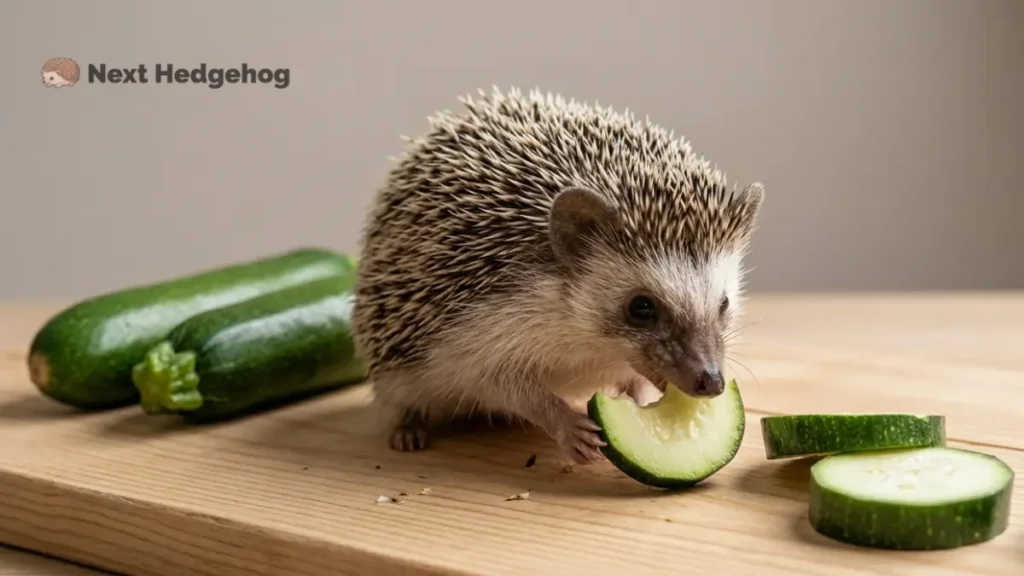
In this guide, we’ll take a closer look at whether zucchini is a good choice for hedgehogs, its nutritional benefits, potential risks, and the right way to serve it. By the end, you’ll know exactly how (and if) zucchini fits into your hedgehog’s feeding routine without causing any harm.
What is Zucchini?
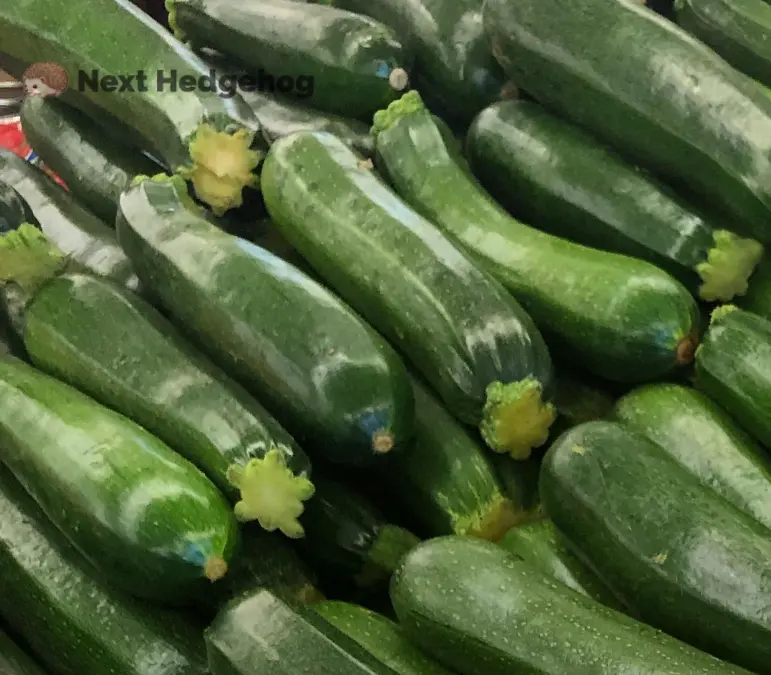
Zucchini is a type of summer squash that belongs to the gourd family. It has a soft texture, mild flavor, and is usually dark green in color, though some varieties can be yellow.
It is widely used as a vegetable in cooking and can be eaten raw or cooked in many dishes. Zucchini is low in calories and contains water, fiber, and essential nutrients like vitamin C, vitamin A, and potassium, making it a popular choice in healthy diets.
Different Types of Zucchini
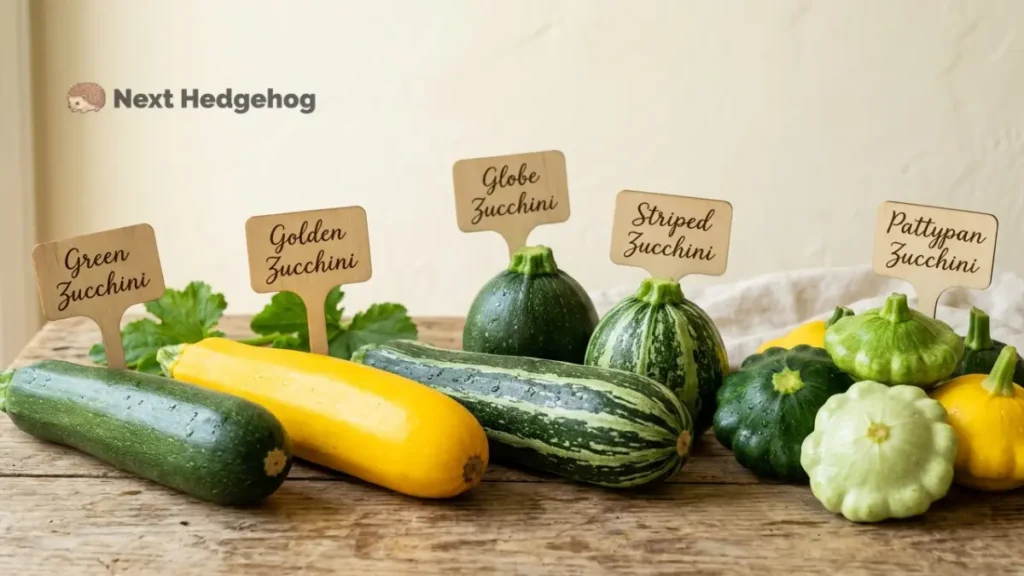
Zucchini comes in several varieties, each with slight differences in color, shape, and taste. While all types are generally similar in nutrition, knowing the variations can help you choose the best option.
- Green Zucchini (Classic): The most common type, with dark green skin and soft, pale flesh. It has a mild flavor and is widely available in markets.
- Golden (Yellow) Zucchini: Bright yellow in color with a slightly sweeter taste than green zucchini. It looks similar to yellow squash but has a smoother texture.
- Round Zucchini (Globe Zucchini): Short and ball-shaped instead of long. It’s often used for stuffing due to its unique shape.
- Striped Zucchini (Italian or Cocozelle): Features light green stripes along the skin. It has a slightly firmer texture and richer flavor.
- Pattypan Squash: A small, flat, and scalloped variety that can be yellow, green, or white. It has a slightly firmer texture and is often used in gourmet dishes.
All these types are safe in small amounts, but plain, fresh zucchini—especially the common green variety—is usually the best choice for hedgehogs.
Is Zucchini Safe for Hedgehogs?
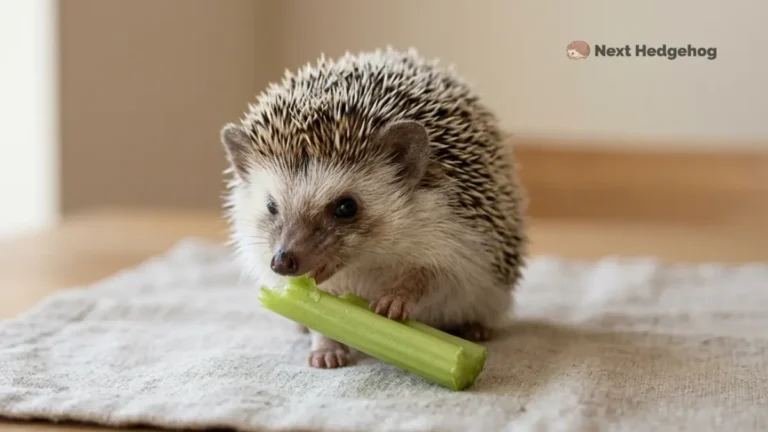
Yes, zucchini is generally safe for hedgehogs when given in small amounts.
It’s a soft, low-calorie vegetable that contains water, fiber, and some vitamins, making it a light and hydrating treat. However, hedgehogs are primarily insectivores, so vegetables like zucchini should only make up a very small portion of their diet.
The key is moderation. Too much zucchini can lead to digestive upset or loose stools due to its high water content. Always serve it fresh, plain (no seasoning), and cut into tiny, easy-to-eat pieces.
Nutritional Value Of Zucchini
Zucchini is a light, nutrient-rich vegetable that can be a healthy addition when offered in moderation. It is mostly made up of water, making it low in calories while still providing small amounts of essential vitamins and minerals. For hedgehogs, zucchini works best as an occasional treat rather than a dietary staple.
Nutritional Value of Zucchini (per 100g)
| Nutrient | Amount |
|---|---|
| Calories | 17 kcal |
| Water | ~95% |
| Protein | 1.2 g |
| Carbohydrates | 3.1 g |
| Fiber | 1.0 g |
| Fat | 0.3 g |
| Vitamin C | 17 mg |
| Vitamin A | 200 IU |
| Potassium | 261 mg |
| Magnesium | 18 mg |
Benefits of Feeding Zucchini to Hedgehogs
Zucchini can be a gentle and refreshing addition to a hedgehog’s diet when offered occasionally. While it should never replace their protein-rich main meals, small portions can provide a few supportive health benefits.
Major benefits of feeding zucchini to Hedgehogs:
- Low in Calories: Zucchini is very low in calories, making it a safe treat that won’t contribute to unnecessary weight gain.
- Hydration Support: With a high water content, it can help keep your hedgehog slightly hydrated, especially in warmer conditions.
- Easy to Digest (in small amounts): Its soft texture makes it easier to chew and digest compared to harder vegetables.
- Provides Fiber: A small amount of fiber can support healthy digestion and regular bowel movements.
- Contains Essential Vitamins: Offers small amounts of vitamins like vitamin C and vitamin A, which contribute to overall health.
- Adds Diet Variety: Introducing safe vegetables like zucchini can make your hedgehog’s diet more interesting and enriching.
Risks Factors of Overfeeding Zucchini
While zucchini is safe in small amounts, overfeeding it can lead to several health issues for your hedgehog. Since their diet should be mainly protein-based, too much of any vegetable—especially one high in water like zucchini—can disrupt their nutritional balance.
Risk factors of overfeeding Zucchini:
- Digestive Upset: Excess zucchini can cause stomach issues like bloating, discomfort, or diarrhea.
- Loose Stools: Its high water content may lead to soft or runny stools when fed in large quantities.
- Nutritional Imbalance: Filling up on zucchini can reduce appetite for essential protein-rich foods that hedgehogs truly need.
- Low Protein Intake: Since zucchini contains very little protein, overfeeding may result in a diet lacking proper nutrition.
- Reduced Appetite: Hedgehogs may feel full quickly, leading them to eat less of their main, more important diet.
- Potential Pesticide Exposure: If not properly washed, zucchini may carry pesticide residues that can be harmful over time.
To keep your hedgehog healthy, zucchini should always be treated as an occasional snack, not a regular food source.
Hedgehogs Zucchini Feeding Guide
Feeding zucchini to your hedgehog can be safe and beneficial—but only when done correctly. Since hedgehogs have very specific dietary needs, it’s important to follow a proper feeding approach to avoid digestive issues or nutritional imbalance.
Follow the below guideline to properly feed Zucchini to your Hedgehogs:
- Keep It Occasional: Zucchini should only be a treat, not a regular part of the diet. Offer it 1–2 times per week at most.
- Serve in Small Portions: A few tiny pieces (about 1–2 teaspoons total) are enough. Overfeeding can quickly lead to stomach problems.
- Always Wash Thoroughly: Rinse zucchini well under clean water to remove dirt, pesticides, or chemicals before serving.
- Serve Plain and Fresh: Never add salt, oil, spices, or seasoning. Keep it completely plain.
- Raw or Lightly Cooked: You can offer it raw (finely chopped) or lightly steamed to soften it. Avoid overcooking, as it can lose nutrients.
- Cut Into Tiny Pieces: Hedgehogs have small mouths, so chop zucchini into very small, bite-sized pieces to prevent choking.
- Remove Uneaten Food: Take out any leftover zucchini after a few hours to prevent spoilage and bacterial growth.
- Monitor for Reactions: After feeding, watch for signs like diarrhea, bloating, or reduced appetite. If any issues appear, stop feeding zucchini.
- Balance with Protein-Rich Diet: Always prioritize high-protein foods like insects or quality hedgehog food. Zucchini should never replace their main diet.
Following these guidelines ensures your hedgehog can safely enjoy zucchini without compromising its health.
Feeding Frequency Guidelines: By Age & Amount
Feeding zucchini to hedgehogs should always be controlled based on their age and portion size. Younger hedgehogs have more sensitive digestive systems, while adults can tolerate small amounts better. The key is to keep zucchini as an occasional treat and adjust frequency carefully.
| Age Group | Frequency | Portion Size | Notes |
|---|---|---|---|
| Baby (Under 6 weeks) | ❌ Not recommended | None | Digestive system is too sensitive for vegetables |
| Juvenile (6–12 weeks) | Very rare (once every 2 weeks) | A few tiny pieces (½ tsp) | Introduce slowly and monitor closely |
| Young Adult (3–6 months) | 1 time per week | 1 teaspoon | Only as a treat alongside main diet |
| Adult (6+ months) | 1–2 times per week | 1–2 teaspoons | Safe in moderation with balanced diet |
| Senior Hedgehog | 1 time per week | 1 teaspoon | Easier digestion preferred; consider lightly steamed |
Raw vs Cooked Zucchini
When feeding zucchini to hedgehogs, both raw and cooked forms can be used—but each has its own advantages and drawbacks. The right choice depends on your hedgehog’s digestion and preference.
Raw Zucchini
Raw zucchini is the most natural option and retains all its nutrients. It has a crisp texture and can be offered in very small, finely chopped pieces. However, because of its slightly firmer texture and higher water content, some hedgehogs may find it harder to digest or may get mild loose stools if eaten in excess.
Cooked (Steamed) Zucchini
Lightly steamed zucchini is softer and easier to chew, making it a better option for hedgehogs with sensitive digestion or older age. Cooking slightly reduces some nutrients, but it improves digestibility and lowers the risk of stomach upset. Always avoid boiling or overcooking, as this can make it too watery and nutrient-poor.
Best Choice
In most cases, lightly steamed and cooled zucchini is the safer option, especially for beginners. However, both forms are safe as long as they are served plain, in small amounts, and without seasoning.
Alternative Items You Can Offer
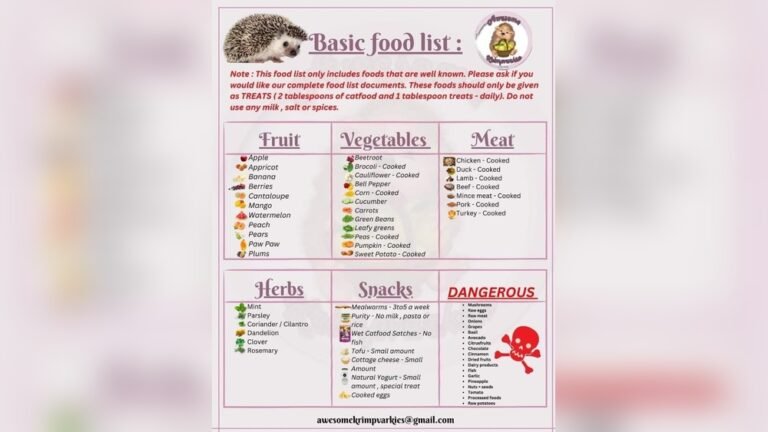
If you’re looking to add variety to your hedgehog’s diet beyond zucchini, there are several other safe and nutritious options you can offer in small amounts. These alternatives help provide different nutrients while keeping meals interesting and balanced.
Alternative items you can offer:
- Cucumber: Very hydrating and low in calories, cucumber is a light snack that is easy for hedgehogs to digest when served in small, peeled pieces.
- Pumpkin: Rich in fiber, pumpkin can support healthy digestion and is often helpful for hedgehogs with mild constipation when given occasionally.
- Carrot: Contains beta-carotene and natural sweetness. It should be finely chopped or lightly cooked to make it easier to eat and digest.
- Bell Pepper: A colorful vegetable that offers vitamin C and antioxidants. Always serve in small, soft pieces without seeds.
- Green Beans: A good source of fiber and plant nutrients. Lightly steamed green beans are easier on the hedgehog’s digestive system.