Can Hedgehogs Eat Mushrooms: Safe or Harmful for Pets?
If you have a pet hedgehog or often spot these curious creatures in your garden, you might wonder if mushrooms are a safe snack for them. After all, mushrooms grow wild in many places, and you might think they make a natural treat.
But can hedgehogs actually eat mushrooms? The truth might surprise you—and knowing the answer could protect your little friend from serious health problems. Keep reading to find out why mushrooms are not a good idea for hedgehogs and what foods you should offer instead to keep them happy and healthy.
Hedgehogs And Mushrooms
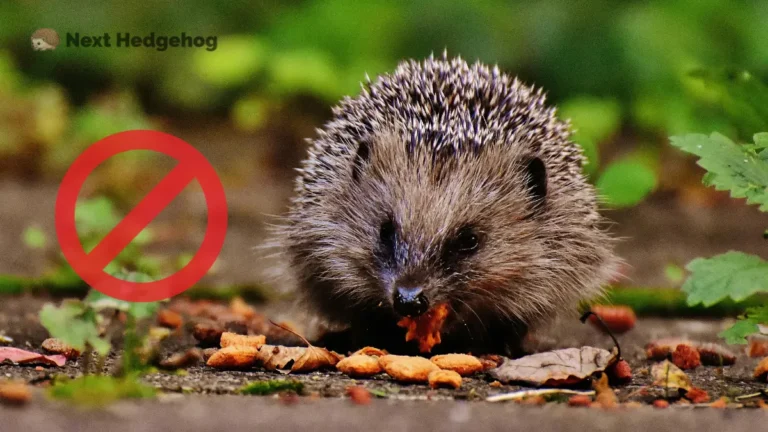
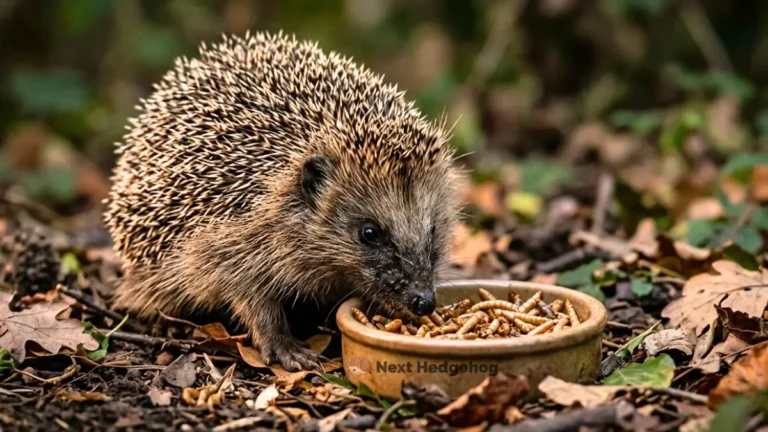
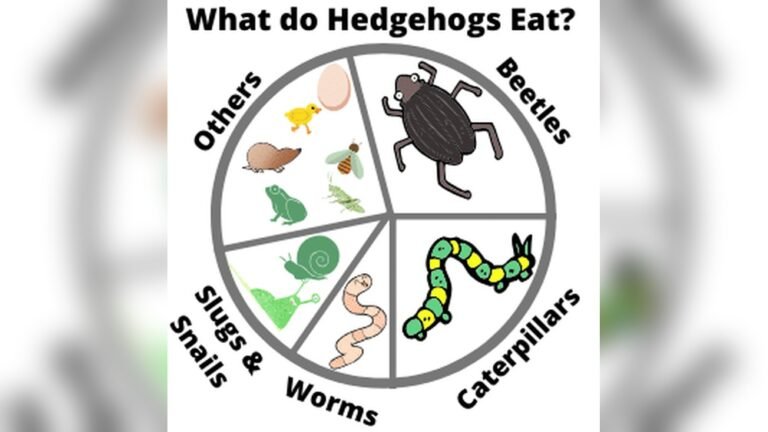
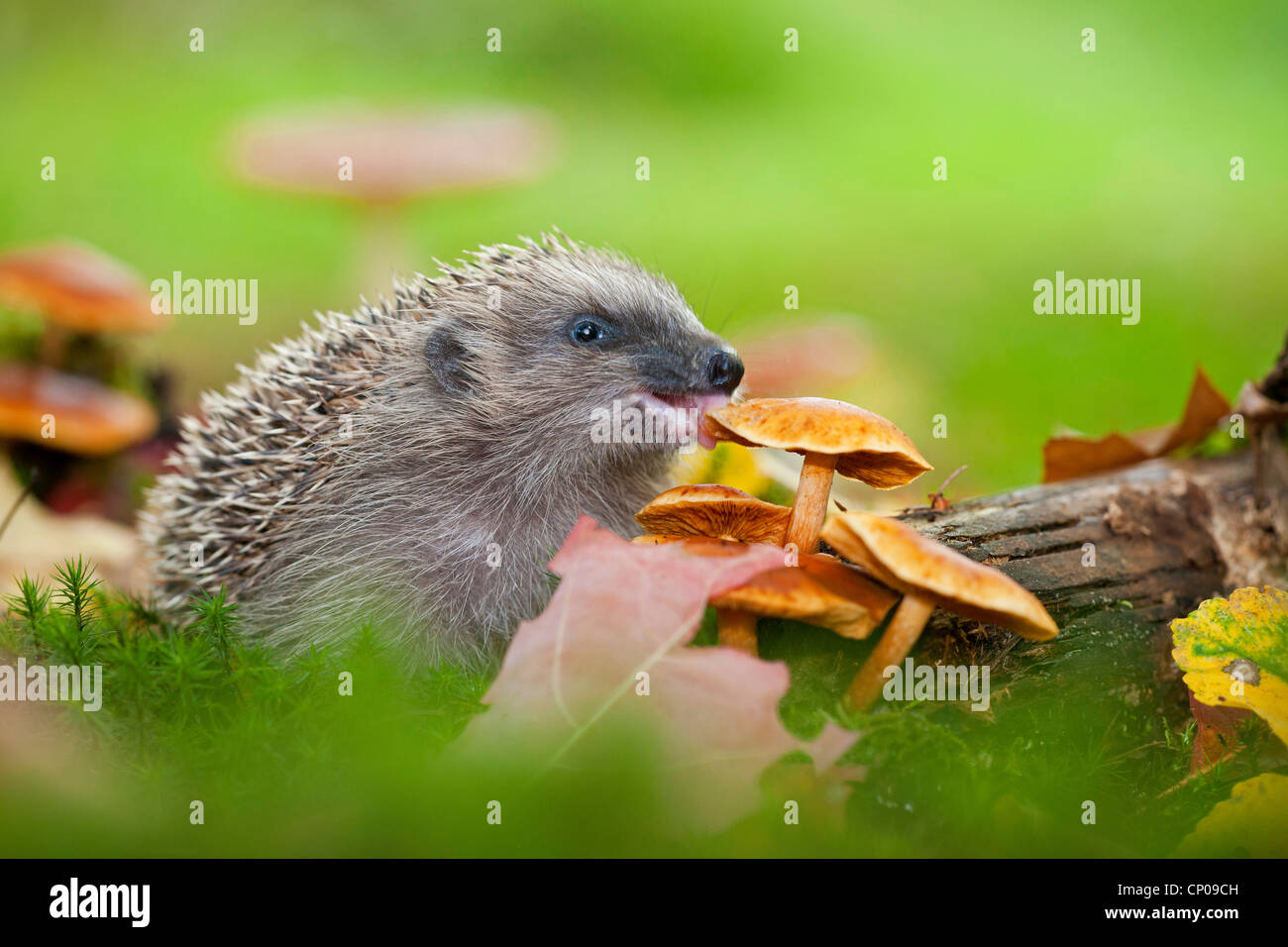
Hedgehogs are curious creatures that explore their surroundings carefully. They rely on their keen sense of smell to decide what to eat. Mushrooms often grow in the wild where hedgehogs live, but these animals rarely eat them. Their natural diet mainly includes insects and small animals, not fungi.
Mushrooms do not provide the nutrients hedgehogs need. Some types can even be harmful or toxic. Understanding why hedgehogs avoid mushrooms helps keep them safe in the wild and as pets.
Why Hedgehogs Avoid Mushrooms
Hedgehogs have short digestive systems that cannot break down mushrooms well. Their bodies are designed to digest insects and meat, not fungi. Mushrooms lack the protein and nutrients hedgehogs need to stay healthy.
These animals rely on instinct to avoid foods that may harm them. Many wild mushrooms contain toxins that affect animals negatively. Hedgehogs instinctively avoid mushrooms to protect themselves from these dangers.
Potential Risks Of Mushroom Consumption
Eating mushrooms can cause serious health problems in hedgehogs. Toxic mushrooms may lead to vomiting, diarrhea, or even death. Some mushrooms contain poisons that affect the nervous system and organs.
Wild mushrooms can also carry bacteria or pesticides from the environment. Consuming these can cause infections or chemical poisoning. For these reasons, mushrooms are unsafe for hedgehogs and should be avoided completely.
Digestive Challenges
Hedgehogs face specific digestive challenges that affect their diet choices. Their bodies are not built to handle all types of food, especially mushrooms. Understanding these challenges helps explain why mushrooms are unsafe for them.
Short Digestive Tract Limitations
Hedgehogs have a short digestive tract designed for quick digestion. This limits their ability to break down tough or unusual foods. Mushrooms contain substances that are hard to digest and may cause stomach upset. The short tract means harmful parts stay longer, increasing the risk of problems.
Fungi And Complex Plant Matter Issues
Fungi like mushrooms have complex cell walls made of chitin. Hedgehogs cannot break down chitin efficiently. Complex plant fibers in mushrooms also resist digestion. These materials can lead to bloating and discomfort. Some wild mushrooms have toxins that can be dangerous or fatal for hedgehogs.
Toxicity Concerns
Toxicity is a major concern when considering mushrooms for hedgehogs. Some mushrooms contain harmful substances that can hurt them. Hedgehogs have sensitive digestive systems that cannot handle toxins well.
Even a small amount of toxic mushroom can cause serious health problems. Knowing the risks is key to keeping your hedgehog safe from mushroom poisoning.
Poisonous Wild Mushrooms
Many wild mushrooms are poisonous and look similar to safe ones. Hedgehogs cannot tell the difference. These mushrooms may cause vomiting, diarrhea, or even death. Wild mushrooms contain toxins that affect the liver and nervous system. Avoid any wild mushrooms near where hedgehogs roam.
Chemical And Bacterial Contamination
Mushrooms can absorb chemicals from soil and pesticides. These chemicals can harm hedgehogs if eaten. Mushrooms found in gardens or parks may also carry bacteria. Bacterial contamination can lead to infections and digestive issues. Always avoid feeding mushrooms from unknown or untreated areas.

Credit: cat9984.com
Nutritional Needs Of Hedgehogs
Hedgehogs need a balanced diet to stay healthy and active. Their natural diet mainly consists of insects and small animals. These foods provide the nutrients hedgehogs require for energy and growth. Understanding their nutritional needs helps avoid feeding harmful foods.
High-protein Diet Requirements
Protein is vital for hedgehogs. It supports muscle development and overall health. Hedgehogs in the wild eat insects, worms, and small creatures rich in protein. Pet hedgehogs also need high-protein diets to mimic their natural eating habits. Low protein can lead to weakness and illness.
Why Mushrooms Lack Essential Nutrients
Mushrooms do not provide the protein or fats hedgehogs need. They contain mostly water and fiber, which hedgehogs cannot digest well. Some mushrooms may even be toxic or cause stomach problems. Feeding mushrooms offers no nutritional benefit and can harm hedgehogs.
Safe Foods For Hedgehogs
Hedgehogs need a diet full of safe and nutritious foods. Feeding them the right foods helps keep them healthy and happy. Some foods are harmful and can cause sickness. Knowing what foods are safe is important for pet and wild hedgehogs.
Hedgehogs mainly eat insects, fruits, vegetables, and special hedgehog foods. These provide the nutrients they need for energy and growth. Avoid giving them mushrooms because they can be toxic and hard to digest.
Insect Options: Mealworms, Crickets, Earthworms
Insects are a key part of a hedgehog’s diet. Mealworms, crickets, and earthworms are popular choices. These insects provide protein and fat. Always buy insects from pet stores to avoid parasites or pesticides. Do not feed wild insects as they may carry diseases or toxins.
Approved Fruits And Vegetables
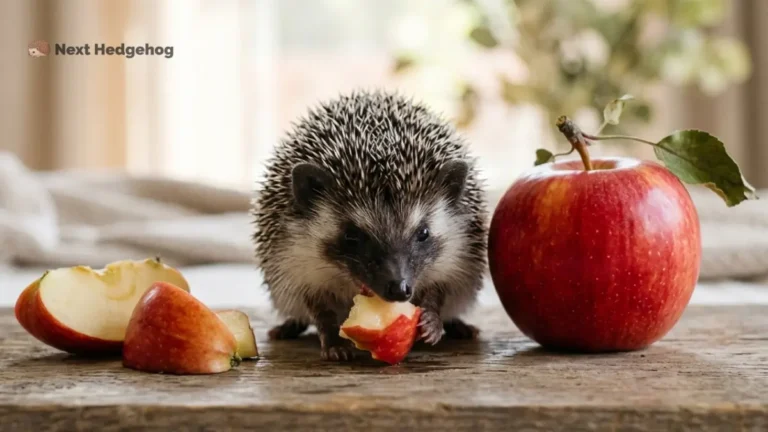
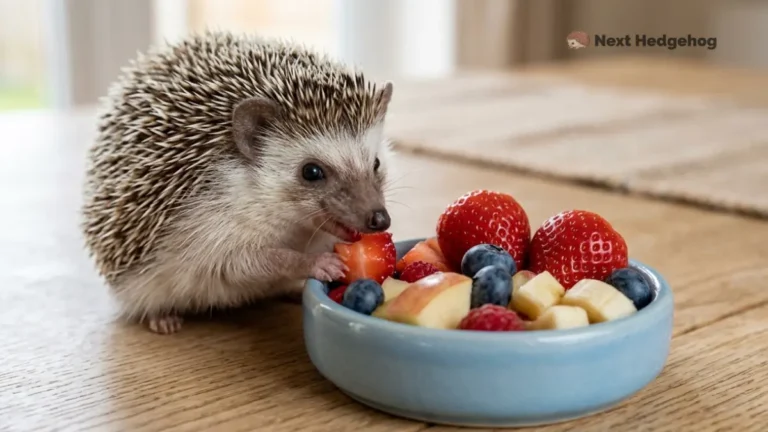
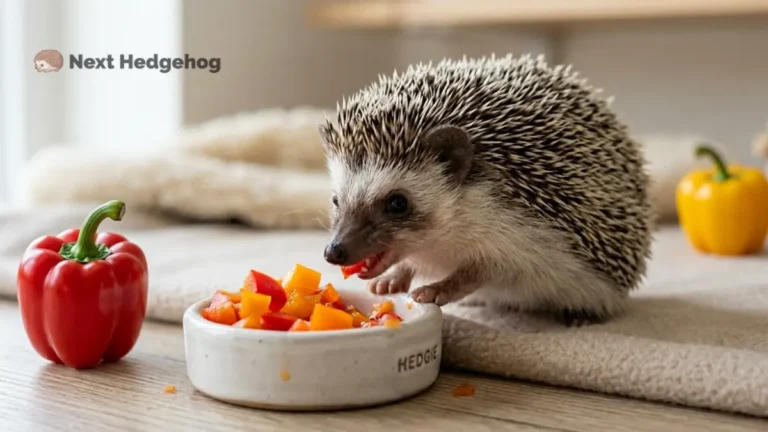
Fruits and vegetables add vitamins and fiber to a hedgehog’s diet. Safe fruits include apples, bananas, and berries. Offer small amounts to prevent stomach upset. Vegetables like peas, carrots, and green beans are good options. Avoid citrus fruits and any foods that are sour or acidic.
Commercial Hedgehog Foods
Specially made hedgehog foods are balanced for their nutritional needs. These foods contain protein, fat, and vitamins. Use commercial foods as the main part of their diet. Check the ingredients to ensure they contain no harmful additives. These foods help keep hedgehogs strong and active.
Foods To Avoid
Hedgehogs need careful feeding to stay healthy. Some foods harm their digestion or cause illness. Avoid these foods to keep your hedgehog safe and happy. Knowing what not to feed helps prevent common health problems. This section covers key foods to avoid for your pet hedgehog.
Dairy And Eggs
Dairy products can upset a hedgehog’s stomach. They often cause diarrhea and discomfort. Eggs are also risky because they are high in fat. Hedgehogs lack the enzymes to digest lactose in milk. Avoid cheese, yogurt, milk, and eggs completely. Stick to water and hedgehog-safe treats instead.
Raw And Processed Meats
Raw meat carries harmful bacteria that can make hedgehogs sick. Processed meats contain salt and preservatives. Both types can cause serious digestive issues. Cooked lean meats are safer but should be given sparingly. Always avoid raw or processed meats to protect your pet’s health.
Harmful Vegetables And Fruits
Some vegetables and fruits cause poisoning or stomach upset. Onions, garlic, and avocado are toxic to hedgehogs. Citrus fruits and tomatoes may irritate their digestive tract. Stick to safe fruits like apples and berries in small amounts. Avoid anything new without checking its safety first.
Feeding Wild Vs. Pet Hedgehogs
Feeding wild and pet hedgehogs involves different approaches. Wild hedgehogs find food in nature. Pet hedgehogs rely on their owners for meals. Knowing these differences helps provide proper nutrition. It also keeps hedgehogs healthy and safe.
Dietary Differences
Wild hedgehogs eat insects, worms, and small animals. Their diet changes with seasons and availability. Pet hedgehogs eat specially prepared food. This food is rich in protein and easy to digest. Mushrooms are not part of either diet. Wild mushrooms can be toxic and cause harm. Pet hedgehogs should never get mushrooms as treats. Their digestive system cannot handle fungi well.
Safe Feeding Practices For Wild Hedgehogs
Feeding wild hedgehogs requires caution. Avoid giving them human food or mushrooms. Offer mealworms, crickets, or plain cat food. Place food away from busy roads and pets. Do not feed too often to avoid dependency. Fresh water should be available nearby. This helps wild hedgehogs stay healthy and wild.

Credit: stock.adobe.com
Recognizing Mushroom Poisoning
Mushroom poisoning in hedgehogs is a serious health concern. Mushrooms contain toxins harmful to many animals, including hedgehogs. Recognizing the signs early can save your pet’s life. Hedgehogs may accidentally eat wild mushrooms or even some types found in gardens. Knowing the symptoms helps you act quickly and seek treatment.
Symptoms In Hedgehogs
Look for sudden vomiting or diarrhea. Hedgehogs might appear weak or lethargic. They may show signs of drooling or excessive salivation. Breathing can become slow or irregular. Tremors or seizures might occur in severe cases. Loss of appetite is common. These signs usually appear within hours of ingestion. Early recognition is key to preventing severe damage.
Immediate Actions And Treatment
Remove any mushrooms from the hedgehog’s area immediately. Do not try to make the hedgehog vomit unless a vet advises it. Contact a veterinarian right away for proper care. The vet may induce vomiting safely or provide activated charcoal. Fluids and supportive care will help with dehydration. Follow all vet instructions carefully. Quick response improves the chances of recovery.
Credit: www.alamy.com
Frequently Asked Questions
What Should You Not Feed A Hedgehog?
Avoid feeding hedgehogs dairy, raw meat, nuts, seeds, onions, garlic, potatoes, avocados, and mushrooms. These cause toxicity or digestive issues.
What’s A Hedgehog’s Favorite Food?
A hedgehog’s favorite food is insects like mealworms, crickets, and earthworms. They thrive on high-protein diets.
Can Hedgehogs Be Petted?
Yes, hedgehogs can be petted gently. They may need time to feel safe before enjoying touch. Handle them calmly and softly.
Can Hedgehogs Safely Eat Mushrooms?
No, hedgehogs should not eat mushrooms. Mushrooms can cause digestive upset and may be toxic. Hedgehogs need a high-protein diet, and fungi do not provide proper nutrition for them.
Conclusion
Hedgehogs should not eat mushrooms. Mushrooms can harm their digestion and cause sickness. They get the best nutrition from insects and safe pet foods. Always choose foods designed for hedgehogs or natural insect options. Avoid wild plants or fungi that might be toxic.
Keeping their diet simple helps hedgehogs stay healthy and happy. Remember, their small bodies need careful feeding. Watch what you offer to protect your pet or local wild hedgehogs. Healthy feeding means a longer, better life for these little creatures.