Can Hedgehogs Eat Watermelon? (Rear Treat or Regular)
Yes, hedgehogs can eat watermelon—but only in very small amounts and only as an occasional treat, not a regular part of their diet.
When it comes to feeding a hedgehog, even “safe” fruits like watermelon need careful consideration. These tiny, insect-eating animals have sensitive digestive systems that are designed for high-protein foods, not sugary fruits.
Watermelon may look harmless and refreshing, especially on a hot day, but its high water and sugar content means it should never become a daily snack.
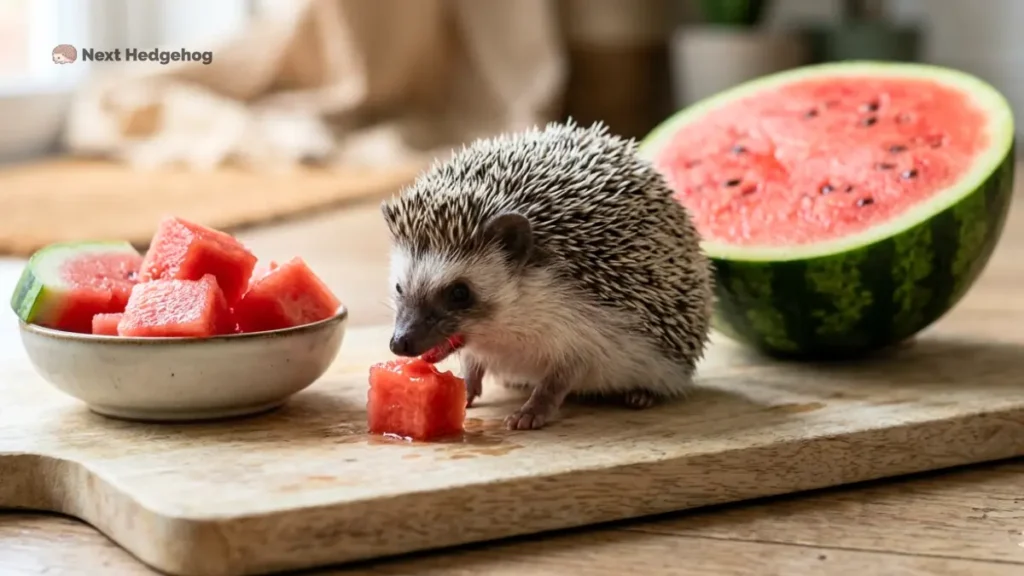
In this guide, we’ll break down whether watermelon is truly a safe treat for hedgehogs, how often it can be offered, and what risks you should watch out for.
If you’re a hedgehog owner or just curious about their diet, you’ll learn exactly when watermelon is a fun bite—and when it’s better to skip it.
What is Watermelon?
Watermelon is a large, refreshing fruit that belongs to the melon family. It is known for its high water content—about 90% or more—making it one of the most hydrating fruits available.
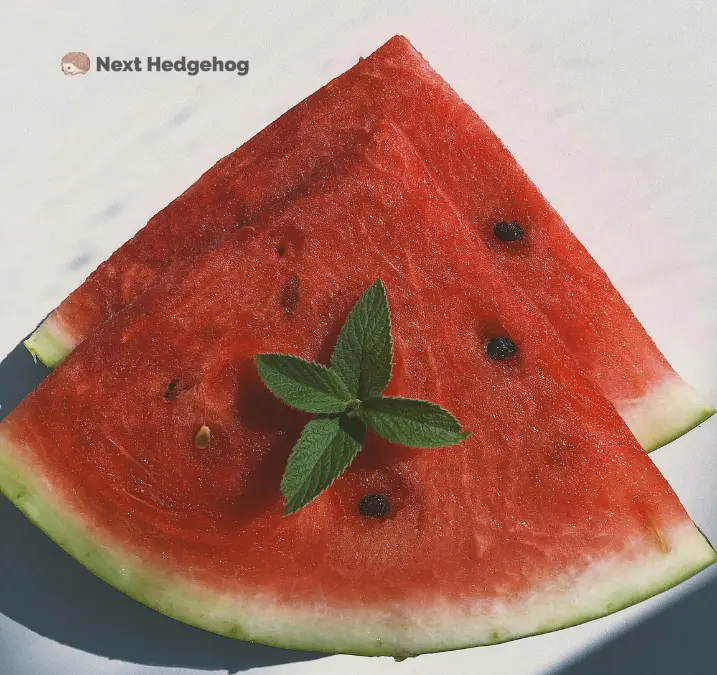
The fruit has a thick green rind on the outside and a juicy, sweet, red or pink flesh on the inside, often containing small black seeds (though seedless varieties also exist).
Originally native to Africa, watermelon is now grown and enjoyed all over the world, especially during hot summer months. People usually eat it fresh, chilled, or in juice form because of its naturally sweet taste and cooling effect.
Nutritionally, watermelon contains vitamins like A and C, along with antioxidants such as lycopene. While it’s considered a healthy human snack, its high natural sugar and water content is exactly why it needs to be given carefully—especially when it comes to small pets like hedgehogs.
Different Types of Watermelon
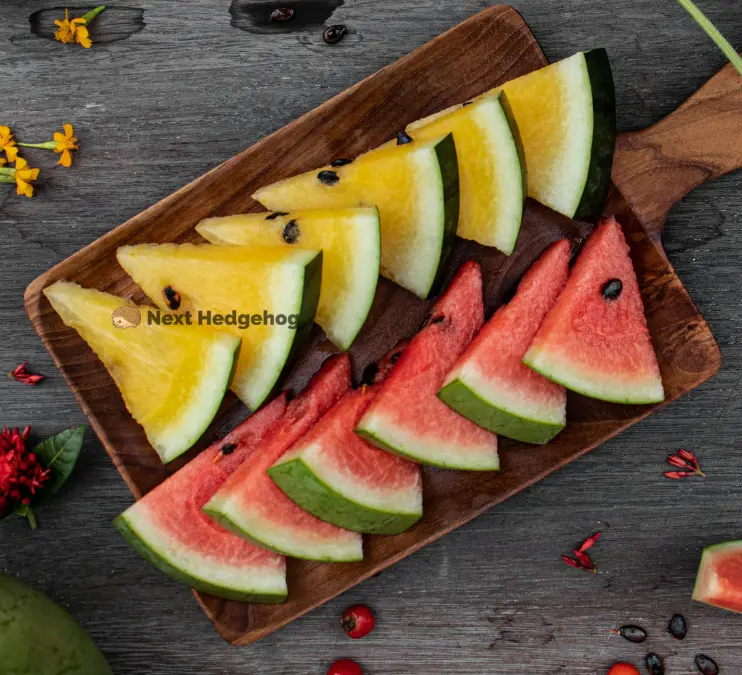
Watermelon comes in several varieties, each with its own size, color, sweetness level, and seed pattern. While they all share that refreshing, juicy nature, the differences can be quite noticeable depending on the type you pick. Here are the most common types of watermelon you’ll come across:
Seeded Watermelon
This is the classic and most traditional type of watermelon. It has a bright red or pink flesh filled with black seeds. Seeded watermelons are usually very sweet and flavorful, and many people believe they have a richer taste compared to seedless varieties. However, the seeds make them slightly less convenient to eat.
Seedless Watermelon
Despite the name, seedless watermelons may still contain small, soft white seeds, but they are generally not noticeable when eating. This variety is very popular because it’s easy to slice, serve, and enjoy without removing seeds. It has a similar sweetness and texture to seeded types but is more convenient for quick snacking.
Mini or Personal Watermelon
Mini watermelons are smaller in size and usually weigh between 2–7 kg. They are perfect for individuals or small families since they don’t take up much space in the fridge. These are often seedless and tend to have a very sweet, concentrated flavor.
Yellow Watermelon
Yellow watermelons look similar on the outside but have a golden or yellow flesh instead of red. They are slightly less common and are known for a honey-like sweetness. Some people find them even sweeter than traditional red watermelons.
Orange Watermelon
Orange watermelons are another unique variety with a bright orange interior. They are typically sweeter and milder in flavor compared to red types. Their vibrant color comes from different natural pigments, making them visually striking as well as tasty.
Each of these watermelon types offers a slightly different taste experience, but they all share the same hydrating, refreshing qualities that make watermelon such a popular fruit worldwide.
Is Watermelon Safe for Hedgehogs?
Yes, watermelon is generally safe for hedgehogs—but only in very small, occasional amounts.
Hedgehogs can nibble on watermelon flesh without immediate harm because it is non-toxic. However, that doesn’t mean it’s an ideal food for them. Hedgehogs are primarily insectivores, meaning their digestive systems are built for protein-rich foods like insects rather than sugary fruits. Watermelon is mostly water and natural sugar, which can easily upset their stomach if overfed.
The biggest concern is not toxicity, but balance. Too much watermelon can lead to digestive issues like diarrhea, bloating, or weight gain over time. The high sugar content can also be unhealthy for hedgehogs if it becomes a regular snack.
So, while a tiny bite of watermelon on rare occasions can be a fun treat, it should never replace their main diet or be offered frequently. Think of it as a “sometimes snack” rather than a food they should rely on.
Nutritional Value of Watermelon
Watermelon is often seen as a light and refreshing fruit, but it also contains a variety of nutrients that give it some health benefits—especially for humans. For hedgehogs, however, these nutrients come with a catch because of the fruit’s high water and sugar content.
Still, understanding its nutritional profile helps explain why it should only be offered as an occasional treat.
| Nutrient | Amount | Benefit |
|---|---|---|
| Calories | ~30 kcal | Low-energy fruit, light snack |
| Water | ~90–92% | Highly hydrating |
| Carbohydrates | ~7.5 g | Main source of natural sugar |
| Sugars | ~6–6.5 g | Provides sweetness but can be high for small pets |
| Fiber | ~0.4 g | Supports digestion (minimal amount) |
| Protein | ~0.6 g | Very low protein content |
| Fat | ~0.2 g | Almost fat-free |
| Vitamin C | ~8–9 mg | Supports immune health |
| Vitamin A (Beta-carotene) | Moderate | Good for vision and skin health |
| Potassium | ~110 mg | Helps fluid balance |
Benefits of Feeding Watermelon to Hedgehogs
Even though watermelon is not a natural or essential food for hedgehogs, offering it in very small amounts can provide a few mild benefits. The key is moderation—think of it as a rare treat rather than a dietary addition.
- Hydration boost: Watermelon is made up of over 90% water, which can help keep hedgehogs slightly hydrated, especially during warm weather. However, it should never replace their regular water source.
- Low-calorie treat option: It is a light fruit with very few calories, so a tiny bite won’t significantly impact their energy balance when given occasionally.
- Natural source of vitamins: Watermelon contains small amounts of vitamins like A and C, which can contribute to general health support in very minor ways.
- Enrichment and variety: Introducing a tiny piece of watermelon once in a while can add variety to a hedgehog’s diet and stimulate curiosity, which is important for mental enrichment.
- Soft texture for easy eating: The soft, juicy texture makes it easy for hedgehogs to nibble without difficulty, especially for younger or older hedgehogs with sensitive teeth.
Even with these benefits, it’s important to remember that watermelon should only be an occasional treat. A hedgehog’s main nutrition should always come from high-protein foods like insects and specially formulated hedgehog diets.
Risks Factors of Overfeeding Watermelon
Even though watermelon is safe in tiny amounts, overfeeding it can quickly cause problems for hedgehogs. Because their bodies are not designed to handle sugary, watery harmful fruits regularly, too much watermelon can disrupt their digestion and overall health.
- Digestive upset (diarrhea and loose stool): Watermelon’s high water content can overwhelm a hedgehog’s sensitive digestive system, often leading to diarrhea or soft stool, which can quickly cause dehydration.
- High sugar intake: The natural sugars in watermelon may seem harmless, but frequent overfeeding can lead to weight gain and may increase the risk of metabolic issues over time.
- Nutritional imbalance: If hedgehogs fill up on watermelon, they may eat less of their essential protein-rich foods, leading to poor nutrition since they need insects and high-protein diets to stay healthy.
- Bloating and stomach discomfort: Excess water and fiber can cause gas buildup, leading to bloating and discomfort in small animals like hedgehogs.
- Reduced appetite for proper food: Sweet fruits can make hedgehogs picky, causing them to ignore their main diet in favor of sugary treats.
- Dehydration risk (indirect effect): Ironically, diarrhea caused by overfeeding watermelon can lead to dehydration, which is dangerous for small pets.
Hedgehogs Watermelon Feeding Guide
Feeding watermelon to hedgehogs is simple, but it needs careful control to keep your pet safe and healthy. Since hedgehogs have sensitive digestive systems, even small mistakes in portion or frequency can cause issues. Follow this guide to offer watermelon the right way.
1. Choose Fresh, Seedless Watermelon
Always start with fresh, ripe watermelon. Seedless varieties are best because they reduce the risk of choking or digestive blockage. If you only have seeded watermelon, make sure to remove all seeds completely before offering it to your hedgehog.
2. Wash and Prepare Properly
Wash the outer rind thoroughly to remove dirt, pesticides, or chemicals. Cut a small piece from the inner red flesh only. Avoid giving the rind or any tough parts, as they are hard to digest and offer no nutritional benefit for hedgehogs.
3. Cut into Tiny Bite-Sized Pieces
Hedgehogs are very small animals, so the portion should be extremely small—just a pea-sized piece is enough. This helps prevent overconsumption of sugar and water, which can upset their stomach.
4. Offer as an Occasional Treat Only
Watermelon should not be part of their regular diet. Offer it only once in a while, such as once every 1–2 weeks. This ensures your hedgehog enjoys variety without health risks.
5. Observe After Feeding
After giving watermelon, monitor your hedgehog for any signs of diarrhea, bloating, or discomfort. If any unusual symptoms appear, avoid giving it again and focus on their regular high-protein diet.
By following these simple steps, you can safely let your hedgehog enjoy a tiny taste of watermelon without putting their health at risk.
Feeding Frequency Guidelines: By Age & Amount
Because hedgehogs have very sensitive digestive systems, the frequency and portion size of watermelon matters more than the fruit itself. Younger, growing hedgehogs need strict control, while adults can tolerate a tiny treat occasionally. The key is always moderation.
| Age of Hedgehog | Recommended Frequency | Safe Amount per Feeding | Notes |
|---|---|---|---|
| Baby (0–6 months) | Not recommended | 0 (avoid completely) | Their digestive system is still developing; avoid sugary fruits |
| Juvenile (6–12 months) | Very rarely (once a month max) | Tiny taste (pea-sized) | Only if fully healthy and already eating solid diet well |
| Adult (1–4 years) | Occasionally (1–2 times per month) | Small piece (pea to small bean size) | Safe as a rare treat if no digestive issues |
| Senior (4+ years) | Rarely (once a month or less) | Very small piece | Older hedgehogs may have weaker digestion; monitor closely |
Raw vs Cooked Watermelon
Watermelon is almost always eaten raw, but when it comes to feeding it to hedgehogs, it’s important to understand whether raw or any cooked form is safer. Since hedgehogs have very specific dietary needs, even small changes in food preparation can affect how their body reacts.
Raw Watermelon
Raw watermelon is the only natural and commonly used form of this fruit. It contains all its water, vitamins, and natural sugars in their original state. For hedgehogs, a tiny piece of raw watermelon is generally safe as an occasional treat.
However, it must be fresh, seedless, and given in very small amounts because of its high sugar and water content.
Cooked Watermelon
Cooked watermelon is not recommended for hedgehogs. Heating the fruit changes its texture and can concentrate sugars as water evaporates, making it even less suitable for small pets.
Cooking also removes some of the natural freshness and may introduce unnecessary softening that doesn’t benefit hedgehogs in any way. In some cases, cooked fruit can become too mushy and harder to control in portions.
Final Decision
Raw watermelon is the only acceptable option, and even then, only in very small, occasional servings.
Cooked watermelon should be avoided completely. For hedgehogs, the safest approach is to stick to raw, fresh, seedless watermelon as a rare treat and always prioritize their protein-based main diet.
Alternative Items You Can Offer
If you’re looking for safer substitutes or similar treats to watermelon, these options are closer in texture, hydration, or fruit category—but still must be given only occasionally.
- Fresh cucumber (light hydration alternative): Not a fruit, but it offers similar water content and crunch with almost no sugar, making it a safer hydration snack alternative.
- Zucchini (raw, small bits): Mild, watery, and low in sugar—zucchini is a safer “water-rich” substitute that won’t overload a hedgehog’s digestive system.
- Cantaloupe (melon): Similar to watermelon but slightly more nutrient-dense. It’s soft, juicy, and can be offered in tiny amounts as an occasional treat.
- Honeydew melon: Another melon variety with high water content and mild sweetness. It is slightly less sugary than watermelon but still should be limited.
- Small pieces of pear (no seeds): Soft and juicy like watermelon, pears provide hydration but must be given in very small, rare portions due to sugar content.