Can Hedgehogs Eat Corn: Safe or Harmful for Your Pet?
If you have a pet hedgehog or are thinking about getting one, you probably want to know the best foods to keep your little friend happy and healthy. You might be wondering, can hedgehogs eat corn?
It’s a common question because corn is a popular snack for many pets, but is it safe and good for your hedgehog? The answer isn’t as simple as yes or no. Corn can be given, but only in very small amounts and with some important precautions.
Keep reading to discover how corn fits into your hedgehog’s diet, what risks it might bring, and what better treat options you can offer instead. Your hedgehog’s health depends on the right choices, so don’t miss these essential tips!
Hedgehogs And Corn
Hedgehogs can eat corn, but only in very small amounts. Corn is not a natural food for them. It should be given as an occasional treat, not a regular part of their diet.
Corn is high in starch and low in important nutrients for hedgehogs. It also contains phosphorus, which can upset their calcium balance. Many hedgehog owners and experts suggest avoiding corn or limiting it strictly.
Nutritional Value Of Corn
Corn has some carbohydrates that provide energy. It contains small amounts of vitamins like B and C. Corn also has fiber, which helps digestion.
Despite these benefits, corn lacks essential proteins and fats hedgehogs need. It is not a good source of calcium or other minerals important for their health.
Potential Risks Of Feeding Corn
Too much corn can cause health problems. The high starch can lead to weight gain and digestive issues. Phosphorus in corn can unbalance calcium levels, affecting bones and teeth.
Feeding corn often may cause choking if not prepared well. Avoid giving raw or processed corn with added salt, butter, or seasonings. These can harm your hedgehog.
Always cook corn plain and cut it into tiny pieces before offering it. Give only one or two kernels as a rare treat to keep your hedgehog safe.

Credit: mcphee.com
Safe Feeding Practices
Safe feeding practices keep your hedgehog healthy and happy. Corn can be given carefully, but must never replace their main diet. Understanding the right portion, preparation, and types of corn helps avoid health risks. Follow simple guidelines to offer corn safely as a rare treat.
Appropriate Portion Sizes
Offer only a tiny amount of corn at a time. One or two kernels are enough for a treat. Too much corn can upset their stomach and cause nutrient imbalances. Limit corn treats to very occasional feedings.
Preparation Tips For Corn
Cook the corn well before feeding it to your hedgehog. Serve it plain, without butter, salt, or seasoning. Cut or mash the corn into small pieces to avoid choking hazards. Raw corn is hard to digest and should be avoided.
Types Of Corn To Avoid
Never feed canned or creamed corn to your hedgehog. Processed corn often contains harmful additives like salt and sugar. Avoid corn on the cob, as it can be a choking risk. Stick to fresh, cooked corn kernels only.
Better Treat Options
Better treat options keep your hedgehog happy and healthy. Treats should add nutrition and variety without harming their delicate system. Some foods are safer and more beneficial than corn. These choices support good digestion and energy. Offering the right snacks helps maintain a balanced diet.
Safe Vegetables For Hedgehogs
Vegetables provide fiber and vitamins. Cooked green beans are easy to digest. Soft squash pieces add moisture and nutrients. Bell peppers offer vitamin C and crunch. Cucumber slices hydrate and refresh. Avoid starchy vegetables like corn or potatoes. Chop vegetables into small, manageable pieces to avoid choking.
Fruits Suitable For Treats
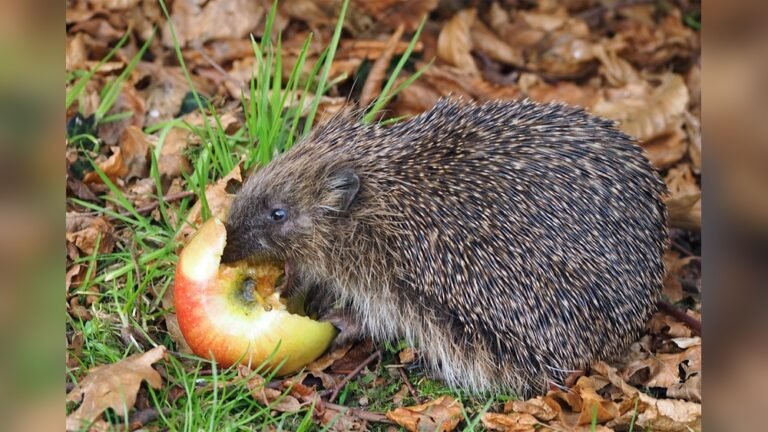
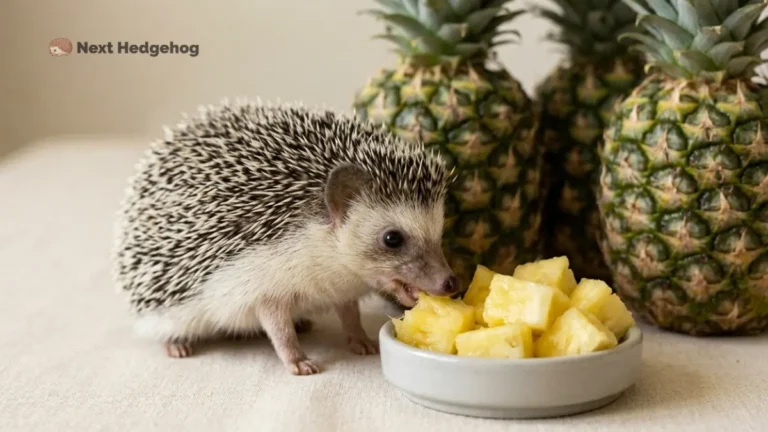
Some fruits make good treats in small amounts. Blueberries are rich in antioxidants and safe. Banana bits offer potassium and natural sweetness. Apples without seeds provide fiber and vitamins. Always remove seeds and pits. Avoid citrus fruits and sugary treats. Limit fruit servings to prevent stomach upset.
Protein Treat Alternatives
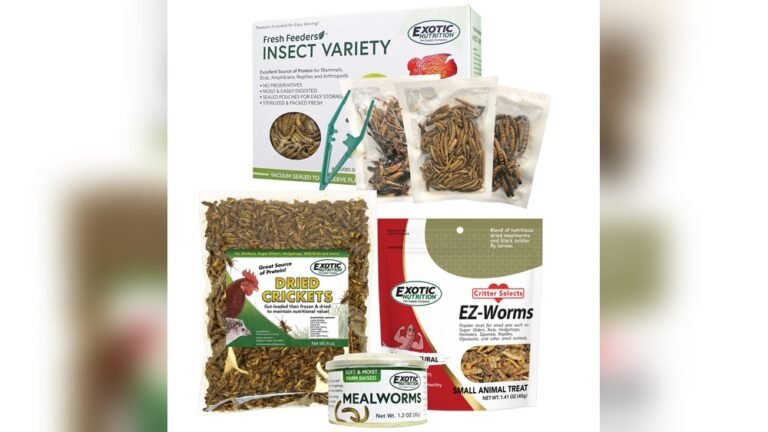
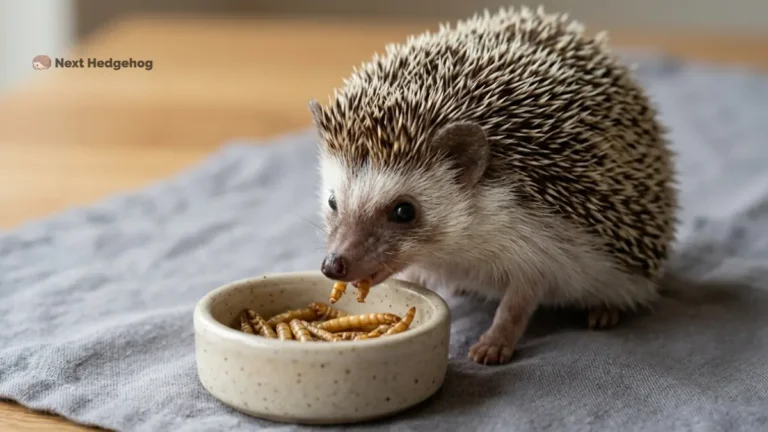
Protein is essential for hedgehogs. Offer small pieces of cooked chicken without seasoning. Scrambled eggs provide easily digestible protein. Mealworms or crickets are natural snacks. Avoid processed meats or anything salty. Protein treats support muscle and energy needs. Feed protein snacks sparingly to maintain diet balance.
:strip_icc()/what-do-hedgehogs-eat-4588705-hero-3f0b923273494ddb881981b62f1814eb.jpg "Can Hedgehogs Eat Corn: Safe or Harmful for Your Pet?")
Credit: www.thesprucepets.com
Hedgehog Dietary Needs
Hedgehogs have specific dietary needs to stay healthy and active. Their diet should provide the right balance of protein, fat, and fiber. Proper nutrition helps maintain their energy and supports their immune system.
Understanding what your hedgehog can and cannot eat is crucial. This knowledge prevents health problems and ensures a happy pet.
Main Components Of A Healthy Diet
Protein is the most important part of a hedgehog’s diet. They need high-quality sources like insects, cooked lean meats, or specially formulated hedgehog food. Fat helps keep their skin and coat healthy but should be moderate. Fiber aids digestion and can come from vegetables and fruits in small amounts.
Balancing Nutrients
Hedgehogs require a balance between protein, fat, and fiber. Too much fat can cause obesity. Not enough protein weakens their muscles and immune system. A mix of insect protein, safe vegetables, and occasional fruits creates a balanced diet.
Common Foods To Avoid
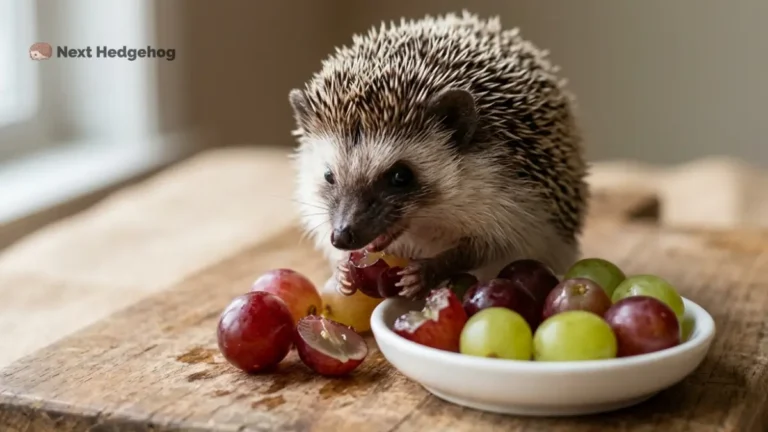
Certain foods can harm your hedgehog. Avoid sugary, salty, or processed foods. Dairy products can upset their stomach. Toxic foods include grapes, raisins, onions, and chocolate. Corn is starchy and low in nutrition, so limit it strictly or avoid it.
Addressing Common Questions
Many hedgehog owners wonder about feeding corn to their pets. Questions arise about the type of corn, safety, and feeding frequency. This section clears up common doubts for responsible care.
Understanding what is safe helps keep your hedgehog healthy and happy. Let’s address some key points about corn and hedgehogs.
Can Hedgehogs Eat Processed Corn?
Processed corn is not safe for hedgehogs. It often contains salt, butter, and spices. These additives can harm your pet’s digestion and health. Avoid canned, creamed, or flavored corn. Always choose plain, fresh, or cooked corn without any extras.
Is Sweetcorn Safe?
Sweetcorn can be given but only in small amounts. It is starchy and low in nutrients for hedgehogs. Too much corn may cause digestive problems or affect calcium balance. Always cook the corn and cut it into tiny pieces to avoid choking.
How Often To Give Treats
Treats like corn should be rare and very limited. Offer no more than one or two kernels once in a while. Treats must not replace the main diet. A balanced diet with insects or specially made hedgehog food is best for your pet.
:strip_icc()/GettyImages-1183697729-904b1f698da94ea7aa82c56b8b16f5cd.jpg "Can Hedgehogs Eat Corn: Safe or Harmful for Your Pet?")
Credit: www.thesprucepets.com
Frequently Asked Questions
What Should You Not Feed A Hedgehog?
Do not feed hedgehogs raw corn, processed foods, dairy, chocolate, onions, garlic, or sugary and salty snacks. Avoid starchy vegetables and citrus fruits.
What Is A Hedgehog’s Favorite Food?
A hedgehog’s favorite food is insects like mealworms and crickets. They also enjoy fruits and vegetables in small amounts.
What Veggies Can I Give My Hedgehog?
Safe vegetables for hedgehogs include cooked green beans, squash, bell peppers, cucumbers, peas, broccoli, carrots, and leafy greens. Avoid starchy or processed veggies. Serve small, plain, and chopped portions to prevent choking and ensure good nutrition.
Can Hedgehogs Eat Scrambled Eggs?
Hedgehogs can eat small amounts of plain, cooked scrambled eggs occasionally. Avoid adding salt or seasoning.
Conclusion
Hedgehogs can eat corn, but only in very small amounts. Corn is starchy and low in nutrients for them. It may affect their calcium balance if given too often. Always offer plain, cooked corn without any seasoning. Safer treat choices include cooked vegetables and small pieces of fruit.
Remember, treats should never replace their main diet. Keep your hedgehog’s meals balanced and healthy. This helps them stay active and happy. Choose treats wisely to support your pet’s well-being.