Can Hedgehogs Eat Grapes? [Safe vs. Toxic Food List]
No, hedgehogs should not eat grapes. Grapes might look like a tiny, juicy treat, but for hedgehogs they are not a safe snack.
These small spiky pets are primarily insectivores, meaning their bodies are designed to digest insects, protein-rich foods, and specially formulated hedgehog diets—not sugary fruits like grapes.
While grapes are popular in human diets, they can pose unnecessary risks for hedgehogs, including digestive upset and potential toxicity concerns that are still not fully understood in small exotic animals.
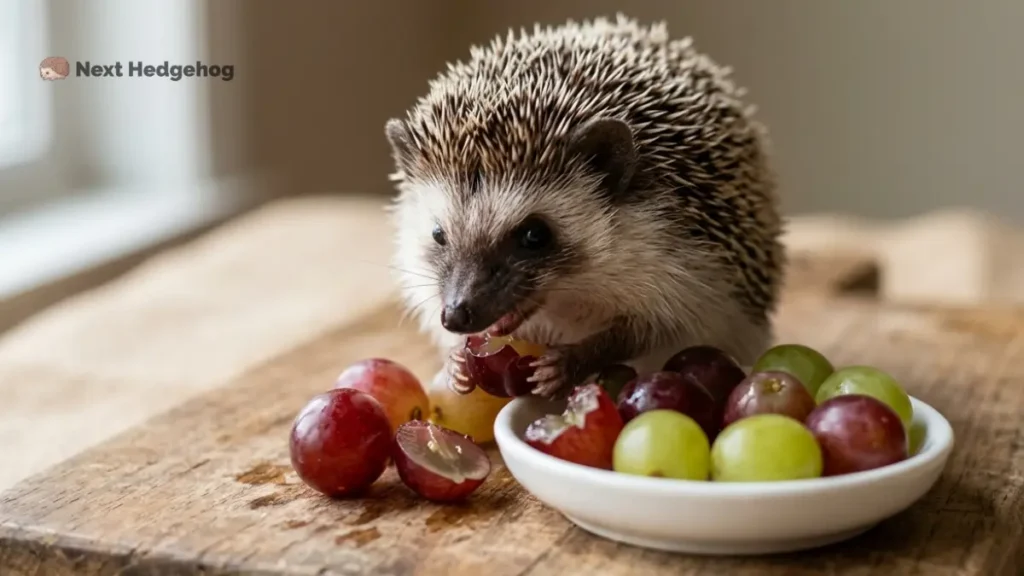
If you’re a hedgehog owner trying to add variety to your pet’s diet, it’s important to be very selective with fruits and treats. What seems harmless to us can sometimes be harmful to these delicate little animals.
In this guide, we’ll break down why grapes are not recommended, what risks they carry, and what safer alternatives you can offer instead to keep your hedgehog healthy and happy.
What Are Grapes?
Grapes are small, round fruits that grow in clusters on vines and belong to the genus Vitis. They are one of the most widely consumed fruits in the world and come in different varieties, including green, red, black, and purple grapes.
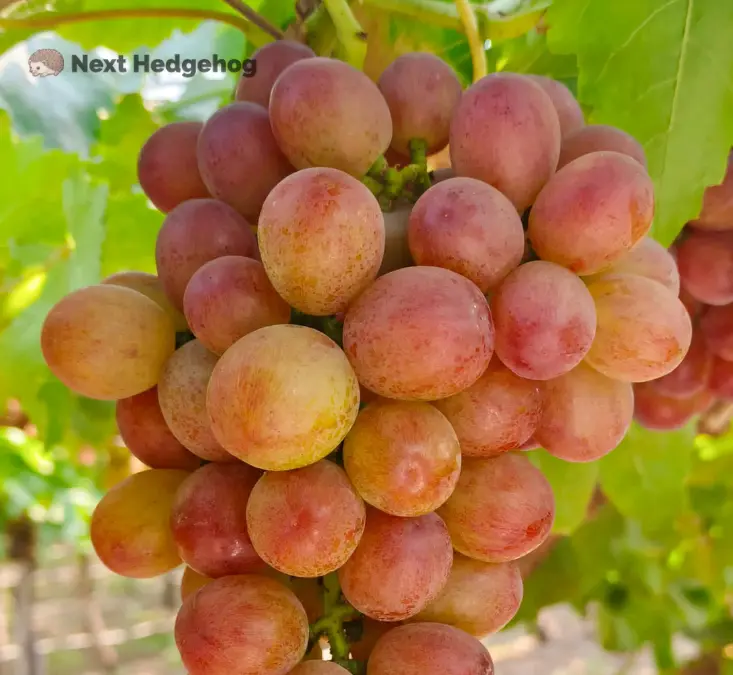
Each type has a naturally sweet or slightly tart flavor, making them popular for eating fresh, as well as for making juices, jams, raisins, and even wine.
From a nutritional perspective, grapes are rich in natural sugars, water, antioxidants, and vitamins like vitamin C and vitamin K. They also contain plant compounds such as polyphenols, which are known for their antioxidant properties in human nutrition.
However, while grapes are a healthy snack for people, their composition—especially the high sugar content and certain natural compounds—can make them unsuitable for some animals, including hedgehogs. This is why understanding what grapes are made of is important before offering them to exotic pets.
Different Types of Grapes
Grapes come in a wide variety of colors, flavors, and uses, making them one of the most diverse fruits in the world. While they all belong to the same plant family, different types of grapes can vary significantly in sweetness, texture, and nutritional profile.
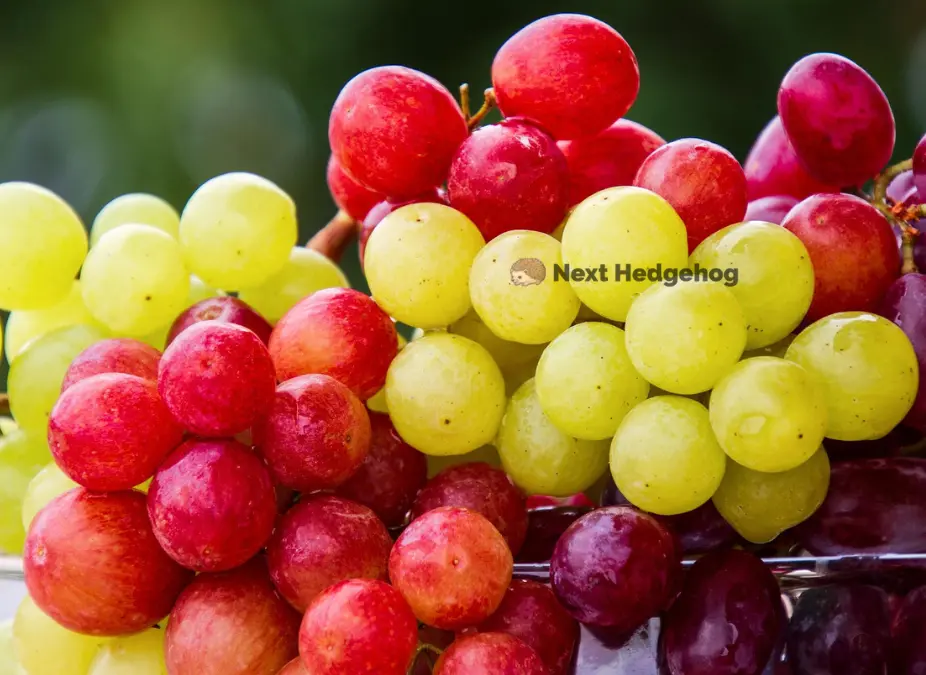
Understanding these differences helps you better recognize what people commonly consume—and why not all grapes are equally suitable for every diet, especially for small animals like hedgehogs.
Green Grapes
Green grapes are one of the most common varieties. They are usually crisp, juicy, and mildly sweet with a slight tang. Because they are less sugary than some darker varieties, they are often seen as a “lighter” fruit option for humans. Popular varieties include Thompson Seedless, which are widely used for fresh eating and raisins.
Red Grapes
Red grapes have a sweeter and richer flavor compared to green grapes. Their color ranges from light red to deep ruby, depending on the variety. They are packed with antioxidants, particularly flavonoids, which contribute to their deeper color and health appeal in human diets.
Black (or Purple) Grapes
Black or purple grapes are the darkest and often the sweetest variety. They have a bold, rich taste and are commonly used in winemaking due to their high sugar and antioxidant content. These grapes are also considered among the most nutrient-dense varieties for human consumption.
Seeded Grapes
Seeded grapes contain small seeds inside their flesh. While they are less popular for casual snacking today, they are often valued for their traditional flavor and are still used in some juices and wines. The seeds themselves contain additional plant compounds but can be inconvenient for eating.
Seedless Grapes
Seedless grapes are the most widely consumed type today. They are easy to eat, convenient, and widely available in supermarkets. These grapes are typically sweeter and have been selectively bred for convenience, making them a favorite for snacking and salads.
Are Grapes Toxic for Hedgehogs?
There is no confirmed scientific research that specifically proves grapes are toxic to hedgehogs, but they are still strongly considered unsafe for them.
Grapes are well-known for being dangerous to some animals—especially dogs, where even small amounts can sometimes cause kidney failure. While hedgehogs are different species and don’t have the same documented reactions, the lack of research on exotic pets makes grapes a “high-risk, avoid” food rather than a safe treat.
The main concern is that grapes contain a combination of natural sugars, acids, and unknown compounds that small animals may not process well. Hedgehogs have very sensitive digestive systems designed mainly for insects and protein-based foods, not sugary fruits.
Feeding grapes could potentially lead to stomach upset, diarrhea, or longer-term health stress even if immediate toxicity isn’t always visible.
Because there is uncertainty and no established safe amount, most hedgehog care guidelines recommend avoiding grapes entirely. In pet nutrition, especially for exotic animals, it’s always safer to choose foods with proven safety records rather than taking risks with uncertain ones.
Ingredients Included in Grapes
Grapes may look like simple little fruits, but they are actually made up of several natural components that give them their taste, texture, and nutritional value. Understanding what’s inside grapes helps explain why they behave differently in different diets—and why they may not be suitable for all animals, including hedgehogs.
Here’s a clear breakdown of the main ingredients found in grapes:
| Component | Description | Role in Grapes |
|---|---|---|
| Water | Makes up the majority of a grape (around 80–85%) | Provides juiciness and hydration |
| Natural Sugars (Glucose & Fructose) | Simple plant sugars | Responsible for the sweet taste and quick energy |
| Fiber | Plant-based indigestible material | Supports digestion in humans but can be heavy for small animals |
| Vitamins | Mainly Vitamin C & Vitamin K | Supports immunity and blood health |
| Minerals | Potassium, magnesium, small traces of others | Helps with body functions like muscle and nerve activity |
| Antioxidants | Polyphenols, flavonoids, resveratrol | Protect cells from oxidative stress |
| Organic Acids | Tartaric acid, malic acid | Contribute to sour/tangy flavor balance |
Why Grapes Are Not Safe for Hedgehogs?
Grapes may seem like a harmless, juicy snack, but when it comes to hedgehogs, they are not a safe or recommended food. These small insect-eating animals have very specific dietary needs, and grapes simply don’t fit into their natural nutrition profile.
Even though the exact effects on hedgehogs are not fully studied, most exotic pet experts strongly advise avoiding them altogether due to potential health risks.
Here’s why grapes are considered unsafe for hedgehogs:
- High sugar content: Grapes contain a lot of natural sugars, which can be too much for a hedgehog’s sensitive digestive system and may lead to obesity or digestive imbalance over time.
- Risk of digestive upset: Hedgehogs are not designed to process sugary fruits, and grapes can cause diarrhea, bloating, or stomach discomfort.
- Unknown toxicity concerns: In some animals like dogs, grapes have been linked to serious kidney issues. While not proven in hedgehogs, the uncertainty makes them a risky choice.
- Poor nutritional match: Hedgehogs need protein-rich diets (mainly insects), not fruit-heavy foods, so grapes offer little to no nutritional benefit for them.
- Fermentation in the gut: The sugars in grapes can ferment quickly in a hedgehog’s digestive tract, potentially leading to gas and discomfort.
- Potential choking hazard: Whole grapes can also pose a physical risk if not properly prepared, especially for smaller hedgehogs.
Because of these risks, it’s best to avoid grapes completely and stick to safer, hedgehog-friendly treats that support their health and natural diet.
What Happens If a Hedgehog Eats Grapes?
If a hedgehog accidentally eats a grape, the outcome can vary depending on how much was consumed, but it’s generally not something to ignore. Since hedgehogs have sensitive digestive systems and grapes are not part of their natural diet, even a small amount may cause discomfort or health issues.
In many cases, a single small bite may not immediately cause serious harm, but it can still trigger mild digestive upset such as soft stool, bloating, or temporary loss of appetite. The high sugar content and unknown compounds in grapes can be difficult for a hedgehog’s body to process efficiently.
If a larger amount is eaten, the risks increase. The hedgehog may experience diarrhea, dehydration, or signs of stomach pain like reduced activity and unusual behavior. While there is no confirmed toxic dose for hedgehogs specifically, the potential for kidney stress (seen in other animals like dogs) is one of the reasons grapes are considered unsafe.
In rare or more severe cases, repeated exposure or large quantities could lead to more serious digestive imbalance or longer-term health strain.
If a hedgehog eats grapes accidentally, it’s best to monitor closely for any changes in behavior, eating habits, or stool quality. Providing fresh water and avoiding any more sugary foods is important. If symptoms appear or worsen, contacting a vet experienced with exotic pets is the safest step.
Why Hedgehogs Cannot Digest Grapes Properly?
Hedgehogs have a very different digestive system compared to humans, and that’s the main reason they struggle with foods like grapes. Their bodies are designed to process insects and protein-rich foods, not sugary fruits. Because of this, grapes can be difficult for them to break down efficiently and may lead to digestive stress.
Here’s why hedgehogs cannot digest grapes properly:
- Designed for high-protein diets: Hedgehogs are insectivores, meaning their digestive system is optimized for protein and fat from insects, not plant-based sugars found in grapes.
- Limited ability to process high sugar levels: Grapes contain natural sugars like glucose and fructose, which can overwhelm a hedgehog’s small digestive system and cause imbalance.
- Short and simple digestive tract: Hedgehogs have a relatively short gut, which means food passes through quickly and complex plant sugars may not be fully broken down.
- Lack of specialized enzymes for fruit-heavy foods: Their bodies do not produce enough enzymes to efficiently digest large amounts of fruit sugars and plant compounds.
- Fermentation risk in the gut: Undigested sugars from grapes can ferment in the stomach and intestines, leading to gas, bloating, and discomfort.
- Sensitivity to dietary changes: Even small deviations from their natural diet can disrupt gut bacteria balance, making grapes particularly unsuitable.
Common Myths About Hedgehogs Eating Grapes
Hedgehog diet information online can sometimes be confusing, and grapes are a good example of where myths spread quickly. Because grapes are considered healthy for humans, many people assume they are also safe for small pets.
However, hedgehogs have very different nutritional needs, and several common misconceptions about grapes can lead to unsafe feeding practices.
Here are some of the most common myths about hedgehogs eating grapes:
- “Grapes are just fruit, so they must be safe”: This is a common assumption, but hedgehogs are insectivores, not fruit-eaters. Their bodies are not designed to handle sugary fruits like grapes.
- “A small grape won’t do any harm”: Even small amounts can cause digestive upset in sensitive hedgehogs. The risk increases because their systems are not built for fruit sugars.
- “Grapes are a good natural treat”: While grapes are natural, “natural” does not always mean safe. Many natural foods can still be unsuitable or harmful for specific animals.
- “Wild hedgehogs might eat grapes in gardens, so it’s fine”: In reality, hedgehogs in the wild mainly eat insects, worms, and small invertebrates. If they do nibble fruit, it is not a normal or necessary part of their diet.
- “Grapes provide vitamins, so they’re healthy for hedgehogs”: Although grapes contain vitamins for humans, hedgehogs get their nutrients from protein-based foods, not fruit sugars.
- “All fruits are safe in moderation”: This is not true for hedgehogs. Some fruits, including grapes, are not recommended at all due to potential health risks.
Foods That Are Similar to Grapes but Safe
If you’re looking for grape-like foods that are safer for hedgehogs, it’s important to focus on options that are low in sugar, easy to digest, and better aligned with their insect-based dietary needs.
While fruits should still be given only as occasional treats, some alternatives are considered relatively safer compared to grapes.
Here are a few safer foods similar to grapes:
- Blueberries: Small, soft, and naturally lower in sugar than grapes, blueberries are one of the more commonly recommended fruits in very small amounts for hedgehogs.
- Apple (small pieces, no seeds): Fresh apple chunks can be offered occasionally. They provide mild sweetness but should always be given without seeds or core.
- Pear (peeled and in tiny amounts): Pears are juicy like grapes but gentler when offered in moderation. They should be soft, fresh, and served in very small portions.
- Melon (watermelon or cantaloupe): These fruits are high in water content and can be a refreshing treat in tiny bites, but they should not be a regular part of the diet.
- Strawberries (small pieces): Strawberries are similar in sweetness to grapes but are generally considered safer in moderation due to their softer impact on digestion.
Even though these alternatives are safer than grapes, they should still only be given as occasional treats. The main diet of a hedgehog should always remain high in protein, primarily from insects and specially formulated hedgehog food.