Can Hedgehogs Eat Guinea Pig Food? (Myths vs Truth)
No. Hedgehogs should not eat guinea pig food as a regular part of their diet.
Many pet owners get confused because both foods come in pellet form. They may also look similar at first glance. But they are made for very different animals with different nutritional needs. Guinea pig food is designed for herbivores. Hedgehogs are insect eaters by nature.
In this article, you will learn whether guinea pig food is safe for hedgehogs. You will also see what happens if they eat it and what the better food choices are for a healthy hedgehog diet.
What is Guinea Pig Food?
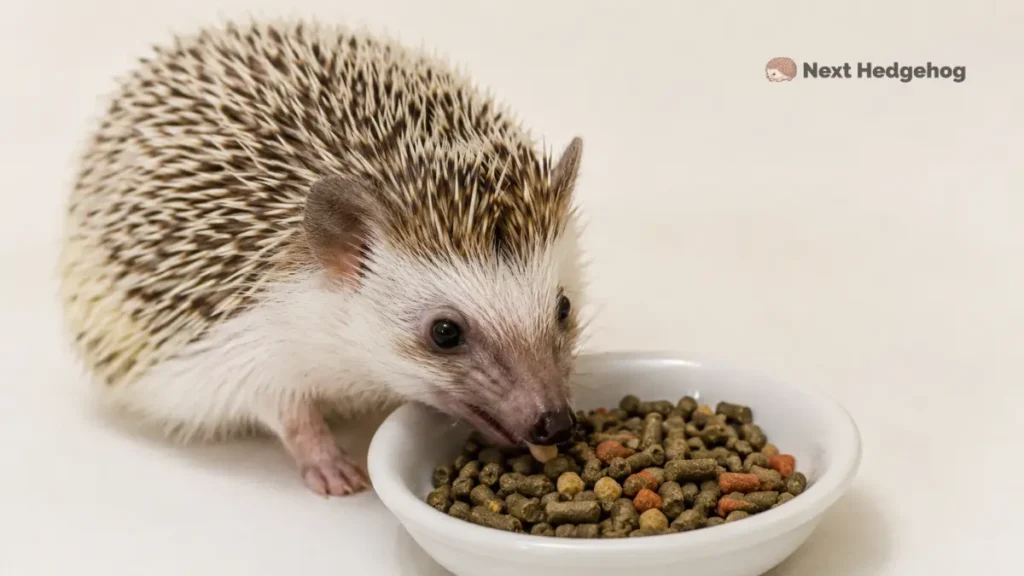
Guinea pig food is a specially prepared diet made to meet the nutritional needs of guinea pigs. It usually comes in the form of pellets and is designed to provide a balanced mix of fiber, vitamins, and minerals.
The main ingredient in most guinea pig food is hay-based fiber, which supports healthy digestion. It also contains added vitamin C because guinea pigs cannot produce it on their own. This is a very important part of their health needs.
Some guinea pig foods may also include small amounts of grains, plant proteins, and dried vegetables. However, they are still built for herbivores, meaning animals that mainly eat plants.
Because of this specific formulation, guinea pig food is not designed for insect-eating animals like hedgehogs.
Different Types of Guinea Pig Food
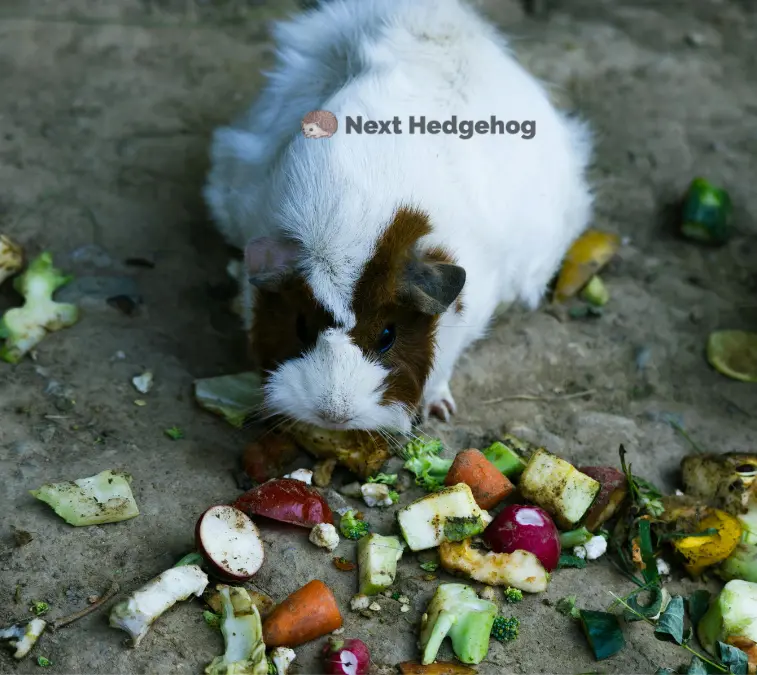
Guinea pig food is not just one simple mix. It comes in different forms that are designed to keep guinea pigs healthy and active. Most diets focus on fiber, vitamin C, and safe plant based ingredients.
Here are the most common types of guinea pig food you will see.
Grass Based Pellets
These are the most common commercial guinea pig food. They are made mainly from hay like timothy or orchard grass. They provide essential nutrients and added vitamin C. Good quality pellets are plain and uniform so guinea pigs do not pick only the tasty parts.
Alfalfa Based Food
Alfalfa based food is richer in calcium and protein. It is mostly given to young, pregnant, or nursing guinea pigs because they need extra nutrients. Adult guinea pigs should not eat too much of it as it can lead to health issues like bladder stones.
Muesli or Mixed Seed Food
This type includes a mix of pellets, seeds, grains, and dried fruits. It may look attractive but it is not the best choice. Guinea pigs often pick only the sweet or tasty parts and miss the balanced nutrition. This can lead to an unhealthy diet over time.
Hay Based Diet (Natural Food)
Hay is the most important food in a guinea pig’s diet. It is not just an extra food. It is the main part of their daily eating routine. It helps with digestion and keeps their teeth healthy. Good hay like timothy or orchard grass should always be available.
Is Guinea Pig Food Toxic for Hedgehogs?
Guinea pig food is not usually toxic for hedgehogs, but that does not mean it is safe or suitable for them to eat. If a hedgehog eats a small amount accidentally, it is unlikely to cause immediate poisoning or serious harm in most cases.
The main issue is nutrition, not toxicity. Guinea pig food is made for herbivores and is very high in plant fiber and vitamin C. Hedgehogs are insect eaters, so their bodies are not designed to process this kind of diet properly. Over time, feeding guinea pig food can lead to poor nutrition, weight problems, or digestive imbalance.
Some guinea pig foods also contain ingredients like grains, seeds, or dried fruits. These are not ideal for hedgehogs and can be difficult for them to digest. Regular consumption may also reduce their appetite for protein rich foods, which are essential for their health.
So while guinea pig food is not poisonous to hedgehogs, it should not be considered a safe or long term food option. A proper hedgehog diet is always the better choice.
Ingredients Included in Guinea Pig Food
Guinea pig food is made to support a herbivore diet, so it mainly includes plant based ingredients, fiber, and added vitamins. While recipes can vary by brand, most guinea pig foods follow a similar structure.
Here is a simple breakdown of common ingredients you will find in them.
| Ingredient Type | Common Examples | Purpose in Food |
|---|---|---|
| Grass Hay | Timothy hay, orchard grass, alfalfa | Provides fiber for digestion and supports dental health |
| Plant Fiber Sources | Dried grasses, hay meal | Helps maintain healthy gut movement |
| Added Vitamin C | Synthetic vitamin C or fortified mix | Prevents deficiency since guinea pigs cannot produce it |
| Grains & Seeds | Wheat, corn, oats (in some mixes) | Adds energy but not always present in high quality pellets |
| Dried Vegetables | Carrot flakes, beet pulp | Adds flavor and small nutrients |
| Minerals & Supplements | Calcium, phosphorus, trace minerals | Supports bone and overall health |
Why Guinea Pig Food Is Not Safe for Hedgehogs?
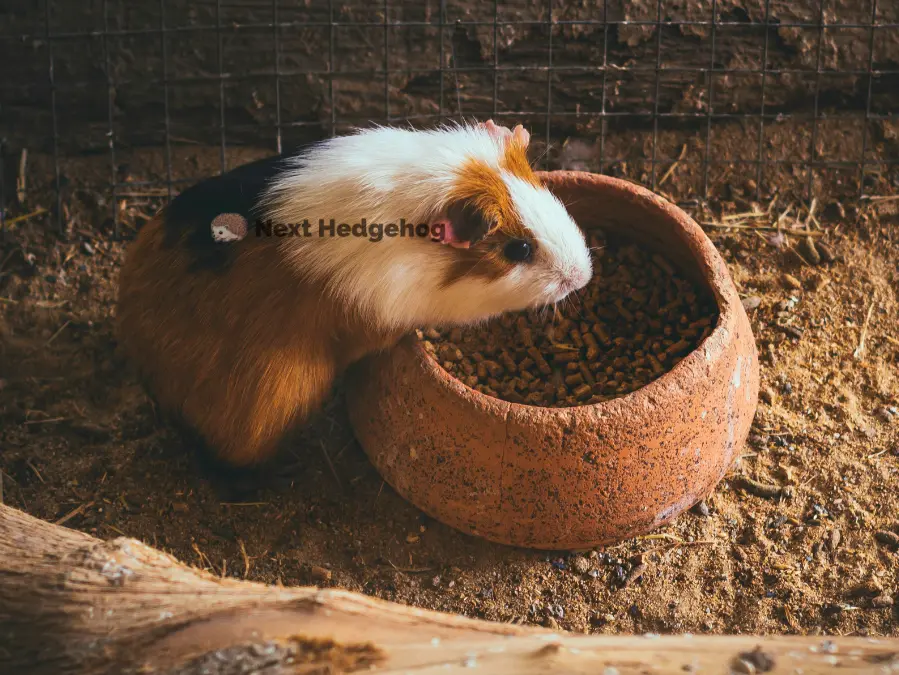
Guinea pig food may look harmless, but it is not a good match for a hedgehog’s dietary needs. Hedgehogs are insect eaters by nature, so their bodies are built to digest high protein and animal based foods.
Guinea pig food is the opposite, which creates several problems when used as a regular diet.
- Wrong nutritional balance: Guinea pig food is high in plant fiber and low in animal protein. Hedgehogs need a protein rich diet, so this imbalance can lead to weakness and poor health over time.
- Missing essential nutrients for hedgehogs: Hedgehogs require nutrients found in insects and meat based foods. Guinea pig pellets do not provide enough of these essential components.
- Too much fiber for their system: While fiber is important, too much plant fiber can be hard for hedgehogs to digest properly and may cause stomach upset.
- Risk of obesity or malnutrition: Some guinea pig foods contain grains and carbohydrates that can lead to weight gain or nutritional imbalance in hedgehogs if eaten regularly.
- Encourages poor eating habits: If hedgehogs get used to guinea pig food, they may refuse proper hedgehog food that better supports their health needs.
What Happens If a Hedgehog Eats Guinea Pig Food?
If a hedgehog eats a small amount of guinea pig food, there is usually no immediate danger. Most commercial guinea pig pellets are not toxic, so a one time accidental bite will not normally cause serious harm. However, problems can start if it becomes a regular part of their diet.
Short term effects may include mild digestive discomfort. Some hedgehogs can experience bloating, softer stools, or reduced appetite because their stomachs are not designed to handle high plant fiber foods. This is more likely if they eat a larger portion.
Over time, repeated consumption can lead to nutritional imbalance. Guinea pig food does not provide enough animal protein, which hedgehogs need for energy and muscle health. This can result in weakness, weight changes, or poor coat condition.
In some cases, hedgehogs may also develop picky eating habits. If they start preferring guinea pig food over proper hedgehog food, it can become harder to maintain a balanced diet.
Why Hedgehogs Cannot Digest Guinea Pig Food Properly?
Hedgehogs have a very different digestive system compared to guinea pigs. Their bodies are built for animal based protein like insects, not plant heavy foods. Because of this, guinea pig food does not break down efficiently in their system and can cause long term health issues if eaten often.
- Designed for insect digestion, not plants: Hedgehogs are insectivores. Their stomach and enzymes are adapted to digest protein and fat from insects, not large amounts of fiber from plants.
- Low production of plant-digesting enzymes: Guinea pig food contains a lot of hay and plant material. Hedgehogs do not produce enough enzymes to fully break down this fiber rich diet.
- Slow and inefficient gut processing: High fiber foods move differently through a hedgehog’s digestive tract, which can lead to bloating or discomfort.
- Lack of essential animal protein digestion support: Hedgehogs rely on animal protein for energy. Guinea pig food does not support this need, so digestion alone is not enough for proper nutrition.
- Risk of gut imbalance over time: Regular consumption can disturb the natural gut balance, making it harder for hedgehogs to absorb the nutrients they actually need.
Common Myths About Hedgehogs Eating Guinea Pig Food
There are many misunderstandings about what hedgehogs can eat. Since guinea pig food is easy to find and looks harmless, some people assume it is a good alternative. But most of these ideas are based on myths, not proper nutrition facts.
- “Guinea pig food is a good backup diet for hedgehogs”
This is not true. Hedgehogs need insect based protein, while guinea pig food is plant heavy. It cannot replace a proper hedgehog diet. - “If hedgehogs eat it, it must be safe”
Eating something does not always mean it is suitable. Hedgehogs may try many foods, but their body may not benefit from them long term. - “All pellet foods are the same”
Pellet shape can be misleading. Guinea pig pellets and hedgehog pellets are made with completely different nutritional goals. - “Guinea pig food helps hedgehogs stay healthy”
It may fill the stomach, but it does not provide the right balance of animal protein and fat that hedgehogs need for energy and growth. - “Occasional feeding is completely fine as a treat”
Even occasional use should be very limited. It is not harmful in small amounts, but it should not be treated as a regular snack or reward.
Foods That Are Similar to Guinea Pig Food but Safe
Some pet foods may look similar to guinea pig food because they also come in pellet or kibble form. However, for hedgehogs, the key difference is nutrition. Hedgehogs need high protein and insect based ingredients.
Here are some safer alternatives that are closer in appearance but much better suited for them.
- High quality cat food (dry or wet): This is one of the most common alternatives. Good cat food contains high animal protein and fats, which match a hedgehog’s natural diet better than guinea pig food. Choose options with meat as the first ingredient and avoid sugary fillers.
- High protein dog food (small amounts): Some premium dog foods can be used occasionally. They are not perfect, but they provide more protein than guinea pig food. It should only be a backup option, not a main diet.
- Special hedgehog food pellets: These are specifically made for hedgehogs and usually contain insects, meat protein, and balanced fats. This is the closest match to their natural nutritional needs.
- Insect based foods (mealworms, crickets): These are excellent natural foods for hedgehogs. They are rich in protein and easy for them to digest. Many hedgehog diets include insects as a main component.
- Cooked meat (plain chicken or turkey): Small amounts of plain cooked meat can be safe and nutritious. It should be unseasoned and given in moderation as part of a balanced diet.
Expert Recommendation on Guinea Pig Food for Hedgehogs
Veterinarians and exotic pet nutrition guides are very clear about this topic. Guinea pig food is not recommended for hedgehogs because their dietary needs are completely different. Hedgehogs are mainly insectivores and need high animal protein, while guinea pigs are strict herbivores that rely on hay and plant fiber.
What experts say about feeding it
Experts recommend feeding hedgehogs a diet based on commercial hedgehog food or insectivore diets. If those are not available, high quality cat or dog food with proper protein balance can be used as an alternative.
Guinea pig pellets do not fit into this plan because they are mostly made of hay, fiber, and plant based ingredients, which are not suitable as a main food source for hedgehogs.
Why vets do not recommend guinea pig food
From a nutritional point of view, guinea pig food lacks the animal protein and fat that hedgehogs need for energy, growth, and healthy body function. It is designed for a completely different digestive system. Over time, feeding it can lead to malnutrition or weight problems in hedgehogs.
Occasional use vs regular diet
Experts agree that a very small accidental intake is not dangerous. However, it should never be used as a regular meal or substitute. A proper hedgehog diet should always focus on insect based protein, not plant based pellets.
Final expert takeaway
Guinea pig food is not toxic but it is not appropriate either. The safest recommendation from veterinary sources is simple. Keep hedgehogs on insectivore based or high protein carnivore style diets for long term health.